
You’ve done the research. You’ve bought the plants labeled "low maintenance" and "drought tolerant." You’ve even skipped the sprinkler system to save water and money. It feels like the responsible choice, right? Especially with the summers getting hotter and drier every year here in 2026. But then, something strange happens. The lavender turns brown at the base. The succulents rot from the inside out. The ornamental grasses look more like sad, flat hair than vibrant plumes.
It’s frustrating. Actually, it’s heartbreaking. You wanted a garden that thrived on neglect, or at least, minimal attention. Instead, you’re staring at a bed of expensive mulch and dying stems. Here’s the thing most people don’t realize until it’s too late: "Drought resistant" doesn’t mean "neglect proof." In fact, these plants are often far more sensitive to our well-meaning mistakes than their thirstier cousins. They have specific needs that contradict our usual gardening instincts.
Let’s talk about why this happens. It’s not because you’re a bad gardener. It’s because the advice we get is often oversimplified. We hear "plant it and forget it," so we do. But nature isn’t that simple. These plants come from harsh environments where they’ve adapted to specific soil conditions, drainage patterns, and seasonal rhythms. When we drop them into a standard suburban flower bed without adjusting for those needs, we’re basically setting them up for failure. Let’s unpack the six biggest blunders folks make, and how you can turn your garden around before the next heatwave hits.
The Trap of Over-Loving with Water
The number one killer of drought-tolerant plants isn’t lack of water. It’s too much of it. I know, it sounds counterintuitive. We see a wilting leaf and our instinct screams "Water me!" So we grab the hose. But for plants like sage, rosemary, or agave, wet feet are a death sentence. These species have evolved to survive long dry spells by storing water or developing deep root systems. When we keep the soil constantly moist, we rob them of their natural survival mechanisms. Worse, we invite root rot, a fungal party that spreads fast in damp, heavy soil.
In 2026, with water conservation being a huge topic, many homeowners are swinging too far the other way—either ignoring new plants entirely or drowning established ones out of habit. The key is the establishment period. For the first few months, yes, they need regular watering to get their roots settled. But once they’re in? You need to pull back. Hard. Let the soil dry out completely between waterings. Stick your finger an inch or two into the dirt. If it’s cool and damp, walk away. If it’s bone dry, give them a deep soak, not a daily sprinkle.
Think of it like training a muscle. If you always carry a heavy load for someone, their muscles never strengthen. Similarly, if you always provide surface water, the roots stay shallow and weak. By letting them get a little thirsty, you force those roots to dive deep into the earth, searching for moisture. That’s where their true resilience lives. A plant with deep roots can survive a month of no rain. A plant with shallow, coddled roots will wilt after three days. It’s tough love, but it’s the only way they’ll truly thrive.
Ignoring the Soil Drainage Reality
Here’s a secret: most drought-loving plants hate typical garden soil. Seriously. They crave grit. They want sand, gravel, and rocks. Most suburban yards, however, have clay or compacted loam. This soil holds water like a sponge. For a fern, that’s great. For a cactus or a thyme plant, it’s a swampy nightmare. When you plant a desert native into heavy clay without amendment, you’re essentially putting it in a bathtub with the drain plugged. The water sits there, suffocating the roots.
Many gardeners try to fix this by adding organic matter like compost or peat moss. While good for vegetables, this can actually make things worse for xeric plants. Organic matter retains moisture. Instead, you need to improve drainage physically. Mix in coarse sand, perlite, or small gravel. In some cases, it’s better to build a raised bed or a mound. Elevating the planting area allows gravity to do the work, pulling excess water away from the root zone quickly.
I visited a garden last summer where the homeowner had planted beautiful rock roses on a flat, clay-heavy lawn. Within weeks, half were yellowing. We dug one up, and the roots were black and mushy. We replanted the survivors on a slight berm, mixed with crushed granite, and they bounced back within a month. The difference wasn’t the plant; it was the stage they were standing on. If you can’t change your soil, change the elevation. It’s a simple tweak that saves lives. Or, choose plants that tolerate clay, like some native wildflowers, instead of forcing true desert species to adapt.
The Mulch Misconception
Mulch is usually the hero of the garden story. It keeps weeds down and moisture in. But for drought-resistant beds, traditional wood bark mulch can be a villain. Wood chips hold moisture against the stem of the plant. They also break down over time, adding nitrogen and organic matter to the soil. Remember what we just said about organic matter? It retains water. For plants that prefer lean, dry, and low-nitrogen soils, a thick layer of bark is like wearing a wet wool sweater in the desert. It causes stem rot and encourages floppy, weak growth.
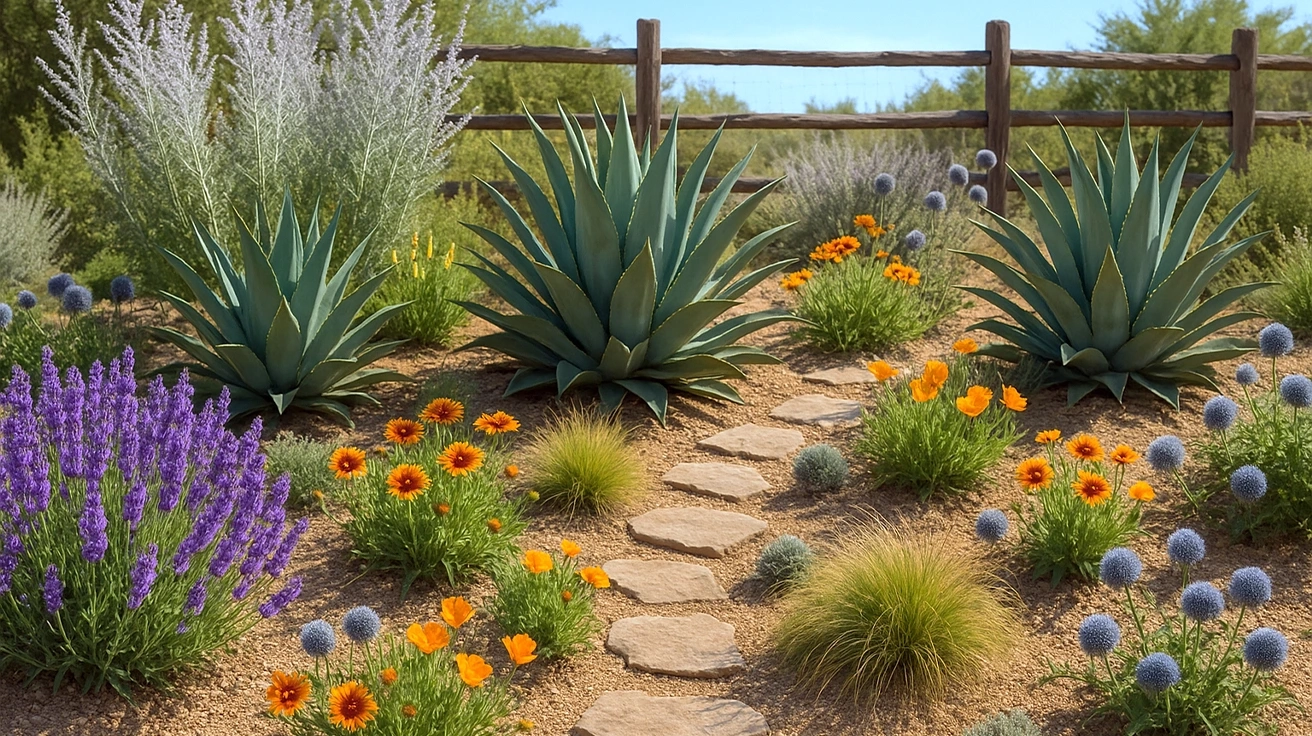
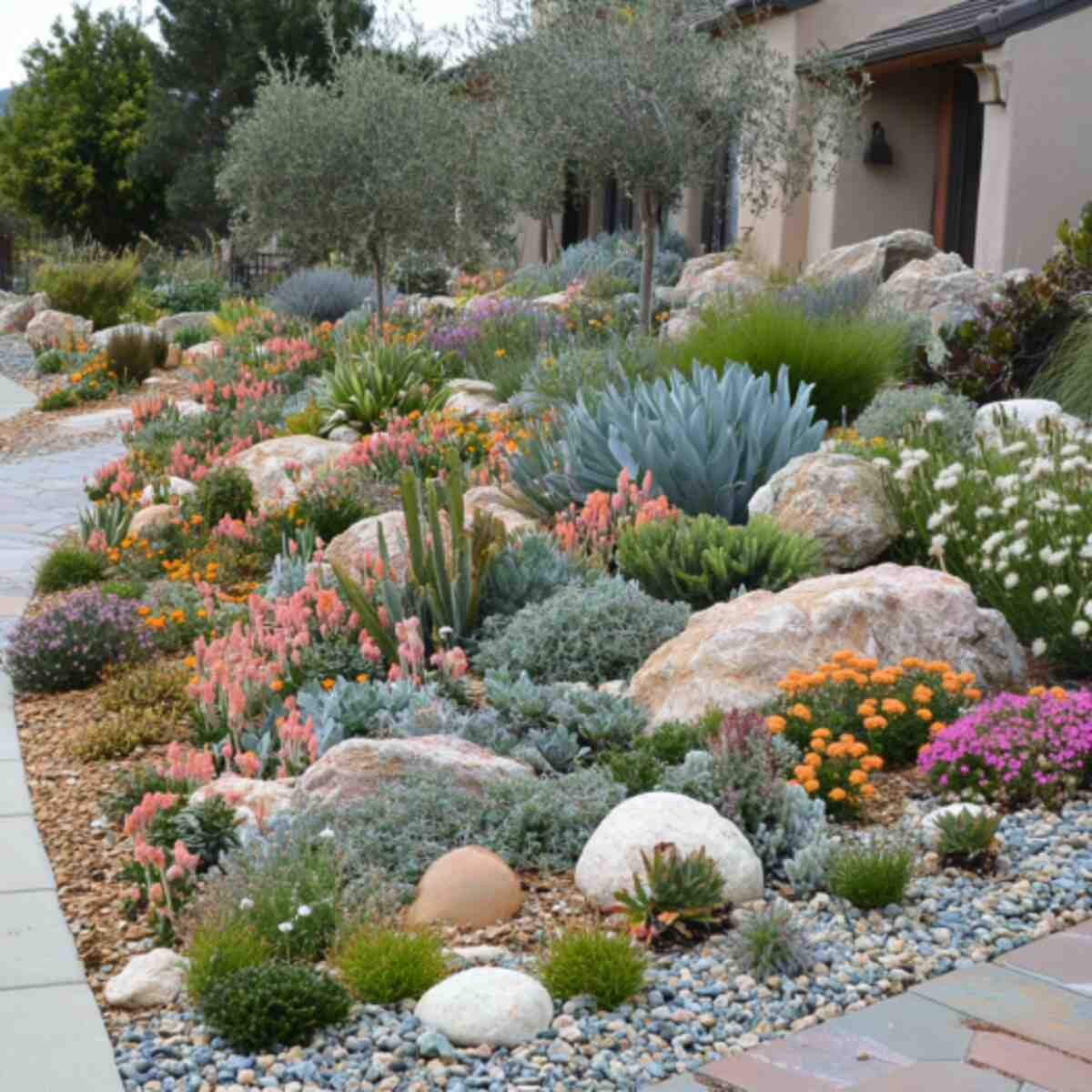
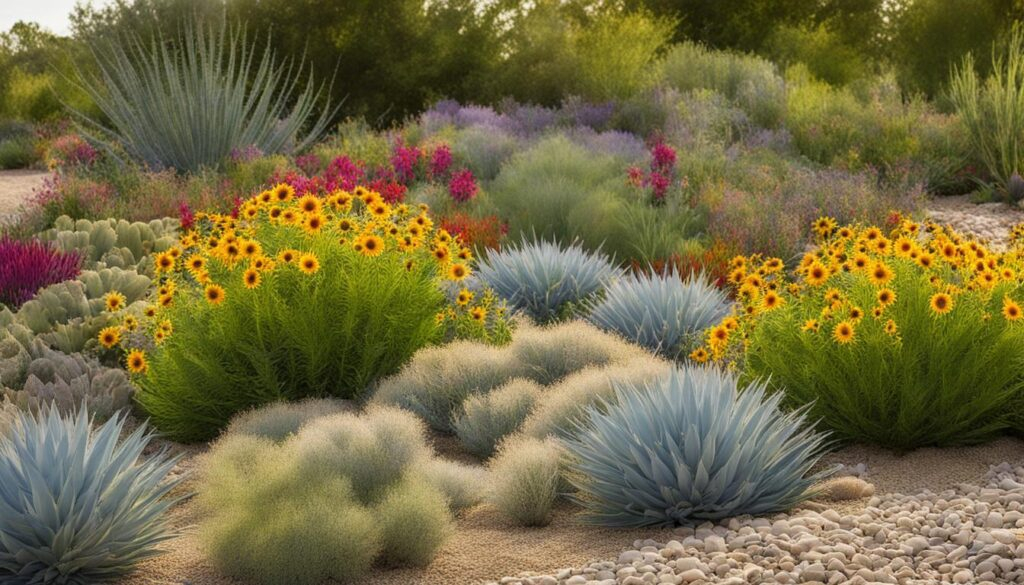
So, what should you use instead? Go inorganic. Gravel, crushed stone, decomposed granite, or even river rocks are your best friends here. These materials don’t hold water against the crown of the plant. They allow air to circulate. They also reflect heat, which many sun-loving Mediterranean or desert plants adore. Plus, they look fantastic. There’s a clean, modern aesthetic to stone mulch that complements the architectural shapes of succulents and ornamental grasses.
If you absolutely must use organic mulch, keep it thin and pull it back at least three inches from the base of every plant. Create a "donut hole" of bare soil around the stem. This prevents moisture buildup right where the plant is most vulnerable. I’ve seen so many gardens ruined by piling mulch up against the stems like a volcano. Don’t do it. Keep the crown dry. Keep the roots cool, sure, but let the neck breathe. It’s a small detail, but it makes a massive difference in longevity.
Crowding for Instant Gratification
We all want that full, lush look right away. Nurseries know this, so they sell us on spacing guidelines that look sparse initially. You buy five lavender plants, and the tag says "space 3 feet apart." You look at the tiny 4-inch pots, then at the big empty space, and think, "That’s ridiculous." So you plant them 18 inches apart. It looks great for the first year. Maybe even the second. But by year three, it’s a tangled mess of competition.
Drought-resistant plants often grow wider than they do tall. They need airflow. When they’re crammed together, humidity gets trapped between the leaves. This invites powdery mildew and other fungal diseases. Also, their roots compete for the limited water and nutrients in the soil. Instead of thriving, they struggle. They become leggy, reaching for light, and lose their compact, attractive shape. In 2026, with plant prices rising, replacing dead plants is costly. Proper spacing is an investment in their future health.
Patience is hard, I get it. But here’s a trick: use annuals or temporary fillers in the gaps while your perennials grow. Plant some drought-tolerant annuals like cosmos or zinnias in the spaces. They’ll fill the void with color for a season or two, then die back, leaving room for your permanent plants to expand naturally. This way, you get the instant gratification without sacrificing the long-term health of your bed. Let them breathe. Let them spread. They’ll reward you with a healthier, more robust display.
Pruning at the Wrong Time (or Not at All)
Many people assume that because these plants are "low maintenance," they don’t need pruning. Wrong. Or, they prune at the wrong time, cutting off next year’s blooms or exposing tender growth to frost. Take lavender, for example. If you don’t prune it annually, it becomes woody and bare in the center, eventually splitting open and dying. But if you prune it too late in the fall, the new growth won’t harden off before winter, and it’ll freeze. Timing is everything.
Most drought-tolerant shrubs benefit from a hard prune in early spring, just as new growth begins. This encourages a bushy, compact shape. For ornamental grasses, leave them standing through the winter. They provide insulation for the crown and look beautiful in the frost. Cut them back in late winter or early spring, before the new shoots emerge. Succulents usually need little pruning, but deadheading spent flowers keeps them looking tidy and prevents energy waste.
I’ve seen gorgeous Russian Sage cut to the ground in October, only to die from winter cold. The owner thought they were "cleaning up." Instead, they removed the protective structure. Learn the specific needs of each plant. Some, like Ceanothus, hate being cut back into old wood. Others, like Salvia, love a haircut. A little research goes a long way. Don’t just hack away. Understand the rhythm of the plant. Work with its cycle, not against it. It’s a partnership, not a dictatorship.
Choosing the Wrong Microclimate
Just because a plant is "drought tolerant" doesn’t mean it loves scorching, all-day sun. Many Mediterranean plants, like certain Heucheras or Ferns, prefer afternoon shade. Conversely, some desert plants need intense, direct light to maintain their form and color. Placing a sun-lover in the shade results in etiolation—stretching, pale, weak growth. Placing a shade-lover in full sun leads to scorched leaves and stress. Microclimates matter. A south-facing wall reflects heat and creates a hot spot. A north-facing corner stays cool and damp.
In 2026, as urban heat islands intensify, understanding these microclimates is crucial. That spot under the eaves might be dry, but it might also be a rain shadow, receiving zero natural water. Or it might be a drip zone, getting soaked every time it rains. Observe your garden throughout the day. Where does the sun hit hardest? Where does the wind blow? Where does water pool? Match the plant to the spot, not just the general label.
Don’t be afraid to move a plant if it’s struggling. I’ve dug up and relocated countless plants that were just in the wrong spot. One year, I had a beautiful Agave that was rotting. I realized it was in a low spot where runoff collected. I moved it ten feet uphill to a rocky, exposed ridge. It doubled in size the next year. Sometimes, the problem isn’t the care. It’s the location. Listen to what the plant is telling you. If it’s unhappy, check the light and the water flow. Adjust accordingly.
Gardening is a journey, not a destination. Mistakes happen. Plants die. It’s part of the process. The key is to observe, learn, and adapt. Don’t get discouraged if your first attempt at a drought-resistant bed isn’t perfect. Even experts kill plants. The difference is, we pay attention to why. Did it rot? Was it too wet? Did it stretch? Was it too shady? Each failure is a lesson.
By avoiding these common pitfalls—overwatering, poor drainage, wrong mulch, crowding, bad pruning, and incorrect placement—you’re already ahead of the curve. You’re creating a garden that works with nature, not against it. A garden that saves water, saves money, and supports local ecosystems. In 2026, that’s not just nice. It’s necessary.
So, take a deep breath. Look at your beds. Identify where you might be going wrong. Make one change at a time. Pull back the mulch. Check the drainage. Wait to water. Your plants will thank you. And you’ll find yourself spending less time worrying and more time enjoying the beauty of a resilient, thriving landscape. It’s worth the effort. Really.