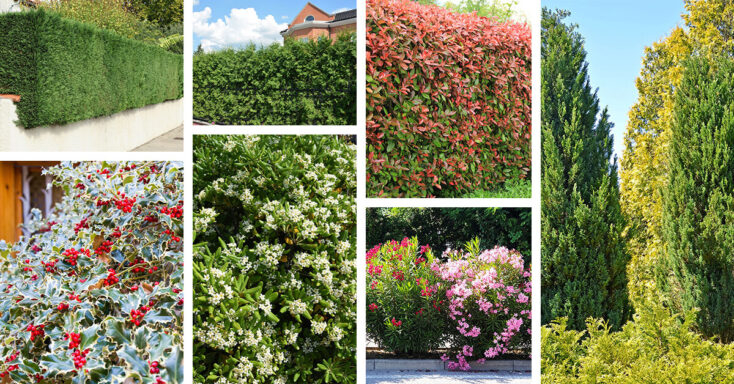

Ever felt like your neighbors were watching your every move while you tried to enjoy a quiet cup of coffee on your patio? It’s a universal frustration. We all crave that little slice of solitude, a visual barrier that says "this is my space," but what do you do when your yard is the size of a postage stamp? You can’t exactly plant a forest. And let’s be honest, waiting ten years for a slow-growing oak to block the view isn’t an option when you need privacy now.
The good news is that horticulture has come a long way. By 2026, we’ve seen a surge in dwarf varieties and columnar plants specifically bred for tight spaces. These aren’t just any bushes; they are strategic, fast-acting green walls that respect your square footage. This guide cuts through the noise to show you exactly which plants deliver on their promises, keeping your yard intimate, lush, and private without turning it into a jungle you can’t manage.
Why Speed and Size Matter in Modern Landscaping
Let’s talk reality for a second. Most urban and suburban lots have shrunk. In 2026, the average new build has less outdoor space than ever before. This means the old advice of "plant it and forget it" doesn’t work. You need precision. Fast-growing shrubs are tempting because they offer immediate gratification, but in a small yard, speed can be a double-edged sword. If a plant grows too wide, it eats up your usable lawn or patio area. If it grows too tall, it might block light to your own windows or violate local height ordinances.
The key is finding the "Goldilocks" zone: plants that grow vertically rather than horizontally. Columnar habits are your best friend here. They shoot up towards the sky, creating a high screen with a tiny footprint on the ground. This allows you to maintain a functional yard for kids, pets, or dining while still blocking out the prying eyes of the house next door. It’s about working smarter, not harder, with the space you have.
Also, consider the maintenance factor. A fast grower in a small space needs trimming. If you pick a wild, unruly species, you’ll spend every weekend fighting it back. The best choices for 2026 are those that respond well to pruning and hold their shape. You want a partner in your garden, not a adversary. Choosing the right plant means less stress and more time actually enjoying that privacy you worked so hard to create.
The Evergreen Workhorses: Year-Round Screening
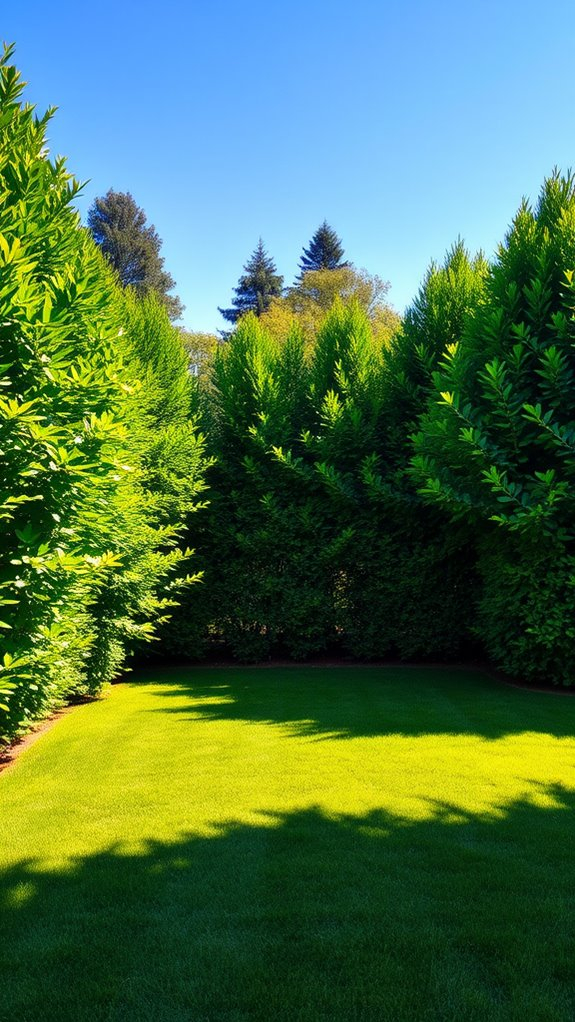
When people think of privacy, they usually picture dense, dark green walls that stay put even in the dead of winter. For this, nothing beats the classic evergreens, but we have to be careful. Traditional Arborvitae can get massive. Instead, look at the ‘Emerald Green’ Arborvitae or the newer ‘Degroot’s Spire’. These guys are narrow, tough, and grow about 12 to 18 inches a year once established. They are the reliable sedans of the plant world. Not flashy, but they get the job done reliably.
Another top contender is the Boxleaf Euonymus (‘Green Spire’). It’s often overlooked, but it’s a superstar for small yards. It’s incredibly dense, meaning no gaps for neighbors to peek through, and it tolerates shade better than many other evergreens. If your small yard is north-facing or gets blocked by a larger building, this might be your only real option for a thick, green screen. Plus, it stays relatively compact, rarely exceeding 4-5 feet in width if you keep it trimmed.
Don’t sleep on the Japanese Holly either. Specifically, the ‘Sky Pencil’ variety. It looks almost artificial because it’s so perfectly columnar. It grows slowly at first but picks up pace. The benefit here is the texture. It’s finer than Arborvitae, giving a more refined, formal look. It’s perfect if your small yard has a modern or minimalist aesthetic. Just remember, these plants need consistent moisture. In the hotter summers we’ve been seeing lately, a drip irrigation system is basically mandatory to keep them looking lush and not stressed.
Flowering Options: Privacy with a Pop of Color
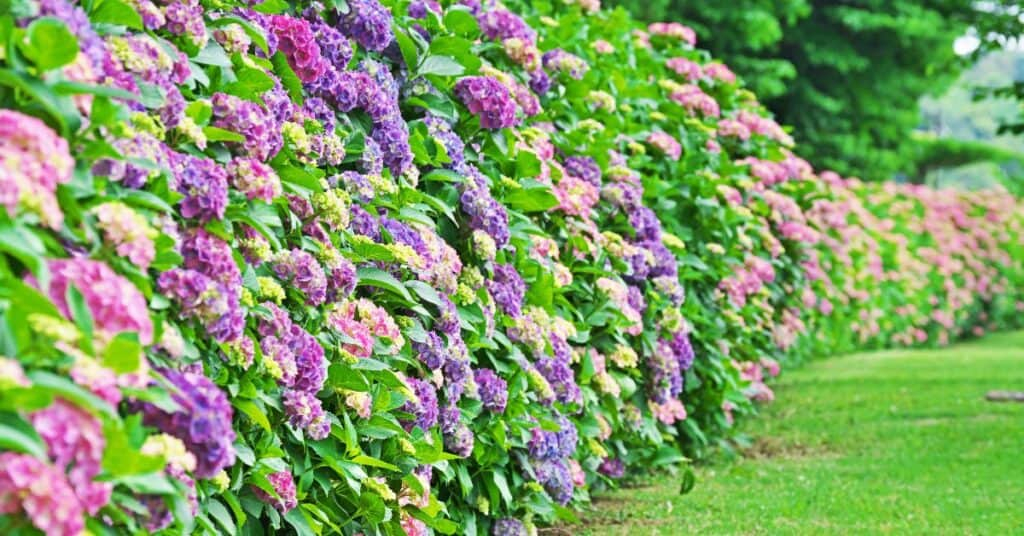
Who said privacy has to be boring green? Adding flowers brings life, attracts pollinators, and makes your secluded spot feel like a retreat rather than a bunker. The Lilac is a classic, but standard ones are too big. Look for the Dwarf Korean Lilac or the Bloomerang series. These rebloom throughout the summer, giving you scent and sight lines blocked simultaneously. They grow fast, often putting on 2 feet a year, and can be kept to 5-6 feet with a simple post-bloom trim.
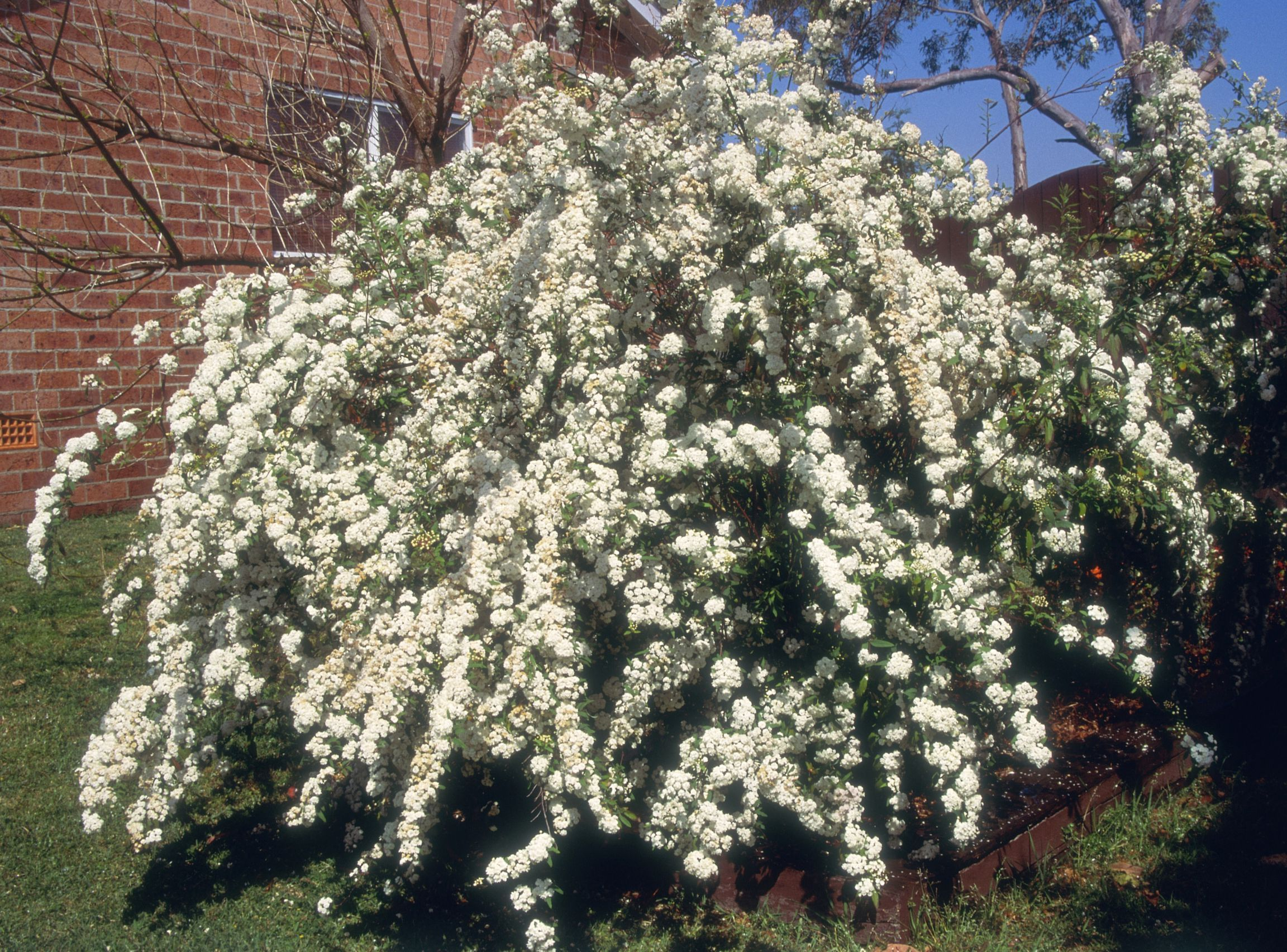
Then there’s the Viburnum. Specifically, the Doublefile Viburnum or the Arrowwood. These are tough as nails. They offer thick foliage that blocks views effectively, and in spring, they explode with white flowers. Some even have beautiful fall color, adding a second season of interest. In small yards, this multi-season appeal is crucial. You don’t have room for plants that look dead for half the year. Viburnums are also generally deer resistant, which is a huge plus depending on where you live.
For a more tropical vibe, consider the Crape Myrtle. While technically a small tree, many gardeners prune it as a large shrub. The ‘Natchez’ or ‘Tuskegee’ varieties grow rapidly and have smooth, peeling bark that looks great in winter when the leaves drop. Yes, they are deciduous, so you lose privacy in winter, but for summer evening dinners, they are unmatched. They love heat and sun, making them ideal for those exposed, hot small yards that bake in the afternoon. Just make sure to give them room to breathe; they hate being crowded.
The Bamboo Alternative: Grasses That Act Like Shrubs
Okay, full disclosure: Bamboo is technically a grass, not a shrub. But for privacy purposes, it behaves like the ultimate fast-growing hedge. Nothing else comes close to its speed. Some varieties can grow several feet in a single season. For small yards, however, you must be careful. Clumping bamboo is the only way to go. Running bamboo will take over your yard, your neighbor’s yard, and possibly the entire block. Do not risk it.
Look for ‘Fargesia’ species, like ‘Fargesia rufa’ or ‘Fargesia robusta’. These are clumpers. They stay in a tight bunch, growing upwards and outwards slowly, but densely. They create a beautiful, swaying screen that sounds amazing in the wind. It’s a sensory experience as much as a visual one. In 2026, with noise pollution being a bigger concern in dense housing areas, the sound-dampening quality of bamboo is a major selling point.
The downside? They are thirsty. Bamboo needs lots of water, especially in containers or restricted soil volumes typical of small yards. If you let them dry out, the leaves curl and look terrible. Also, they can be invasive if not monitored, even clumpers can spread eventually. Installing a root barrier is a smart precaution, even with clumping types. It’s a bit more upfront work, but it saves you from a nightmare scenario later. If you can handle the watering, the payoff is instant, exotic privacy.
Native Choices: Eco-Friendly and Low Maintenance
There’s a growing movement in 2026 towards native landscaping. It’s not just a trend; it’s a necessity for local ecosystems. Native plants are adapted to your local climate, meaning they need less water, less fertilizer, and less coddling. For privacy, consider the Inkberry Holly (Ilex glabra). It’s native to many parts of North America, stays green all year, and provides berries for birds. It’s denser than many non-native hollies and handles wet soil well, which is common in small, urban lots with poor drainage.
Another great native is the Red Twig Dogwood. While it loses its leaves, the bright red stems in winter provide a stunning visual barrier and aesthetic appeal. It grows very fast, often 3-5 feet a year. You can cut it back hard every few years to keep it small and encourage the brightest new growth. It’s incredibly forgiving. If you’re a beginner gardener or just busy, this is a safe bet. It thrives in neglect, mostly.
Native Willow Shrubs, like the Dwarf Arctic Willow, are also fantastic. They form a thicket quickly, blocking views effectively. They love sun and moisture. The silver undersides of the leaves catch the light beautifully. By choosing natives, you’re also supporting local bees and butterflies. Your privacy screen becomes a habitat. It feels good to know your seclusion isn’t coming at the cost of the environment. Plus, local nurseries are stocking more of these now, making them easier to find than ever before.
Picking the plant is only half the battle. How you plant it determines success. In small yards, every inch counts. Don’t just dig a hole and drop the plant in. Think in layers. Use a "staggered" planting pattern if you have a bit of depth. Instead of a single straight line, plant in a zig-zag. This creates a thicker visual block with fewer plants because the gaps in one row are covered by the plants in the other. It’s a classic trick that maximizes density.
Soil preparation is non-negotiable. Fast growers are hungry. They need good soil to fuel that rapid growth. Amend your planting holes with compost. Not just a handful, but mix it in thoroughly. If your soil is clay-heavy, add gypsum or organic matter to break it up. If it’s sandy, add peat moss to retain moisture. A fast-growing plant in poor soil will stall out, leaving you with sparse, leggy specimens that offer zero privacy. Spend time on the foundation, and the rest follows.
Finally, consider container gardening for ultimate flexibility. If you rent or have a paved patio, large pots with columnar shrubs like ‘Sky Pencil’ Holly or Dwarf Alberta Spruce can create movable privacy walls. You can shift them to block the sun in summer or move them out of the way for winter light. Use high-quality potting mix and ensure pots have drainage holes. Watering will be more frequent, but the control you gain over the placement is worth it. It allows you to test different configurations until you find the perfect setup for your specific view issues.
Creating a private oasis in a small yard is entirely possible. It just requires picking the right tools for the job. Whether you choose the steadfast reliability of an Emerald Green Arborvitae, the colorful charm of a Dwarf Lilac, or the exotic sway of Clumping Bamboo, the goal is the same: reclaiming your space. Remember to think vertically, prepare your soil, and be realistic about maintenance. With these strategies, you can turn that exposed patch of land into a secluded sanctuary by next summer.