
You know that feeling when you’re standing in the garden center, staring at bags of mulch that cost more than your lunch? It’s frustrating. We all want our gardens to look lush and vibrant, but the costs add up fast. Especially if you’re growing plants that are a bit picky about their soil. I’m talking about blueberries, azaleas, rhododendrons, and those lovely camellias. They crave acidity. They need it. And buying specialized soil amendments year after year? That’s a budget buster.
But what if I told you there’s a goldmine sitting right under your nose? Or rather, under those towering pines in your yard or your neighbor’s? Pine needles. They’re everywhere. People rake them up and bag them for trash, thinking they’re just messy debris. But to a gardener in 2026, they’re liquid gold. Well, solid gold, technically. They are one of the most underrated, affordable, and effective mulches you can use. And the best part? They’re usually free. Let’s dig into why you should stop seeing them as waste and start seeing them as your garden’s new best friend.
Why Pine Needles Are a Game Changer for Acid Lovers
Let’s clear up a myth right away. You’ve probably heard that pine needles make your soil too acidic. Or that they don’t break down. Both are kinda wrong. Here’s the deal: fresh pine needles do have a lower pH, meaning they are acidic. But as they decompose, that acidity neutralizes somewhat. However, they still maintain a slightly acidic environment on the soil surface, which is exactly what acid-loving plants adore. It’s not about changing the deep soil chemistry overnight; it’s about creating a comfortable microclimate for the roots.
Think of it like a cozy blanket. When you layer pine needles around your blueberry bushes, you’re doing three things at once. First, you’re feeding the soil. As those needles slowly rot, they release nutrients like nitrogen, phosphorus, and potassium back into the earth. Second, you’re keeping the moisture in. Pine needles interlock. They don’t blow away easily like wood chips, and they don’t form a hard crust that water can’t penetrate. Rain slips right through them to the roots below. Third, you’re suppressing weeds. Those pointy needles create a tangled mat that weed seeds struggle to push through. It’s nature’s weed barrier.
In recent years, gardeners have started realizing that sustainability isn’t just a buzzword; it’s a necessity. Using what’s already available reduces waste and cuts down on the carbon footprint of transporting heavy bags of mulch across town. In 2026, with gardening supplies still seeing price fluctuations, sourcing local, free materials is smarter than ever. Plus, pine needles look great. They give your garden beds a clean, uniform, reddish-brown hue that makes green foliage pop. It’s aesthetic and functional. Win-win.
Finding and Gathering Your Free Resource
So, where do you get these magical needles? If you have pine trees on your property, you’re set. Just wait for a windy day or give the lower branches a gentle shake. But what if you don’t have pines? Don’t worry. Check with local parks, golf courses, or even neighbors who might be annoyed by the drop. Most people are happy to let you rake up their "mess" for free. Just ask politely. You’d be surprised how many folks will thank you for cleaning up their yard.
When gathering, timing matters. Late autumn or early spring is ideal. The needles have had time to dry out a bit, making them lighter and easier to handle. Avoid grabbing wet, clumped-up needles if you can, as they’re heavier and can mold if piled too thickly before spreading. Also, try to avoid needles from trees that have been heavily sprayed with pesticides recently, although this is rare for residential pines. If you’re unsure, a quick rinse or just letting them sit in a pile for a few weeks can help break down any surface residues.
There’s a technique to raking them efficiently. Use a leaf rake with flexible tines. Drag it gently over the ground. The needles will catch on the tines without picking up too much dirt or twigs. If you get a lot of debris, don’t stress. A little bit of organic matter is fine. In fact, it helps the decomposition process. Just try to keep it mostly needles. Store them in breathable bags or loose piles until you’re ready to use them. Do not seal them in plastic bins while wet, or you’ll end up with a slimy, smelly mess. Airflow is key.
Prepping the Needles for Maximum Benefit
Before you toss them onto your flower beds, there’s a small step that can make a big difference. Some gardeners swear by chopping or shredding the needles. Is it necessary? No. But does it help? Yes. Whole pine needles take longer to break down. If you run over them with a lawn mower (set high!) or use a leaf shredder, you increase the surface area. This speeds up decomposition and creates a denser mat that suppresses weeds even better. It’s like turning steak into ground beef; it cooks faster.
If you don’t have a shredder, don’t sweat it. Nature will do the work eventually. You can also compost them first. Pine needles are considered "brown" material in composting terms. Mix them with "greens" like grass clippings or kitchen scraps. Let them hot-compost for a season. This accelerates the breakdown and ensures any potential pathogens are killed off. The resulting compost is mild and perfect for mixing into the topsoil of your acid-loving plants. But for pure mulching, raw is fine. Really.
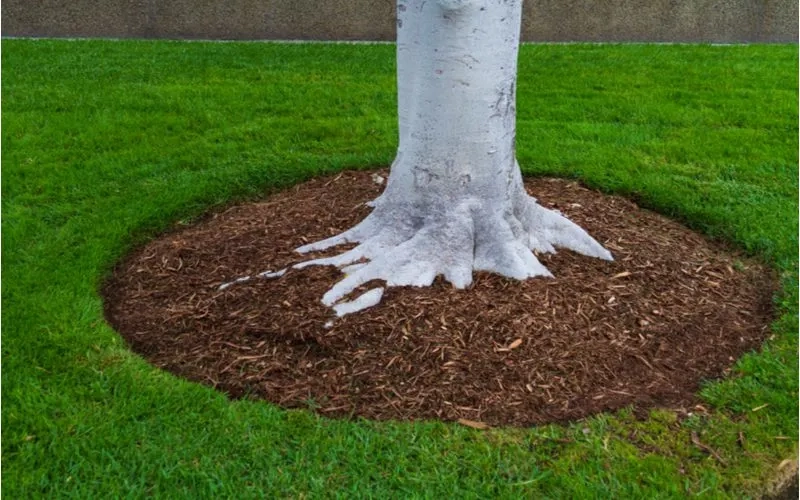
One thing to watch out for is thickness. You don’t want a foot-deep pile. That can suffocate the soil and prevent water from reaching the roots. Aim for a layer about 2 to 4 inches thick. Fluff it up. Don’t pack it down. The goal is airiness. Think of a bird’s nest, not a brick wall. This structure allows earthworms and beneficial microbes to move freely underneath, aerating the soil naturally. If the layer gets too compacted over time, just use a garden fork to gently loosen it up.
Application Techniques for Different Plants
Now, let’s talk placement. You wouldn’t mulch a cactus the same way you mulch a fern, right? Same logic here. For blueberries, which have shallow, fibrous roots, keep the mulch a few inches away from the main stem. Piling it directly against the trunk can cause rot. Create a donut shape. Wide around the drip line (the edge of the branches), thinner near the center. This protects the root zone where the feeder roots are active without choking the plant.
Azaleas and rhododendrons love this stuff. They often grow in clusters. You can mulch the entire bed uniformly. This helps retain the consistent moisture levels these plants crave. In hotter climates, the insulating effect of pine needles keeps the root zone cooler in summer. In colder zones, it acts as an insulator against freeze-thaw cycles that can heave plants out of the ground. It’s a year-round protector. Just refresh the layer annually. The old needles will have broken down somewhat, adding organic matter to the soil, so you’re building soil health every time you add more.
For container plants, pine needles work too, but with caveats. Pots dry out faster. A layer of pine needles on top of the potting mix can help, but make sure it’s not so thick that it prevents watering. Sometimes, wind can blow lightweight needles out of pots. If you’re on a breezy balcony, you might want to mix them with some heavier bark chunks or secure them with a mesh netting underneath. It’s less common, but for large patio planters with acid-lovers like cranberries or certain hydrangeas, it’s a neat trick to keep the soil cool and moist.
Troubleshooting Common Issues
Nothing is perfect, and pine needles aren’t either. One issue people report is nitrogen tie-up. Because pine needles are high in carbon, microbes need nitrogen to break them down. They might pull some nitrogen from the soil surface to do this. Does this starve your plants? Rarely, if you’re mulching established plants. But if you’re planting new seedlings, it’s wise to add a bit of balanced fertilizer or compost underneath the mulch layer. Just a handful per plant. This gives the young roots a boost while the mulch does its job.
Another concern is slugs. Some gardeners worry that the moist environment under the mulch attracts slugs. It can. But pine needles are sharp. Slugs generally dislike crawling over sharp, dry surfaces. So, ironically, pine needle mulch can actually deter slugs compared to soft straw or leaf litter. If you do see slugs, don’t blame the needles immediately. Check for other hiding spots. Often, the benefits outweigh the risks. And if you’re really worried, a thin layer of diatomaceous earth under the needles can add extra protection.
What about fire hazard? In dry, wildfire-prone areas, this is a valid question. Fresh, green needles burn easily. Dry, aged needles less so, but they still contribute to fuel loads. If you live in a high-risk zone, keep mulch layers thinner and keep them well-watered during drought periods. Create defensible space around your home. Don’t pile mulch against your house foundation. Use gravel or stone there instead. Inside the garden beds, away from structures, pine needles are generally safe if managed responsibly. Always check local regulations in 2026, as fire codes can change.
Using pine needles isn’t just a quick fix; it’s a long-term strategy for soil health. Over time, as the needles decompose, they add organic matter to the soil. This improves soil structure. Clay soils become looser and drain better. Sandy soils hold water and nutrients better. It’s the holy grail of gardening. You’re not just feeding the plant; you’re feeding the ecosystem. Earthworms love the environment created by pine needle mulch. Their castings are natural fertilizer. It’s a cycle of life right in your backyard.
Compare this to synthetic mulches or plastic landscape fabric. Those might stop weeds, but they do nothing for the soil. In fact, they can harm it by preventing gas exchange and water infiltration. Pine needles are biodegradable. They return to the earth. There’s no cleanup, no landfill waste. In an era where we’re all trying to be more eco-conscious, this is a small step that feels good. You’re closing the loop. Taking waste and turning it into wealth.
Plus, it saves you money. Let’s do the math. A bag of premium mulch costs $5 to $8. A typical garden bed might need 10 bags. That’s $50 to $80 per bed. Per year. Pine needles? Free. Even if you spend $20 on a good rake, you’ve paid for yourself in one season. Over five years, that’s hundreds of dollars saved. Money you can spend on new plants, better tools, or just a nice cold drink after a day of gardening. It’s practical economics. And in 2026, every dollar counts.
So, next time you see those piles of brown needles, don’t sigh. Smile. Grab a rake. Your blueberries will thank you. Your wallet will thank you. And the planet? It’ll appreciate the reduced waste. Gardening doesn’t have to be expensive or complicated. Sometimes, the best solutions are the ones lying right at our feet. Just waiting to be picked up. Give it a try this season. You might just find that the simplest methods are the most rewarding. Happy gardening.