
Ever stared at the price tag on a bag of premium organic soil and felt your wallet flinch? You’re not alone. Gardening is supposed to be therapeutic, a way to connect with the earth and slow down. But lately, the cost of getting started—or even just keeping up—feels like it’s accelerating faster than weeds in July. In 2026, with supply chain quirks still popping up and inflation leaving its mark on everything from lumber to livestock feed, going it alone is getting harder.
But what if you didn’t have to go it alone? What if you could team up with your neighbors, that gardening club down the street, or even folks from your local online forum to buy in bulk? That’s the magic of the group buy. It’s not just about splitting the bill; it’s about leverage. It’s about turning a lonely, expensive chore into a social event that actually saves you cash. We’ve seen a huge spike in these community-led purchasing pods over the last few years. People are realizing that together, we’re stronger—and significantly cheaper.
Finding Your Tribe and Setting the Ground Rules
Before you can buy anything, you need people. And not just any people—you need reliable ones. Start small. Maybe it’s the three houses on your cul-de-sac that all grow tomatoes. Or perhaps it’s a thread in your local neighborhood app where someone mentioned they were looking for raised bed kits. The key here is trust. You’re dealing with money, logistics, and potentially heavy, messy items. You don’t want to end up chasing down someone who promised to pay their share of the compost delivery.
Once you have a core group, lay out the rules early. It sounds boring, I know. Nobody wants to write a contract for buying mulch. But a simple written agreement—even just a pinned message in a group chat—saves headaches later. Decide who is collecting the money. Is it one person who fronts the cost and gets reimbursed? Or does everyone Venmo their share before the order is placed? In my experience, collecting funds upfront is the only way to sleep at night. It avoids the awkward "hey, can you pay me back?" conversations that can sour a friendship faster than a blight on your squash plants.
Also, define the scope. Are you buying just seeds? Heavy equipment? Bulk soil? Mixing light items like seed packets with heavy stuff like pavers creates logistical nightmares. Keep the first few buys simple. Stick to one type of supplier if possible. This keeps the shipping costs predictable and the coordination manageable. Remember, the goal is to make gardening easier, not to start a second job as a logistics manager.
Choosing the Right Products for Bulk Savings
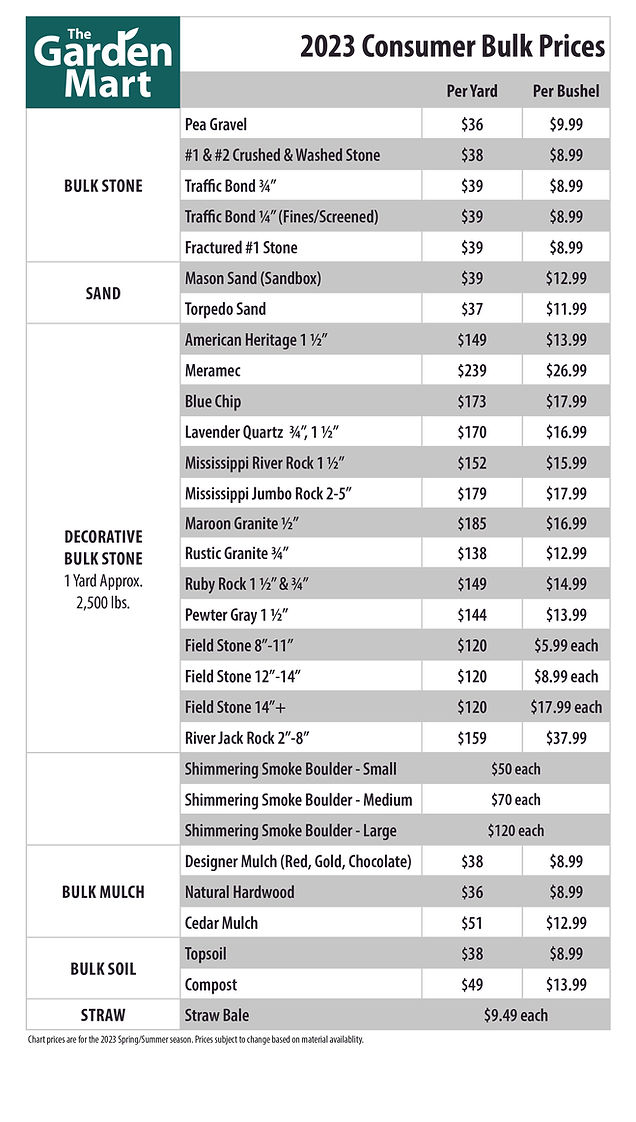
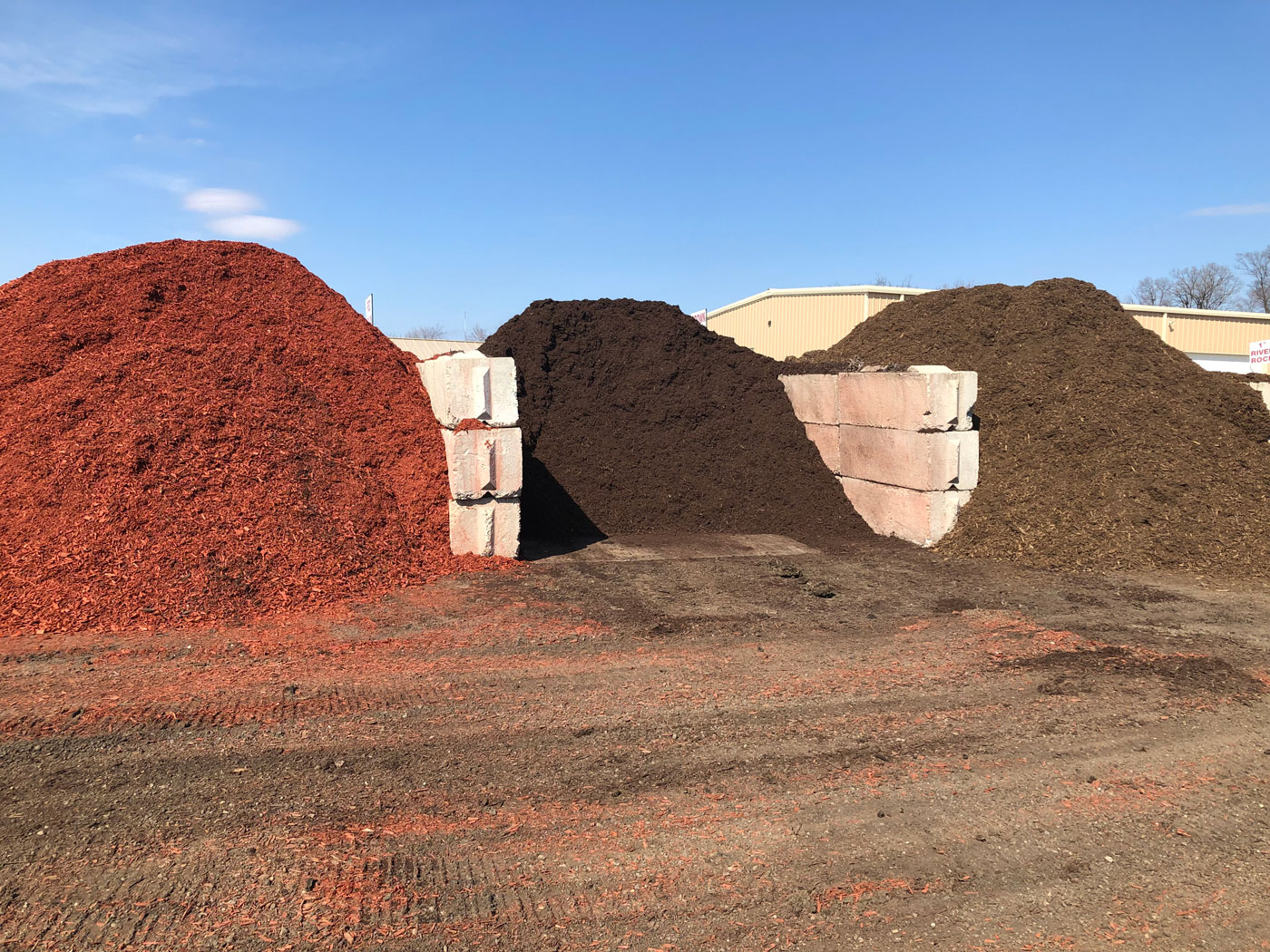
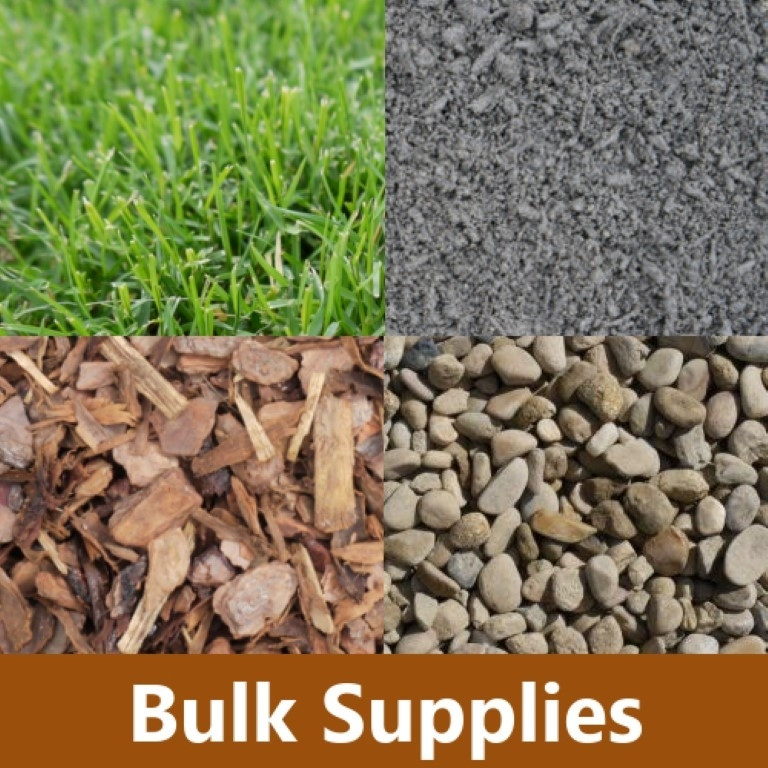
Not every garden item is worth the hassle of a group buy. Small, lightweight items like individual trowels or packets of basil seeds often cost more in administrative time than you save in bulk discounts. You want to focus on the heavy hitters. The things that eat up your budget. Think cubic yards of soil, bags of mulch, large rolls of landscape fabric, or bundles of fencing materials. These are items where volume discounts are real and significant.
In 2026, we’re also seeing a rise in group buys for shared infrastructure. Things like communal composting bins, high-end irrigation timers, or even small greenhouse kits. These are higher-ticket items that might be out of reach for a single gardener but become affordable when split four or five ways. Look for products that have a high shipping cost relative to their price. By consolidating shipments, you’re not just saving on the item cost; you’re slashing those dreaded freight fees that can double the price of a bag of fertilizer.
Do your homework on quality, though. Just because it’s cheap doesn’t mean it’s good. If you’re buying soil in bulk, make sure everyone agrees on the brand and mix. You don’t want half the group getting premium potting mix and the other half getting cheap fill dirt. Create a shared document or a clear poll where everyone votes on the specific SKU. Take screenshots of the product details. Misunderstandings here lead to disappointed gardeners and dead plants, which is nobody’s idea of a good time.
Navigating Logistics and Delivery Day
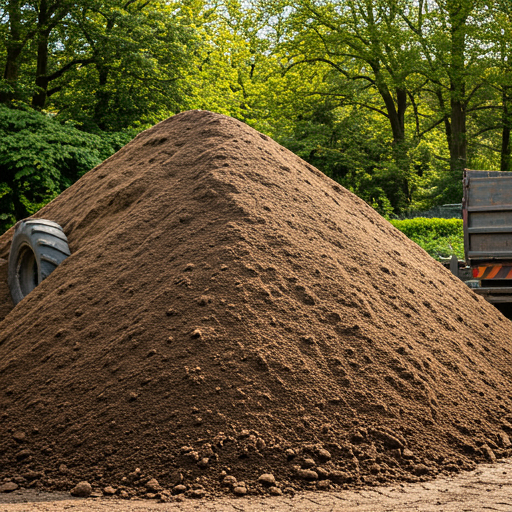
This is where the rubber meets the road, or rather, where the truck meets the driveway. Delivery is the biggest hurdle in group buys. Most bulk suppliers won’t drop off five separate piles of mulch at five different houses. They’ll dump it all in one spot. So, where is that spot? You need a central location that is accessible to a large truck. A wide driveway, a community center parking lot, or a street with no parking restrictions on delivery day.
Coordinate the timing carefully. Everyone needs to be available, or at least have a plan for pickup. If the delivery is dropping off twenty 40-pound bags of soil, you need bodies to move them. Make it an event. Provide cold drinks. Put on some music. Turn the unloading into a neighborhood hangout. It transforms a chore into a bonding experience. Plus, if someone can’t make it, they know they owe the group a favor (or a six-pack) for helping haul their share.
Be prepared for hiccups. Trucks run late. Drivers get lost. Bags tear. Have a contingency plan. Who has a wheelbarrow? Who has a dolly? Make sure these tools are ready to go. Also, check the weather. Trying to move wet bales of peat moss is a miserable experience that no amount of camaraderie can fix. If rain is forecasted, have tarps ready or reschedule. Communication is key here. Keep the group chat active on delivery day so everyone knows exactly when the truck is arriving.
Managing Money and Keeping Transparency High
Money talks, but transparency whispers sweet nothings. Nothing kills a group buy faster than suspicion about where the money went. Even if you’re best friends with everyone involved, keep meticulous records. Use a free spreadsheet or a dedicated app to track who paid what, when, and for which items. Share this document with the group. Let them see the receipts. Let them see the shipping costs. When people see the actual numbers, they appreciate the effort more and trust the process.
Consider using payment platforms that allow for easy splitting and tracking. In 2026, there are plenty of apps designed specifically for group expenses. They send automatic reminders to people who haven’t paid, which takes the pressure off you, the organizer. You become the facilitator, not the debt collector. This is crucial for maintaining good vibes. If someone is late with payment, let the app handle the nagging. You stay the friendly neighbor who just wants everyone to have nice gardens.
What about leftovers? Sometimes you buy a pallet of pots and only need 90% of them. What happens to the rest? Decide this beforehand. Do you sell the extras at cost to others? Do you donate them to a local school garden? Or do you rotate who gets the leftover bonus in future buys? Having a pre-agreed policy for surplus prevents arguments later. It’s better to give away a few extra pots than to argue over who owes $3.50.
Handling Disputes and Quality Issues
Even with the best planning, things go wrong. A bag arrives ripped. The wrong color fence posts show up. The seeds don’t germinate. When issues arise, you need a clear protocol for handling returns or complaints. Usually, the person who placed the order is the point of contact for the supplier. But the group should decide together how to handle it. Do you split the loss? Do you try to return the whole batch?
Communication with the supplier is easier when you speak as a unit. A single email from "The Oak Street Garden Collective" carries more weight than five angry emails from individuals. Document everything with photos. Take pictures of the damage before anyone moves anything. Most reputable suppliers will make it right if you have proof. But remember, patience is a virtue. Bureaucracy moves slowly. Don’t let a minor issue ruin the spirit of the group.
If a member of the group is unhappy with the product, listen to them. Validate their frustration. But also remind them of the savings they achieved. Perspective helps. If the quality was truly unacceptable, agree as a group never to buy from that vendor again. Vote with your wallet. The power of the group buy isn’t just in the purchase; it’s in the feedback loop. You become a smarter, more discerning buyer together.
A successful group buy shouldn’t be a one-off event. It’s the seed for something bigger. Once you’ve successfully navigated one purchase, the trust builds. People see the value. They see the savings. And they see the fun. Use that momentum to plan the next one. Maybe next season you tackle a joint order of fruit trees. Or perhaps you organize a tool-sharing library. The possibilities expand as the group solidifies.
Celebrate the wins. Share photos of the gardens that benefited from the group buy. Post before-and-after shots of the raised beds built with the discounted lumber. Highlight the community aspect. This reinforces the positive behavior and encourages others to join in. In 2026, community resilience is a hot topic. People are craving connection. Your garden group becomes a microcosm of that larger desire. It’s not just about plants; it’s about people.
Keep the barrier to entry low. Welcome new members. Explain the process to newcomers so they don’t feel intimidated. A growing group means more buying power, which means better deals. But keep it manageable. If it gets too big, consider splitting into smaller pods based on location or interest. The goal is sustainable community building, not bureaucratic bloat. Keep it loose, keep it friendly, and keep digging.
So, there you have it. Coordinating a group buy for garden supplies isn’t rocket science. It’s mostly about communication, trust, and a little bit of organization. It’s about recognizing that we’re all trying to grow something beautiful in a world that can feel a bit chaotic. By pooling our resources, we save money, sure. But we also save each other from the isolation of solo gardening. We share the load, literally and figuratively.
Start small. Pick one item. Find two neighbors. Send that text. You might be surprised by how many people are waiting for someone else to take the first step. The soil is waiting. The seeds are ready. And your community is closer than you think. Happy gardening, and happy saving.