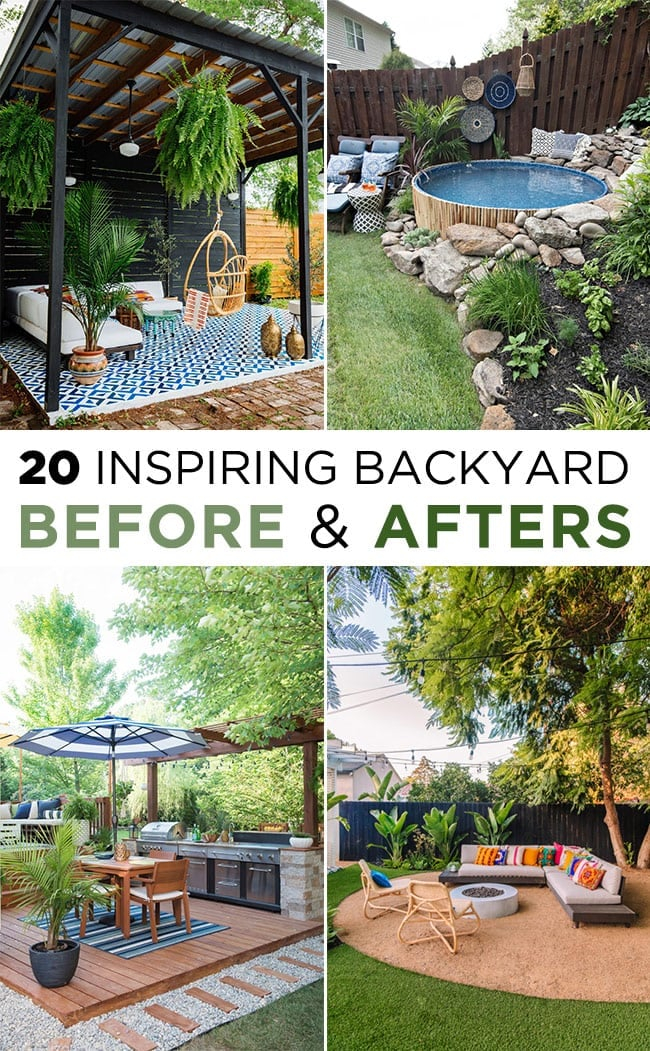

You’ve probably stared at that overgrown patch of grass or that cracked patio for months, maybe even years. It’s calling your name. But then you look at your bank account, and suddenly, the dream of an outdoor oasis feels like a distant fantasy. We get it. Inflation has been a stubborn beast lately, and the cost of materials in 2026 isn’t exactly helping anyone’s wallet. You might think hiring a pro is out of the question, or that you have to settle for cheap, plastic-looking furniture that fades after one summer.
But here’s the thing: landscape designers aren’t trying to drain your savings. In fact, most of them are genuinely frustrated when clients blow their budget on the wrong things. They wish you knew that a stunning backyard doesn’t require a second mortgage. It requires strategy. It requires knowing where to splurge and, more importantly, where to pinch pennies. This isn’t about cutting corners until the whole thing falls apart. It’s about being smart. It’s about working with nature instead of fighting it. And honestly? It’s about realizing that some of the best design elements are free or dirt cheap if you know how to look.
Stop Fighting the Slope (and Other Site Realities)
One of the biggest money pits in any renovation is earthwork. Moving dirt is expensive. Like, really expensive. If your yard has a significant slope, your instinct might be to flatten it all out to create a perfect, level lawn. Don’t do it. Grading requires heavy machinery, permits, and hours of labor. Instead, embrace the topography you already have. Designers love a terraced garden because it adds visual interest and depth without the massive cost of leveling.
Think about it. A sloped yard offers natural drainage, which saves you from installing complex irrigation or French drains later on. You can use retaining walls made from local stone or even recycled concrete blocks to create planting beds. These beds hold soil better than a flat lawn and give you more room for flowers, veggies, or shrubs. By working with the land, you’re not just saving thousands on excavation; you’re creating a space that feels intentional and grounded. It looks like it belongs there, rather than like you forced it into submission.
Also, pay attention to where the sun hits. Planting a shade-loving fern in a scorching south-facing spot is a recipe for disaster—and wasted cash. You’ll spend a fortune replacing dead plants. Map out your sun patterns before you buy a single seedling. Put your seating area where the afternoon breeze hits, not where the wind tunnels through. These small observations cost nothing but save you from costly mistakes down the road. It’s basic stuff, but you’d be surprised how many people skip this step.
The "Big Ticket" Illusion: Hardscape vs. Softscape
We live in an era of Instagram-perfect patios. You see those sleek, large-format porcelain pavers and think, "I need that." But hardscaping—patios, walkways, walls—is typically the most expensive part of any landscape project. In 2026, material costs for high-end stone have stabilized but remain high due to transport fees. Designers wish you knew that you don’t need acres of paved surface to have a functional space.
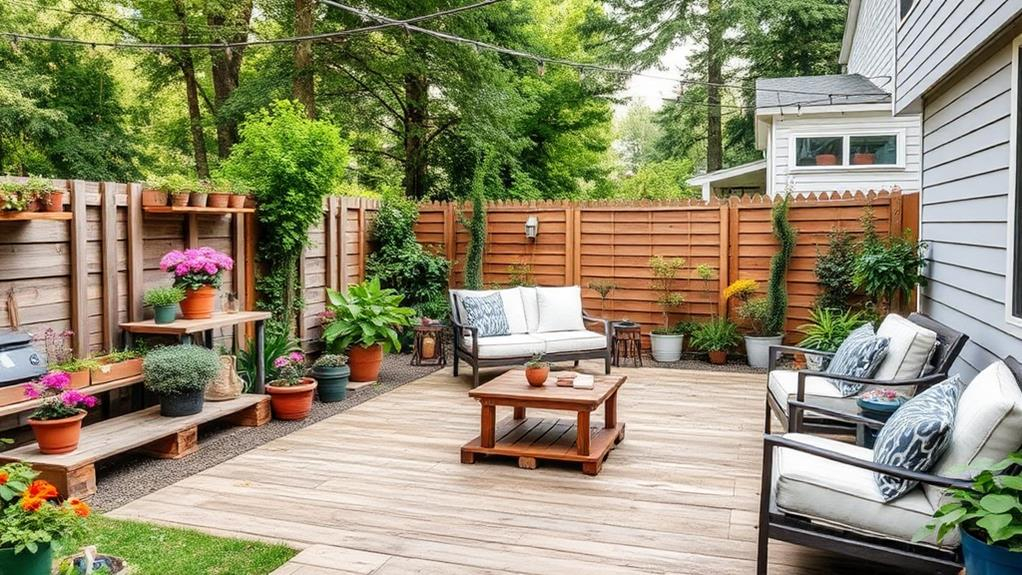
Consider reducing the size of your hardscape. Do you really need a 20×20 patio? Or would a 10×10 dining zone connected by stepping stones work just as well? Smaller hardscape areas mean less material and less labor. Fill the rest with softscape—plants, mulch, gravel. Gravel is incredibly cheap and drains well. It creates a nice crunch underfoot and looks rustic and charming. You can even mix materials. Use expensive pavers for the main seating area and transition to decomposed granite for the pathways. Your eye will focus on the nice bits, and your wallet will thank you.
Another trick? Phase your hardscape. Build the essential patio now. Leave the fire pit area or the secondary pathway for next year. Many homeowners try to do everything at once, go into debt, and then regret it. A phased approach allows you to spread the cost over time. It also lets you live in the space and see what you actually need. Maybe you realize you never use that far corner, so you can plant trees there instead of paving it. Flexibility is your friend.
Plants: Go Small, Go Native, Go Seeds
There is a temptation to buy instant gratification. You want the five-foot tree and the fully bloomed shrub so your yard looks "done" immediately. But mature plants carry a premium price tag. A three-gallon pot of lavender costs a fraction of a five-gallon one, and it will catch up in size within a season or two. Patience is literally money-saving here. Designers often specify smaller caliper trees because they establish roots faster and suffer less transplant shock. They grow healthier and stronger in the long run.
And please, for the love of greenery, go native. Non-native exotic plants often require specific care, extra water, and special fertilizers to survive in your climate. Native plants are adapted to your local weather and soil. They need less water, less fuss, and fewer chemicals. In many regions, there are rebates available in 2026 for replacing thirsty lawns with native drought-tolerant landscapes. Check with your local utility company. You could get cash back just for ripping out grass.
Don’t sleep on seeds either. Starting perennials from seed is dirt cheap. Yes, it takes longer. But sowing a packet of wildflower mix or coneflower seeds costs maybe five dollars. Buying ten established plants costs fifty or more. If you start them indoors or in a protected nursery bed, you can fill huge areas for pennies. It’s a bit of work, sure, but it’s rewarding. Plus, you get bragging rights. "I grew that," sounds way cooler than "I bought that."
The DIY Danger Zone: Know Your Limits
Let’s be real. Some things you should never DIY. Electrical wiring for outdoor lighting? Gas lines for a fire pit? Structural retaining walls over three feet high? Leave those to the pros. One mistake here can cost you tens of thousands in repairs or, worse, cause injury. Designers aren’t trying to gatekeep; they’re trying to keep you safe and insured. However, there is a massive middle ground where your sweat equity can save you big bucks.
Painting, planting, mulching, and assembling furniture are all great DIY tasks. You can save hundreds by doing the prep work yourself. Clear the site. Remove old debris. Dig the holes for the plants before the landscaper arrives. If you hire a crew for installation, tell them you’ll handle the cleanup. Labor is the biggest cost in any contract. By reducing the hours they need to be on-site, you lower the bill significantly. Just make sure you communicate this clearly upfront.
Also, consider renting tools instead of buying them. You don’t need to own a sod cutter or a plate compactor if you’re only using it once. Rental yards have improved a lot in recent years, with online booking and delivery options. Renting a high-quality tool for a day is cheaper than buying a cheap one that breaks halfway through the job. It’s smarter, too. You get professional-grade results without the professional-grade price tag. Just watch a few tutorials first. Don’t wing it.
Lighting and Decor: The Power of Less
Outdoor lighting can quickly spiral out of control. You don’t need to light up every leaf on every tree. That looks like an airport runway, not a backyard. Strategic lighting is key. Focus on safety and ambiance. Light the steps. Light the path to the bathroom. Light the tree that casts a cool shadow on the patio. Use LED fixtures exclusively. They last forever and use a tiny amount of electricity. In 2026, solar technology has improved dramatically, too. High-quality solar lights are no longer the dim, flickering disappointments of the past. They can be a viable, zero-wiring option for accent lighting.
When it comes to decor, less is more. A cluttered yard feels small and cheap. A few well-chosen pieces feel luxurious. Skip the matching set from the big-box store. Mix and match. Find a vintage metal chair at a flea market. Paint it a bold color. Pair it with a simple wooden bench. It adds character. It tells a story. And it costs a fraction of the price of a new set.
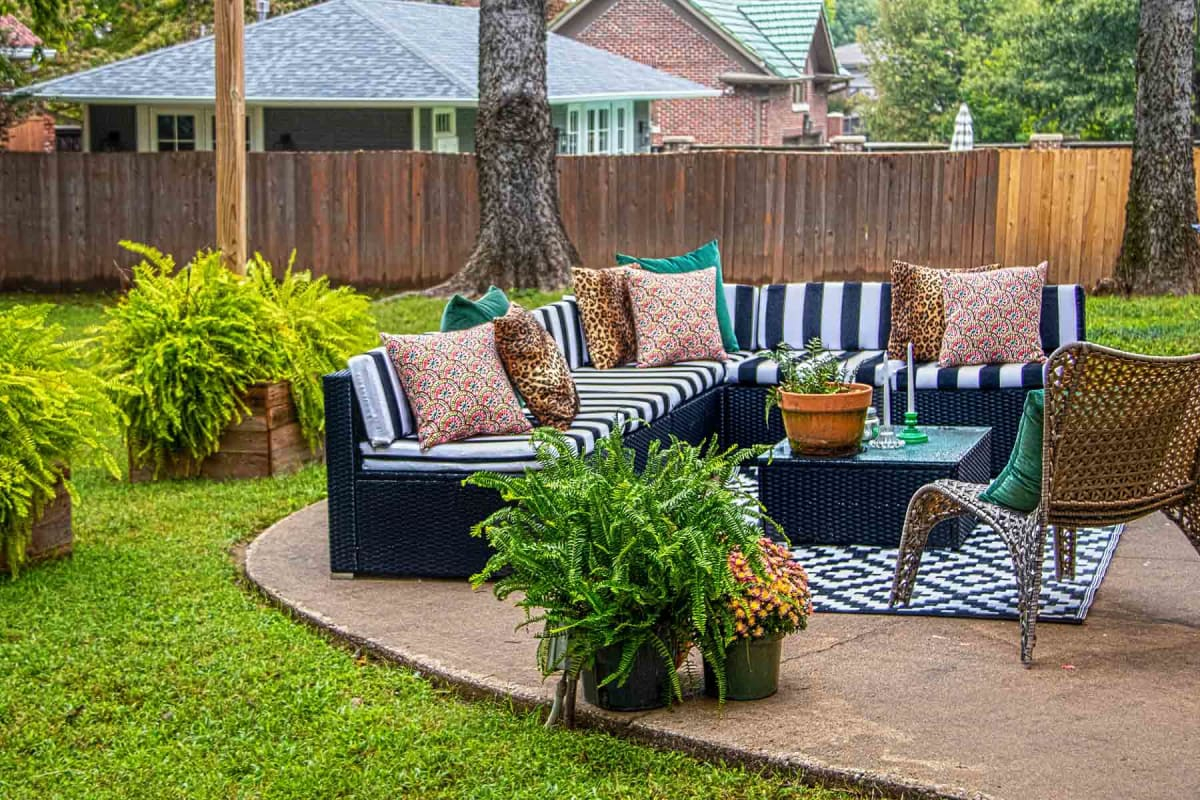
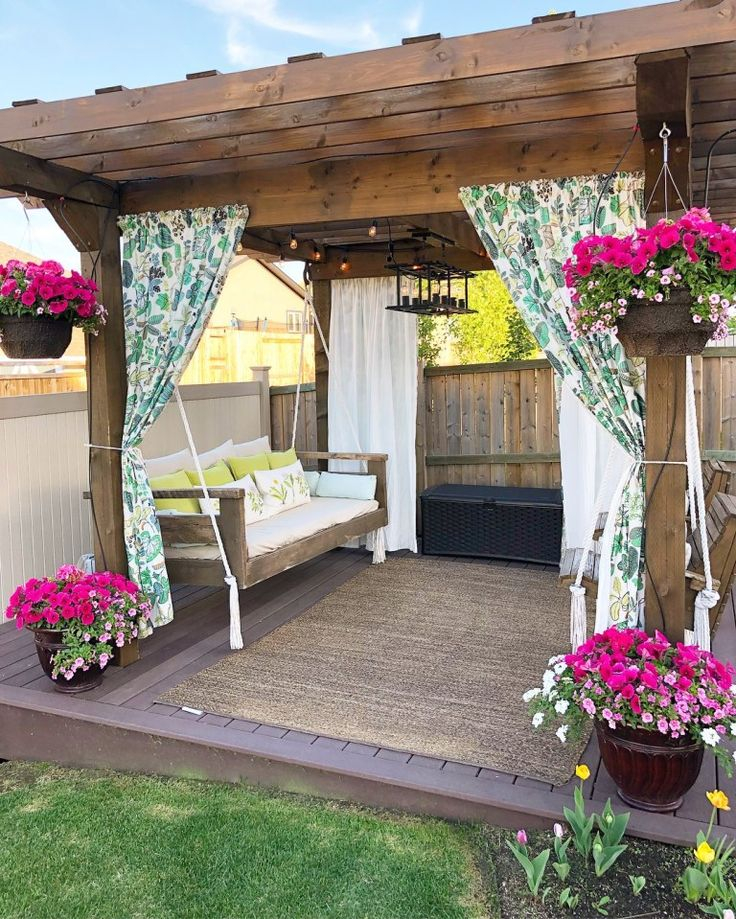
Textiles matter, too. Outdoor rugs and cushions define spaces. But don’t buy the most expensive ones if you have pets or kids. Look for durable, washable fabrics. Store them during the harsh winter months to extend their life. A little care goes a long way. And remember, plants are the best decor. A lush border of greenery softens hard edges and makes any space feel finished. It’s the cheapest accessory you can buy.
When you schedule your project matters as much as what you build. Spring is the busiest season for landscapers. Demand is high, and prices reflect that. If you can wait until late summer or early fall, you might find contractors more willing to negotiate. They’re looking to fill their schedules before winter hits. Plus, planting in the fall is often better for root establishment anyway. The soil is still warm, but the air is cooler, reducing stress on the plants.
Keep an eye out for material sales. Nurseries often discount plants at the end of the season. You can buy perennials and shrubs for 50% off in October. Pot them up and keep them in a sheltered spot over winter, or plant them if your ground doesn’t freeze hard. It’s a bit of a gamble, but the savings are real. Same goes for hardscape materials. Suppliers might have leftover pallets of pavers or wall blocks they want to clear out. Ask around. You might find exactly what you need at a steep discount.
Finally, be flexible with your design. If a certain stone is unavailable or too expensive, be open to alternatives. There’s always another material that looks similar. Designers love clients who are adaptable. It allows them to problem-solve and find creative, cost-effective solutions. Rigidity costs money. Flexibility saves it. So, keep an open mind. Listen to your designer’s suggestions. They’ve seen it all. They know where the deals are. And they want your project to succeed as much as you do.
So, there you have it. Saving money on your backyard renovation isn’t about deprivation. It’s about intention. It’s about looking at your space with fresh eyes and seeing the potential in what’s already there. It’s about choosing plants that thrive, not just survive. It’s about doing some of the work yourself and knowing when to call in the experts. It’s about timing, patience, and a little bit of creativity.
Your backyard should be a place of joy, not a source of financial stress. By following these tips, you can create a space that feels luxurious and personal without breaking the bank. Remember, the best gardens aren’t the ones with the most expensive features. They’re the ones that feel alive. They’re the ones that invite you in. They’re the ones that grow with you. So take a deep breath. Pick up a shovel. Or just sit on the grass and plan. Either way, you’re on your way. And hey, dont forget to enjoy the process. It’s your sanctuary, after all.