
Let’s be honest. Looking at the price tag for traditional fencing these days feels a bit like getting punched in the gut, doesn’t it? You want that cozy, private oasis where you can sip your morning coffee without feeling like you’re on display for the whole neighborhood. But the cost of lumber has stayed stubbornly high, and hiring a pro to install vinyl panels is basically asking for a second mortgage. It’s frustrating. You love your garden, but you hate the idea of spending your entire savings just to keep the neighbor’s dog out of your tomato patch.
But here’s the good news. You don’t need a fortune to create a boundary that looks great and works hard. In 2026, the trend isn’t about big, imposing walls. It’s about creativity. It’s about using what’s around us, repurposing old materials, and thinking outside the box (or rather, outside the picket fence). We’ve seen a huge shift toward sustainable, DIY-friendly options that cost a fraction of the traditional routes. Whether you’re renting and need something temporary or you own your home and want a unique look, there’s a solution that fits your wallet. Let’s dive into five ways to fence your garden that won’t leave your bank account empty.
The Living Wall: Greenery as a Barrier
Why buy wood when you can grow your own fence? Living fences, or hedgerows, are making a massive comeback in 2026. This isn’t just about planting a row of bushes and hoping for the best. It’s about strategic planting. Fast-growing species like bamboo (clumping varieties, please, unless you want a jungle taking over your yard), willow, or even dense shrubs like privet can create a lush, green barrier in just one or two seasons. The beauty here is dual-purpose. You get privacy, sure, but you also get a habitat for birds and bees, which helps your garden thrive. Plus, it absorbs noise and filters the air. Win-win-win.
The cost? Mostly just the price of saplings and some patience. If you’re on a tight budget, look for local plant swaps or community garden giveaways. Many municipalities in 2026 are offering rebates for native plantings because they help with urban heat islands and water retention. Check your local government websites. You might get free plants just for agreeing to keep them alive. And if you’re worried about the time it takes to grow, mix in some temporary solutions. Hang outdoor curtains or use trellises with annual vines like morning glories while your permanent shrubs fill in. It’s a layered approach that looks intentional and chic, not like a half-finished project.
One thing to watch out for is maintenance. A living fence needs water and occasional trimming. But think of it as gardening, not chores. It’s part of the joy. You’re shaping your space with nature. In cities where space is tight, vertical gardens on trellis frames are also popping up everywhere. They take up zero ground space and provide that same green screen effect. Just make sure you choose plants that suit your climate zone. What works in Florida won’t survive in Maine. Do a little research, pick the right greens, and let nature do the heavy lifting for you.
Repurposed Pallets and Upcycled Wood
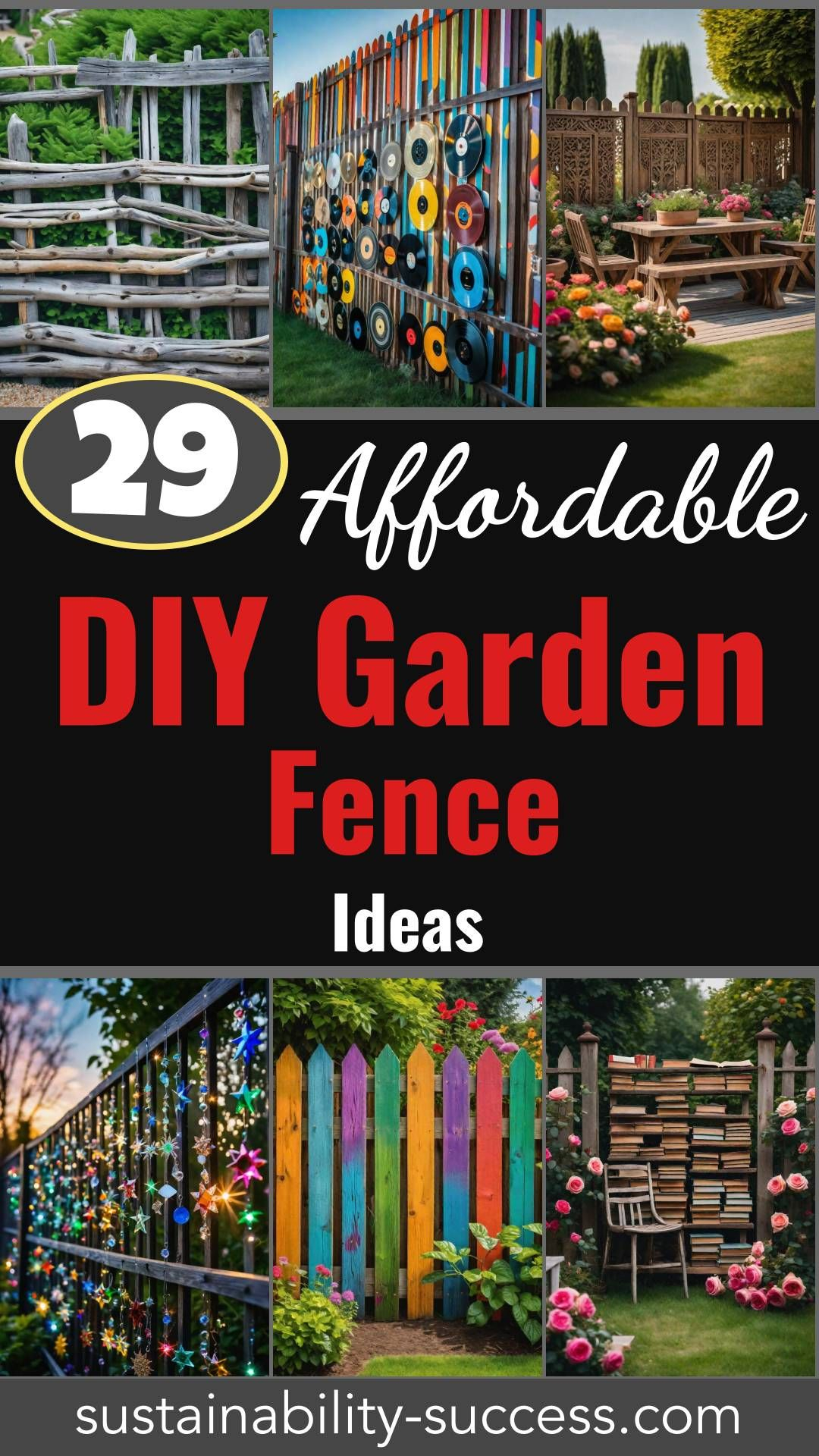
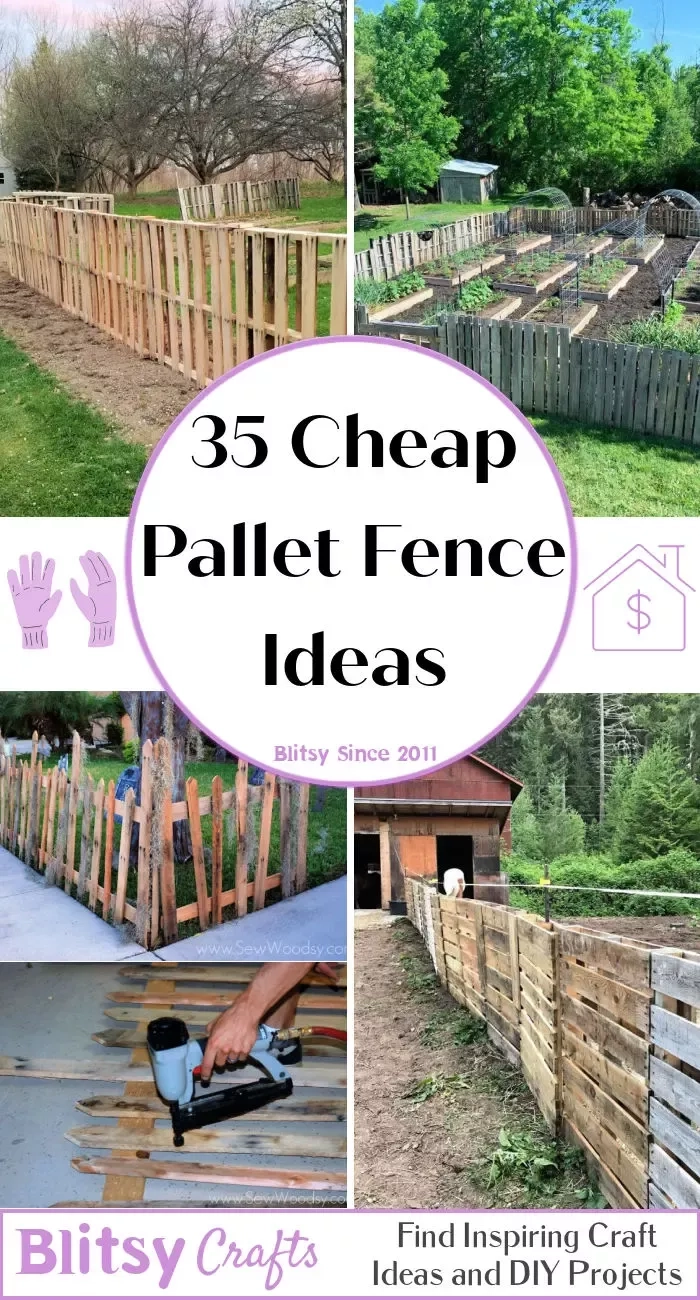
Walk down any industrial street or check online marketplaces, and you’ll see pallets. Everywhere. For years, they’ve been the go-to for DIYers, but in 2026, we’re seeing a refinement in how they’re used. It’s not just about stacking them haphazardly. People are sanding them down, staining them in modern charcoal or warm walnut tones, and arranging them in artistic patterns. Herringbone, vertical slats, or even mixing pallet wood with metal pipes for a industrial-chic look. It’s rugged, it’s rustic, and it’s incredibly cheap. Often, you can get pallets for free from businesses that are happy to get rid of them. Just make sure they’re heat-treated (look for the HT stamp) and not chemically treated, especially if you’re growing edibles nearby.
The key to making pallet fencing look expensive rather than "trashy" is consistency. Uniformity in color and alignment matters. Take the time to remove any protruding nails and sand off the rough spots. A coat of exterior-grade sealant will protect the wood from rain and sun, extending its life by years. You can also break the pallets apart and use the individual slats to create a spaced-out fence that allows airflow but still provides visual screening. This is great for windy areas where a solid wall might topple over. By spacing the slats an inch or two apart, you reduce wind resistance and create interesting light shadows throughout the day.
Don’t stop at pallets. Look for other discarded wood. Old deck boards, fence posts from neighbors who are upgrading, or even driftwood if you’re near the coast. The trend in 2026 is "wabi-sabi"—finding beauty in imperfection. A fence made from mismatched reclaimed wood tells a story. It has character. It’s not sterile. And if a board rots in five years? Replace just that one board. It’s modular and easy to repair. This modularity is a huge advantage over pre-made panels. You’re building a system that can evolve with your garden. Plus, you’re keeping waste out of landfills. That’s a feel-good factor that money can’t buy.
Wattle Fencing: The Ancient Art of Weaving
If you have access to flexible branches—willow, hazel, or even young bamboo—wattle fencing is a stunning, low-cost option that’s gaining traction among eco-conscious gardeners. It’s an ancient technique, used for centuries in Europe and Asia, but it feels fresh and modern when done right. The process involves weaving horizontal branches between vertical stakes driven into the ground. It creates a textured, organic barrier that looks like it grew out of the earth. It’s perfect for cottage gardens, vegetable patches, or defining pathways. And the best part? The materials are often free if you have trees on your property or know someone who does pruning work.
Building a wattle fence is labor-intensive, yes. It requires some elbow grease and patience. But it’s also meditative. There’s something satisfying about weaving the branches, feeling the tension, and watching the pattern emerge. You don’t need fancy tools. Just a mallet, some pruners, and maybe a drill if you want to secure the stakes more firmly. The stakes should be sturdy—oak or locust work well because they resist rot. The weaving material can be thinner and more flexible. In 2026, workshops on traditional crafts are booming, so you might find a local class to teach you the basics. Or, YouTube is full of tutorials. It’s a skill that’s easy to learn and hard to master, but even a beginner’s attempt looks charmingly rustic.
One downside is longevity. Wattle fences typically last 5-10 years depending on the wood and climate. But that’s okay. It’s biodegradable. When it’s time to replace it, you can compost the old material or use it as kindling. Then you build a new one. It’s a cycle. And because it’s low to the ground (usually 3-4 feet), it’s not meant for high security. It’s more about definition and aesthetics. It says, "This is my space," without shouting. Pair it with climbing roses or beans, and you have a functional, beautiful edge that changes with the seasons. It’s fleeting, yes, but that’s part of its charm. Nothing lasts forever, and that’s fine.
Chain Link with Privacy Slats or Fabric
Let’s talk about the elephant in the room: chain link. It’s ugly, right? Or at least, it used to be. In 2026, chain link is getting a makeover. Instead of leaving it bare and industrial, homeowners are inserting privacy slats, weaving synthetic vines, or attaching outdoor-rated fabric panels. This transforms a cold, metallic grid into a soft, colorful backdrop. Privacy slats come in various colors and materials, including recycled plastics. They slide into the links vertically, blocking view while maintaining the fence’s structural integrity. It’s a quick weekend project that costs a fraction of replacing the fence entirely.
If slats aren’t your vibe, try fabric. Heavy-duty shade cloth or burlap-style outdoor fabric can be zip-tied or clipped to the chain link. This adds texture and warmth. You can choose neutral tones for a minimalist look or bright colors for a pop of fun. The fabric also helps reduce wind speed, which can protect delicate plants. Just make sure the fabric is permeable enough to let air through, or your fence might act like a sail and blow over in a storm. Another trendy option is attaching artificial greenery mats. Yes, fake plants. But the high-quality ones in 2026 look surprisingly real. They provide instant privacy and greenery without the wait or maintenance of real plants. It’s controversial for some purists, but for renters or those with shady yards where nothing grows, it’s a practical lifesaver.
The advantage of chain link is durability. It lasts decades. By adding these affordable overlays, you’re extending its usability and improving its appearance without the hassle of removal. It’s also secure. If you have pets or kids, the underlying structure is strong and safe. You’re just dressing it up. Think of it as putting a nice outfit on a reliable old friend. It’s still the same sturdy friend, but now it looks presentable for a party. And if you move, you can take the slats or fabric with you. It’s portable privacy. That’s a flexibility that wooden fences just can’t offer.
Wire Mesh and Espalier Trellising
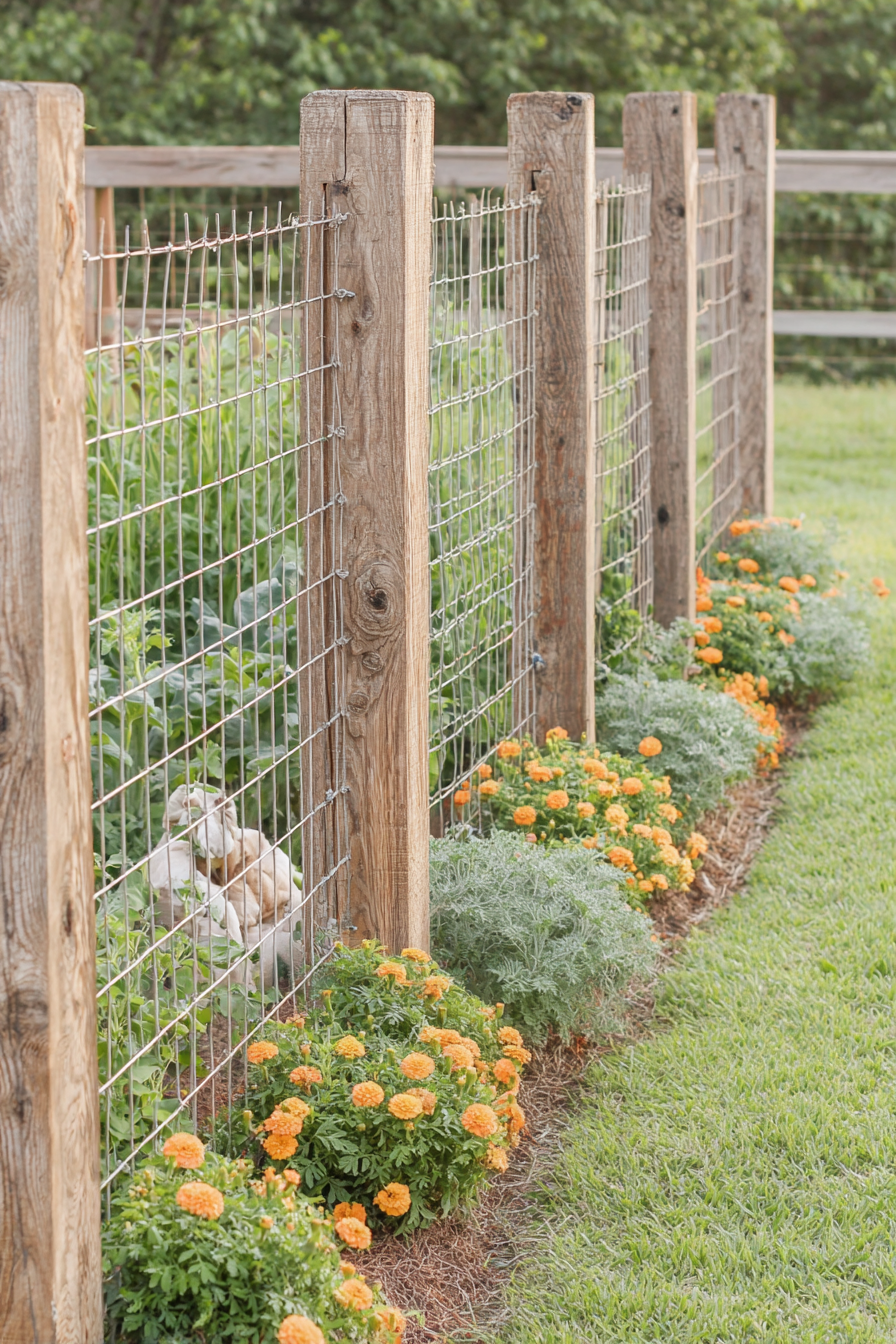
For the modern, minimalist gardener, wire mesh combined with espalier techniques is a sleek, cost-effective solution. Espalier is the art of training trees or shrubs to grow flat against a support. Traditionally, this was done against stone walls, but in 2026, we’re using simple wire mesh panels attached to wooden or metal posts. You plant fruit trees like apples, pears, or figs, and train their branches horizontally along the wire. Over time, the tree forms a living, fruit-bearing wall. It’s incredibly space-efficient and produces food. What’s not to love?
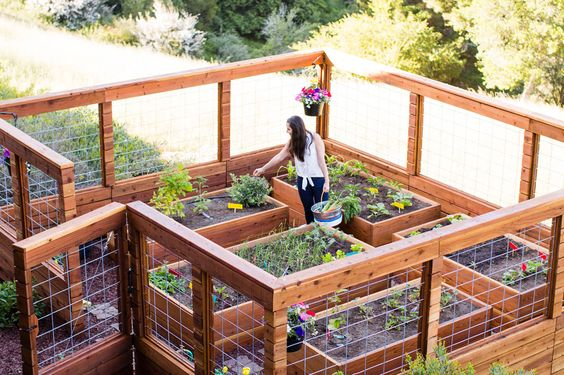
The initial cost is low. Wire mesh rolls are inexpensive, and the posts can be simple T-posts or reclaimed wood. The investment is in the trees and your time. Training espalier takes practice. You need to prune regularly and tie branches gently to the wire. But there are plenty of guides online, and local nurseries often sell pre-trained espalier trees if you want a head start. Even if you don’t go full espalier, you can use the wire mesh as a trellis for annual climbers like peas, beans, or flowering vines. This creates a seasonal screen that changes every year. One year it’s sweet peas, the next it’s cucumbers. It’s dynamic and engaging.
This method is particularly good for small urban gardens where every square foot counts. A vertical layer of growth adds depth and interest without occupying valuable floor space. It also allows light to filter through, so you don’t cast deep shadows on your neighbors’ plants—a good neighborly gesture. The wire mesh is also durable and rust-resistant if you choose galvanized or coated options. It’s a subtle boundary. It doesn’t shout "keep out." It whispers "come look at what’s growing here." It invites connection rather than creating separation. And in a world that feels increasingly divided, maybe that’s the kind of fence we all need.
Why stick to one material when you can combine them? The most creative fences in 2026 are hybrids. Maybe you use stone pillars at the corners for stability and aesthetic weight, then fill the gaps with reclaimed wood slats. Or perhaps you use a low brick wall for the bottom three feet (for pet containment) and top it with a lightweight metal grid for climbing plants. Mixing materials allows you to balance cost and durability. Use expensive, long-lasting materials where they matter most (like posts and corners) and cheaper, renewable materials for the infill. This approach also lets you customize the look to match your home’s architecture. A modern home might pair concrete bases with horizontal cedar slats. A cottage might mix stone with wattle weaving.
This hybrid approach also solves specific problems. For example, if you have sloped terrain, rigid panels are a nightmare to install. But using individual posts with wire or flexible weaving materials adapts easily to the contour of the land. You’re not fighting the landscape; you’re working with it. It’s smarter design. And it’s often cheaper because you’re not wasting material cutting panels to fit awkward angles. You’re building piece by piece. It’s modular. If a section gets damaged, you only repair that section. You’re not replacing the whole fence. This modularity saves money in the long run. It’s sustainable economics.
Don’t be afraid to experiment. Visit local salvage yards. Look at what’s available. Maybe you find old window frames that can be hung as decorative elements within a wire fence. Or old bicycle wheels that can be woven into a chain link fence for a whimsical touch. The goal is to express your personality. Your fence is the first thing people see. It sets the tone. Make it welcoming. Make it interesting. Make it yours. And remember, it doesn’t have to be perfect. It just has to be functional and reflective of your style. Imperfections add charm. They show effort. They show heart.
So, there you have it. Five ways to fence your garden without emptying your wallet. From living green walls to repurposed pallets, wattle weaving, upgraded chain link, and wire mesh trellising, the options are plentiful. And don’t forget the power of mixing materials to create something truly unique. The key is to look at fencing not as a burden, but as an opportunity. An opportunity to create, to recycle, to grow, and to connect. It’s about defining your space in a way that feels good to you and respects your budget.
Start small. Pick one section of your garden. Try one of these methods. See how it feels. Adjust as you go. Gardening is a journey, not a destination. Your fence can evolve just like your plants. And who knows? You might inspire your neighbors to do the same. Imagine a street where every fence is a unique expression of its owner’s creativity and values. That’s a community worth building. So grab your tools, get your hands dirty, and start weaving, planting, or stacking. Your dream garden boundary is closer than you think. And it’s going to look amazing.