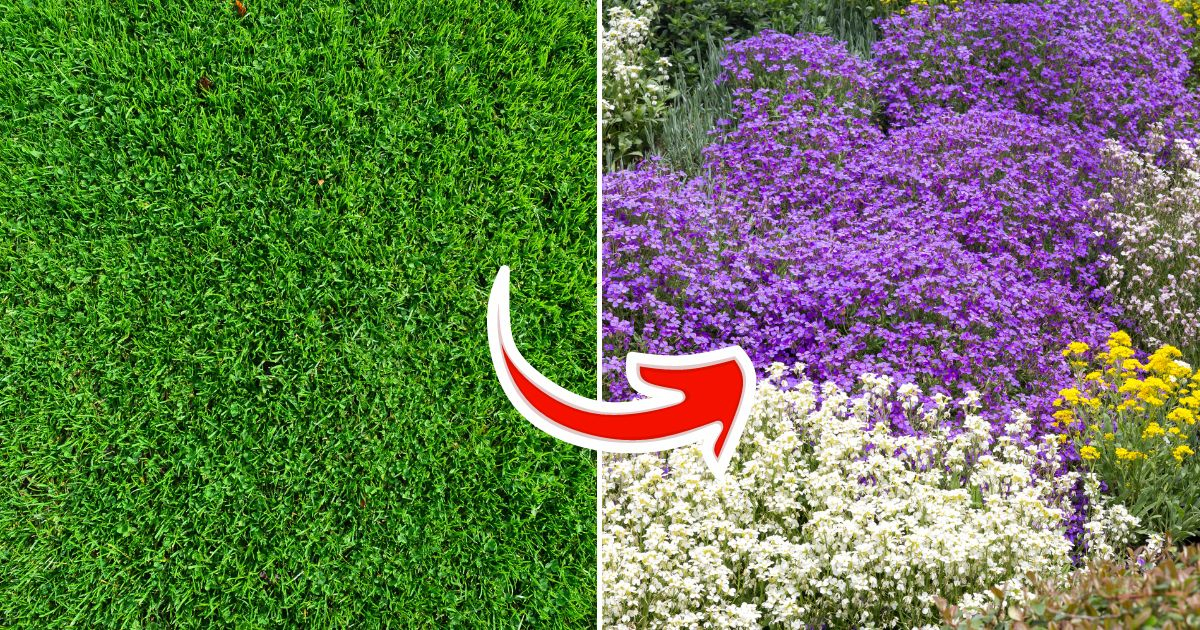

Does the sound of a lawnmower make you cringe? You aren’t alone. For decades, we’ve been told that a perfect, emerald-green carpet of grass is the hallmark of a responsible homeowner. But let’s be real. It’s exhausting. It’s expensive. And frankly, it’s kind of boring. In 2026, the tide has finally turned. People are waking up to the fact that their weekends are too precious to spend pushing a noisy machine back and forth under the hot sun.
Imagine stepping outside instead to a garden that smells like thyme or looks like a soft purple cloud. Imagine not having to worry about brown patches during a dry spell or spending hundreds on fertilizer just to keep things looking "acceptable." This isn’t a fantasy. It’s a growing movement. By swapping out thirsty turf for smart, resilient ground covers, you aren’t just saving money. You’re buying back your time. You’re creating a space that actually supports local bees and butterflies rather than just consuming resources.
The shift away from traditional lawns isn’t just about laziness. It’s about intelligence. It’s about working with nature instead of fighting it every single week. Whether you have a tiny urban patch or acres of rolling land, there is a low-maintenance alternative that fits your life. Let’s dig into why this change matters and exactly which plants can help you stop mowing and start living.
Why the Traditional Lawn is Breaking the Bank
Let’s talk numbers for a second. Maintaining a conventional lawn is surprisingly pricey. Between water bills, gas for the mower, repairs, fertilizers, and pesticides, the average homeowner spends a small fortune each year. In many parts of the country, outdoor watering accounts for nearly half of total household water use. That’s a lot of money going down the drain—literally. As water rates continue to climb in 2026 due to infrastructure costs and climate pressures, that green carpet is becoming a luxury few can justify.
But the cost isn’t just financial. It’s environmental. Traditional turf grass offers very little ecological value. It’s basically a green desert for wildlife. It requires heavy inputs of chemicals to stay weed-free and green, which then run off into local waterways, causing algae blooms and harming aquatic life. Plus, those gas-powered mowers? They are significant contributors to air pollution. A single hour of mowing can produce as much pollution as driving a car for over 100 miles. Switching to ground covers reduces this carbon footprint dramatically.
Then there is the time factor. How many hours of your life have you lost to edging, mowing, and raking? If you spend just two hours a week on lawn care during the growing season, that’s over 50 hours a year. That’s more than a full work week. Imagine what you could do with that time. Reading? Gardening for fun? Actually relaxing? Ground covers eliminate most of these chores. Once established, they rarely need mowing, if ever. They choke out weeds naturally, meaning less bending over to pull invaders. It’s a lifestyle upgrade that pays dividends in both cash and freedom.
Creeping Thyme: The Fragrant, Walkable Carpet
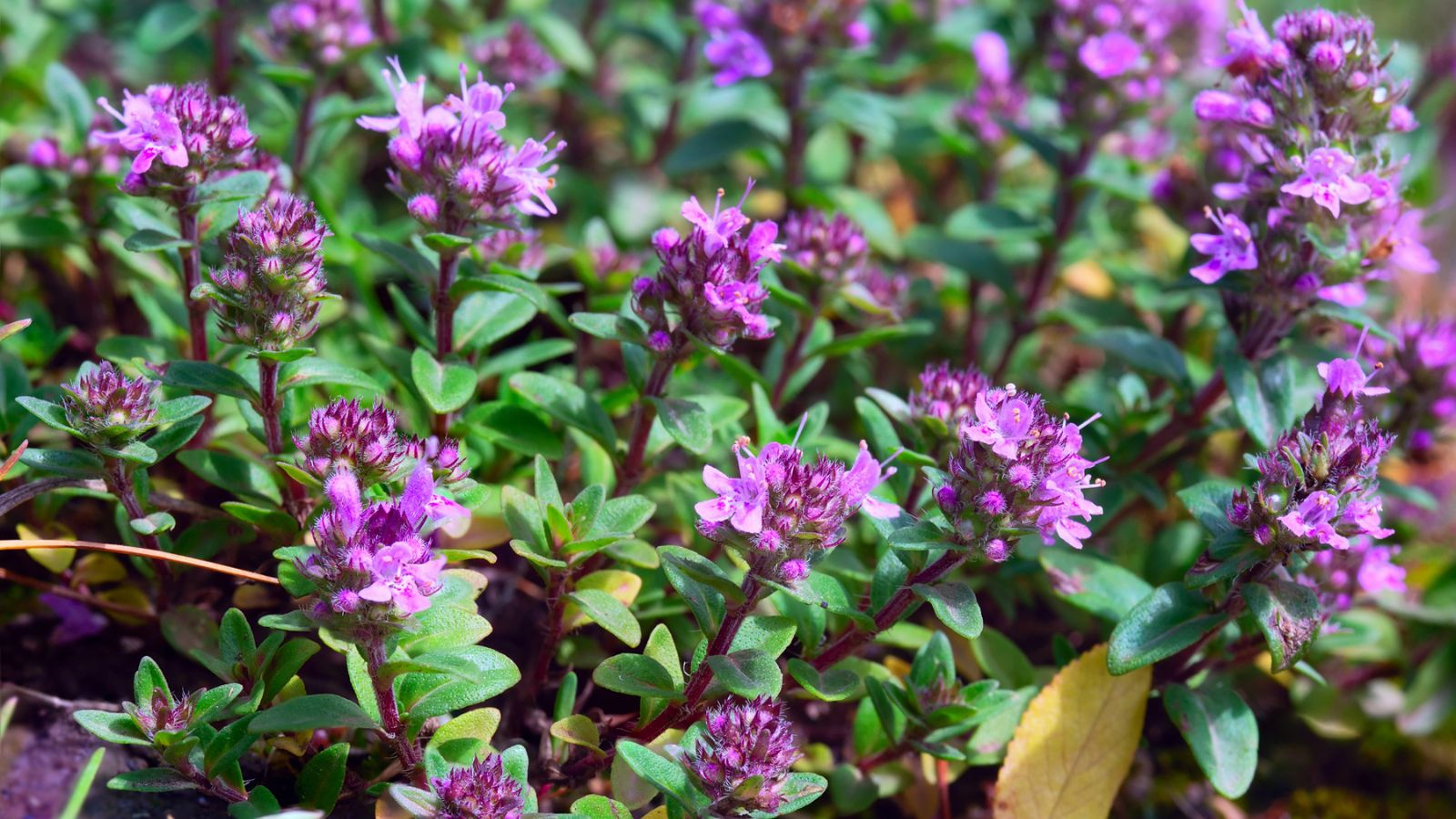
If you want something that engages all your senses, creeping thyme is a top contender. This isn’t just a plant; it’s an experience. Imagine walking barefoot across your patio or pathway and releasing a burst of warm, herbal scent with every step. Creeping thyme forms a dense, mat-like layer that is incredibly tough. It handles foot traffic better than you’d think, making it perfect for areas between stepping stones or even as a replacement for grass in low-traffic play areas.
One of the best things about thyme is its love for neglect. It thrives in poor, well-drained soil and full sun. In fact, too much water or fertilizer can actually hurt it. This makes it ideal for those tricky spots where grass always seems to die—like steep slopes or rocky patches. In the summer, it bursts into tiny pink, purple, or white flowers that are absolute magnets for bees and pollinators. You get a beautiful display without lifting a finger.
Maintenance is practically non-existent. You might need to trim it back once a year if it gets too leggy, but that’s about it. It’s drought-tolerant once established, so you can say goodbye to the sprinkler system. Just be sure to choose the right variety. Thymus serpyllum is a classic choice, but there are many cultivars suited for different climates. It doesn’t spread aggressively like some invasives, so it stays where you put it. For anyone who loves cooking, having fresh thyme steps away from the kitchen door is a nice bonus too.
Clover: The Comeback Kid of Lawns
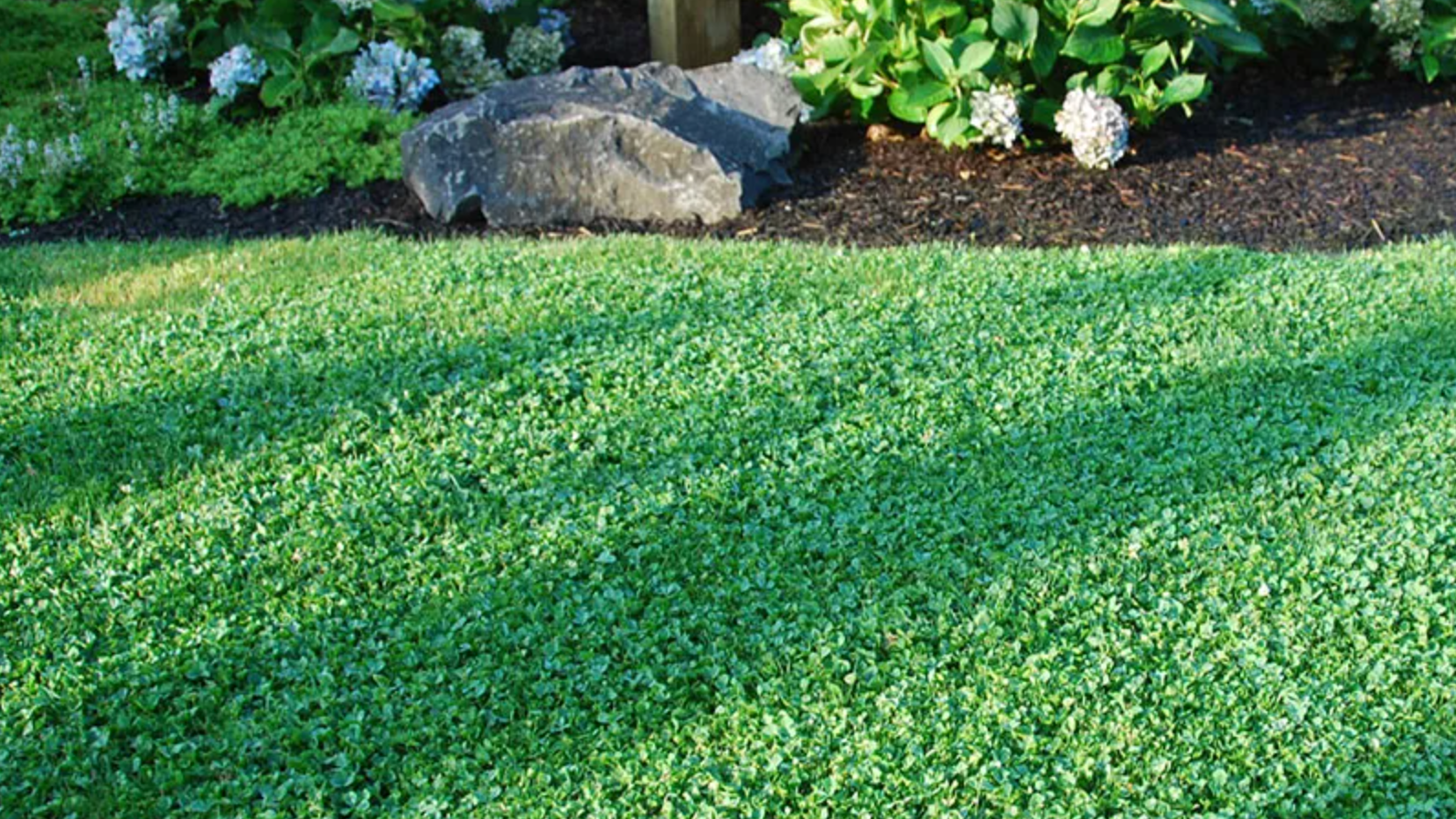
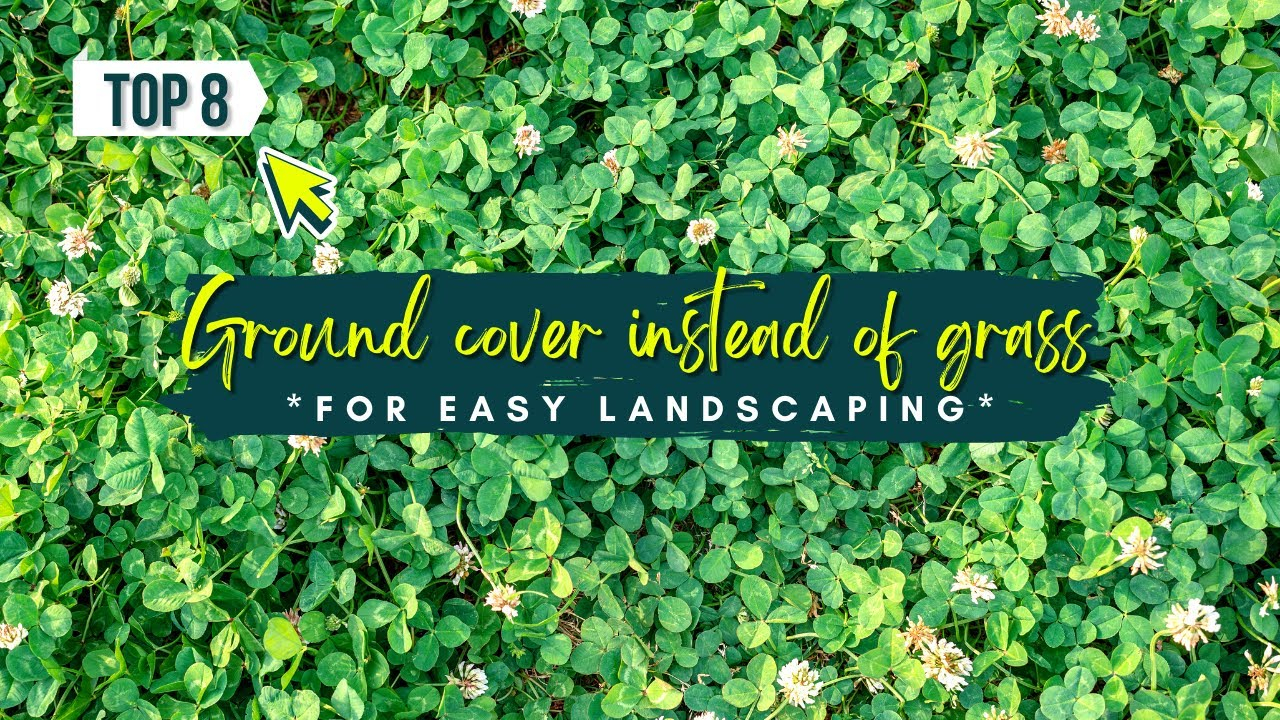
White clover used to be considered a weed, something to be eradicated at all costs. Today, it’s being celebrated as a superhero of the lawn world. Why the change? Because clover does something grass can’t: it fixes nitrogen. This means it pulls nitrogen from the air and deposits it into the soil, essentially fertilizing itself and any surrounding plants. You won’t need to buy bags of chemical fertilizer ever again. It stays green longer than grass during dry spells and remains vibrant even when other plants go dormant.
Clover is also incredibly soft underfoot. Kids and pets love it. It’s durable, recovers quickly from wear, and creates a lush, dense mat that crowds out unwanted weeds. In 2026, many homeowners are opting for "clover lawns" or mixing clover seeds with fine fescue grasses for a hybrid approach. This gives you the look of a traditional lawn but with a fraction of the maintenance. It flowers, yes, but the blooms are small and beloved by bees. If you’re worried about stings, regular mowing (just once a month or so) can keep the flower heads down, though letting them bloom is far better for the ecosystem.
It’s important to note that clover isn’t perfect for everyone. It can stain clothes more easily than grass, and it doesn’t handle heavy shade well. But for sunny yards, it’s a game-changer. It establishes quickly from seed, meaning you can transform your yard in a single season for a very low cost. And because it stays shorter than grass, you might find you only need to mow it a few times a year, or not at all if you don’t mind a slightly shaggier look. It’s resilient, eco-friendly, and undeniably charming.
Moss: The Shade Lover’s Dream
Do you have a yard that’s mostly shade? Grass struggles there, turning thin and patchy no matter how much you baby it. Enter moss. Moss is the ultimate solution for damp, shady areas where nothing else seems to thrive. It doesn’t have roots like other plants, so it doesn’t need deep soil. It anchors itself to the surface and absorbs moisture and nutrients directly from the air and rain. This makes it incredibly low maintenance. No mowing. No fertilizing. No watering, usually.
A moss lawn feels like walking on velvet. It’s lush, quiet, and deeply calming. In Japanese gardens, moss is prized for its ability to create a sense of age and tranquility. You can achieve this same feeling in your own backyard. There are many types of moss, from the clumping hair cap moss to the spreading sheet moss. Some prefer acidic soil, so a simple soil test can help you pick the right variety. Once established, moss forms a seamless green carpet that looks stunning year-round, staying green even in winter when other plants die back.
The key to success with moss is patience during the establishment phase. You can’t just throw spores on the ground and walk away immediately. You need to clear the area of debris and existing weeds, compact the soil, and keep the moss moist until it takes hold. But after that? It’s set it and forget it. It naturally suppresses weeds because it grows so densely. And unlike grass, it never needs sharpening blades or gas. It’s a peaceful, silent alternative that turns a problematic shady spot into the highlight of your landscape.
Sedum and Stonecrop: Succulent Simplicity
For those with rocky soil, intense sun, or a desire for architectural interest, sedums are unbeatable. These succulents store water in their leaves, making them virtually drought-proof once they get settled. They come in hundreds of varieties, from low-growing creepers that hug the ground to taller upright types. For ground cover purposes, look for species like Sedum spurium or Sedum kamtschaticum. They form colorful mats of red, orange, green, or blue foliage that change with the seasons.
Sedums are tough as nails. They can handle heat waves that would turn grass into straw. They don’t care about poor soil. In fact, they prefer it. This makes them perfect for green roofs, retaining walls, or sloped areas where erosion is a concern. Their shallow root systems hold soil in place effectively. In late summer, many sedums produce clusters of star-shaped flowers that provide crucial late-season nectar for butterflies and bees. It’s beauty and function wrapped in one easy-care package.
Care is minimal. You might need to divide them every few years if they get too crowded, but otherwise, they just do their thing. They are deer-resistant, which is a huge plus for many homeowners. And because they are succulents, they add a unique texture to the landscape that grass simply can’t match. Mixing different colors of sedum can create a mosaic effect that looks intentional and artistic. It’s a modern, sleek look that requires almost zero effort to maintain. Just plant them, water them occasionally until established, and watch them thrive.
Native Violets and Wild Strawberry: The Edible Edge
Why not have a lawn that feeds you? Native violets and wild strawberries are charming, low-growing options that offer a touch of whimsy and utility. Wild strawberry (Fragaria vesca) spreads via runners, creating a dense cover of three-lobed leaves. In spring, you get delicate white flowers, followed by tiny, intensely flavorful berries. It’s a treat for kids and adults alike. The plants are hardy, tolerate some foot traffic, and look lovely cascading over edges or filling in gaps.
Native violets, such as the common blue violet, are another excellent choice. They spread gently and produce edible flowers and leaves that are high in vitamin C. They thrive in partial shade and moist soil, making them a great companion for trees and shrubs. Unlike invasive species, native violets support local ecosystems, serving as host plants for fritillary butterfly caterpillars. By planting them, you’re actively supporting biodiversity in your own yard.
These options do require a bit more awareness than thyme or sedum. You’ll want to harvest the berries before the birds get them all, and you might need to manage their spread if they start encroaching on flower beds. But they are generally very well-behaved. They don’t grow tall, so no mowing is needed. They create a soft, naturalistic look that feels inviting and wild in the best way. It’s a return to a simpler, more connected way of gardening where your landscape provides not just beauty, but sustenance.
Transitioning from grass to ground cover isn’t something you should rush. Killing the existing lawn is the first step, and it needs to be done thoroughly. Solarization—covering the area with clear plastic for several weeks during hot weather—is a chemical-free way to kill grass and weeds. Alternatively, you can smother the lawn with layers of cardboard and mulch. This method takes longer but improves soil health as the materials decompose. Avoid using harsh herbicides if possible, as you want a healthy environment for your new plants to take root.
Preparation is key. Test your soil to understand its pH and composition. Some ground covers, like moss and violets, prefer acidic soil, while others, like thyme, like it alkaline. Amend the soil as needed before planting. When you’re ready to plant, give your new ground covers enough space to spread. Check the mature size of each plant to avoid overcrowding. Mulch around the new plants to retain moisture and suppress weeds while they establish. Water regularly during the first year. This is the critical period where roots are developing. Once established, most of these alternatives will need little to no supplemental water.
Be patient. Ground covers don’t fill in overnight. It might take a season or two for them to knit together into a seamless carpet. During this time, you may need to do some hand-weeding. But think of it as an investment. Every weed you pull now is one less you’ll have to deal with later. And remember, perfection isn’t the goal. A little diversity, a few wildflowers popping up, and a slightly uneven texture add character. You’re building an ecosystem, not a golf course. Embrace the process and enjoy the gradual transformation.
So, are you ready to put down the mower? The benefits are clear. You’ll save money, save time, and help the planet. More importantly, you’ll create a outdoor space that invites you to linger, to smell the thyme, to pick a strawberry, or just to sit on the soft moss and listen to the bees. It’s a shift from maintenance to enjoyment. From chore to charm. In 2026, the smartest landscaping choice isn’t about keeping up with the Joneses. It’s about slowing down and letting nature do the heavy lifting. Your back—and your wallet—will thank you.