
Remember that sound? The one that used to define your Saturday mornings. The roar of the engine, the smell of cut grass and gasoline, the endless push-pull rhythm of wrestling a machine across a patch of dirt. For decades, that was the price of admission for a "nice" yard. We were told that a good lawn was a manicured lawn. A green carpet. Perfect edges. No weeds. But here we are in 2026, and honestly? Most of us are tired. Tired of the noise. Tired of the chemicals. And definitely tired of the treadmill.
What if I told you that the secret to a lush, green, soft-underfoot yard isn’t more work, but significantly less? There’s a quiet revolution happening in front yards across North America, and it doesn’t involve robotic mowers or expensive irrigation systems. It involves a tiny plant called microclover. While traditional turfgrass demands up to forty cuts a year to look decent, this resilient little legume asks for maybe two. Just two. And even those are optional if you don’t mind a slightly wilder look. It sounds too good to be true, right? Like some kind of gardening scam. But the math, the science, and the thousands of homeowners who’ve already made the switch say otherwise.
Let’s talk about what’s actually happening in our soil and our schedules. The shift away from high-maintenance monoculture grass isn’t just a trend; it’s a correction. We spent the last century fighting nature to keep a single species alive in conditions it often hates. Microclover works with nature instead. It fixes its own nitrogen. It stays green during droughts. And it invites bees, which, contrary to popular fear, are generally too busy working to bother you when you’re barefoot on the patio. This isn’t about letting your yard go to seed. It’s about choosing a smarter partner for your outdoor space.
The Mowing Math: Doing Less to Get More
Let’s look at the numbers, because they are pretty staggering. A typical cool-season grass lawn in a moderate climate needs to be mowed every week during the growing season. That’s roughly twenty-six to forty times a year. Depending on where you live, you might be pushing that mower from April all the way into November. Each time, you’re burning fuel (or electricity), wearing out parts, and spending an hour or more of your life. Over a decade, that’s hundreds of hours. Hundreds.
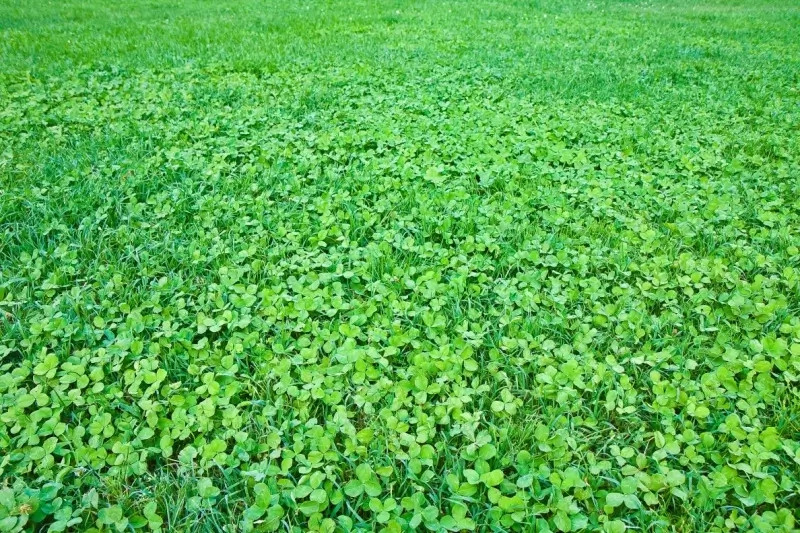
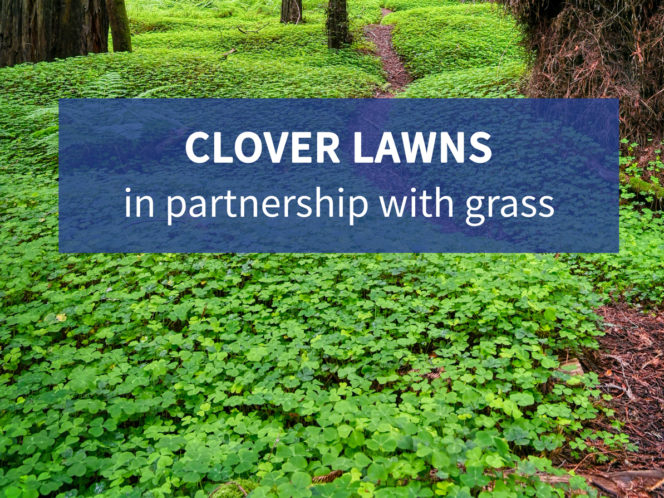
Microclover, on the other hand, grows horizontally rather than vertically. It creeps along the ground, weaving itself into a dense mat that rarely gets taller than three or four inches on its own. If you want a crisp, golf-course look, you might mow it once in early summer and once in early fall to knock back any flower heads or tidy up edges. That’s it. Two mows. Some people don’t mow at all. They just let it do its thing. The result is a lawn that looks consistently green and full without the constant intervention.
Think about what you gain back. Those Saturday mornings are yours again. You can sleep in. You can drink coffee on the porch while the dew dries. You aren’t chained to a schedule dictated by how fast Kentucky Bluegrass grows. And it’s not just about time. It’s about the mental load. You don’t have to watch the weather forecast to see if it’s going to rain so you can mow before it does. You don’t have to worry about the grass getting "too long" and scalping it. The stress just evaporates. It’s a strange feeling, having a lawn that doesn’t demand your attention every seven days. But once you get used to it, you wonder why you ever did it the hard way.
The Chemical Holiday: Zero Fertilizer Needed
Here is the thing about grass: it’s hungry. Really hungry. To keep that bright green color and dense growth, traditional lawns need regular feeding. We’re talking three to four applications of synthetic fertilizer every single year. Nitrogen, phosphorus, potassium. It’s a cocktail of chemicals that we spread on our land, hoping it stays there. But it doesn’t always. Rain washes it into storm drains, which flow into rivers and lakes, causing algae blooms and ecological havoc. It’s a cycle that’s bad for the environment and expensive for your wallet.
Microclover is a legume. If you remember high school biology, you might recall that legumes have a special superpower. They partner with bacteria in their root nodules to pull nitrogen straight out of the air and fix it into the soil. Basically, microclover makes its own food. And not just for itself—it shares. When you mix microclover with grass (which many people do for a hybrid lawn), the clover fertilizes the grass for free. You don’t need to buy bags of fertilizer. You don’t need to spread them. You don’t need to worry about runoff.
This self-sufficiency changes the entire chemistry of your yard. Without the surge of synthetic nitrogen, you don’t get the rapid, weak growth that attracts pests and diseases. The lawn becomes more resilient. It’s tougher. And because you aren’t pumping it full of chemicals, the soil health improves over time. Earthworms come back. Microbial life thrives. It becomes a living ecosystem rather than a sterile green mat. For anyone worried about their kids or pets playing on the lawn, this is a huge relief. No chemical residues. Just plants doing what plants do.
Water Wisdom: Deep Roots in Dry Times
Water is becoming the new gold. In 2026, with climate patterns shifting and summers getting hotter and drier in many regions, the idea of watering a lawn every other day feels increasingly irresponsible. Traditional turf grass has shallow roots. It lives near the surface. When the sun beats down and the rain stops, those roots dry out quickly. The grass goes dormant, turning brown and crunchy, or it dies if you don’t keep the hose running. It’s a thirsty habit that’s hard to break.
Microclover plays the long game. Its root system goes deeper. Much deeper. This allows it to access moisture that sits lower in the soil profile, staying green and vibrant even when the top inch of dirt is bone dry. Sure, it still needs water to get established in the first few weeks. And in extreme heat waves, a little supplemental watering helps. But compared to the relentless irrigation schedule of a fescue or bluegrass lawn, microclover is a sipper, not a guzzler.
The savings add up fast. In areas with tiered water pricing or strict usage limits, switching to clover can cut your outdoor water use by half or more. That’s not just good for the planet; it’s good for your bank account. Imagine getting through July and August without watching your water bill spike. Imagine not feeling guilty when you see the sprinklers off. The resilience of microclover means your yard looks good even when the weather is tough. It bends rather than breaks. And in a changing climate, that adaptability is worth its weight in gold.
The Bee Factor: Beauty Without the Sting
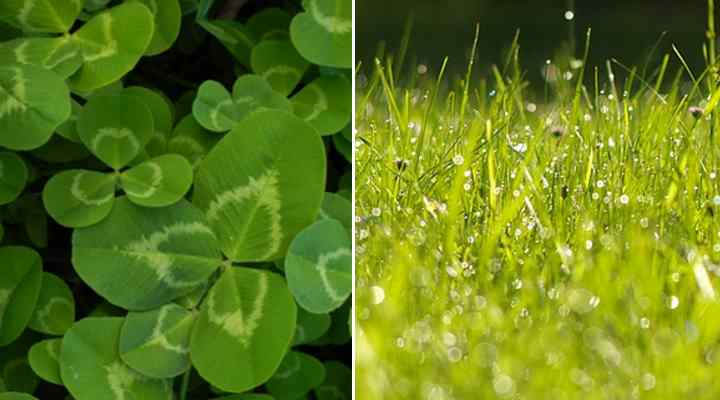
One of the biggest hesitations people have about clover is bees. "I don’t want bees in my yard," they say. "My kids play barefoot." It’s a valid concern, but it’s often based on a misunderstanding of how clover and bees interact. First off, microclover is bred to have smaller leaves and fewer flowers than standard white clover. If you mow it occasionally, those flowers are barely visible. They are tiny, white, and low to the ground. You hardly notice them unless you’re looking for them.
Secondly, bees are not out to get you. They are busy. When a bee lands on a clover flower, it’s there for nectar and pollen. It’s not interested in your ankle. Stings usually happen when a bee is crushed or threatened. By keeping the lawn mowed to a modest height (around 2-3 inches), you minimize the number of blooms, which further reduces bee activity. But even if a few bees are present, they are a sign of a healthy ecosystem. They pollinate your garden plants. They support local biodiversity.
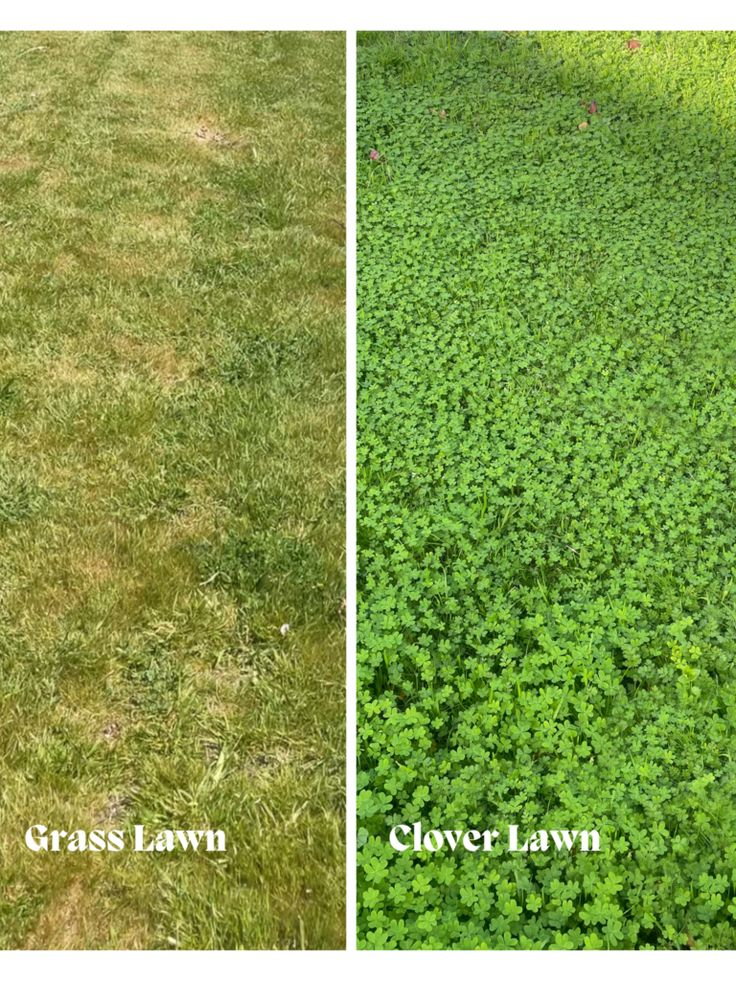
Actually, having a few bees around is a good thing. It means your yard is part of the natural world. And if you have a hybrid lawn—mixing microclover with fine fescues or other low-maintenance grasses—you get the best of both worlds. The grass provides structure and durability for high-traffic areas, while the clover fills in the gaps, suppresses weeds, and feeds the soil. The result is a dense, lush turf that feels amazing underfoot. Soft. Cool. And alive. It’s not the sterile, plastic-like feel of a chemically treated grass lawn. It’s real.
The Wallet Check: Real Costs Over Time
Let’s talk money. Because at the end of the day, this is a financial decision too. Installing a traditional sod lawn can cost anywhere from $0.50 to $1.50 per square foot, depending on your region and the type of grass. Seed is cheaper, but still adds up. But the installation cost is just the entry fee. The real expense is the maintenance. Year after year. Mower gas or electricity. Blade sharpening. Repairs. Fertilizer bags. Herbicides. Pesticides. Water bills. It’s a never-ending subscription service that you pay for with your time and cash.
Microclover seed is generally cheaper per square foot than high-end turf seed. It establishes quickly, often outcompeting weeds in the first season. But the real savings come in years two, three, four, and five. With zero fertilizer costs, minimal water usage, and almost no mowing expenses, the annual upkeep is negligible. Over five years, a clover lawn can save you hundreds, if not thousands, of dollars compared to a traditional turfgrass lawn. Especially in places where water is expensive or labor costs for lawn services are high.
And don’t forget the equipment. Your mower lasts longer when you use it twice a year instead of forty times. You save on oil, filters, and batteries. You save on the physical wear and tear on your body. Pushing a mower is exercise, sure, but doing it forty times a year is a chore. Doing it twice is a breeze. When you add it all up, the return on investment for microclover is incredibly fast. It pays for itself in saved time and reduced bills. It’s one of those rare home improvements that actually saves you money while making your life better. Who doesn’t like that?
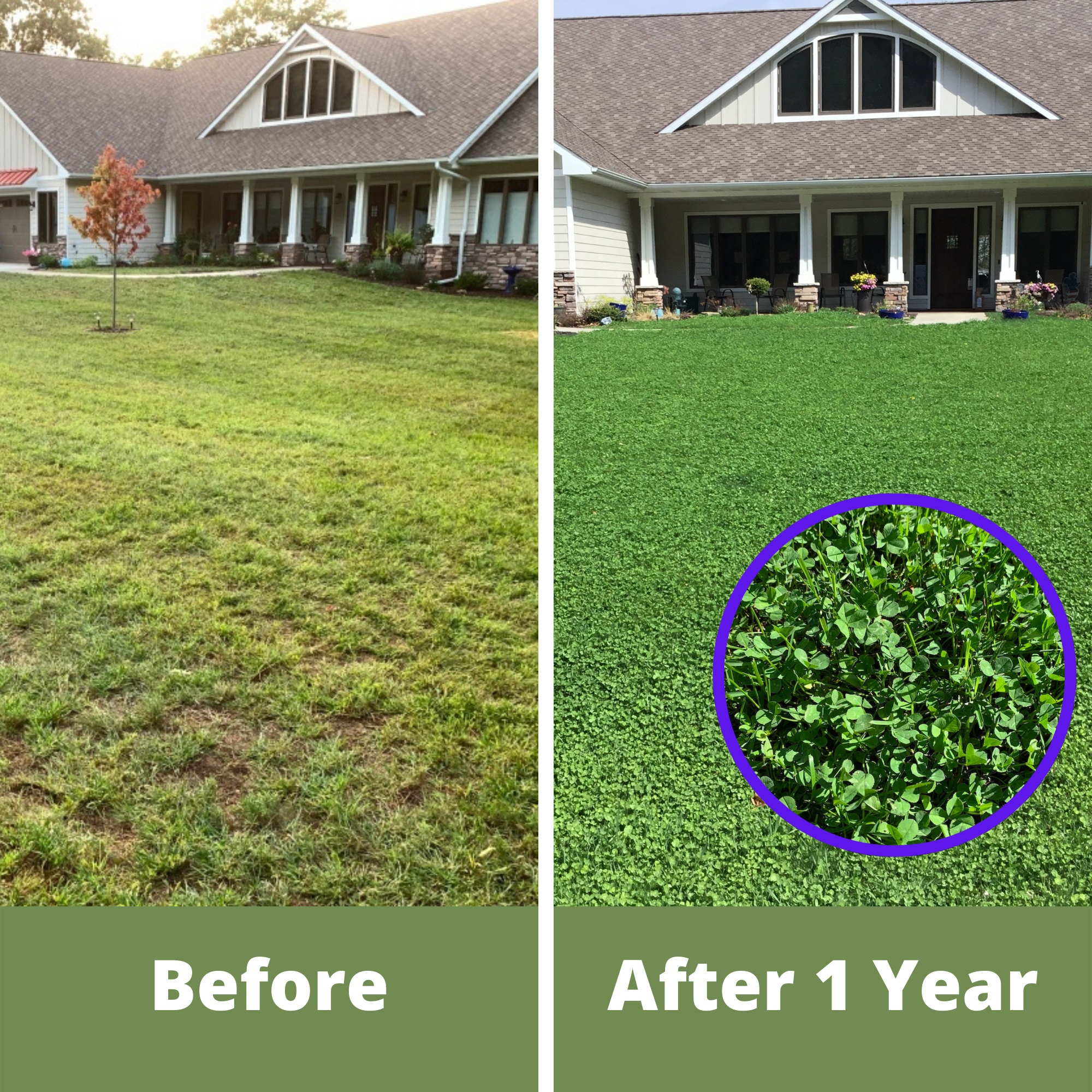
So, you’re convinced. You want to ditch the treadmill. How do you actually do it? You have a couple of options. You can go full clover, seeding your entire yard with microclover. This gives you that uniform, soft, green carpet look. Or, you can overseed your existing lawn. This is a popular choice for people who aren’t ready to commit 100%. You just scatter microclover seed over your current grass in the spring or fall. The clover will fill in the thin spots, suppress weeds, and start fixing nitrogen. It’s a low-risk way to test the waters.
Timing matters. Early spring or early fall are the best times to plant. The soil is warm, and there’s usually enough rain to help the seeds germinate. Prepare the soil by raking away debris and loosening the top inch. Spread the seed evenly. Keep it moist for the first few weeks. That’s the hardest part—keeping it wet while it wakes up. Once it’s established, though, you can relax. Let it grow. Don’t panic if it looks a bit patchy at first. Clover spreads. It fills in. It takes care of itself.
If you have an HOA, check your rules. In 2026, many associations are updating their guidelines to allow for eco-friendly landscaping. Microclover, kept at a reasonable height, often meets the criteria for a "maintained lawn." It looks neat. It’s green. It’s not a jungle. Communicate with your neighbors, too. Show them what you’re doing. Explain the benefits. You might find that they’re curious. Maybe they’ll join you. There’s a growing community of people who are done with the old way of doing things. They’re choosing freedom over perfection. And their yards have never looked better.
It’s not about being lazy. It’s about being smart. It’s about recognizing that we don’t need to fight nature to have a beautiful outdoor space. We just need to choose the right plants. Microclover is one of those plants. It’s tough. It’s generous. And it asks for very little in return. In a world that’s getting faster and more demanding, there’s something deeply satisfying about a lawn that lets you slow down. So put down the mower. Kick off your shoes. And enjoy the view. It’s been waiting for you.