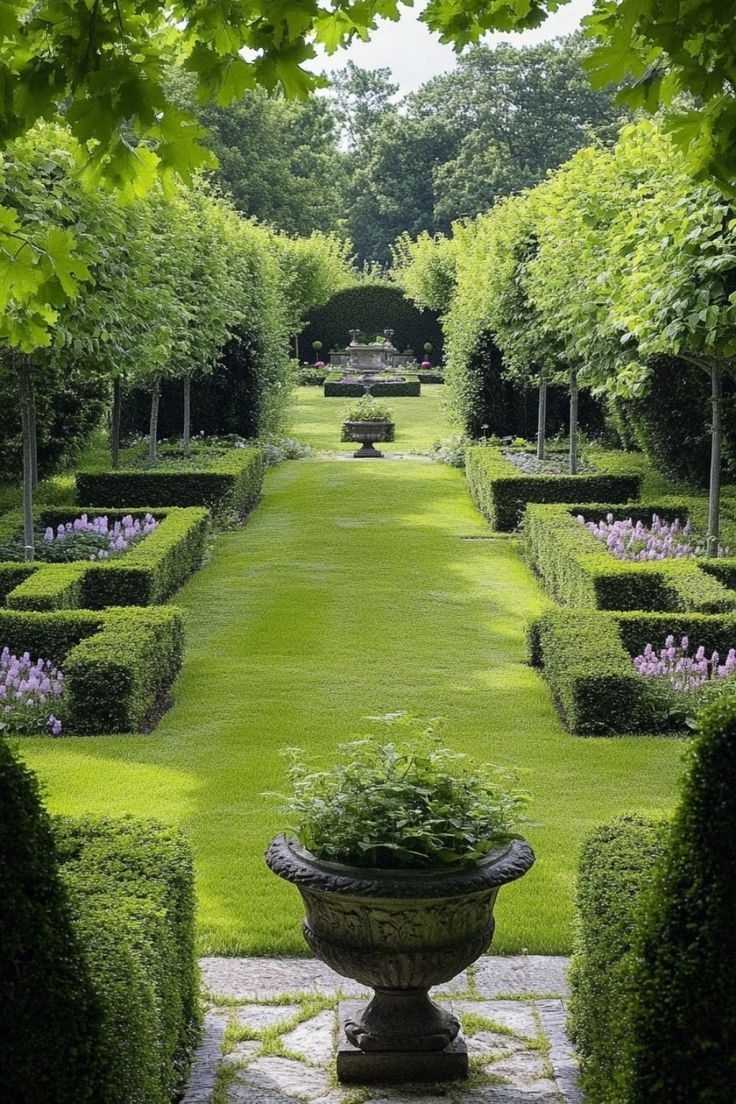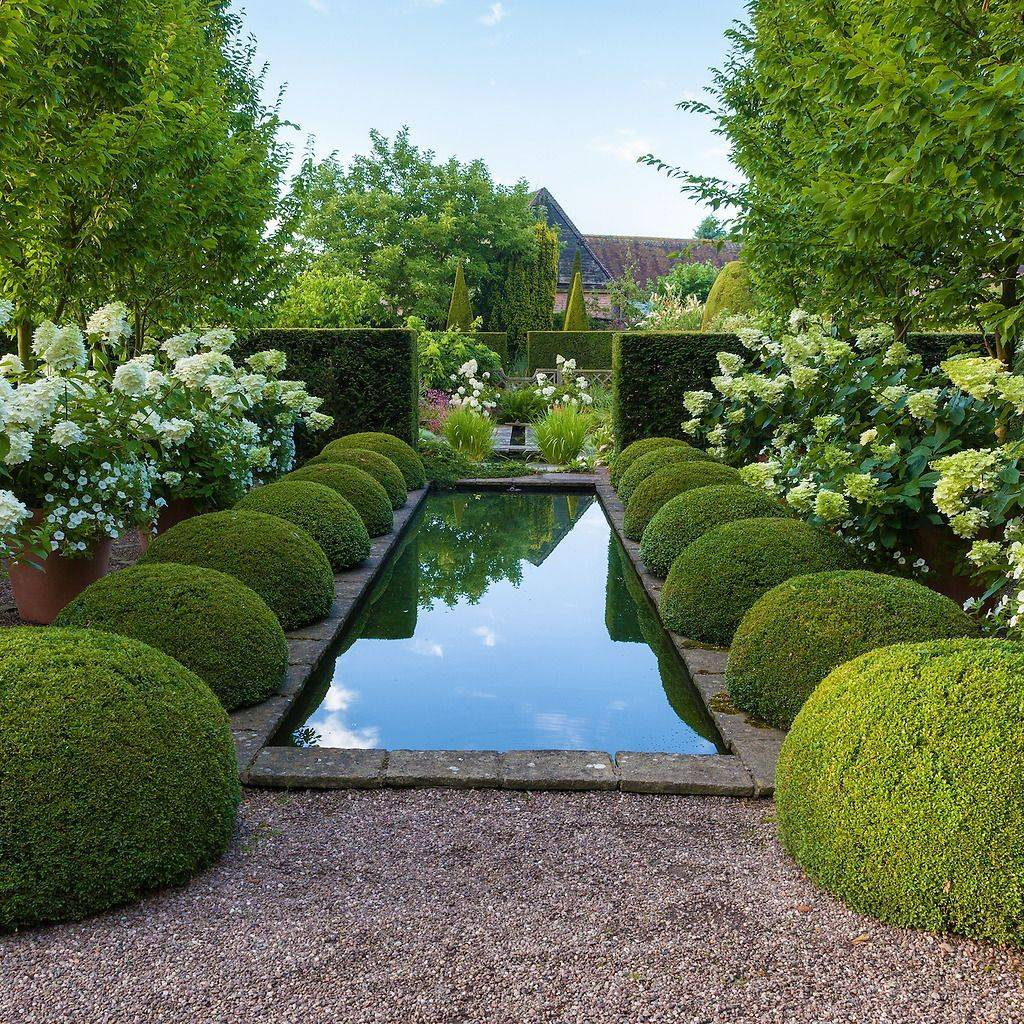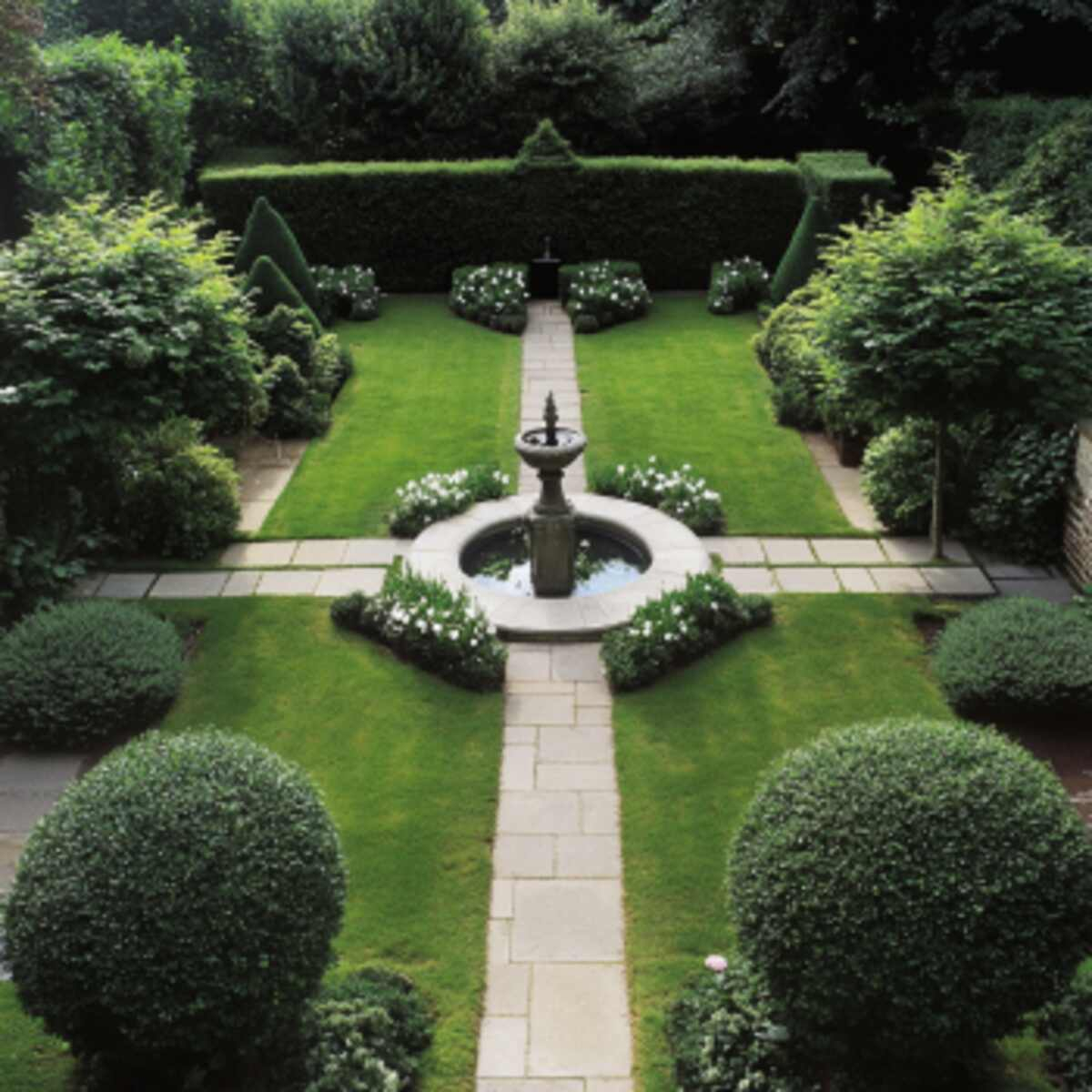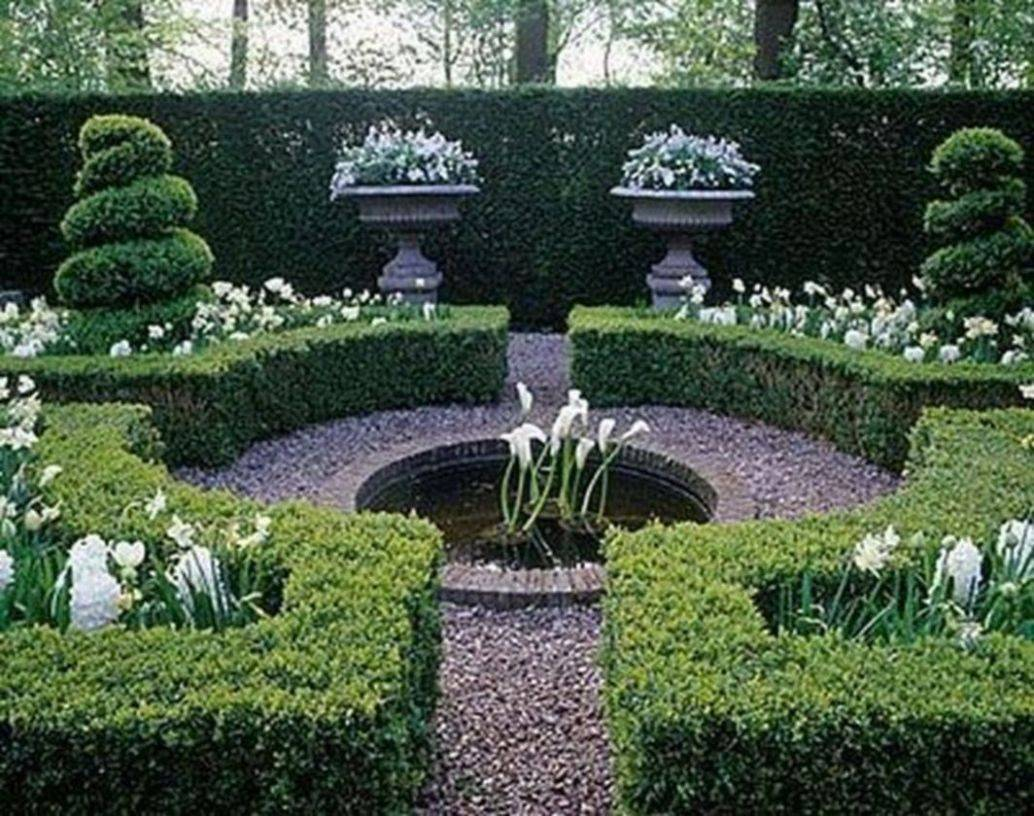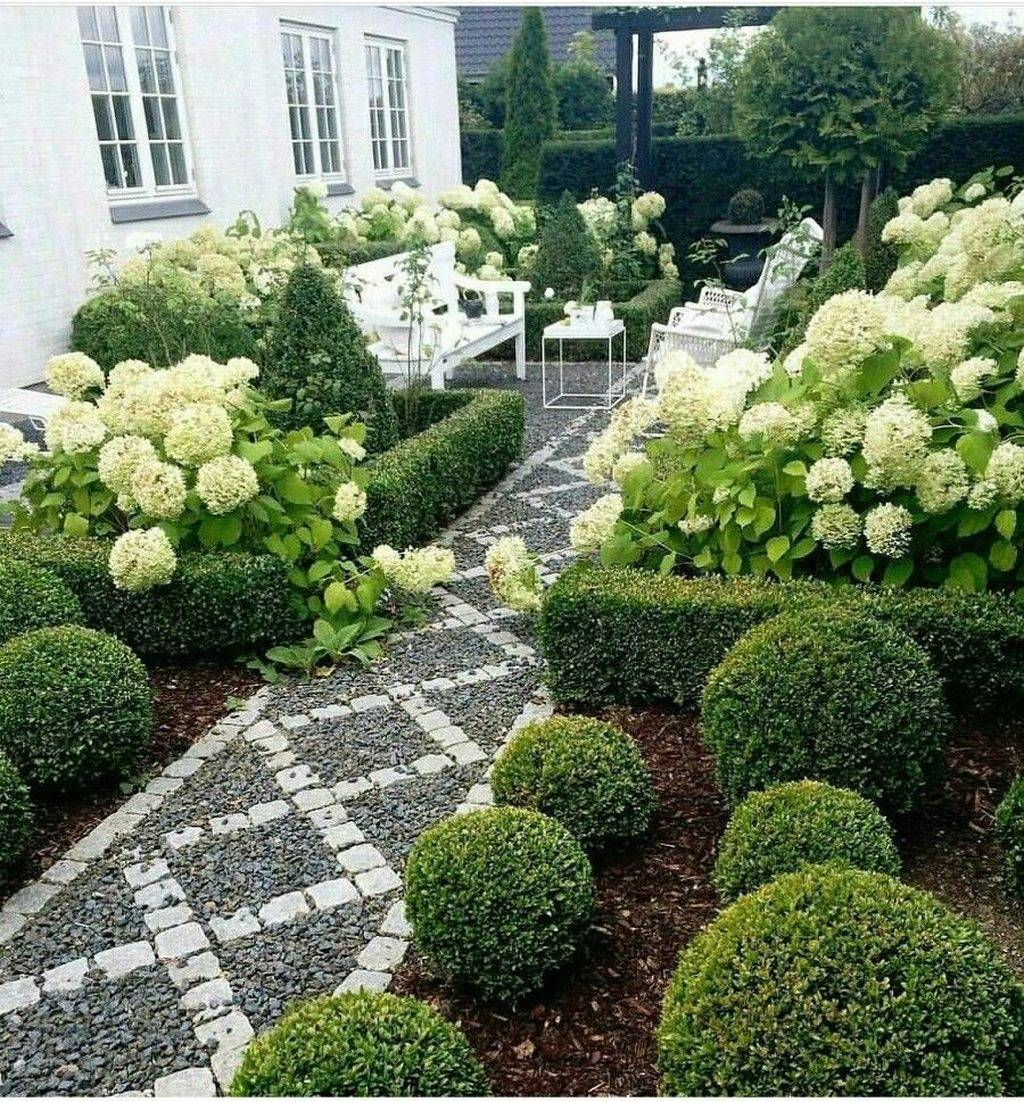

You know that feeling when you walk past a historic estate and see those intricate, woven hedges? It’s mesmerizing. Like looking at a living tapestry. For centuries, these knot gardens were the ultimate flex of wealth and leisure. They screamed, "I have time. I have land. I have gardeners." But let’s be real. Most of us in 2026 are dealing with a postage-stamp patio, a narrow balcony, or maybe just a weirdly shaped corner of a community plot. Does that mean we have to give up on that sense of ordered beauty? Absolutely not.
Actually, the opposite is true. The rigid rules of the 1500s are loosening up. We’re seeing a huge shift this year toward what experts are calling "adaptive parterres." It’s less about perfect symmetry and more about capturing the spirit of the knot. It’s about bringing that calm, geometric order into our chaotic city lives. You don’t need an acre. You don’t even need ground soil, technically. You just need a bit of creativity and a willingness to break a few old rules. Let’s dig into how you can make this happen, right where you are.
Rethinking the Scale: From Grand Estate to Pocket Space
The biggest mistake people make? Trying to shrink a giant design without changing the proportions. It ends up looking cluttered. Messy. In a small urban space, less is actually more. A classical knot might have four or five interwoven bands of boxwood. In a 10×10 foot space, that’s too much noise. Instead, focus on a single, bold motif. Think of it as a statement piece, like a large rug in a small living room.
Start by mapping out your space. Is it a long, narrow balcony? Then a linear, repeating pattern works best. Is it a square courtyard? A central medallion design draws the eye inward. The key here is simplicity. By reducing the complexity of the weave, you allow the textures to shine. You aren’t losing the elegance; you’re refining it. This approach aligns with recent trends noted in landscape design circles, where asymmetrical motifs and curved pathways are being used to introduce fluidity into smaller plots. It keeps the structured feel but makes it fit.
Also, consider the view. Most urban gardens are viewed from above—through a window, from a second-story deck, or just looking down while you sip your morning coffee. Design for that perspective. The "weave" doesn’t need to be three-dimensional in the traditional hedge sense. It can be two-dimensional, created by contrasting colors of low-growing plants. This flattens the design in a good way, making it readable from your vantage point. It’s a subtle shift, but it changes everything.
Plant Swaps: Ditching the Boxwood for 2026 Realities
Let’s talk about boxwood. Traditionally, it’s the star of the show. But it’s high maintenance. It gets diseases. It needs constant trimming. And frankly, in many cities, it’s just not practical anymore. Plus, with the warmer, drier summers we’ve been having lately, thirsty evergreens are a hard sell. So, what’s the alternative? Succulents and sedums.
Yeah, you heard that right. Sedum. Specifically, low-growing, spreading varieties like Sedum spurium or Sedum kamtschaticum. They come in amazing colors—deep reds, bright greens, blues. They create that same solid, carpet-like effect as boxwood but require a fraction of the water and care. PITH + VIGOR highlighted this back in 2024, noting how sedum creates a modern, looser version of the parterre that’s much more achievable. It’s resilient. It handles the heat island effect of cities better than delicate herbs.
If you want something with a bit more scent, try dwarf lavender or thyme. But be careful. Herbs grow fast and unevenly. You’ll need to trim them. For a truly hands-off approach, stick to ornamental grasses or even creeping jenny for a splash of gold. The goal is to choose plants with similar care needs. Don’t mix a drought-lover with a moisture-lover. It’s a recipe for disaster. Keep it simple. Pick two or three contrasting foliage colors and stick with them. Variegated privet is another classic option if you have a bit more shade, offering that crisp white edge against green.
The Parterre Pivot: Less Weaving, More Impact
Here’s a secret: true knot gardens are exhausting. The "woven" look, where one plant seems to go over and under another, requires precise pruning and often different planting heights. In 2026, we’re seeing a major pivot toward the "parterre" style. As noted by The Old Farmer’s Almanac recently, parterres are basically knots without the complex woven effect. They rely on distinct compartments rather than interlacing ribbons.
Why does this matter for you? Because it’s easier. Much easier. You define the shapes with edging—metal, stone, or wood—and then fill each compartment with a single type of plant. No weaving. No trying to hide one stem behind another. Just clean, bold blocks of color and texture. This reduces the labor significantly. You’re not fighting nature to make it look like a braid; you’re working with nature to create a mosaic.
This style also allows for more creativity in the fillers. Since the structure is defined by the hard edges, you can use annuals in the compartments for seasonal change. Imagine a spring knot with purple alyssum, swapped out for white impatiens in the summer. It keeps the garden evolving. It stays fresh. And for the urban dweller who might travel or just get busy, it’s forgiving. If one section looks tired, you can replant just that square. It’s modular gardening at its finest.
Hardscaping: Using Modern Materials to Define Space
In a tiny space, the lines matter. A lot. Classical knots used clipped hedges to define the lines. In a modern urban adaptation, we’re using hardscaping. Think corten steel edging, recycled composite borders, or even sleek concrete pavers. These materials provide a sharp, clean contrast to the softness of the plants. They anchor the design.
Using modern materials also helps with the "irregular plot" problem. Many city spaces aren’t perfect squares. They have weird angles. Pipes. Vents. By building a raised bed or a contained frame for your knot garden, you create your own perfect geometry within the chaos. You’re imposing order on the disorder. Gardening Step by Step pointed out that blending traditional design with contemporary materials is key to making this work today. It bridges the gap between the 1500s and the 2020s.
Don’t underestimate the power of vertical elements, either. A small Japanese maple or a sculptural topiary in the center can add height without overwhelming the space. It gives the eye a place to rest. Or, consider a central urn. As Backyard Boss suggested, rotating plantings in a central pot keeps the knot evolving. It’s a focal point that doesn’t take up valuable planting bed space. It adds a layer of sophistication without the bulk.
Light and Life: Adding Movement and Nighttime Drama
A garden isn’t just for daytime. In the city, your outdoor space might be your primary evening retreat. So, think about lighting. Classical gardens were viewed by candlelight or moonlight, which softened the edges. Today, we can use LED spotlights to highlight the geometry. Aim a small, warm-light spotlight at the central feature or along the edges of the pattern. It creates shadows that emphasize the weave or the compartments. It turns your garden into a nighttime sculpture.
But light isn’t the only thing that brings life. Birds. Insects. A small birdbath tucked into a corner or integrated into the design adds movement. It breaks the stillness. It reminds you that this isn’t just a static picture; it’s an ecosystem. Even in a concrete jungle, birds will find you. Giving them a spot to land makes the garden feel alive. It connects you to the natural world in a tangible way.
And don’t forget the sensory aspect. Knot gardens were originally herb gardens. They smelled amazing. Even if you’re using sedums, you can intersperse scented geraniums or mint in the corners. When you brush against them, the scent releases. It’s a small detail, but it engages another sense. It makes the space feel richer. More immersive. It’s not just about looking; it’s about experiencing.
Let’s bust a myth right now: knot gardens are not high maintenance if you design them right. The reputation for being labor-intensive comes from the traditional boxwood-and-yew models that need shearing every few weeks. But your urban adaptation? It can be low stress. The key is choosing the right plants and accepting a slightly "looser" aesthetic.
If you use sedums or thymes, you might only need to trim them once or twice a year. Maybe a quick shear in early spring to tidy up winter damage, and another in late summer if they get leggy. That’s it. Compare that to weekly mowing or deadheading annuals. It’s a breeze. The parterre style, with its distinct compartments, also makes weeding easier. You can spot a weed instantly because it breaks the pattern. It’s self-monitoring in a way.
Also, embrace the imperfections. A leaf blows into the pattern? Leave it for a day. It adds texture. A plant grows a bit out of bounds? Trim it when you have time, not when a schedule demands it. This is your sanctuary, not a museum exhibit. The goal is to create a space that calms you, not one that adds to your to-do list. By adapting the classical principles to modern, resilient plants and simpler structures, you get the beauty without the burden. It’s smart gardening.
So, there you have it. You don’t need a manor house to enjoy the elegance of a knot garden. You just need to tweak the rules. Swap the boxwood for sedum. Use steel edges instead of hedges. Focus on a simple pattern. Add some light. Keep it manageable. In 2026, the urban knot garden isn’t about replicating the past. It’s about reinterpreting it for our lives today. It’s about finding order in the chaos. And honestly? We could all use a little more of that. Go ahead. Draw that first line. Plant that first sedum. See where it takes you.