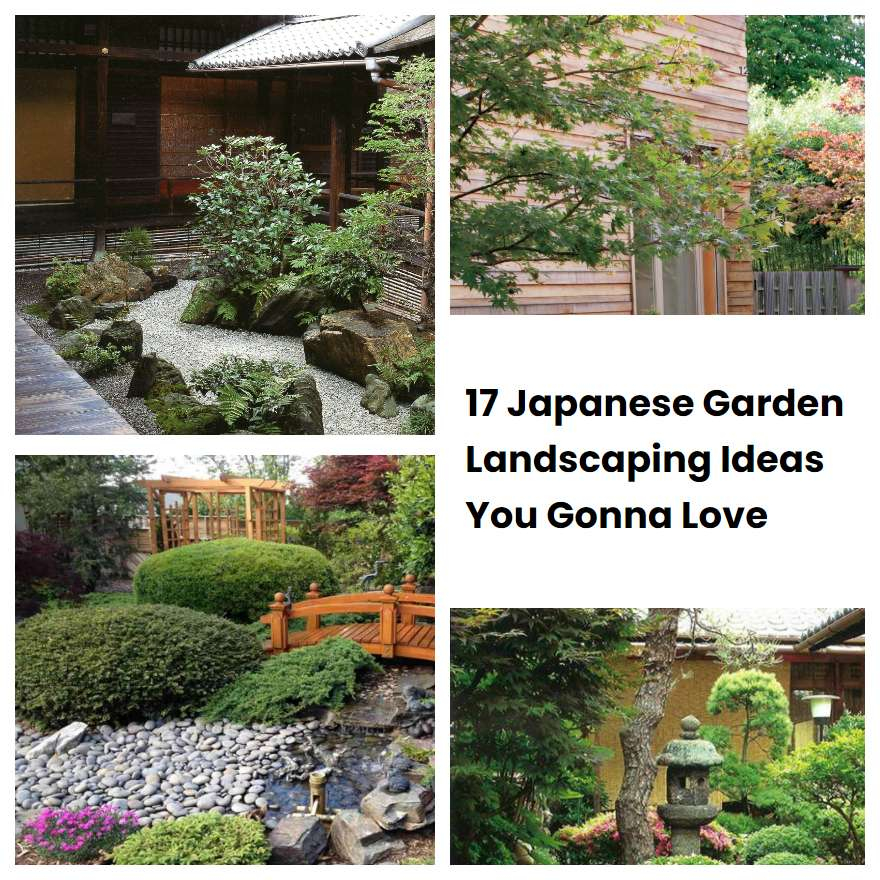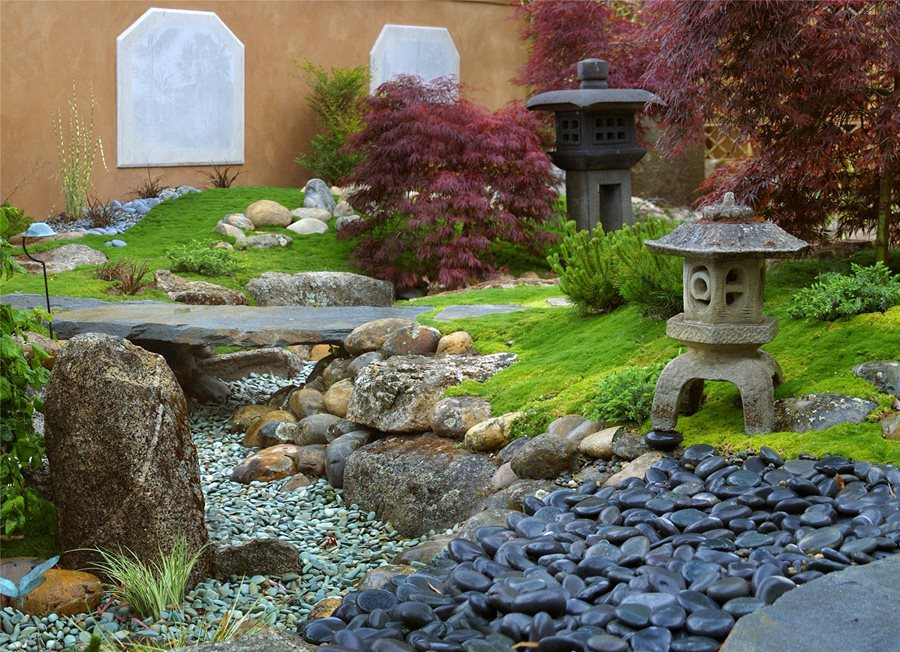

Have you ever stood in a garden and felt your shoulders drop? Not just because it was pretty, but because the air itself seemed to slow down. That’s the magic we’re chasing. It isn’t about copying a postcard from Kyoto. It’s about capturing a feeling. A sense of place. In 2026, as our lives get louder and faster, the pull toward these quiet spaces is stronger than ever. You don’t need acres of land. You don’t even need a huge budget. You just need to understand the soul of the design.
Many people think a Japanese garden is just a bunch of rocks and a maple tree. But that’s like saying a symphony is just noise. It’s the arrangement. The silence between the notes. It’s the intention behind every prune and every stone placed. We are going to walk through the real essentials. Not the tourist traps, but the deep, rooted principles that make these gardens breathe. Whether you have a tiny balcony or a sprawling backyard, the rules remain surprisingly similar. Let’s dig in.
The Philosophy of Empty Space
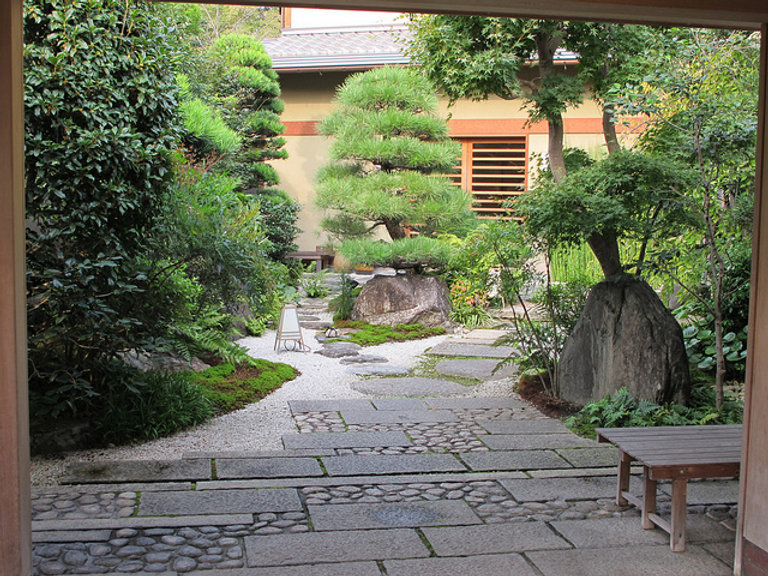
Before you buy a single plant, you need to understand ma. It’s a Japanese concept that doesn’t translate perfectly, but it roughly means "negative space" or "the pause." In Western gardening, we often fear empty spots. We want to fill every corner with color. We want maximum impact. Japanese design does the opposite. It celebrates the void. The space between objects is just as important as the objects themselves. Think of it like breathing. If you inhale constantly without exhaling, you’ll suffocate. Your garden needs room to breathe too.
When you look at recent design trends in 2025 and 2026, there’s a huge shift back toward minimalism. But this isn’t sterile minimalism. It’s warm. It’s organic. Experts suggest planning for lots of space between your elements. Don’t crowd your stones. Don’t pack your shrubs together. Let the eye rest. This creates a sense of depth, even in small areas. If you cram everything in, the garden feels small and chaotic. If you leave gaps, it feels expansive. It’s a trick of the mind, really. By leaving space, you invite the viewer to step into the scene mentally.
So, how do you practice this? Start by removing things. Yes, removing. Look at your plot. What can go? Maybe that cluster of three pots becomes one. Maybe that wide path narrows. Ask yourself what is essential. If an element doesn’t serve a purpose or bring joy, let it go. This restraint is hard. It goes against our instinct to decorate. But remember, the goal is tranquility. Clutter is the enemy of peace. Embrace the empty patches of gravel or moss. Let them speak.
Stone as the Bones of the Garden
If plants are the flesh of the garden, stones are the bones. They provide the structure. The permanence. In Japanese tradition, rocks are not just decorations; they are sacred. They represent mountains, islands, or even living beings. Choosing them is a serious task. You shouldn’t just pick up any old rock from the driveway. You want stones that look like they’ve been there for centuries. Weathered. Moss-covered. Natural. Recent advice from landscape architects emphasizes using locally sourced natural stones. It’s more sustainable, sure, but it also helps the garden feel like it belongs to the land it sits on.
Placement is everything. Never place stones in a straight line or a perfect triangle. Nature doesn’t do straight lines. Nature is messy and asymmetrical. Try grouping stones in odd numbers—three, five, or seven. This creates a dynamic balance. One large stone might be the "parent," with two smaller ones as "children." This hierarchy gives the eye something to follow. It tells a story. Also, pay attention to the base. Stones should look like they are emerging from the earth, not sitting on top of it. Bury the bottom third. This anchors them. It makes them look ancient.
And don’t forget the scale. A common mistake is using stones that are too small for the space. They look like pebbles, not mountains. Or vice versa. Keep the plants in proportion to the size of your stones. If you have a massive boulder, don’t surround it with tiny, delicate ferns that get lost. Use substantial shrubs or groundcovers like moss to tie it all together. Moss is a great equalizer. It softens the hard edges of the rock and blends it into the soil. It adds that crucial layer of age and mystery.
Water as the Spirit
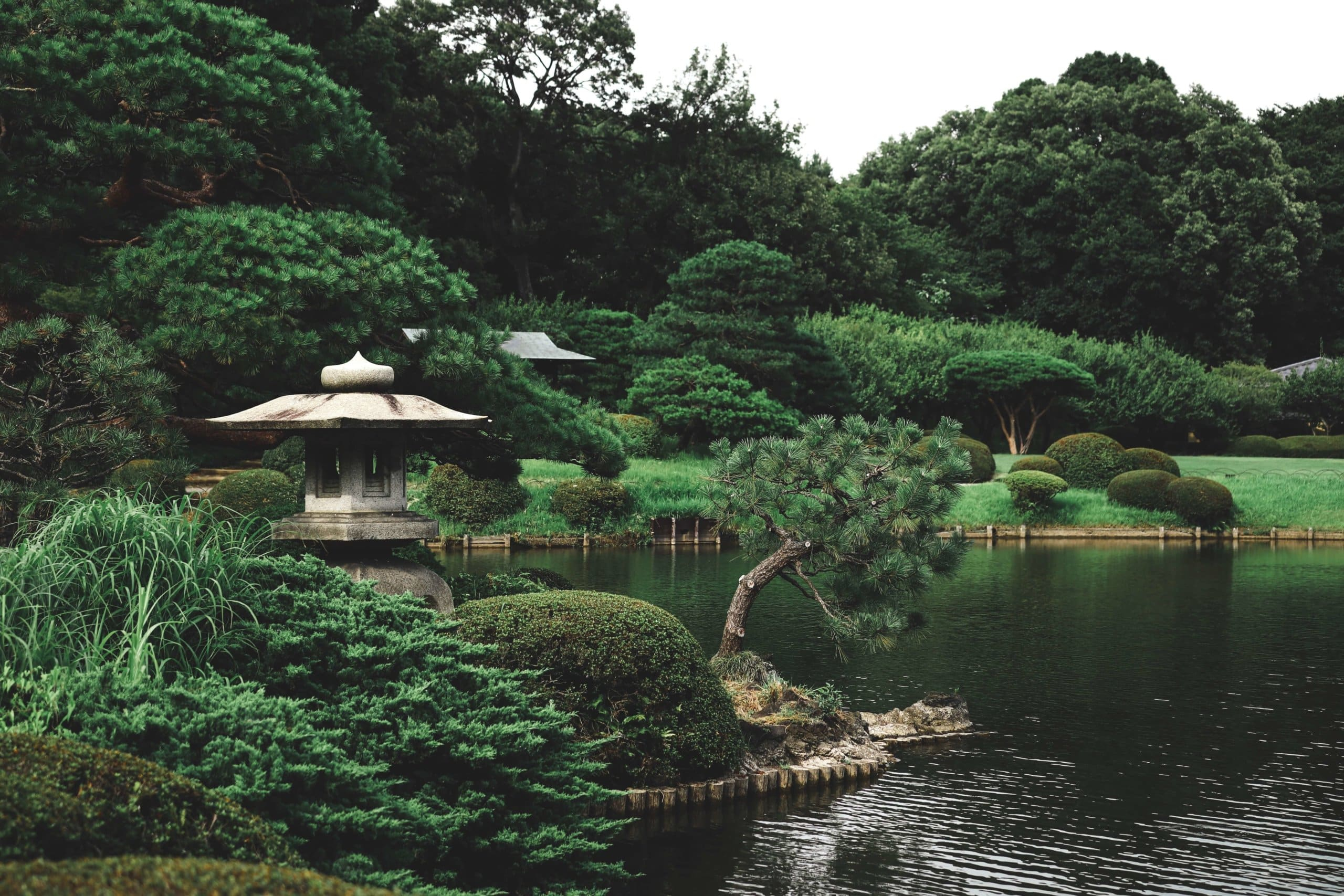
Water is the spirit of the garden. It brings movement. Sound. Life. But here’s the thing: it doesn’t have to be a huge pond. In fact, in many traditional tea gardens, water is represented symbolically. A dry landscape garden uses raked gravel to mimic waves. But if you want real water, keep it simple. A small stream. A still pool. Or even a tsukubai, which is a stone water basin used for ritual purification. These are perfect for smaller spaces. They require minimal installation but deliver that essential auditory element.
The sound of water is key. It masks the noise of the city. The traffic. The neighbors. It creates a white noise blanket that helps you disconnect. When positioning a water feature, think about where you will sit. You want to hear it, but not necessarily see the source immediately. Hidden sources create intrigue. Where is that sound coming from? It draws you deeper into the garden. Recent guides from 2025 highlight that even a simple water bowl can provide a habitat for wildlife, adding another layer of life to your space. Birds love them. Bees need them. It connects your private sanctuary to the wider ecosystem.
Maintenance is the other side of the coin. Stagnant water is not zen. It’s a mosquito breeding ground. Keep it clean. Keep it moving if possible. A small solar pump can do wonders. If you choose a dry garden instead, the maintenance shifts to raking. The patterns in the gravel must be kept crisp. This act of raking is meditative in itself. It’s a daily practice. A way to clear your mind while you clear the surface. Whether wet or dry, the water element represents flow and change. It reminds us that nothing stays the same.
Plants That Whisper, Not Shout
Forget the explosion of color you see in English cottage gardens. Japanese gardens are about subtlety. Form over flower. Structure over splash. Yes, there are blooms. Azaleas can be stunning, with their fiery oranges and deep reds. But they are used sparingly. They are accents, not the main event. The real stars are the evergreens. Pine trees. Junipers. Yews. These provide the year-round backbone. They stay green when everything else dies back. They offer stability.
Pruning is an art form here. You aren’t shaping bushes into balls or animals. That’s topiary, and it’s a no-go. Instead, you are pruning to reveal the natural shape of the tree. You open up the branches to let light through. You create "clouds" of foliage. This takes time. It takes patience. You might only prune a little bit each season. But over years, the tree transforms. It looks windswept. Ancient. Like it has survived storms. This aesthetic is called niwaki, or garden trees. It’s distinct from regular pruning. It’s sculptural.
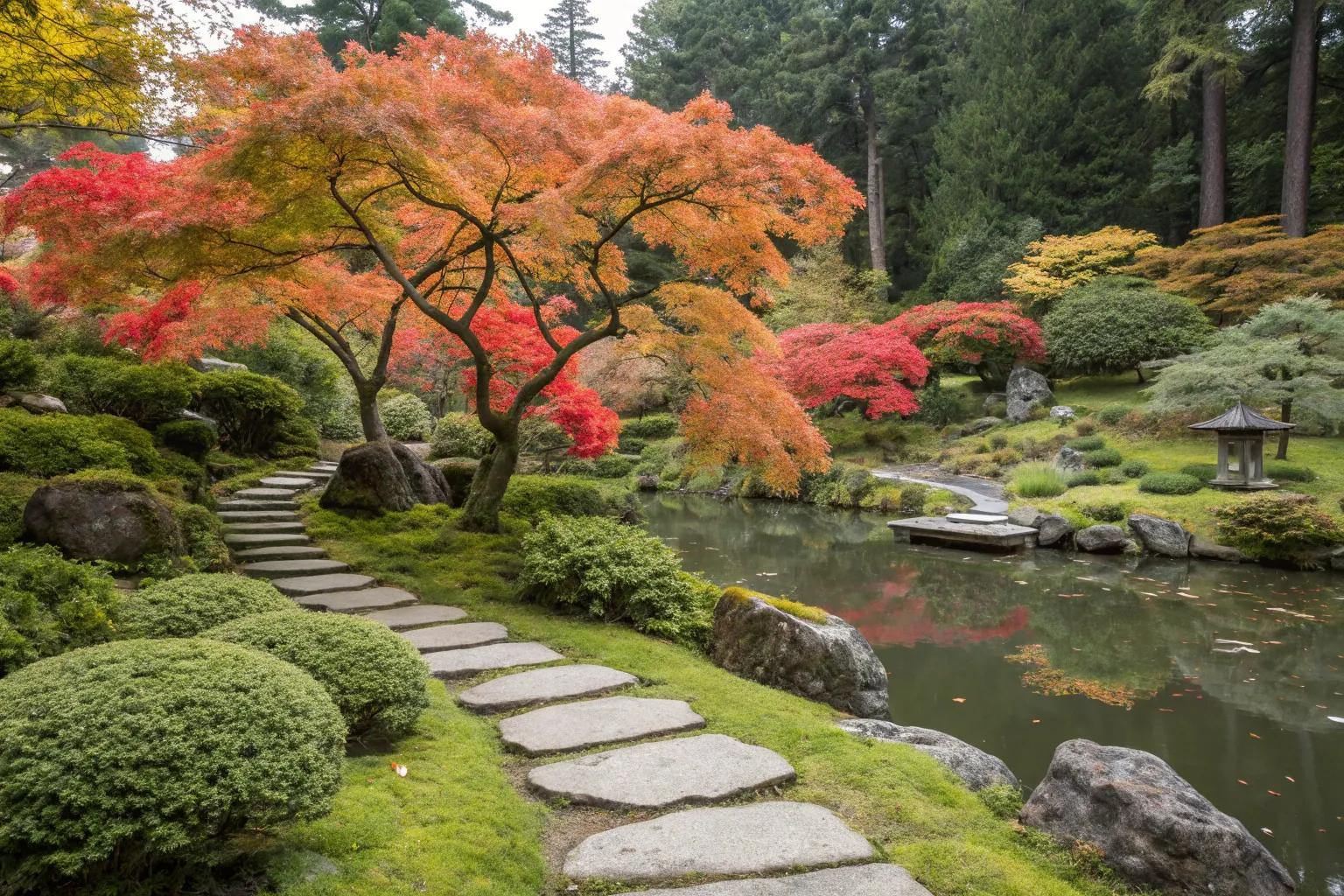
Groundcovers are equally important. Moss is the king, but it’s hard to grow in dry, sunny spots. If you can’t grow moss, don’t force it. Use alternatives like creeping thyme or fine fescue. The goal is a carpet of green that unifies the space. Avoid large patches of bare dirt. It looks unfinished. Also, consider the seasons. A Japanese garden changes throughout the year. Spring brings cherry blossoms (if you have the space). Autumn brings the fiery maples. Winter brings the stark beauty of bare branches against snow. Choose plants that offer interest in different seasons so your garden never feels dead.
Paths That Guide the Journey
A path in a Japanese garden is never just a way to get from point A to point B. It’s a journey. It controls how you experience the space. Straight paths are rare. They are too efficient. Too direct. Instead, use curved paths. Meandering trails. Stepping stones. These force you to slow down. You have to watch your feet. You have to pay attention. This mindfulness is the whole point. The path reveals the garden in vignettes. You can’t see the whole thing at once. You discover it piece by piece.
Stepping stones, or tobi-ishi, are particularly effective. They dictate your pace. You can’t rush on stepping stones. You have to step, pause, step, pause. This rhythm calms the mind. Arrange them irregularly. Don’t make them evenly spaced. Some close together, some further apart. This mimics the uneven terrain of nature. It feels organic. Also, vary the size and shape of the stones. Flat ones for easy stepping. Rougher ones for texture. Make sure they are stable. Wobbly stones break the spell. They make you anxious instead of relaxed.
Bamboo fences or hedges can line these paths to create enclosure. This sense of privacy is crucial. You want to feel hidden. Protected from the outside world. Even if your neighbor’s house is right there, a well-placed fence can block the view. It creates a separate reality. Inside the fence, you are in the garden. Outside, you are in the world. The transition matters. Consider adding a gate. Passing through a gate signals a shift in mindset. You are leaving your worries behind. Enter the sanctuary.
Finally, let’s talk about the ornaments. Stone lanterns. Bamboo deer scarers. Wooden bridges. These are the jewelry of the garden. But like any jewelry, less is more. One beautiful lantern is better than ten cheap ones. Place them with intention. A lantern might mark a transition. Or highlight a specific tree. Or sit by the water’s edge. Traditionally, they were used to light the way for tea ceremonies. Today, they are mostly decorative, but they still carry that weight of history. Choose weathered stone or aged bronze. Avoid shiny new plastics. They break the illusion.
Imperfection is welcome here. In fact, it’s desired. There’s a concept called wabi-sabi, which finds beauty in things that are imperfect, impermanent, and incomplete. A cracked pot. A mossy stone. A tree with a twisted trunk. These things have character. They show the passage of time. Don’t try to make everything perfect. Let the moss grow where it wants. Let the leaves fall. Embrace the decay. It’s part of the cycle. Recent articles note that Japanese gardeners appreciate this transience. It reminds us to live in the moment. Because this moment, with this light and this leaf, will never come again.
Also, consider the hidden details. A small statue half-buried in ferns. A unique rock that looks like a turtle. These discoveries delight the viewer. They reward close observation. They encourage you to look closer. To engage with the space. Don’t shout these features. Whisper them. Let them be found, not forced. This subtle approach builds a relationship between you and the garden. It becomes a place of discovery. Every visit offers something new if you pay attention. And isn’t that what we all need? A place that asks us to pay attention.
Creating an authentic Japanese garden is a journey, not a destination. It evolves. Just like you. Start small. Focus on the bones. Add the spirit. Let it breathe. Don’t rush. There is no deadline. The garden will teach you patience if you let it. And in the end, that’s the greatest gift of all.