
Ever looked out at your backyard hill and just sighed. You are definitely not alone. A lot of homeowners look at a steep, grassy incline and see nothing but a mowing nightmare or a slip-and-slide hazard waiting to happen. It is easy to feel like that part of your yard is completely wasted space.
But what if you stopped fighting the slope and started working with it. Transforming a tricky hill into a stunning, multi-level sanctuary is easier than you think, and you do not need a massive bank account to pull it off. By adding some basic garden stairs, you can open up a whole new world of accessibility and charm right outside your door.
The Secret Potential of a Sloped Yard
We often look at flat ground as the ideal setup for a garden, but flat can sometimes be a little boring. A slope gives you layers, depth, and a natural way to separate different zones in your yard. Think of it as a blank canvas with built-in personality. When you build steps, you are not just making it safer to walk around; you are creating a visual pathway that draws the eye upward and makes your outdoor space feel way bigger than it actually is.
Many landscape designers point out that adding hard elements, like steps, actually helps blend different parts of your yard together. For instance, you can use the same types of stone or wood for your stairs that you use on your main patio. This makes the whole garden look connected, allowing one area to gently fade into the next.
Finding the Right Materials Without Breaking the Bank
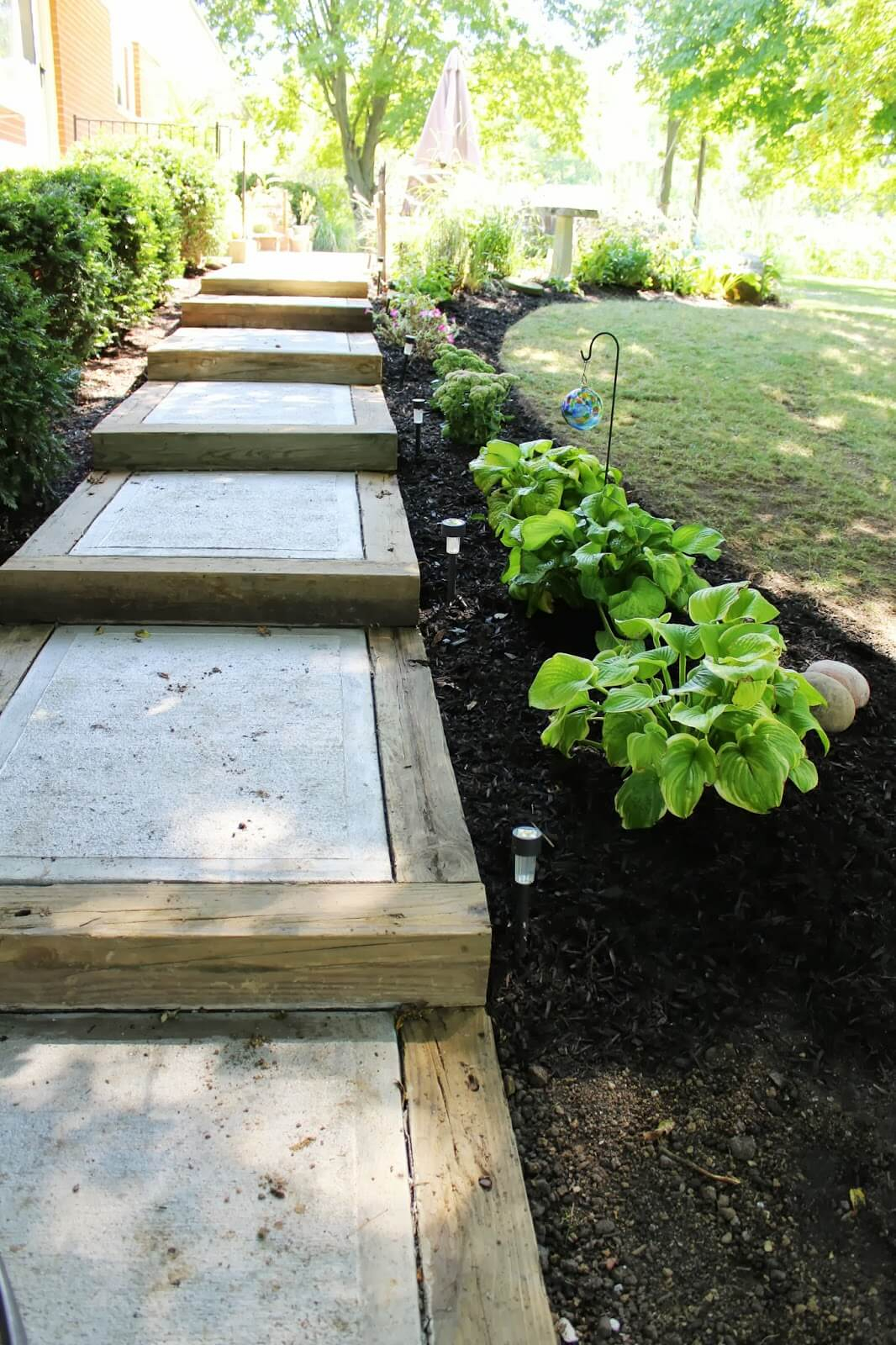
You do not need to spend a fortune to get great results. In fact, some of the most beautiful garden paths on a hill are made from simple, budget-friendly materials. Wood timbers, thick tree branches, and heavy gravel are fantastic options for a rustic look. If you prefer something more classic, flat flagstones or even stacked concrete blocks can give you a clean finish without draining your wallet.
The trick is choosing stuff that matches the vibe of your home. If you live in a modern place, crisp concrete blocks look awesome. If your home is more traditional or rural, rough-cut timber or natural stone fits right in. Plus, using local stones or reclaimed wood is a great way to save cash and keep things eco-friendly.
Planning and Measuring Your New Walkway
Before you go digging up the dirt, you need to do a little bit of homework. Planning where your stairs will go is super important for safety. You want to figure out how high the hill is and how long the path will be. This helps you calculate how many steps you need so nobody is tripping over mismatched heights.
A good rule of thumb for outdoor stairs is to make them wider and deeper than indoor steps. Nature feels open, so your stairs should too. If your incline is super steep, you might want to consider a winding path that snakes up the hill instead of a straight line. It makes the walk much easier and looks incredibly inviting.
Step-by-Step: Building Your DIY Stairs
Starting the actual work might feel a bit scary, but if you take it one step at a time, it is totally doable. First, you will want to clear out the weeds and dig out flat notches into the hillside where each step will sit. Think of it like carving out shelves in the dirt.
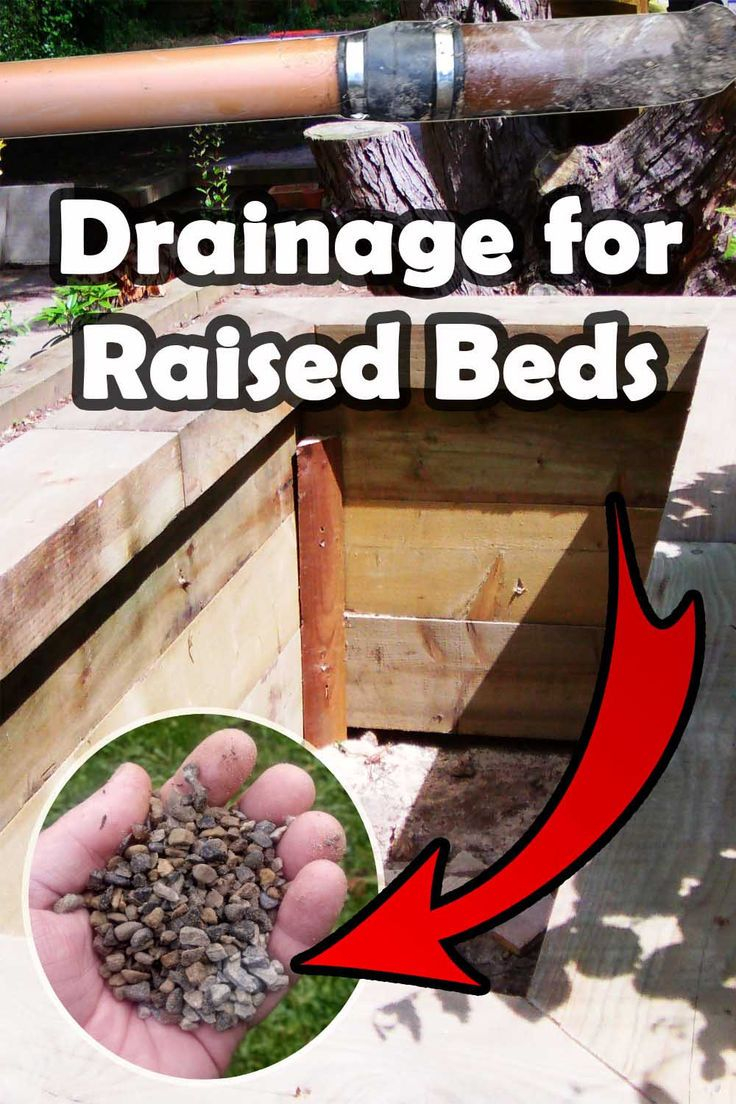
Once your notches are ready, you put down your front barriers, like heavy wooden beams, and secure them deeply into the ground with metal stakes. After the frames are locked tight, you fill the empty space behind them with crushed rock or gravel. This gives you a solid, flat surface to step on and stops water from pooling when it rains.
Plants and Rocks: Adding the Finishing Touches
Once the main structure is built, the real fun begins. Nobody wants just plain slabs of wood or stone sitting on a hill. You want to soften those hard edges with beautiful plants. Ground covers, creeping thyme, and colorful perennial flowers planted right along the sides of your steps will make the structure look like it grew there naturally.
Tossing in a few large rocks next to the staircase can also help hold the soil in place and prevent erosion. Plus, it adds an extra layer of texture. As the seasons pass and the plants start to spill over the stones, your old, awkward hill will transform into a cozy, living oasis.
Keeping Your Steps Safe and Long-Lasting
After putting in the effort to build your new stairs, you want them to last for years to come. Maintenance is usually pretty simple. Every now and then, check to see if any gravel has washed away or if a stone has shifted out of place.
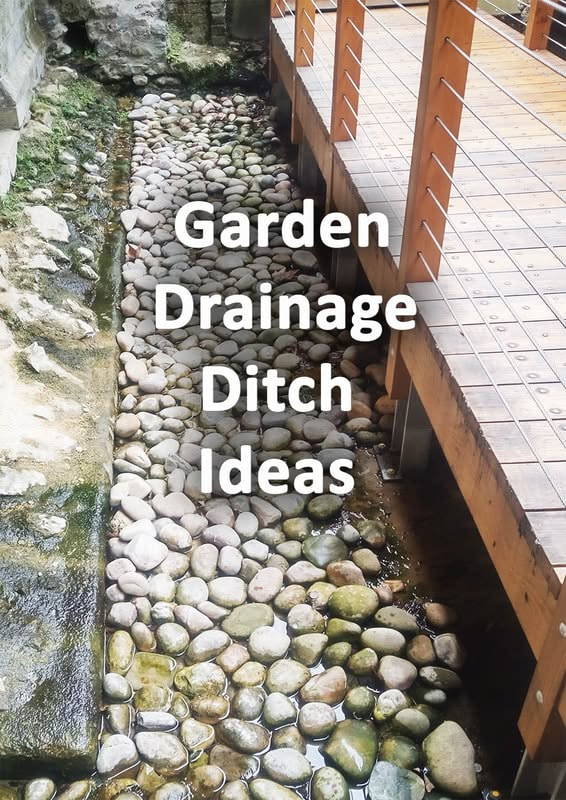
Good drainage is the most critical part of keeping your stairs stable. If water flows right down the middle of your path during a heavy storm, it can wash out your hard work. Adding small gravel trenches on the sides can guide rainwater away safely, keeping your beautiful new walkway solid and secure for a long time.
Taking on a sloping yard might seem like a headache at first glance. But with a little patience, some basic tools, and a handful of steps, you can turn a frustrating hill into your favorite spot to relax. It breaks up the long incline, cuts down the risk of slipping, and gives you a completely new perspective on your property.
So, stop avoiding that awkward slope in your backyard. Grab a shovel, pick out some beautiful materials, and start building. You will be amazed at how a few simple landscape stairs can completely change how you use and enjoy your outdoor home.