
We have all been there. You look out the window in the spring sunshine and instead of a beautiful green carpet, your yard looks like a patchy, brown checkerboard. Maybe the winter weather was brutal, or perhaps pests had a party under the dirt. It is incredibly frustrating, especially when your neighbor’s yard looks like a pristine golf course.
So, how much is this going to set you back this year? In 2026, prices for everything from grass seed to hired help have shifted quite a bit. Let’s look past the glossy magazine promises and dive straight into the actual numbers so you can plan without any nasty surprises.
Diagnosing the Underlying Damage First
Before throwing money at the dirt, you need to know why the grass died in the first place. Is it because your soil is too acidic, or did grubs eat the roots. If you do not fix the root cause, whatever new grass you plant will just perish again next season, which is a massive waste of cash.
A basic soil test kit from a local garden center will cost you around $15 to $30. If you want a university lab to analyze it for a deeper look, expect to pay $40 to $60. It is a small upfront price that saves you hundreds down the road.
The DIY Route: Buying Materials Yourself
If you enjoy breaking a sweat on the weekend, fixing the patches yourself is the cheapest way to go. For a standard quarter-acre lot with moderate bare spots, you will need high-quality grass seed, which runs about $35 to $90 per bag depending on the blend. Fescue is usually cheaper, while premium Kentucky Bluegrass costs more.
You also need starter fertilizer and maybe some topsoil to cover the seeds. Figure another $40 to $80 for those supplies. If you don’t own a spreader or a lawn roller, renting them from a hardware store adds roughly $25 to $50 for the day. Altogether, a basic DIY patch job usually totals between $120 and $280.
When to Hire Pros and What They Charge
Sometimes the damage is just too overwhelming, or you simply do not have the free time. Hiring a local lawn care service to handle overseeding and patch repair changes the math entirely. Labor is the main driver of cost here in 2026.
For a professional crew to come out, prep the dead areas, aerate the soil, and apply seed and feed, you are looking at an average bill of $400 to $900 for a medium yard. If your soil is severely compacted and requires heavy power-seeding, the price can easily climb past $1,200.
Sod vs. Seed: The Quick Fix Premium
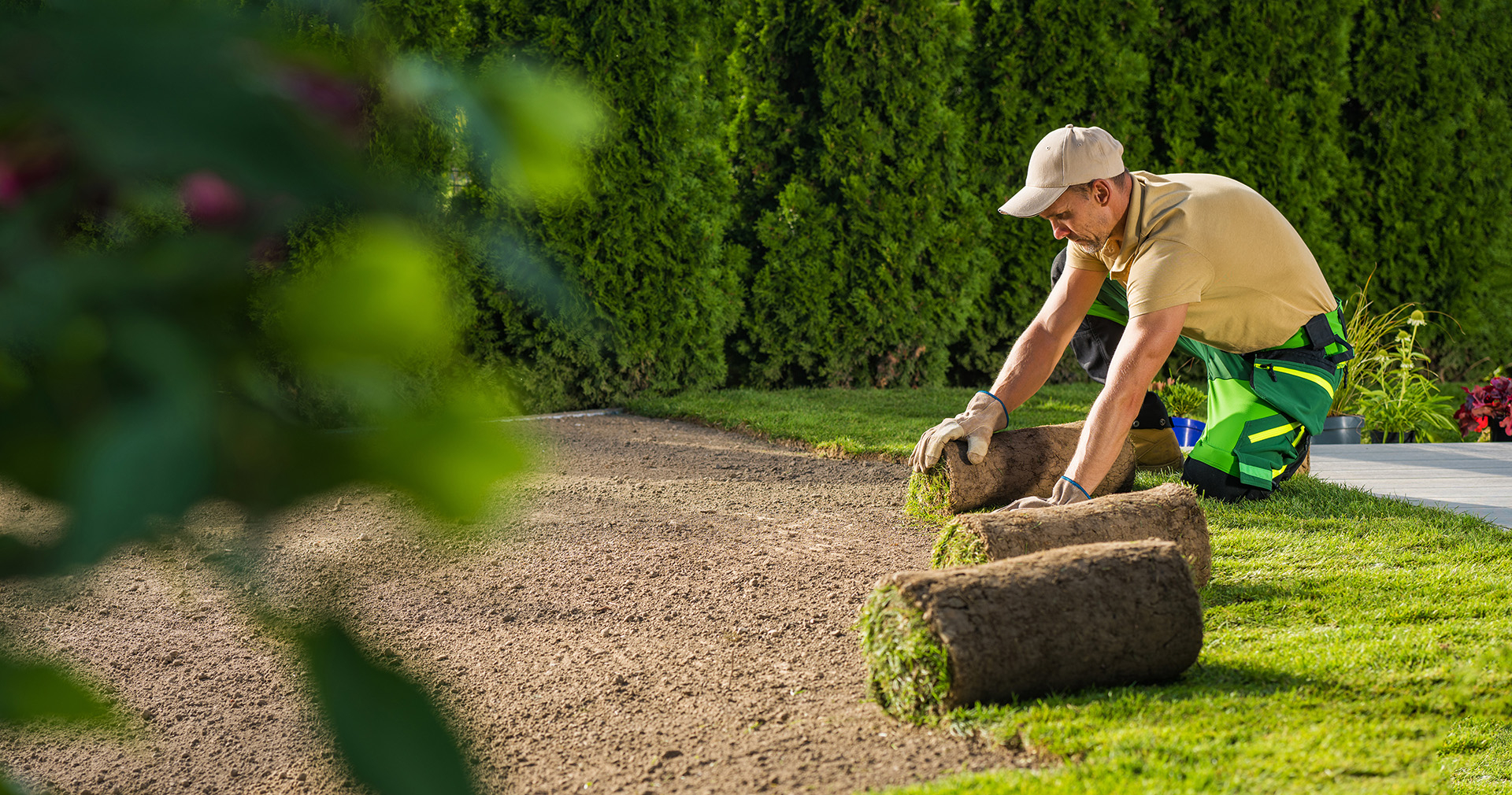
If you are impatient and want the bare spots gone by tomorrow, sod is your main option. It gives you an instant lawn, but you will pay a steep premium for that immediate gratification.
A single pallet of sod covers about 450 square feet and costs around $150 to $300 just for the grass itself. If you pay a company to deliver, prepare the ground, and lay it down perfectly, the total price can quickly jump to $2 to $5 per square foot. Patching a few small areas with sod squares is manageable, but redoing a whole section gets pricey fast.
Hidden Expenses You Might Forget
There are always extra fees that sneak up on you during a yard project. The biggest one is water. New grass seed needs to stay constantly moist, meaning you will be running your sprinklers two or three times a day for a few weeks.
Depending on your local city water rates, you might see your monthly utility bill spike by $50 to $150 during the establishment phase. Additionally, if you have a bad weed problem that is choking out the good grass, buying selective weed killers can add an extra $30 to $70 to your budget.
Where you live plays a massive role in what you will actually spend. Homeowners living in the Northeast or the Midwest often deal with cool-season grasses that are relatively affordable to reseed.
However, if you live in the hot South or West, you are likely dealing with Bermuda or Zoysia grass. These warm-season varieties often require more expensive plugs or specialized care, which can drive up total renovation costs by roughly 20% to 30% compared to northern regions.
Bringing a patchy yard back to life doesn’t have to break the bank if you budget carefully. For minor issues, spending a couple of hundred dollars on a weekend DIY project is usually more than enough to get the green back. Just take it one step at a time, check your soil, and keep those new seeds watered.