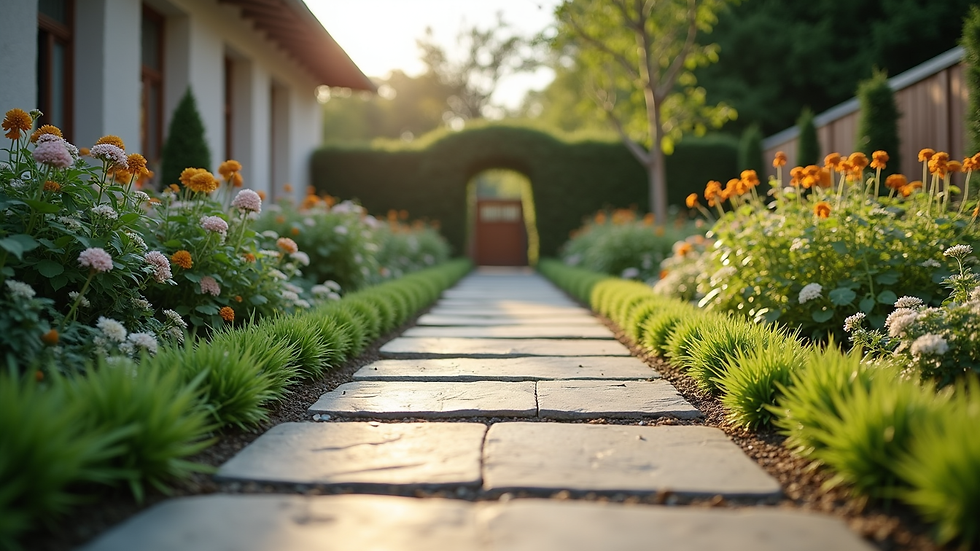

You’ve got that vision, don’t you? That perfect outdoor oasis, a place where memories are made under the sun and stars. Maybe it’s a sprawling deck for entertaining, a tranquil water feature, or an outdoor kitchen that makes your neighbors green with envy. It all starts with a dream, a Pinterest board bursting with inspiration, and a rough idea of what it might cost.
But then, something funny happens. The estimates start rolling in, and they’re… well, they’re not quite what you pictured. And as the project gets underway, those numbers just keep climbing. What’s going on? Where’s all that extra cash going? It’s not just the big-ticket items; it’s often the subtle, unseen elements that quietly, relentlessly, drive up your backyard renovation costs. Let’s peel back the layers and see what’s really happening out there in 2026.
The Ground Beneath Your Dreams: Unseen Site Conditions
You might think your backyard is just… dirt. Simple, right? But the earth underfoot is a complex beast, and it holds some of the biggest financial surprises. Before any fancy patio or pool can go in, someone’s got to deal with what’s lurking beneath the surface. We’re talking about soil composition – is it sandy, clay-heavy, or full of expansive rock? Each type presents its own challenges, affecting everything from drainage to the stability of foundations. I’ve heard countless tales from homeowners who thought they had a clear shot, only for their contractor to hit a massive granite boulder or a forgotten concrete slab from a previous structure. Excavating these unexpected obstacles isn’t cheap, requiring specialized equipment and extra labor hours.
Then there are drainage issues. Even a slight slope can mean major problems if not addressed correctly. Poor drainage can lead to water pooling, foundation damage to your house, and even destroy new landscaping. Getting proper grading and perhaps even a French drain system installed adds a significant, often unbudgeted, cost. And don’t forget tree roots! That beautiful old oak might look perfect, but its root system could be an underground labyrinth, making excavation a nightmare and requiring careful, expensive work to protect the tree while still building your dream. A simple soil test upfront can save you thousands down the line, believe me.
The Permit Maze and Regulatory Roadblocks
Ah, permits. The bane of many a homeowner’s existence, yet absolutely essential. In 2026, local regulations are more stringent than ever, and what you plan to build in your backyard almost certainly requires some form of approval. Think a new deck is just a few planks and nails? Nope. It needs to meet specific structural codes, setback requirements from property lines, and often a permit. Building a shed, putting in an outdoor kitchen with gas lines, or even significantly altering drainage can trigger a whole host of permits from your city or county.
And it’s not just the permit fees themselves, which can range from a few hundred to several thousand dollars depending on the project’s scope. It’s the time it takes to get them, the potential for revisions if your plans don’t meet current codes, and the inspections along the way. Homeowners’ Associations (HOAs) add another layer of complexity, often having their own strict rules and approval processes that can delay a project by weeks or even months. Skipping permits? That’s a huge gamble. Fines, forced demolition, and difficulty selling your home later on are very real consequences. Always check with your local planning department and HOA early in the process.
Material Mayhem and Supply Chain Surprises
Remember the wild fluctuations in lumber prices a couple of years back? Well, the global supply chain, while a bit steadier in 2026, still has its moments. Material costs are a constantly shifting target, and what was quoted today might be different next month. Everything from concrete and pavers to composite decking and outdoor appliance components can see price hikes due to raw material availability, shipping costs, and demand. You might have your heart set on a specific type of natural stone, only to find it’s backordered for months or its price has suddenly shot up.
Sometimes, the "hidden" cost here isn’t just the price increase, but the premium you pay for expediting materials or having to switch to a more expensive, readily available alternative. It’s also the temptation to upgrade. You start with a basic paver, but then you see the premium, permeable ones and think, "Oh, just a little bit more, it’ll look so much better." Those "little bits" add up incredibly fast, turning a modest material budget into a behemoth. Discuss material lead times and potential substitutions with your contractor right from the start.
The Labor Ledger: Expertise Doesn’t Come Cheap
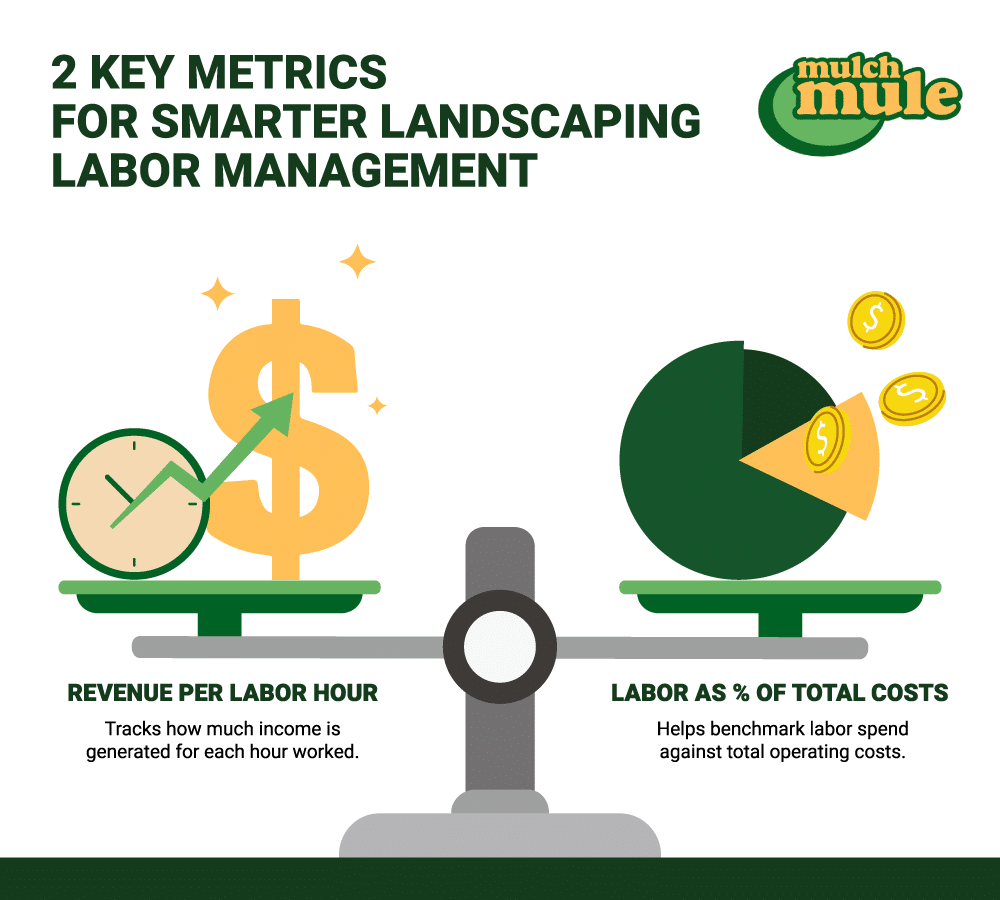
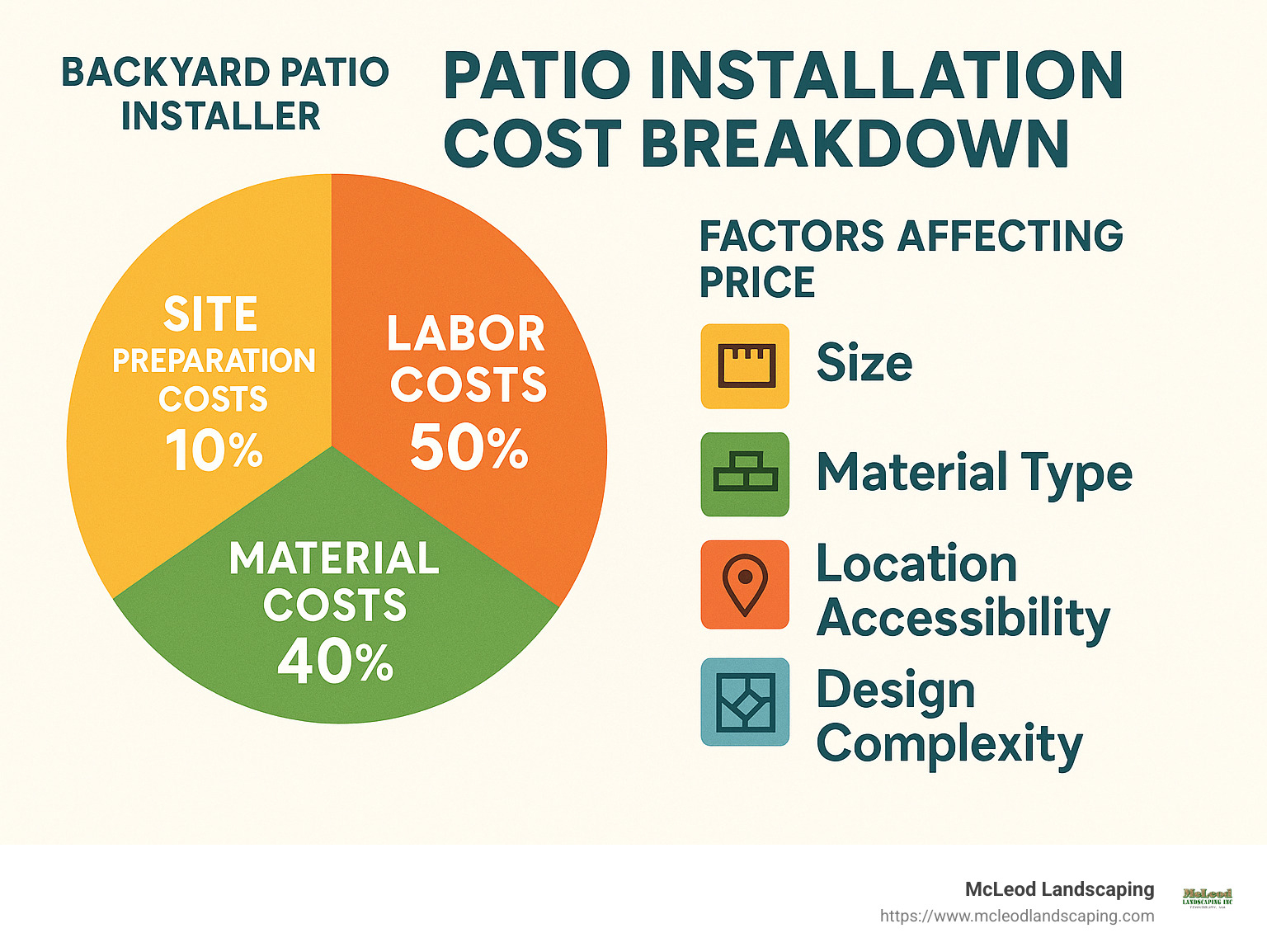
Finding skilled tradespeople in 2026 is no small feat. The demand for quality landscapers, masons, electricians, and plumbers specializing in outdoor work remains high, and their expertise comes at a premium. This isn’t just about paying someone a fair wage; it reflects their specialized knowledge, experience, and the tools they need to do the job right. What might seem like a simple task, like installing outdoor lighting, often requires a licensed electrician to run new lines and ensure everything is up to code and safe for outdoor conditions.
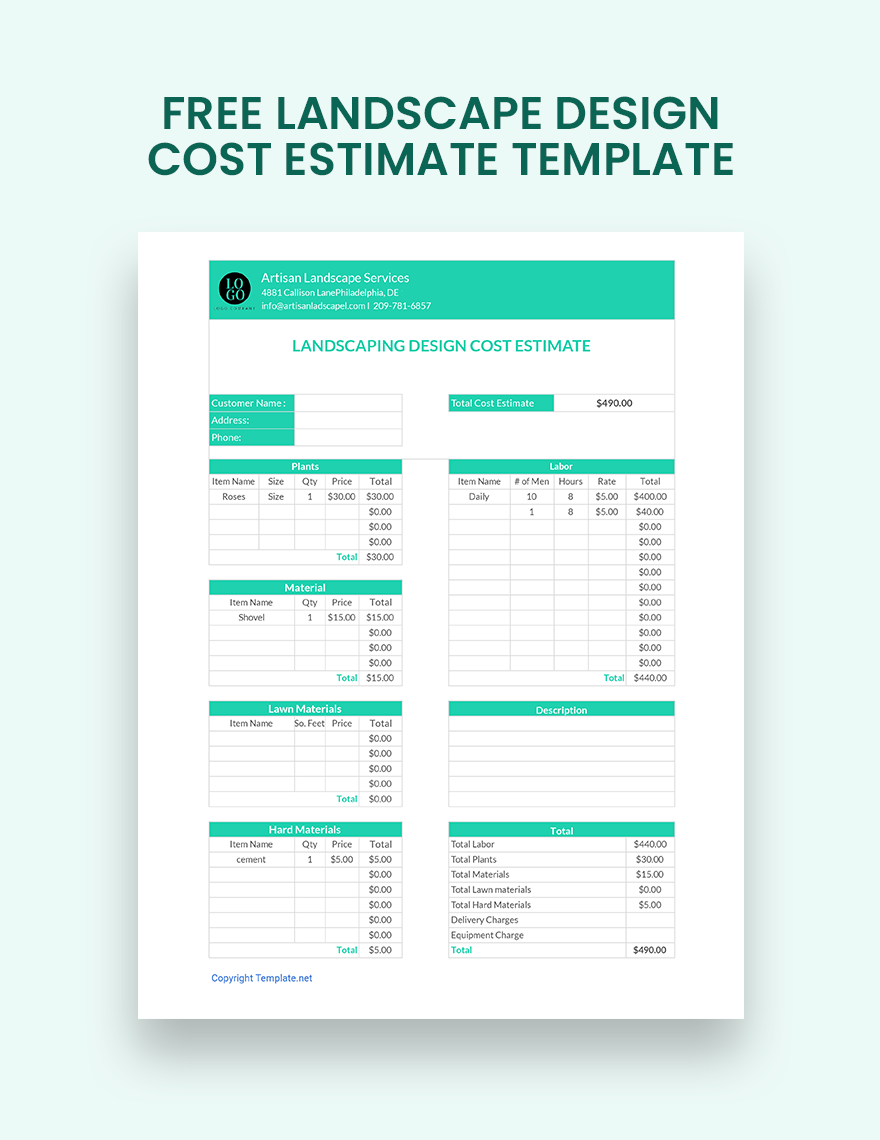
Unexpected labor costs can also creep in when a project takes longer than anticipated due to unforeseen site conditions, weather delays, or even minor design changes. Every extra day on site means more wages, more equipment rental, and more overhead for your contractor. Sometimes, a general landscaper might quote a low price, but then they have to sub-contract out specialized work, adding their own markup to the cost. It’s always best to get a detailed breakdown of labor costs and understand who will be doing what work. Choosing the cheapest bid often means compromising on quality or expertise, and that usually costs more in the long run when you need to fix shoddy work.
Scope Creep: When "Just a Little Bit More" Adds Up
This is perhaps the most insidious hidden cost of all, because you are often the one driving it! You start with a clear plan for a simple patio, but then you think, "While they’re here, maybe we should add a small fire pit." Then, "Oh, and a retaining wall would really make this pop." Before you know it, that simple patio has morphed into a multi-tiered outdoor living space with integrated lighting and a built-in grill. This phenomenon, affectionately known as "scope creep," is a budget killer. Each addition, no matter how small it seems, impacts materials, labor, design, and potentially even requires new permits.
Even small changes to the original design can have ripple effects. Moving a planter by a foot might mean rerouting an irrigation line, or changing the type of stone might require a different base preparation. These changes, while seemingly minor, can disrupt the workflow, require extra trips for materials, and lead to additional charges. Having a very firm, detailed plan before construction begins is your best defense against scope creep. And then, sticking to it!
No matter how meticulous the planning, how experienced the contractor, or how clear the communication, something, somewhere, will inevitably go awry. It’s the "oops" factor, the unforeseen circumstance that throws a wrench in the works. Maybe an old, unmarked utility line gets nicked during excavation. Perhaps a heavy rainstorm washes out a freshly graded area, requiring rework. Or maybe a delivery of materials is delayed, leaving a crew idle for a day. These are the truly hidden costs, because no one can predict them with certainty.
That’s why a robust contingency fund is absolutely critical. Most experts, myself included, recommend budgeting an additional 15% to 20% above your initial project estimate specifically for these unexpected issues. It’s not money you hope to spend, but it’s money you’ll be incredibly grateful to have when the inevitable hiccup occurs. Think of it as an insurance policy for your peace of mind and your budget. Without it, these "oops" moments can quickly derail your entire project and force difficult, expensive decisions mid-construction.
So, as you embark on your backyard transformation journey, remember that the initial estimate is just the starting point. The real cost often lies in these invisible factors – the ground beneath, the rules governing construction, the ever-changing material market, the value of skilled hands, your own evolving vision, and the unpredictable nature of any complex project. By understanding these hidden drivers, you’re not just preparing your wallet; you’re empowering yourself to make smarter decisions, ask the right questions, and ultimately, create that dream backyard without the nightmare of unexpected bills. A little foresight and a healthy contingency fund go a long, long way.