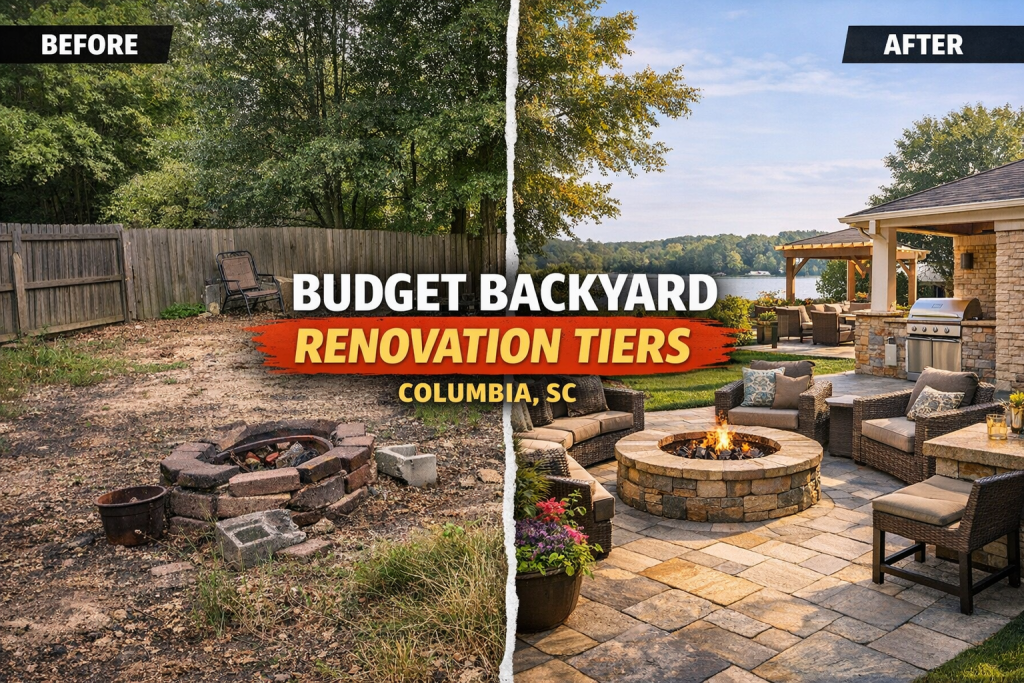

There is something deeply satisfying about defining the edges of your outdoor space. When you finally decide to put up a garden wall, you are not just stacking bricks or stones; you are shaping the very character of your backyard. Yet, as many homeowners discover once the dust settles, the bill can sometimes bring an unexpected shock.
Building a backyard partition involves far more than simply paying for a few cinder blocks and some mortar. Prices shift based on inflation, material choices, and labor availability. Understanding these hidden financial components helps you budget properly before the first shovel ever touches the dirt.
Material Choices and Their Surprising Price Tags
The materials you select will form the backbone of your project budget. Traditional clay bricks, modern concrete blocks, and natural stone all carry completely different price points. For instance, basic concrete blocks might cost between fifty and sixty-five dollars per square meter, whereas high-end natural stone can easily double or triple that investment.
You also have to think about what lies beneath the surface. Mortar, cement, and concrete for footings add up quickly, especially for double-skin structures. Choosing reclaimed bricks can sometimes save money, but tracking them down and cleaning them often introduces extra labor costs that people forget to calculate.
Labor Rates and Professional Contractor Fees
Unless you plan on laying every single brick yourself, hiring skilled labor will make up a massive chunk of your total expenses. Masonry day rates in 2026 reflect a steady climb in skilled trade compensation. Professional bricklayers typically charge anywhere from two hundred and sixty to three hundred dollars per day, or roughly thirty-five dollars an hour.
Complex designs like curved walls or intricate bonding patterns require specialized skill and more time on the job. That means your labor invoice will swell if your design ideas go beyond a simple, straight boundary line. Paying for experience usually guarantees structural integrity, but it requires deep pockets.
Ground Preparation and Excavation Realities
Before any masonry begins, the ground needs to cooperate. If your yard is full of stubborn tree roots, heavy rocks, or uneven slopes, site prep will demand extra financial attention. Clearing out brush, grading soil, and digging trenches for proper foundations can add hundreds or even thousands of dollars to your initial estimate.
Neglecting this foundational step is a recipe for disaster. Walls built on shifting earth or uncompacted soil will eventually crack and lean. Investing in proper excavation and deep footings protects your wall from collapsing down the road, making it a non-negotiable expense.
Permits, Local Regulations, and Engineering Fees
Depending on where you live, you might need official permission before building your new structure. Many local municipalities require permits for any wall exceeding a certain height, usually around four feet. Application fees and administrative waiting periods can cause minor delays and extra upfront costs.
Furthermore, if your wall serves as a structural retaining wall holding back heavy soil on a slope, safety regulations might demand a structural engineer’s approval. Engineering plans and site inspections cost extra money, but skipping them could result in hefty fines or forced demolition if the build violates local codes.
Drainage Systems and Protecting Your Investment
Water is the silent enemy of masonry. Without proper drainage behind your garden wall, trapped moisture will freeze, expand, and push against the structure, leading to catastrophic failure. Installing gravel trenches, weep holes, or agricultural drainage pipes adds a necessary layer of protection.
Waterproofing materials and drainage gravel require dedicated line items in your budget. While these protective measures might feel like unnecessary expenses when everything looks dry, they drastically extend the lifespan of your wall and save you from costly repairs later.
A construction zone always leaves behind a messy trail. Old dirt, broken bricks, empty cement bags, and extra timber scraps need to go somewhere once the project wraps up. Hiring a professional waste removal service or renting a dumpster adds a final layer of cost that catches many DIY builders off guard.
Clearing the site efficiently ensures your newly enhanced yard looks pristine right away. Anticipating these disposal fees prevents last-minute budget panic when the contractor hands you the final invoice.
Constructing a backyard feature is a major project that transforms your outdoor living area, but it requires careful financial planning. By accounting for materials, skilled labor, permits, and proper drainage, you can achieve the yard of your dreams without breaking the bank. Always secure multiple quotes, plan for unexpected hiccups, and take your time to build something that lasts.