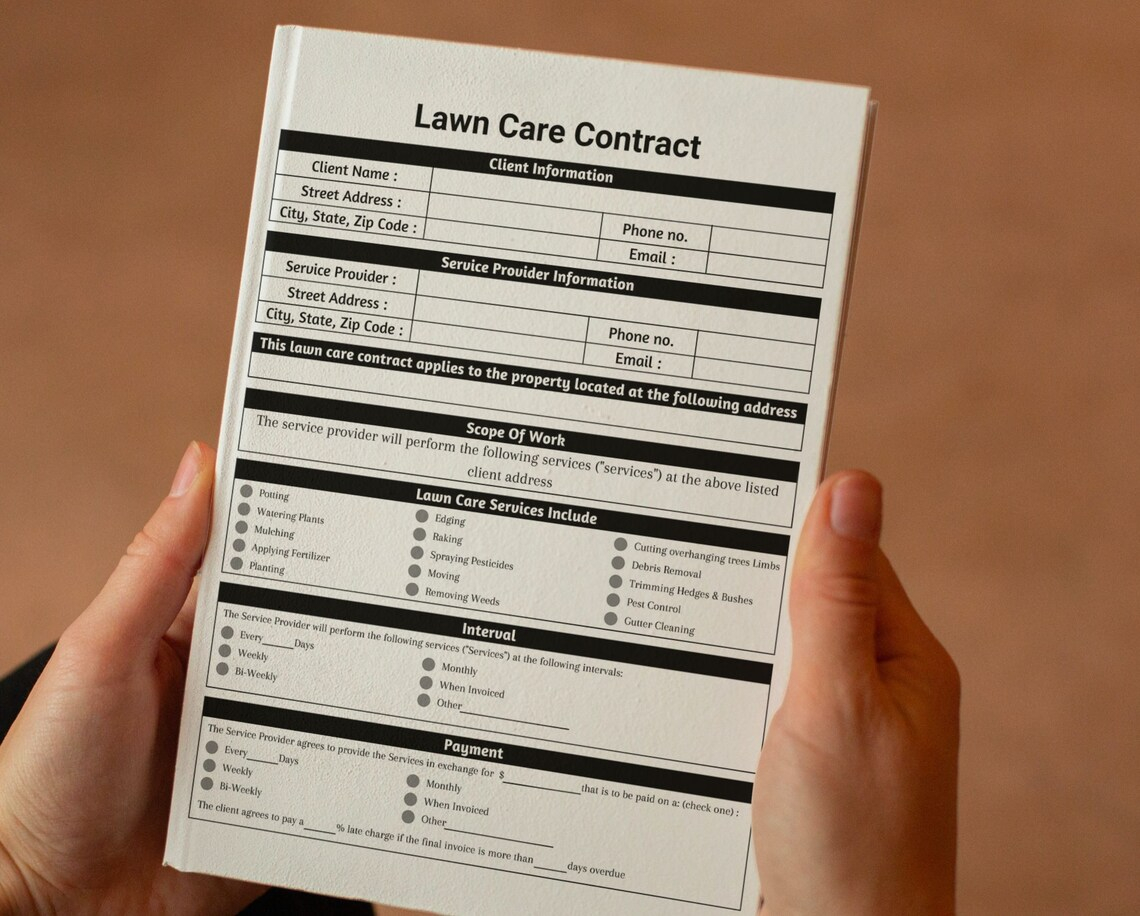

The afternoon sun hits the edge of your newly paved backyard patio, casting long shadows across bare soil where a pristine lawn was supposed to be. Two weeks ago, your contractor packed up their skid-steer and drove away, leaving behind a half-finished irrigation system, an invoice totaling thousands more than your initial estimate, and a polite voicemail stating that unexpected rock excavations are not covered under standard terms. You look for recourse, pull out the crumpled two-page paper slip you signed in haste last spring, and realize with a sickening thud that it contains virtually zero protections for your project scope, timeline, or wallet.
This scenario plays out thousands of times every season across neighborhoods everywhere. Property owners invest heavily in their curb appeal, often treating outdoor transformations with casual optimism rather than the financial rigor applied to interior home additions or vehicle purchases. When hiring local landscape contractors—whether you sourced them through neighborhood word-of-mouth, online directories, or consumer platforms like Angi, Yelp, and the Better Business Bureau—the relationship is governed entirely by the paper contract. If that agreement is vague, verbal, or heavily skewed toward the contractor’s interests, your dream oasis can easily morph into an expensive legal and financial headache.
Navigating the world of outdoor home improvements requires shifting your mindset from hopeful client to vigilant project manager. The modern landscaping industry spans everything from routine weekly lawn care operations costing a few hundred dollars a month to massive multi-phase hardscaping overhauls scaling well into five or six figures. Across this spectrum, written agreements serve as your primary line of defense. Understanding how to dissect scope, identify hidden cost triggers, and enforce accountability before a single shovel strikes the earth will save you thousands of dollars and endless amounts of stress.
Decoding the Anatomy of a Professional Landscaping Agreement
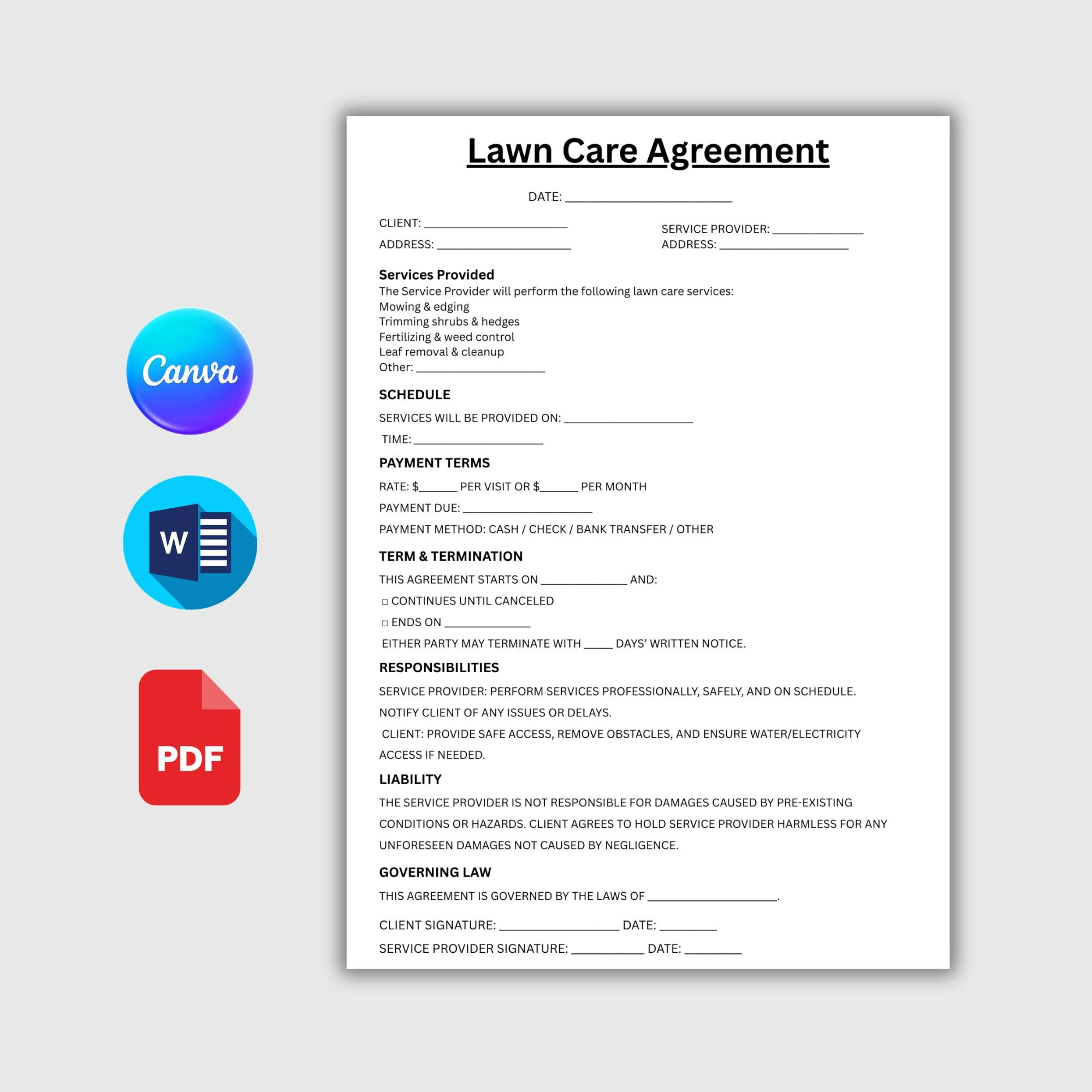
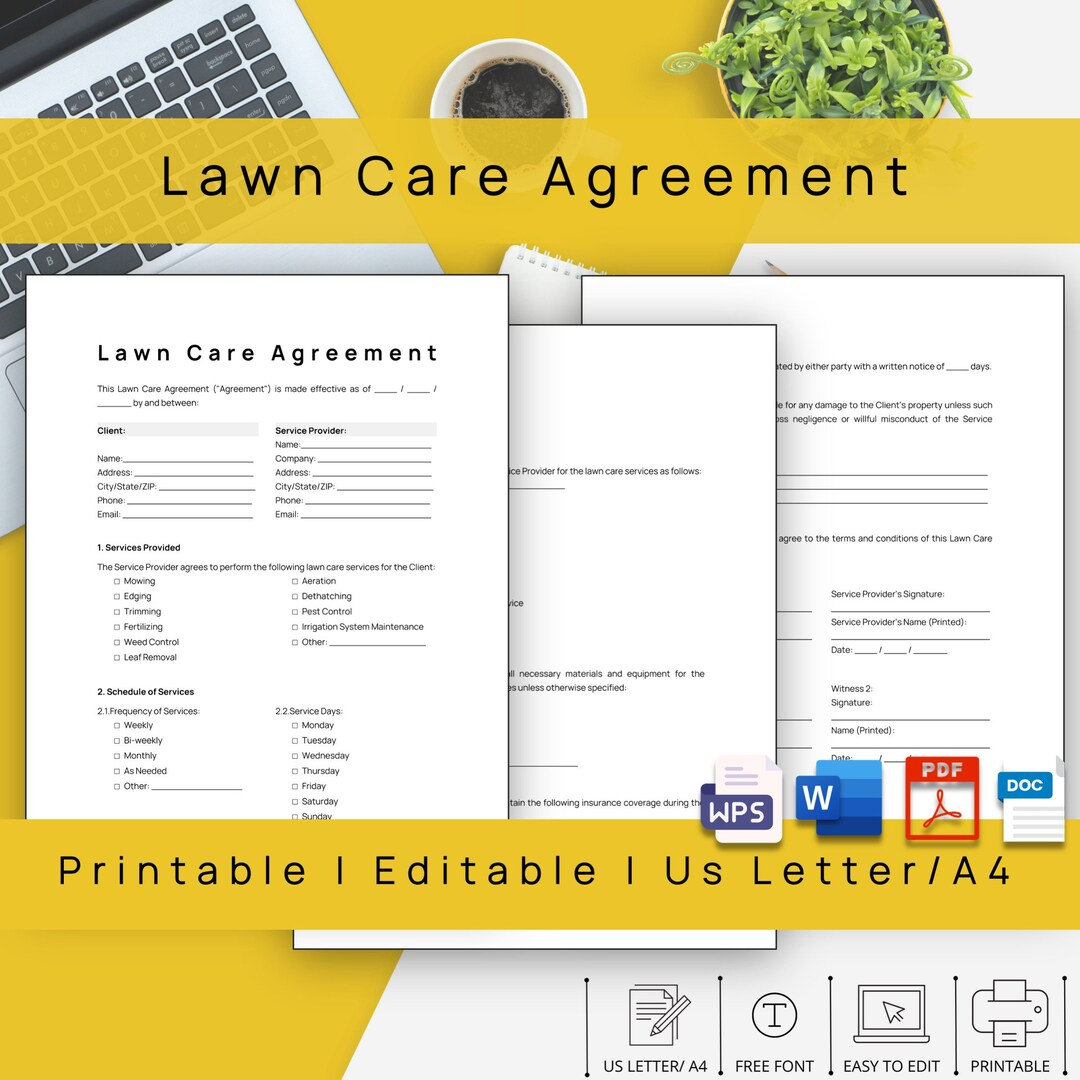
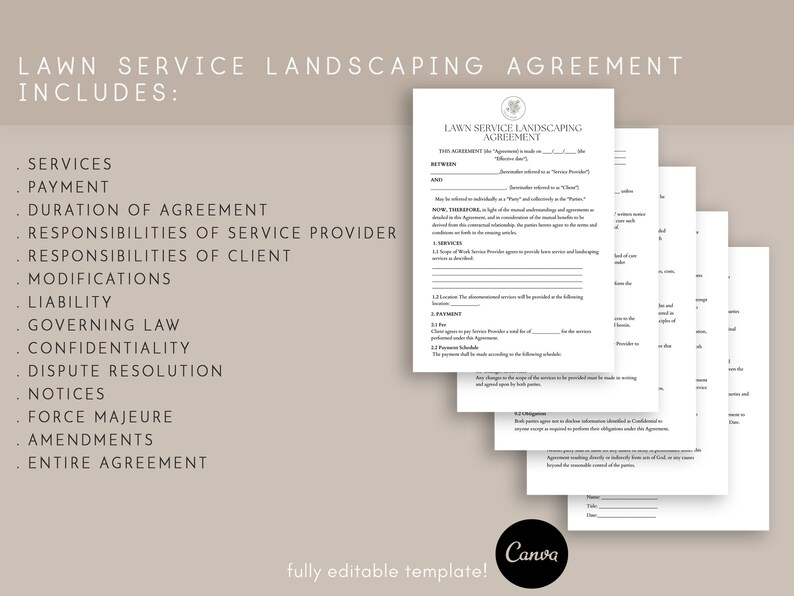
A truly protective landscaping contract is not a casual receipt or an informal text message thread; it is a legally binding blueprint of expectations, liabilities, and financial commitments. Too many homeowners sign documents that resemble little more than estimates, lacking the fundamental clauses necessary to resolve disputes when things go sideways. Professional landscape architects and reputable installation firms utilize comprehensive documentation that clearly defines every phase of work, separating material costs from labor hours and establishing a transparent framework from mobilization to final walkthrough.
At the core of any sound agreement lies the scope of work, which must be granular enough to leave zero room for creative interpretation. If a contract simply states "install front yard planting bed," you are opening the door for endless friction regarding plant sizes, specific cultivars, soil amendment depths, and mulch volume. A professional scope details exact botanical names, container sizes (such as #5 pots or 24-inch box trees), linear footage of edging materials, and the precise compaction rates required for sub-bases beneath pavers or retaining walls. Without these metrics, a contractor can legally substitute premium plant material with clearance-rack stock, and you will have little recourse because the agreement never specified quality standards.
Financial transparency is another critical pillar that separates elite contractors from fly-by-night operators. Your agreement must outline a milestone-based payment schedule rather than requiring a massive upfront deposit. Standard industry practice rarely justifies putting down more than ten to thirty percent before work begins, with subsequent draws tied directly to verified physical progress, such as completion of excavation, framing, or hardscape placement. Furthermore, the contract should explicitly state what happens when unforeseen site conditions arise—such as hitting ledge rock during trenching or discovering buried construction debris from previous owners. Knowing how these variances are priced beforehand prevents surprise invoices that can paralyze your household budget.
Uncovering Hidden Financial Traps and Scope Gaps
Even well-intentioned contractors often omit vital operational details that directly impact your wallet if left unaddressed. One of the most insidious financial traps hidden in standard landscaping boilerplate is the open-ended allowance. Allowances are placeholder figures used in a contract when specific material selections—such as natural stone pavers, custom lighting fixtures, or specimen trees—have not yet been finalized. If a contract lists a low allowance for patio stone, you will almost certainly face a substantial change order later when you select materials that actually match your aesthetic preferences. Eliminating allowances or tying them to realistic, pre-researched market prices is essential for keeping your project on budget.
Another major vulnerability involves site access, utility locates, and property line demarcations. Heavy machinery like mini-excavators, bobcats, and material-hauling trucks can utterly destroy existing driveways, neighbor yards, and municipal turf if access routes are not negotiated and documented in advance. Your contract must explicitly state who holds financial responsibility for repairing collateral damage to turf, irrigation lines, or concrete aprons outside the immediate work zone. Additionally, the agreement must clarify who is responsible for contacting utility locating services to mark underground gas, water, and fiber-optic lines, and outline who pays for damages if an unmarked line is struck during deep digging.
Permitting and regulatory compliance represent yet another arena where homeowners frequently absorb unnecessary financial risk. Depending on your municipality, grading plans, retaining walls over a certain height, and shoreline proximity may require formal municipal permits and engineering stamps. A bulletproof contract specifies which party is legally and financially responsible for pulling necessary permits, scheduling municipal inspections, and ensuring compliance with local HOA guidelines. If a contractor shifts this burden onto you via ambiguous wording, you could face severe stop-work orders, costly fines, or mandatory demolition of non-compliant structures built on your own property.
Step-by-Step Methodology for Reviewing and Negotiating Your Contract
Approaching a landscaping contract requires a methodical, step-by-step review process designed to catch ambiguities before you sign your name or write a deposit check. Do not rush through the paperwork while the contractor stands in your kitchen waiting for an answer. Take the document into a quiet room, grab a highlighter, and systematically evaluate every clause against a proven operational checklist.
- Step 1 (Verify Licensing and Insurance Credentials): Cross-reference the contractor’s business name, physical address, and license number against state contractor databases, local licensing boards, and consumer protection agencies like the Better Business Bureau. Ensure the contract includes their active general liability insurance policy number and worker’s compensation details, and request that your property be listed as an additional insured for the duration of the project.
- Step 2 (Scrutinize the Detailed Scope of Work): Read through every line of the project description to ensure material grades, plant species, dimensions, depths, and installation methodologies are explicitly quantified. Strike out vague terms like "standard installation" or "commercial grade" and replace them with specific brand names, ANSI nursery standards, or manufacturer installation guides.
- Step 3 (Establish a Milestone-Based Payment Schedule): Reject any contract demanding more than a modest mobilization deposit. Structure payments to correspond with verifiable physical milestones, such as 25% down, 25% upon completion of excavation and sub-base compaction, 25% upon hardscape/planting installation, and a final 25% retained until a punch list is fully resolved and signed off.
- Step 4 (Define Warranty and Maintenance Terms): Demand clear warranty protections in writing, separating hardscape structural integrity (typically 1 to 5 years) from softscape plant materials (usually 30 to 90 days, contingent on proper homeowner irrigation). The contract must explicitly outline what voids the warranty and establish a reasonable timeframe for the contractor to return and rectify dead plants or shifting pavers.
- Step 5 (Incorporate Change Order Protocols): Require that all modifications, additions, or deletions to the original scope be documented via a written change order signed by both parties before extra work begins. The clause must dictate how labor and materials for changes will be billed, preventing contractors from performing unauthorized work and billing you retroactively.
Avoiding Common Mistakes and Securing Practitioner Workarounds
Even with the best intentions, homeowners often fall into familiar behavioral traps when negotiating with service providers. Recognizing these psychological and procedural pitfalls allows you to maintain control of the negotiation table and protect your financial interests without alienating a skilled craftsperson who you ultimately want performing quality work on your property.
- Pitfall 1 (Relying on Verbal Promises): Homeowners often trust a contractor’s handshake assurance that "we’ll take care of that stump removal at no extra charge." If it is not explicitly written into the contract document, it legally does not exist. Workaround: Politely insist that all verbal agreements, special accommodations, and custom requests be written directly into the contract text before you apply your signature.
- Pitfall 2 (Ignoring Lien Waivers): Many property owners do not realize that if their general contractor fails to pay subcontractors or material suppliers, those unpaid third parties can file a mechanic’s lien against your home, forcing you to pay twice for the same materials. Workaround: Include a clause requiring the contractor to provide signed conditional and unconditional lien waivers from all subcontractors and material suppliers with every progressive payment draw.
- Pitfall 3 (Failing to Define Dispute Resolution): When disagreements escalate over workmanship quality or project delays, finding yourself in a protracted, expensive courtroom battle is a nightmare. Workaround: Insert a mediation or binding arbitration clause specifying a local, cost-effective dispute resolution service, which keeps legal expenses manageable and resolves conflicts outside of traditional courts.
- Pitfall 4 (Neglecting Cleanup and Debris Removal Clauses): It is shockingly common for contractors to leave behind broken concrete bags, packaging debris, excess soil piles, and masonry dust across a newly renovated property. Workaround: Add a specific job-site cleanliness clause stating that the contractor is responsible for daily site tidy-up, comprehensive final debris removal, and professional power-washing of impacted hard surfaces prior to final payment.
- Pitfall 5 (Overlooking Force Majeure and Timeline Clauses): Unpredictable weather events, supply chain disruptions, or labor shortages can stall outdoor projects indefinitely, leaving your yard in a torn-up state for months. Workaround: Establish a realistic estimated start and completion date, define reasonable rain-delay parameters, and include a clause outlining communication protocols if unforeseen delays threaten the project schedule.
The Broader Economic and Environmental Impact of Sound Contracting
Beyond protecting your immediate bank account, rigorous contract management elevates the entire home improvement ecosystem. When homeowners demand clarity, professional licensing, and transparent material sourcing, they actively support ethical operators who invest heavily in proper equipment, ongoing employee training, and comprehensive insurance coverage. Conversely, loose, handshake-based contracting fosters an underground economy of fly-by-night operators who underbid legitimate firms by cutting corners on structural sub-bases, ignoring environmental runoff regulations, and evading tax obligations.
Consider the environmental stakes of modern landscaping projects, particularly in regions facing strict water conservation mandates or stormwater management regulations. Installing complex permeable paver systems, rain gardens, or drip irrigation requires precise engineering and adherence to local watershed codes. If a low-bidding contractor installs an unpermitted patio that alters natural drainage patterns, you could inadvertently flood your neighbor’s foundation or violate municipal stormwater ordinances, resulting in expensive remediation mandates. A comprehensive contract ensures that ecological responsibility and legal compliance are baked directly into the installation methodology from day one.
Furthermore, viewing landscaping through the lens of long-term asset management transforms outdoor spending from a disposable expense into a durable capital investment. Real estate data consistently demonstrates that professionally designed and executed hardscaping and softscaping can yield a significant return on investment at resale, provided the work was completed to code and backed by transferable warranties. A well-drafted contract serves as an audited paper trail of home improvements, proving to prospective buyers or appraisers that your retaining walls, drainage systems, and structural patios were installed by certified professionals using premium, documented materials.
Strategic Frameworks for Long-Term Yard Preservation and Contractor Relations
Maintaining a healthy relationship with your landscaping professional long after the initial installation contract is fulfilled requires establishing a sustainable ongoing framework. The best way to protect your investment is to transition from a project-based installation contract into a clear, predictable maintenance agreement. Whether your yard requires seasonal aeration, mulch replenishment, pruning of ornamental grasses, or winterizing irrigation backflow preventers, regular upkeep prevents minor natural wear from escalating into catastrophic structural failures.
Your ongoing maintenance agreement should mirror the rigor of your initial installation contract. It must outline specific seasonal service windows, define the exact chemical or organic treatments applied to your turf, and establish clear communication protocols regarding weather-dependent schedule adjustments. By locking in a reliable maintenance routine with the same professional who installed your landscape, you ensure continuity of care, as they already possess intimate knowledge of your property’s soil composition, plant root zones, and underground utility layouts.
Ultimately, mastering the art of the landscaping contract review is about embracing your role as an empowered property owner. By replacing passive optimism with active verification, precise documentation, and contractual accountability, you insulate yourself from financial exposure and secure the outdoor sanctuary you envision. Treat every contract as a collaborative roadmap, inspect every clause with an analytical eye, and build a partnership with your contractor that honors both your yard and your hard-earned wallet.
Transforming your outdoor space should feel like an exciting chapter in homeownership, not a high-stakes gamble against unscrupulous business practices or hidden fees. By taking the time to dissect scopes, demand transparent payment schedules, and secure vital warranty protections in writing, you shift the power dynamic firmly back to where it belongs: in your hands.
As you step forward into your next landscaping project, remember that a reputable contractor will always welcome a thorough, professional review process. Transparency breeds trust, and clarity protects creativity. Take your time, read the fine print, and build a partnership that lets your yard—and your peace of mind—flourish for years to come.