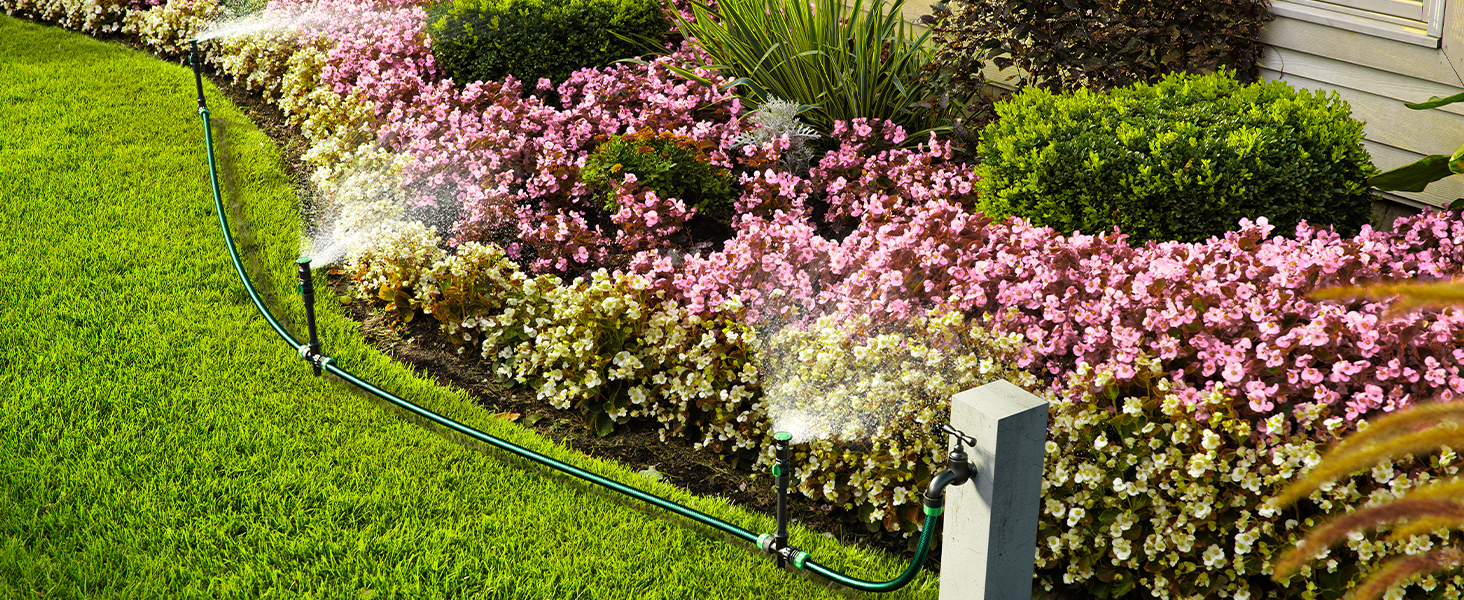

There is a distinct, deeply frustrating rite of passage that arrives every single summer across suburban neighborhoods and city lots alike. You walk down the seasonal aisle of the local home improvement store, tempted by brightly colored plastic contraptions promising automated paradise for a fraction of twenty dollars. You bring it home, hook it up to the hose, and watch it oscillate or spin with cheerful efficiency. Fast forward twelve months—or sometimes just twelve weeks of intense July sun—and that exact same piece of equipment sits shattered in the municipal recycling bin. A stray tap from a lawnmower wheel, a brittle plastic elbow sheared clean off by municipal water pressure, or an internal gear stripped bare by microscopic grit.
For owners of small properties—roughly under 2,000 square feet, the typical real estate footprint of a townhouse lawn, city lot, or compact front courtyard—the stakes are surprisingly high. When you have a confined green space measuring 40 by 50 feet, a failing sprinkler doesn’t just waste money; it creates localized floods that drown your fescue while leaving adjacent flower beds bone dry, or worse, soaking the public sidewalk while pedestrians walk by. The hardware store shelves are packed with disposable engineering disguised as lawn care tools, making the search for genuine durability a masterclass in reading between the lines of marketing copy.
Navigating this market requires an unsparing look at metallurgy, plastics chemistry, fluid dynamics, and actual consumer wear-and-tear data from 2026. We are moving past the glossy promises and digging straight into the physical reality of what survives seasonal abuse, ultraviolet degradation, and hard water scale. If you are tired of playing the annual sprinkler replacement game, understanding the mechanics of longevity is your first step toward true yard maintenance peace of mind.
The Anatomy of Lawn Hardware Failure on Compact Lots
To understand why most sprinklers fail so catastrophically on small properties, you have to look at how they are built and where they are placed. Small yards force compromises. Because the coverage area is tight, homeowners frequently drag, kick, reposition, or jerk their sprinklers across turf, pavers, and concrete edging multiple times a week. Every time a lightweight plastic base slams against a stone pathway, microscopic stress fractures form in injection-molded ABS or polypropylene. Add the relentless battering of ultraviolet radiation—which breaks down polymer chains, causing plastic to turn chalky and brittle—and you have a ticking clock on your equipment’s lifespan.
Water chemistry plays an equally destructive role behind the scenes. Municipal water supplies carry varying levels of calcium, magnesium, and microscopic sediment. In small-area sprinklers, internal channels, tiny turbine wheels, and minute nozzle ports act as natural filters, trapping mineral deposits that accumulate over months of use. When these passages calcify, internal pressure spikes behind the blockage. Plastic housings, already weakened by sun exposure, simply split at the seams. Metal components, by contrast, tolerate pressure fluctuations far better, but only if they utilize the right alloys rather than cheap, rust-prone plated iron.
Consider the classic debate between plastic and metal construction. While high-impact engineering plastics have their place in modern manufacturing, lawn sprinklers subjected to direct ground contact, high-pressure surges, and heavy foot-or-mower traffic are notoriously ill-served by cheap polymers. When manufacturers try to shave production costs to hit a sub-ten-dollar price point, they sacrifice wall thickness and material density. The result is a device designed to fail right around the time the warranty expires, driving a continuous cycle of consumer re-purchase.
Evaluating the Contenders for Small Yard Longevity
When you filter out the marketing noise, the landscape of small-yard irrigation narrows down to a few distinct mechanical configurations. For confined green spaces under 2,000 square feet, three primary contenders dominate the conversation: heavy-duty metal oscillating units, multi-arm rotary sprinklers with weighted sled bases, and stationary spot-watering heads. Each brings a specific set of mechanical trade-offs to the table when evaluated through the lens of multi-season durability.
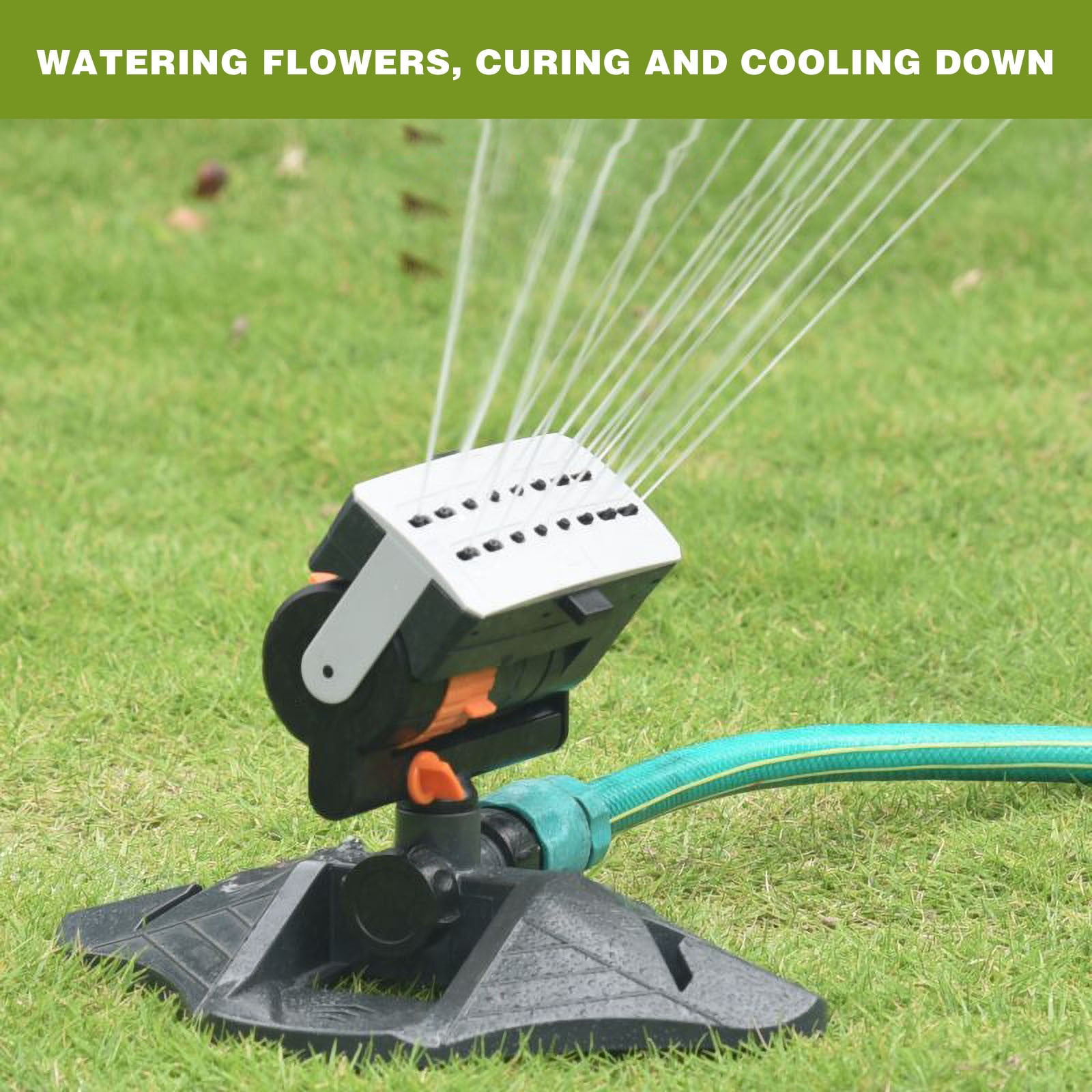
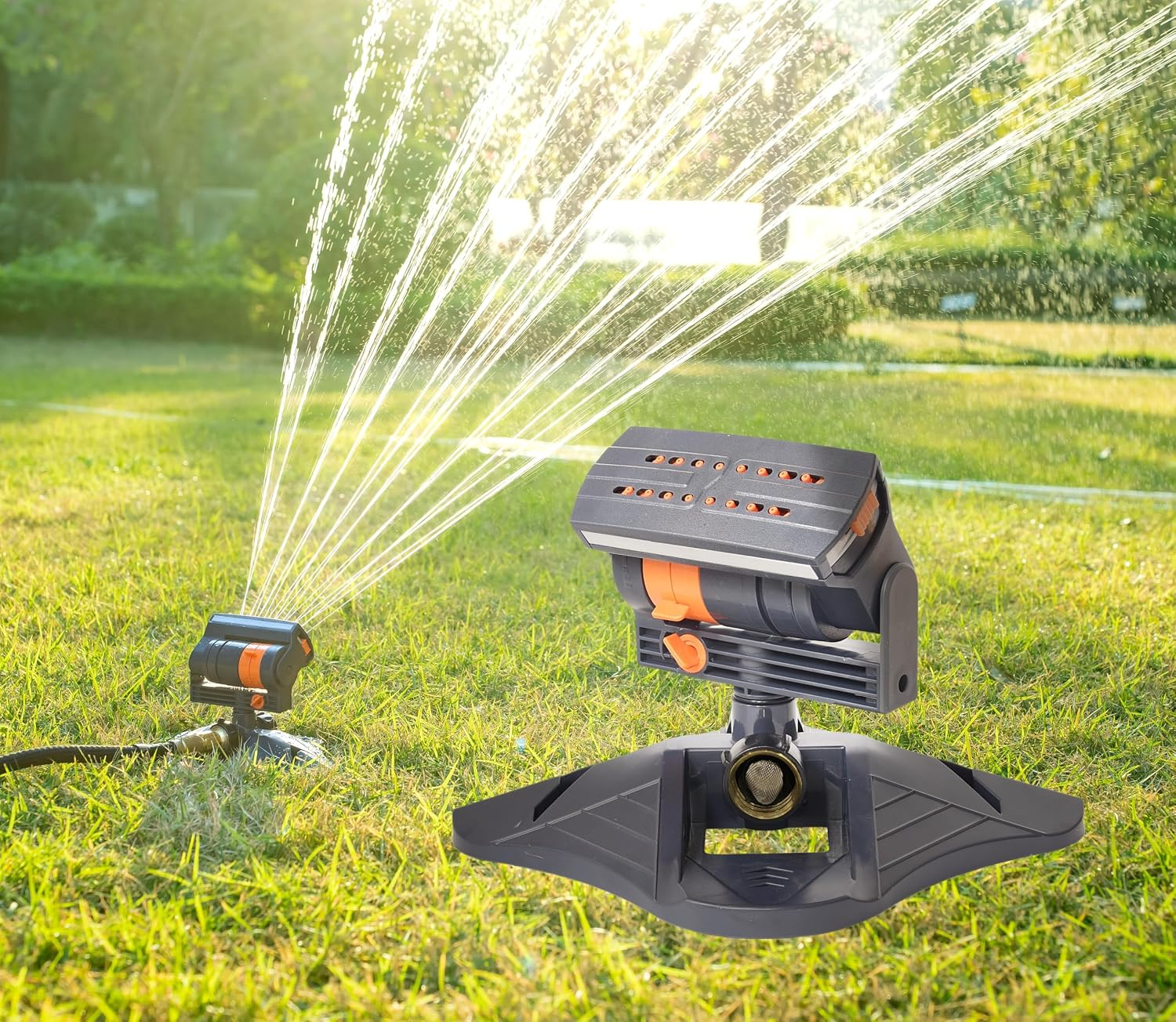
Oscillating sprinklers, popularized by brands like Melnor with their MiniMax lines, excel at painting rectangular patches of turf without over-spraying onto concrete. However, traditional oscillating units rely on delicate internal water-driven turbine motors and oscillating gear trains. In a cheap model, these gears are plastic and unsealed, meaning sand and grit from the garden hose act like liquid sandpaper, grinding the teeth down until the arm freezes mid-sweep. To last, an oscillating sprinkler must feature an aluminum or brass spray tube combined with a sealed, dirt-resistant drive mechanism or an easily accessible clean-out plug.
Rotary multi-arm sprinklers—exemplified by rugged units like the Orbit 3-Arm Metal Sprinkler—take a fundamentally different approach. By utilizing a rotating head driven purely by the reactive thrust of water exiting angled nozzles, they eliminate internal gearboxes entirely. Fewer moving parts mean fewer points of failure. Planted on a heavy sled base or a wheeled metal cart, these units can take a direct hit from a lawnmower tire and walk away with nothing more than a cosmetic scratch. For small yards, the trade-off is pattern flexibility; they spray in circles, which requires careful placement near property lines to avoid soaking the neighbor’s fence.
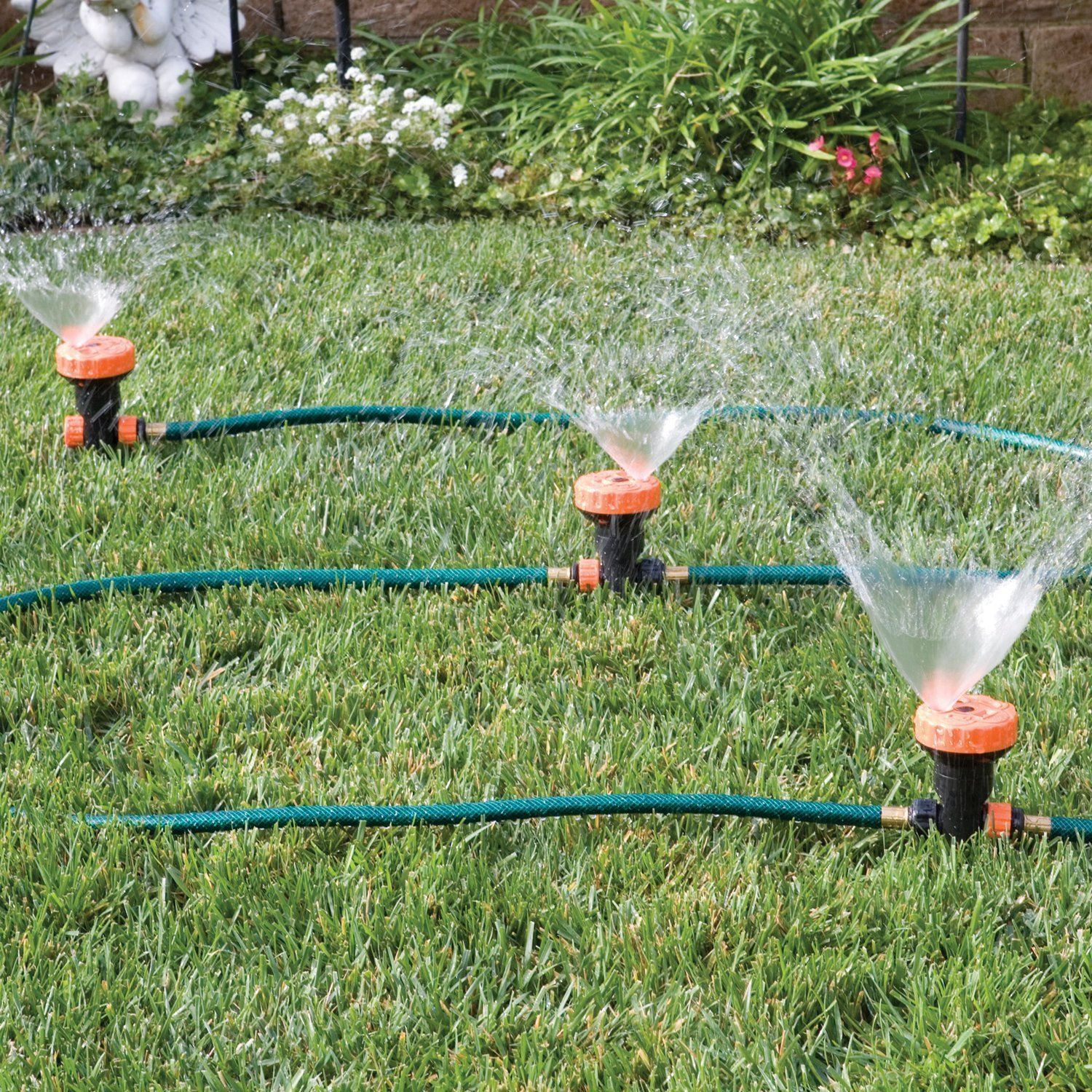
Spot sprinklers and turret sprinklers offer a middle ground. Spot sprinklers—simple, solid-brass or zinc discs with precision-machined holes—are practically immortal if kept free of scale. They have zero moving parts. They sit quietly on the grass, throwing water in a fixed 360-degree pattern. While they offer zero pattern adjustment, their structural simplicity makes them the ultimate buy-it-for-life tool for isolated patches of lawn or compact corner plots.
Establishing Your Small Property Irrigation Strategy
Choosing the right hardware is only half the battle; how you deploy and manage that hardware dictates whether it survives three summers or thirty. Small properties present unique hydraulic challenges, often featuring shorter garden hose runs that translate to higher dynamic water pressure at the nozzle head. High pressure can atomize water into a fine mist that drifts away on the slightest breeze, while simultaneously accelerating wear on moving seals.
Mapping your water source before purchasing equipment prevents mismatched expectations. Hooking a delicate, precision-pattern sprinkler to a commercial-grade high-pressure spigot without a pressure regulator is a recipe for blown seals. Conversely, under-pressurizing a turbine-driven sprinkler leaves the internal motor starved for torque, causing it to stall and pool water in localized dead zones.
Ground anchoring is another critical factor often overlooked by property owners. Small yards frequently feature slopes, terraced retaining walls, or lush, spongy turf thatch that causes lightweight plastic spikes to tilt or flip over under water pressure. When a sprinkler tips sideways, it stops watering the grass and starts drowning your hydrangeas or eroding your mulch beds. Selecting units with heavy sled bases, wide stance footprints, or weighted metal anchors ensures the device stays precisely where you put it, session after session.
Common Pitfalls and Field-Tested Workarounds for Long-Lasting Gear
Even the most robustly engineered metal sprinkler will meet an early demise if subjected to routine operational abuse. Avoiding premature equipment failure requires adopting specific maintenance habits and steering clear of common user errors that invalidate manufacturer durability.
- Pitfall 1 (Leaving Units Out in Freezing Temperatures): Water expands by roughly 9 percent when it freezes, turning trapped moisture inside a brass body or aluminum tube into a hydraulic wedge that splits metal apart. Practitioner Workaround: Always disconnect your sprinklers the moment the first autumn frost warning hits, invert them to drain residual water, and store them in a garage or shed over the winter months.
- Pitfall 2 (Dragging the Hose to Reposition): Yanking a heavy metal or plastic sprinkler across the yard by pulling on the attached garden hose puts intense shear stress on the threaded brass inlet coupling, snapping the nipple clean off the housing. Practitioner Workaround: Always walk to the sprinkler and use its dedicated handle or base frame to lift and move it, treating the hose connection as a delicate hydraulic seal rather than a tow rope.
- Pitfall 3 (Ignoring Sediment and Mineral Scale Build-Up): Letting hard water evaporate inside nozzle ports bakes calcium deposits into concrete-like blockages that distort spray patterns and over-pressurize internal valves. Practitioner Workaround: Keep a small wire needle or specialized nozzle-cleaning tool in your garden shed, and periodically unscrew the inlet end-cap or filter washer to flush out trapped sand and grit.
- Pitfall 4 (Mowing Over Hidden Sprinkler Heads): Leaving low-profile spot sprinklers or small footprint units hidden in tall grass makes them invisible targets for rotary lawnmower blades, which shatter plastic bodies and bend metal arms out of alignment. Practitioner Workaround: Establish a strict protocol of clearing the turf before mowing, or choose brightly colored or elevated units that remain clearly visible against the green background of your lawn.
- Pitfall 5 (Buying Based Solely on Aesthetic Plastic Shells): Purchasing units wrapped in brightly colored, soft-touch rubber or glossy decorative plastic shields that trap moisture and hide inferior internal components. Practitioner Workaround: Prioritize exposed, honest materials—cast zinc, anodized aluminum, heavy brass, and weighted steel—over cosmetic housings that degrade under direct sunlight.
The Broader Economics of Durable Garden Equipment
In an era defined by disposable consumer culture, investing in durable outdoor equipment carries profound economic and environmental implications. The cumulative cost of purchasing a cheap ten-dollar plastic sprinkler every single spring adds up faster than most homeowners realize. Over a decade, that recurring cycle costs more in pure capital outlay than purchasing a single, high-grade commercial brass or heavy aluminum unit designed to be repaired rather than replaced.
Beyond direct financial savings, choosing long-lasting irrigation tools directly reduces environmental waste. Millions of broken plastic garden tools end up in municipal landfills every year, where polymers take centuries to break down, slowly shedding microplastics into surrounding ecosystems. By shifting consumer demand toward repairable, metal-bodied watering implements, property owners signal to manufacturers that quality and longevity still matter in a world obsessed with planned obsolescence.
Furthermore, precision hardware promotes water conservation—a critical consideration for urban and suburban properties facing municipal water restrictions and rising utility rates. A poorly constructed sprinkler with warped plastic nozzles leaks at the connection collar, pools water uselessly around its base, and sprays erratic streams that miss the target entirely. A well-engineered unit distributes water evenly across the precise geometry of a small lot, ensuring every drop contributes to deep root growth without wasteful runoff into storm drains.
Actionable Recommendations for Outfitting Your Compact Yard
To translate these insights into a concrete purchasing strategy, you must match your specific yard layout with the exact mechanical profile that thrives under those conditions. Every small property has unique boundaries, sun exposures, and soil compositions that dictate the ideal hardware choice.
- Step 1 (Measure Your Exact Turf Geometry): Walk your small yard with a tape measure to confirm whether your green space is a tight rectangle, an awkward square, or an irregular nook, ensuring you don’t buy a fixed-pattern sprinkler that spends half its cycle watering your patio.
- Step 2 (Audit Your Water Pressure and Hose Diameter): Check your spigot output; if you run a standard 5/8-inch or 3/4-inch commercial hose, select heavy metal units with high-flow internal channels that won’t choke your system’s hydraulic capacity.
- Step 3 (Prioritize All-Metal Construction at High-Stress Joints): Inspect the prospective purchase for solid brass swivel connections, zinc-alloy bodies, and aluminum spray tubes, avoiding units where the primary water-bearing threads are molded directly out of cheap plastic.
- Step 4 (Implement a Post-Watering Storage Habit): Commit to unhooking, draining, and storing your sprinkler out of direct UV exposure after every use to double or triple its functional working lifespan.
- Step 5 (Perform Mid-Season Maintenance Flushes): Unscrew the built-in mesh filter washer at the hose attachment point every four to six weeks during peak summer usage to clear out municipal sediment before it reaches the spray nozzles.
The pursuit of a pristine lawn on a small property does not require surrendering to the endless cycle of buying, breaking, and discarding cheap plastic tools. When you strip away the flashy packaging and examine the cold physics of water pressure, UV exposure, and material science, the path forward becomes remarkably clear. Investing in honest engineering—heavy metals, sealed gearless drives, and thoughtful hydrodynamic design—transforms garden maintenance from an annual chore into a reliable, set-it-and-forget-it routine.
As you step out into your yard this season, look closely at the tools resting in your shed. The equipment you choose to put on your turf is a direct reflection of how you value your time, your money, and your surrounding environment. By opting for durability over disposable convenience, you build an efficient, resilient irrigation setup that quietly does its job year after year, leaving you free to simply enjoy the green space you worked so hard to cultivate.