
Standing at the edge of the patio on a crisp Saturday morning in May, coffee mug in hand, the contrast is stark. To the left is your neighbor’s turf—a rich, emerald-green expanse that looks like a pristine golf course fairway. To the right is your own yard, a patchy ecosystem hosting stubborn dandelions, pale yellow patches of nutrient-starved fescue, and a persistent army of crabgrass taking over the driveway border. You did not neglect it intentionally. You bought the bags of generic fertilizer from the big-box store, you watered when the sky refused to, and yet the results remain deeply underwhelming.
The missing link is rarely a lack of effort; it is a lack of financial alignment. Achieving a genuinely healthy green lawn requires viewing your yard not as a passive patch of dirt, but as an active, living biological system that demands recurring investments in nutrition, soil conditioning, weed suppression, and hydration. Homeowners frequently wander into lawn care blind, buying random products on impulse or guessing at contract pricing from commercial services, only to watch their money wash down the storm drain with the next heavy rain.
Unlocking the secret to a resilient, carpet-like lawn means moving past guesswork and building a predictable, realistic monthly budget. Whether you are wiping dirt off your own work boots on Saturday afternoons or writing a check to a local agronomy crew, the financial reality of property upkeep demands transparency. Let us break down the exact math, the hidden line items, and the strategic choices required to maintain an exceptional green lawn without blowing your household finances.
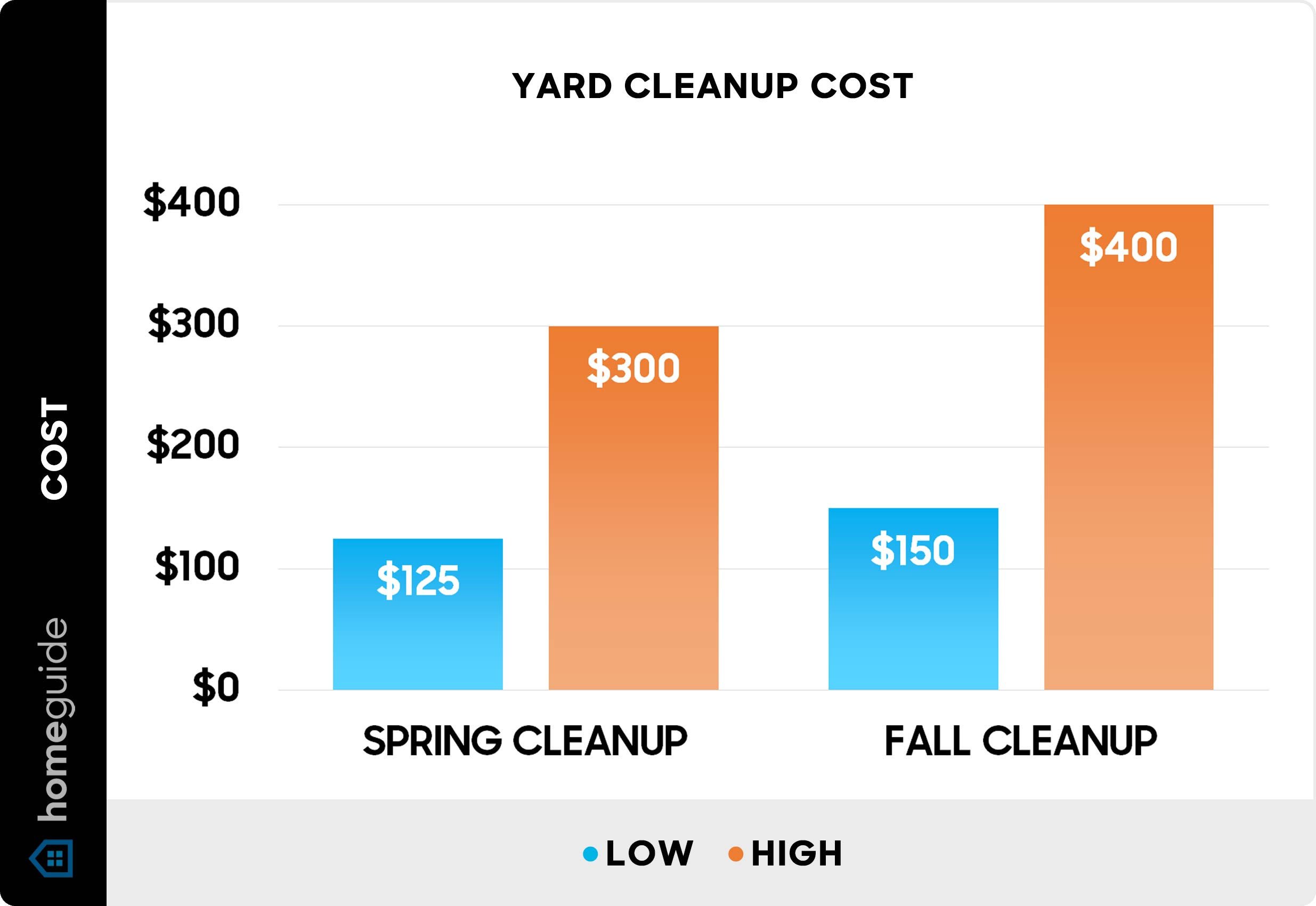
The modern lawn care economy operates on distinct cost tiers depending on whether you handle the labor yourself or outsource the work to professional crews. For a typical 5,000 to 10,000-square-foot suburban lot, professional full-service contracts—combining weekly mowing, edging, blowing, seasonal aeration, and tailored multi-step fertilization programs—generally run between $120 and $450 per month during the peak growing season. On the other hand, the DIY route drastically cuts labor expenses, dropping monthly material and fuel costs down to a manageable $40 to $75 range. Yet, the DIY approach shifts the burden squarely onto your shoulders, requiring investments in machinery, storage, personal time, and trial-and-error chemistry.
Understanding why these costs fluctuate requires looking beneath the surface of the soil itself. Turfgrass is an intensive monoculture that fights a constant battle against biological degradation. Soil compacts under foot traffic and heavy rains, starving roots of oxygen. Native weed seeds lie dormant for decades, waiting for the slightest opening in the canopy. Meanwhile, regional pests like grubs, chinch bugs, and fungus spores treat your turf as an all-you-can-eat buffet. Maintaining a healthy green lawn is essentially managing a complex agricultural enterprise in miniature right outside your back door.
Decoding the True Anatomy of Monthly Lawn Care Costs
Breaking down a monthly lawn care budget requires separating fixed capital expenses from variable operational inputs. Fixed expenses include the amortization of major equipment—mowers, trimmers, aerators, and spreaders—alongside seasonal structural services like core aeration and overseeding. Variable expenses change month by month, peaking during the aggressive spring and summer growing phases and dropping close to zero during winter dormancy. When homeowners look at an average monthly cost, they often fail to account for the shoulder months where pre-emergent herbicides and root-strengthening potassium fertilizers must be applied before the grass even wakes up.
Labor versus materials represents the single biggest financial fork in the road for property owners. Hiring a reputable local lawn care company on an annual contract typically secures an 8% to 15% discount compared to pay-per-visit pricing, locking in predictable monthly installments from March through November. However, paying a professional crew means paying for travel time, commercial-grade overhead, and labor insurance. Conversely, buying professional-grade slow-release nitrogen fertilizers, liquid selective herbicides, and pre-emergent barriers in bulk allows DIYers to achieve superior results at a fraction of the out-of-pocket cost, provided they possess the knowledge to apply them safely and accurately.
Water represents the silent budget killer that catches many homeowners completely off guard. A healthy green lawn demands roughly one inch of water per week, factoring in both rainfall and irrigation. In arid climates or during mid-summer drought spikes across the Midwest and Northeast, municipal water bills can easily spike by $50 to $150 a month just to keep cool-season grasses like Kentucky bluegrass or tall fescue from going into heat-induced dormancy. Installing a smart Wi-Fi-enabled sprinkler controller and rain sensors pays for itself within a single season by preventing wasteful over-irrigation while safeguarding the green investment you made in fertilizers and seed.
Evaluating regional differences also dictates how much cash you must allocate each month. Transition zones and northern climates require heavy investments in cool-season turf renovations every autumn, requiring bags of premium turf-type tall fescue or perennial ryegrass seed. Southern lawns dominated by Bermuda, Zoysia, or St. Augustine demand precise post-emergent weed controls, frequent scalping in early spring, and specialized insect treatments for mole crickets and sod webworms. Your geographical location dictates your agronomic calendar, and your agronomic calendar dictates your monthly ledger.
Analyzing the Financial Thresholds of DIY Versus Professional Services
Deciding whether to outsource your lawn maintenance or tackle it yourself is an economic calculation that weighs your available free time against your disposable income. If you work fifty hours a week, have a young family, and value your weekends, spending three hours every Saturday sweating behind a walk-behind mower and wrestling with backpack sprayers might represent a terrible return on your personal time. Outsourcing basic mowing and blowing frees up dozens of hours annually, letting you reclaim your weekends while ensuring your property maintains strict neighborhood curb appeal standards.
From a purely financial standpoint, the DIY model remains significantly cheaper on a per-hour basis. A homeowner who invests in a reliable battery-powered or gas-powered mower, a curved-shaft string trimmer, and a push spreader can maintain a pristine quarter-acre lot for an annual outlay that equals barely two months of professional full-service contracting. Furthermore, retail-to-wholesale access to granular fertilizers, iron supplements, and spot-treatment herbicides gives the dedicated hobbyist total control over what touches their soil. You can micro-manage pH levels with dolomitic lime or sulfur based on exact soil test results, a level of customization that mass-market commercial crews rarely offer unless you pay premium customized-program rates.
However, the hidden costs of DIY lawn care frequently erode expected savings. Equipment maintenance is a notorious budget buster. Small engines require carburetor cleanings, spark plug replacements, winterization, and fresh fuel stabilization. Batteries for modern electric mowers degrade over time and carry hefty replacement price tags after three to five years of heavy use. If a commercial mower throws a belt, the landscaping company fixes it and keeps rolling; if your mower dies on a Friday afternoon before a family gathering, your weekend plans are derailed, and you are stuck paying diagnostic fees at a local small-engine repair shop.
Liability and safety represent another overlooked dimension of the DIY versus professional debate. Applying pre-emergent herbicides and synthetic fertilizers requires strict adherence to personal protective equipment guidelines and environmental setbacks to prevent chemical runoff into local storm drains. Professional applicators carry commercial liability insurance and possess state-issued turf management licenses, ensuring that if drift damages a neighbor’s prize-winning hostas or ornamental maples, the financial fallout is covered. DIYers shoulder 100% of the legal and financial liability for any application mistakes made in their yards.
Step-by-Step Methodology for Building Your Custom Lawn Budgeting Framework
Creating a bulletproof monthly lawn care budget requires auditing your yard’s current condition, determining your aesthetic goals, and mapping out seasonal expenditures across the calendar year. Follow this structured framework to establish a realistic financial plan:
- Step 1 (Conduct a Professional Soil Test): Send core soil samples to a local agricultural extension office for analysis ($20–$40 upfront cost). This prevents you from wasting money on expensive nitrogen fertilizers when your turf actually suffers from a severe phosphorus or pH deficiency.
- Step 2 (Calculate Your Exact Square Footage): Use online mapping tools to measure your precise turf area, subtracting the footprint of your home, driveway, and landscape beds. Accurate square footage prevents over-purchasing or under-purchasing chemicals and seed by up to 30%.
- Step 3 (Choose Your Service Model): Decide honestly between a 100% DIY approach, a hybrid model (hiring professionals for mowing while you handle fertilization), or a full-service annual contract. Obtain three distinct quotes if you plan to outsource.
- Step 4 (Map Seasonal Variable Expenses): Allocate higher funds for March through June (pre-emergents, spring fertilizers, weekly mowing) and lower baseline funds for July and August (irrigation adjustments, spot-weeding) and September/October (aeration, overseeding, winterizer fertilizer).
- Step 5 (Establish an Equipment and Emergency Reserve): Set aside $15 to $25 per month into a dedicated maintenance fund to cover trimmer line, mower blades, gasoline, oil changes, and unexpected equipment repairs or replacements.
Implementing this framework eliminates the cycle of panic-spending—where homeowners rush to buy expensive rescue treatments after weeds or grubs have already taken over. By spreading annual costs into predictable monthly allocations, your lawn transitions from an unpredictable financial drain into a well-managed home improvement asset.
Navigating Common Pitfalls and Field-Tested Workarounds in Lawn Budgeting
Even the most carefully planned lawn care budgets can derail if you fall victim to common management traps. Avoiding these missteps protects your wallet and keeps your turf healthy:
- Pitfall 1 (Falling for All-in-One "Wonder" Products): Big-box stores heavily market broad-spectrum "weed-and-feed" bags that promise to kill every weed and fertilize every blade simultaneously. These products often release nitrogen at the wrong time of year, scorching turf during summer stress, while their granular herbicides fail to target specific weed types effectively. Workaround: Purchase targeted pre-emergents and fertilizers separately, applying them strictly according to your regional soil temperature milestones rather than calendar guesses.
- Pitfall 2 (Neglecting Core Aeration and Overseeding): Homeowners often skip annual aeration to save $100 to $150, leading to severe soil compaction over time. When soil compacts, water runs off instead of penetrating roots, rendering expensive fertilizers completely useless. Workaround: Treat core aeration and autumn overseeding as non-negotiable line items in your September budget; it is the single best investment for choking out weeds naturally through thick turf density.
- Pitfall 3 (Over-Watering Shallowly Every Day): Running sprinklers for fifteen minutes every single day trains grass roots to stay shallow, making the turf exceptionally vulnerable to drought and disease. Workaround: Adjust your irrigation controller to deliver deep, infrequent soakings—roughly one inch of water distributed across two weekly watering sessions—forcing roots to drive deep into the soil profile.
- Pitfall 4 (Ignoring Blade Sharpness): Mowing a half-acre lawn with a dull mower blade shreds grass tips rather than slicing them cleanly. Shredded tips turn brown, invite fungal pathogens like brown patch, and force the plant to waste valuable energy healing rather than growing laterally. Workaround: Budget $10 to have your blades professionally sharpened twice a season, or keep a metal file on hand to sharpen them yourself every 20 to 25 hours of mowing time.
- Pitfall 5 (Failing to Plan for Seasonal Weather Anomalies): Unusually wet springs cause explosive grass growth that outpaces standard mowing schedules, while severe summer droughts force unexpected spikes in water utility expenses. Workaround: Build a 15% contingency buffer into your monthly lawn care envelope to absorb weather-driven cost surges without straining your household budget.
Holistic Perspectives on Sustainable Turf Management and Long-Term Value
Viewing lawn care strictly through the lens of short-term green aesthetics misses the broader ecological and financial picture of homeownership. A healthy, dense turf canopy functions as a natural natural air conditioner, cooling ambient temperatures around your home through evapotranspiration. It acts as an environmental filter, trapping dust, absorbing carbon dioxide, and preventing topsoil erosion during torrential rainstorms. When managed correctly, your lawn becomes an integrated component of your property’s overall ecosystem rather than an artificial chemical dependency.
From an economic valuation standpoint, investing consistently in curb appeal yields measurable returns at resale time. Real estate appraisers and top-tier listing agents consistently note that a lush, professionally maintained front yard accelerates home sales and commands up to a 7% to 10% premium in curb-appeal valuation compared to neglected properties. When you budget $150 a month for professional maintenance or $50 a month for targeted DIY inputs, you are not merely spending money on grass; you are protecting the principal equity of your largest lifetime investment—your home.
Sustainability is also reshaping how modern homeowners budget for their landscapes. Traditional high-nitrogen, high-water synthetic programs are giving way to regenerative organic practices. Homeowners are increasingly allocating budget lines toward slow-release organic fertilizers derived from feather meal, blood meal, and composted poultry manure, alongside biological pest controls like beneficial nematodes that target grubs without disrupting earthworm populations or local bee colonies. Investing in soil biology upfront reduces long-term reliance on harsh synthetic interventions, creating a self-sustaining loop where healthy soil naturally suppresses weeds and diseases.
Balancing environmental stewardship with visual perfection requires intentional choices. If your budget is tight, focus your financial firepower on the front yard and high-visibility walkways, allowing backyard or perimeter areas to follow a more natural, low-maintenance regime. This targeted approach maximizes your visual impact and curb appeal while keeping your monthly expenditures squarely within a comfortable, sustainable comfort zone.
Strategic Recommendations and Key Financial Frameworks for Your Lawn
Synthesizing the economics of lawn care into actionable guidance requires establishing clear financial boundaries and operational routines. Here is how to structure your approach for maximum long-term efficiency:
- Set a Realistic Spending Ceiling: Determine what percentage of your home maintenance fund can be dedicated to turf upkeep. For a standard suburban lot, aim for a baseline of $50 to $100 monthly for DIY enthusiasts, or $150 to $350 monthly for outsourced full-service care during peak growing months.
- Prioritize Soil Health Over Surface Fixes: Shift 20% of your annual lawn budget away from cosmetic weed killers and invest it directly into soil testing, organic compost top-dressing, and core aeration. Healthy soil naturally grows thick grass that outcompetes weeds without chemical assistance.
- Leverage Seasonal Contracts for Discounts: If you choose to hire professionals, commit to annual service agreements signed in early spring to lock in discounted per-visit rates and guarantee scheduling priority during peak mowing rushes.
- Embrace Smart Technology: Invest in rain sensors, smart sprinkler timers, and efficient battery-powered tools to slash ongoing utility and fuel costs, lowering your monthly operating overhead significantly over a multi-year horizon.
- Monitor and Adjust Annually: Review your lawn care ledger every autumn. Assess what treatments worked, where money was wasted on ineffective retail products, and adjust your next year’s monthly allocation accordingly.
Approaching lawn care with the discipline of a financial portfolio manager transforms your yard from a source of frustration and unexpected expense into a reliable, beautiful asset. When you know exactly where every dollar goes—from the soil test vial to the fertilizer spreader—you take control of your outdoor space on your own terms.
Maintaining a healthy green lawn is ultimately a marathon of small, consistent habits rather than a sprint of expensive emergency interventions. By establishing a realistic monthly budget that accounts for labor, materials, water, and equipment maintenance, you strip away the guesswork and anxiety that plague so many weekend gardeners. Whether you choose the hands-on satisfaction of DIY turf management or the reliable convenience of a professional service contract, financial clarity is your greatest ally.
As you step back onto that patio next spring with your morning coffee, the view will be entirely different. Your turf will no longer be a reactive chore list or an unpredictable drain on your checking account, but a carefully engineered, thriving landscape that enhances your home and welcomes you home every single day. The investment is modest, the methodology is clear, and the reward is waiting just outside your back door.