
The morning air still carries that sharp, metallic bite of winter, but the frozen white expanse that has dominated your view for months is finally giving way to jagged patches of dark, sodden earth. Stepping outside in your boots, you feel the ground sink an inch beneath your weight—a telltale sign of a yard that has endured a brutal freeze-thaw cycle. For homeowners, this transition is equal parts exhilarating and anxiety-inducing. What lies beneath that receding snow cover is rarely a pristine, emerald carpet; instead, you are greeted by matted blades of grass, mysterious discoloration, and the flat, matted signatures of snow mold.
Reviving this landscape is a tactile, deeply rewarding labor of love that demands patience and precision. Springtime yard recovery is not simply a matter of turning on the irrigation system and waiting for the sun to do the heavy lifting. Months of sub-zero temperatures, heavy snow accumulation, and ice-melt chemicals leave the turf in a state of physiological shock. The root systems are dormant, the soil is gasping for oxygen, and fungal pathogens are waiting for the right moment to claim weakened blades.
To turn a battered winter wasteland into a lush backyard sanctuary, you need to understand the biological reality of your turfgrass as it wakes up. This requires looking past the surface mud and addressing the hidden structural integrity of the soil. When winter releases its grip, your yard is dealing with severe compaction, restricted gas exchange, and depleted nutrient profiles. By approaching spring rehabilitation with a methodical, science-backed framework, you can bypass the common cycle of patchy growth and set the stage for a resilient, drought-tolerant turf that thrives all summer long.
Decoding Winter’s Toll on Your Turfgrass Biology
When snow blankets your property for weeks or months, a complex microclimate forms right at the soil level. Beneath that insulating white layer, the temperature remains relatively stable, hovering near freezing. While this protects the crown of the grass plants from extreme arctic blasts, it also creates a stagnant, high-humidity incubator. Without direct sunlight and active airflow, turfgrass respiration slows to a bare minimum. The plant survives on stored carbohydrates, slowly depleting its internal energy reserves just to stay alive until daylight returns.
As the snow finally melts, it dumps thousands of gallons of water directly onto a soil profile that is often still frozen solid beneath the top couple of inches. This creates a temporary perched water table, turning your yard into a saturated, spongy bog. Grass roots require oxygen to function; when pores in the soil fill entirely with water, root respiration suffocates. This oxygen starvation is why turf often emerges looking waterlogged, pale, and remarkably fragile. Furthermore, the sheer weight of packed snow and ice compacts the soil particles together, crushing the delicate air channels that roots rely on to push downward.
Compounding these subterranean struggles is the presence of fungal diseases, most notably pink and gray snow mold. These psychrophilic—or cold-loving—fungi feed on the blades of grass that have been pressed flat against the damp earth under the snowpack. You will often spot them as circular patches of straw-colored grass covered in a web-like pink or gray mycelium. Understanding that these issues are fundamentally biological rather than purely cosmetic changes the entire playbook. You cannot fix compacted, suffocated, and fungal-infected turf with a quick mow and a generic bag of high-nitrogen fertilizer. You must first relieve the physical stress before feeding the biological engine of the soil.
The Critical Danger of Premature Spring Yard Traffic
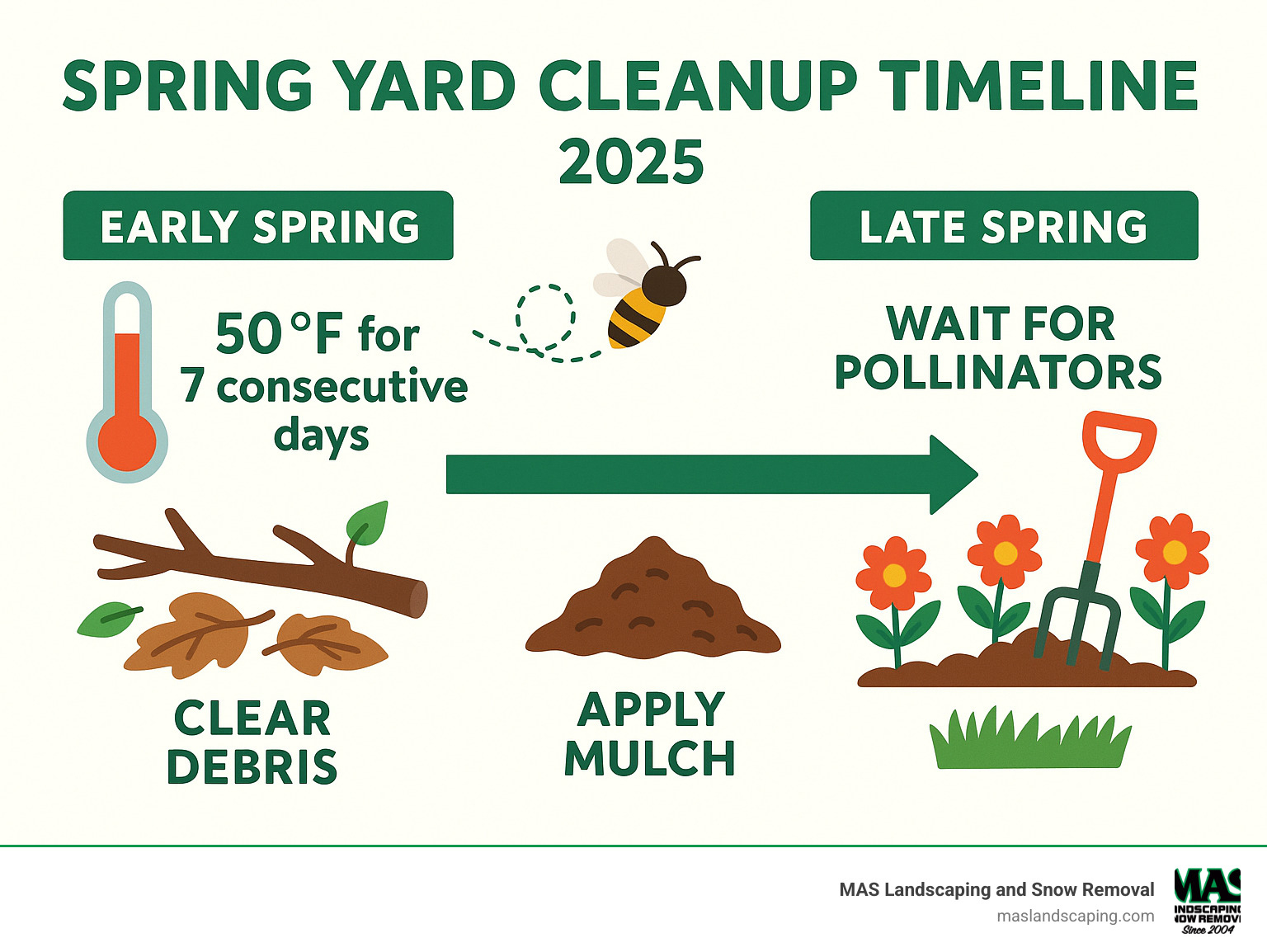
The single most destructive mistake a homeowner can make in early spring is impatience. The moment the temperature creeps above fifty degrees, the natural instinct is to rush outside, rake away the debris, and start prepping flower beds. However, walking across a lawn when the soil is still saturated from melted snow acts like a rolling pin on unbaked pastry. Every footstep exerts immense pressure on soil particles, forcing air pockets out and cementing the earth into a dense, impenetrable layer of concrete-like mud.
Soil compaction is the silent killer of urban and suburban lawns. When the ground is frozen solid at a depth of six inches while the top inch is thawed and muddy, your body weight has nowhere to go. It compresses the topsoil directly against that frozen subsurface, shearing off tender new root tips that are just beginning to push outward. Once soil is severely compacted in the spring, it loses its ability to absorb rainwater, fertilizer, and oxygen for the remainder of the growing season, forcing the grass into a chronic state of stress.
This golden rule of spring lawn care requires disciplined restraint: wait until the soil has truly dried out before engaging in heavy cleanup. You can test your soil’s readiness by grabbing a handful of earth from the root zone and squeezing it. If it forms a dense, dripping mud ball that holds its shape rigidly, stay off the grass entirely. If it crumbles apart easily in your palm, the soil architecture has recovered enough structural integrity to support light raking and foot traffic without risking structural damage.
Step-by-Step Practical Implementation Guide for Spring Recovery
Restoring your yard to peak condition requires a chronological sequence that respects the natural healing timeline of the turfgrass. Skipping steps or performing them out of order can permanently damage vulnerable shoots. Follow this field-tested blueprint to nurse your landscape back to robust health:
- Step 1 (The Waiting Period and Damage Assessment): Resist the urge to rake or walk on the turf while the ground is squishy. Once the soil passes the squeeze test, gently walk the property to map out problem areas, noting where snow mold, standing water, and heavy compaction are concentrated.
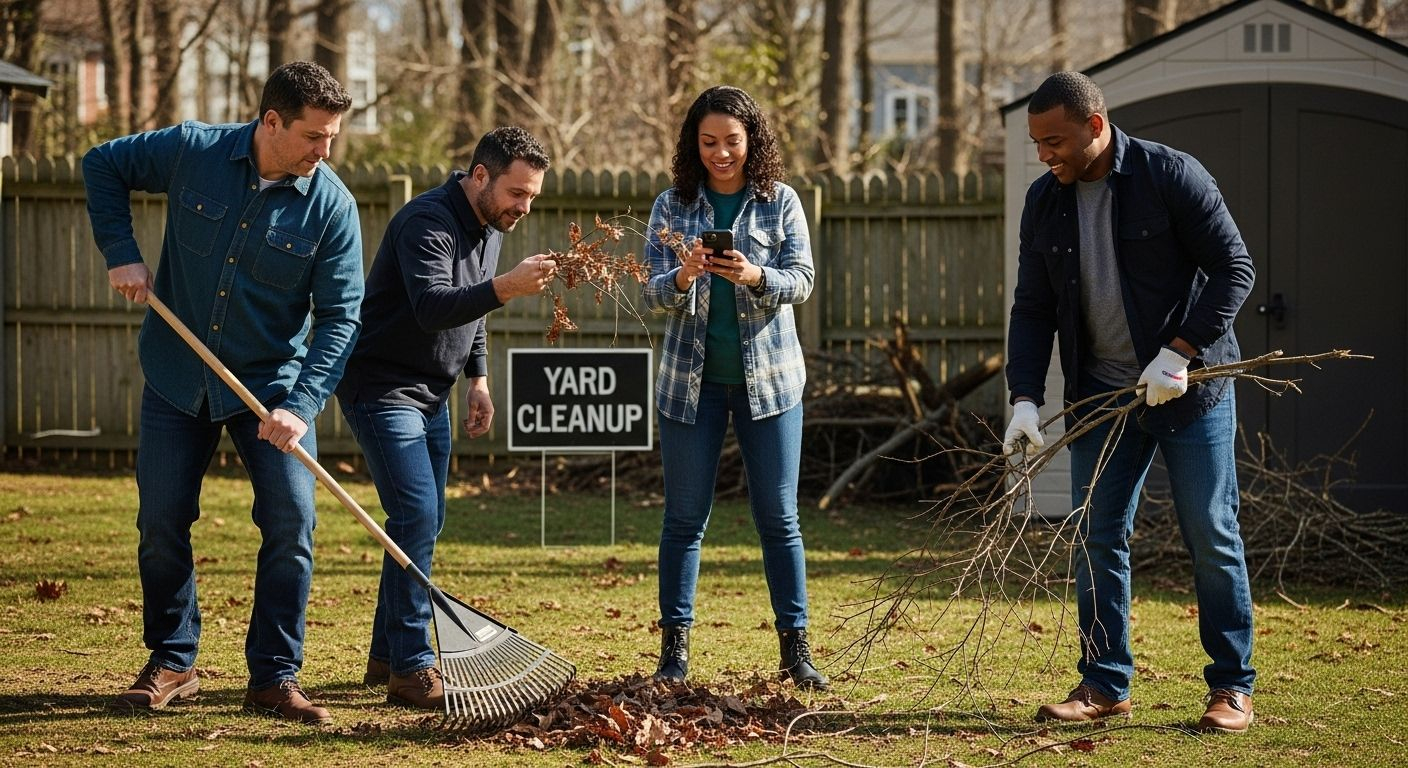
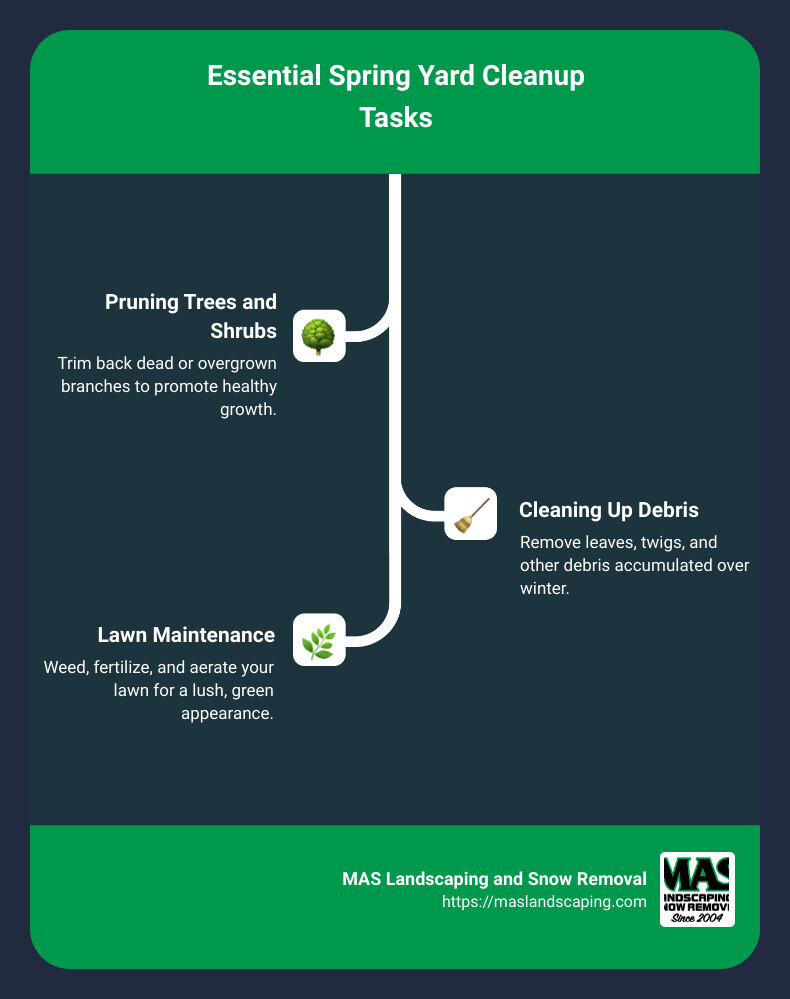
- Step 2 (Gentle Debris Removal and Lawn Sweeping): Use a flexible, plastic leaf rake rather than a stiff metal dethatcher to gently lift matted grass blades and clear away fallen twigs, leaves, and dead thatch. This initial sweeping introduces vital airflow to the crown of the plant and breaks up minor snow mold crusts before they can choke out new growth.
- Step 3 (Targeted Thatch Management and Dethatching): Once the grass is actively growing and the soil is fully dry, assess the thatch layer—the tightly interlocked mat of dead and living organic matter sitting between the green vegetation and the soil line. If this layer exceeds half an inch in thickness, use a power dethatcher or a scarifier to slice through the mat, allowing water, fertilizer, and air to penetrate the root zone.
- Step 4 (Mechanical Aeration for Compacted Soils): Combat heavy winter compaction by running a core aerator across the property, pulling out two-to-three-inch plugs of soil and depositing them on the surface. This mechanical intervention relieves subterranean pressure, stimulates lateral root expansion, and creates ideal channels for overseeding.
- Step 5 (Overseeding and Strategic Spring Feeding): Fill in thin, winter-damaged patches by broadcasting a high-quality grass seed blend matched to your regional climate and sun exposure. Follow up with a balanced, slow-release organic fertilizer designed to nourish the soil microbiome without forcing a reckless surge of top-growth that weak roots cannot sustain.
Avoiding Common Pitfalls and Field-Tested Workarounds
Even with the best intentions, homeowners often fall into traps that undermine their hard work during the spring recovery window. Recognizing these missteps can save you weeks of frustration and prevent costly remediation later in the season.
- Pitfall 1 (Applying Pre-Emergent Herbicide Too Early): Many people rush to apply crabgrass preventer as soon as the snow melts, fearing weed invasion. The mistake here is that pre-emergents create a chemical barrier in the soil that also inhibits the germination of any grass seed you might want to plant to fix winter bald spots. If you plan to overseed, hold off on pre-emergents or use a specialized seeding-safe formula like mesotrione.
- Pitfall 2 (Aggressive Scalping with the Mower): Mowing the lawn extremely short in early spring to clean up dead tips exposes the crown to rapid temperature fluctuations and weed seeds. Set your mower deck higher for the first few cuts of the season, maintaining a blade height of at least three inches to shade the soil and encourage deep root development.
- Pitfall 3 (Over-Fertilizing with High-Nitrogen Formulas): Pumping a stressed, winter-weary lawn with cheap, synthetic, fast-release nitrogen forces the grass to push out lush, weak green growth above ground before its root system has recovered. This rapid flush exhausts the plant’s carbohydrate reserves and makes it an easy target for summer drought and disease; always opt for slow-release, organic-based granular fertilizers.
- Pitfall 4 (Ignoring Drainage Issues and Standing Water): Assuming that spring puddles will simply resolve themselves leads to prolonged root rot and persistent moss infestations. If water pools in specific depressions for more than twenty-four hours after a melt, actively re-grade those low spots or top-dress them with a sandy loam mix to level the surface.
- Pitfall 5 (Raking Away Snow Mold Too Aggressively): Encountering matted, fungal-crusted grass triggers an urge to scrub the area vigorously with a metal rake. This tears out the crown of the grass entirely rather than removing the mold; instead, gently brush the affected areas with a flexible leaf rake on a dry afternoon to expose the blades to sunlight and natural air currents.
The Broader Ecological Value of a Resilient Spring Yard
Caring for your yard after the winter thaw extends far beyond achieving neighborhood curb appeal; it plays an integral role in urban and suburban ecology. A dense, healthy turfgrass canopy acts as a natural filtration system for rainwater runoff, trapping sediment and absorbing excess nutrients before they can leach into local storm drains, rivers, and groundwater tables. When you prioritize deep root development and healthy soil microbiology in the spring, you are building an ecosystem that requires less artificial chemical intervention down the road.
Furthermore, a thriving lawn sequesters atmospheric carbon and lowers ambient temperatures around your home through natural evapotranspiration. Contrast this with a neglected, compacted yard that repels water, encourages soil erosion, and requires excessive chemical inputs to mask its decline. The choices you make during those first few weeks of spring set the ecological tone for the entire warm-weather season. By working with nature—respecting soil drying times, encouraging beneficial soil microbes, and choosing mechanical aeration over quick-fix chemical treatments—you transform your property into a functioning, sustainable green space.
This perspective shifts lawn care from an endless weekend chore into an act of environmental stewardship. Every core plug pulled, every organic nutrient applied, and every square foot of overseeded turf contributes to a healthier local microenvironment. When you nurture your grass through its most vulnerable post-winter phase, you are investing in a living asset that yields beauty, ecological stability, and personal satisfaction all year long.
Actionable Recommendations and Key Frameworks for Long-Term Success
Achieving and maintaining a pristine lawn is ultimately about consistency, observation, and timing. To synthesize your spring recovery efforts into a repeatable framework, organize your seasonal maintenance around clear environmental triggers rather than arbitrary calendar dates. Nature does not operate on a strict 30-day schedule, and neither should your lawn care routine.
- Establish a Soil Temperature Baseline: Invest in a simple soil thermometer and wait until soil temperatures consistently reach 50 to 55 degrees Fahrenheit before applying fertilizers, weed preventers, or major amendments, as this signals true biological awakening in the root zone.
- Commit to Proper Mowing Hygiene: Never cut more than one-third of the grass blade height in a single mowing session, and keep your mower blades sharp to ensure clean cuts that heal quickly and resist moisture loss.
- Monitor Irrigation Wisely: Spring often brings abundant rain and melting snow, making supplemental watering unnecessary; let nature handle the hydration until dry spells emerge, forcing roots to search deeper into the soil profile for moisture.
- Maintain a Regular Aeration and Overseeding Cycle: Incorporate core aeration into your annual maintenance schedule—either in the spring for cool-season grasses under specific conditions, or early autumn—to continuously combat soil compaction and maintain turf density.
As the mud dries, the first tender shoots of emerald green push through the thatch, and your yard begins to hum with life, the grueling weeks of winter snowmelt become a distant memory. Bringing a landscape back from the brink of seasonal stress is a testament to the resilience of nature and the power of attentive stewardship. You have navigated the hidden perils of soil compaction, outsmarted early fungal pressures, and laid a solid biological foundation for the months ahead.
The journey of lawn care is never truly finished, but the spring recovery phase is unquestionably the most critical chapter of the annual cycle. Armed with a deeper understanding of soil biology, a respect for natural timelines, and a commitment to methodical care, you are well-equipped to enjoy the fruits of your labor. Step back, admire the emerging expanse of green, and take pride in knowing that your thoughtful efforts have breathed vibrant new life into the earth right outside your door.