
Stepping onto the front walk after a grueling week should feel like crossing a threshold into your own private sanctuary. Instead, what greets many homeowners is a tedious chore list carved in concrete: stubborn crabgrass erupting through expansion joints, washed-out mulch spilling over raw edges, and a harsh, sterile corridor of grey pavers cutting straight through an otherwise living yard. We have long treated pathways as utilitarian concrete arteries, engineered purely to get us from the driveway to the front porch without muddying our shoes.
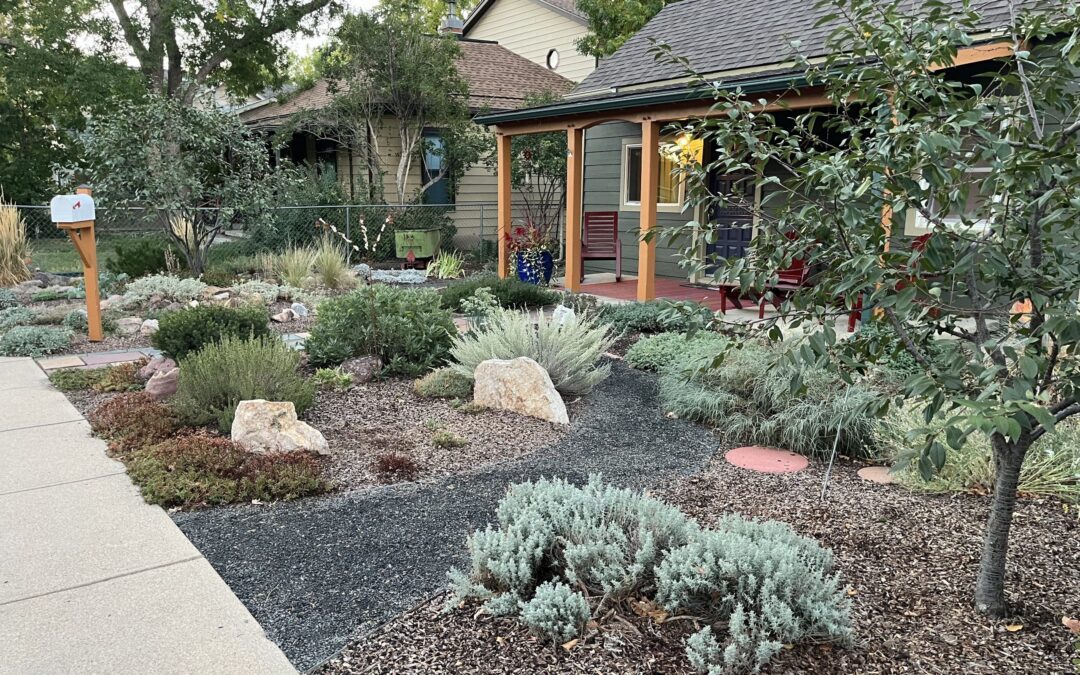
Yet, treating paths as mere concrete infrastructure strips the front yard of its most potent atmospheric asset: organic transition. When you look at properties that immediately capture the eye, the secret rarely lies in expensive imported boulders or manicured boxwoods. It lives right at ground level. By softening hard edges with dense, resilient foliage, a front yard shifts from an aggressive boundary line into a fluid, welcoming invitation.
The traditional American front yard has long been dominated by the thirsty, high-maintenance monoculture lawn. Pushing a heavy rotary mower up and down narrow side strips or weeding between flagstones on hands and knees is a weekend ritual few people actually cherish. Ground covers offer a quiet revolution against this repetitive labor. By selecting species engineered by nature to hug the earth, stay under six inches in height, and knit tightly together, you create a living carpet that actively pushes out unwanted opportunists while standing up to everyday foot traffic.
The Botanical Mechanics of Low-Growing Living Paths
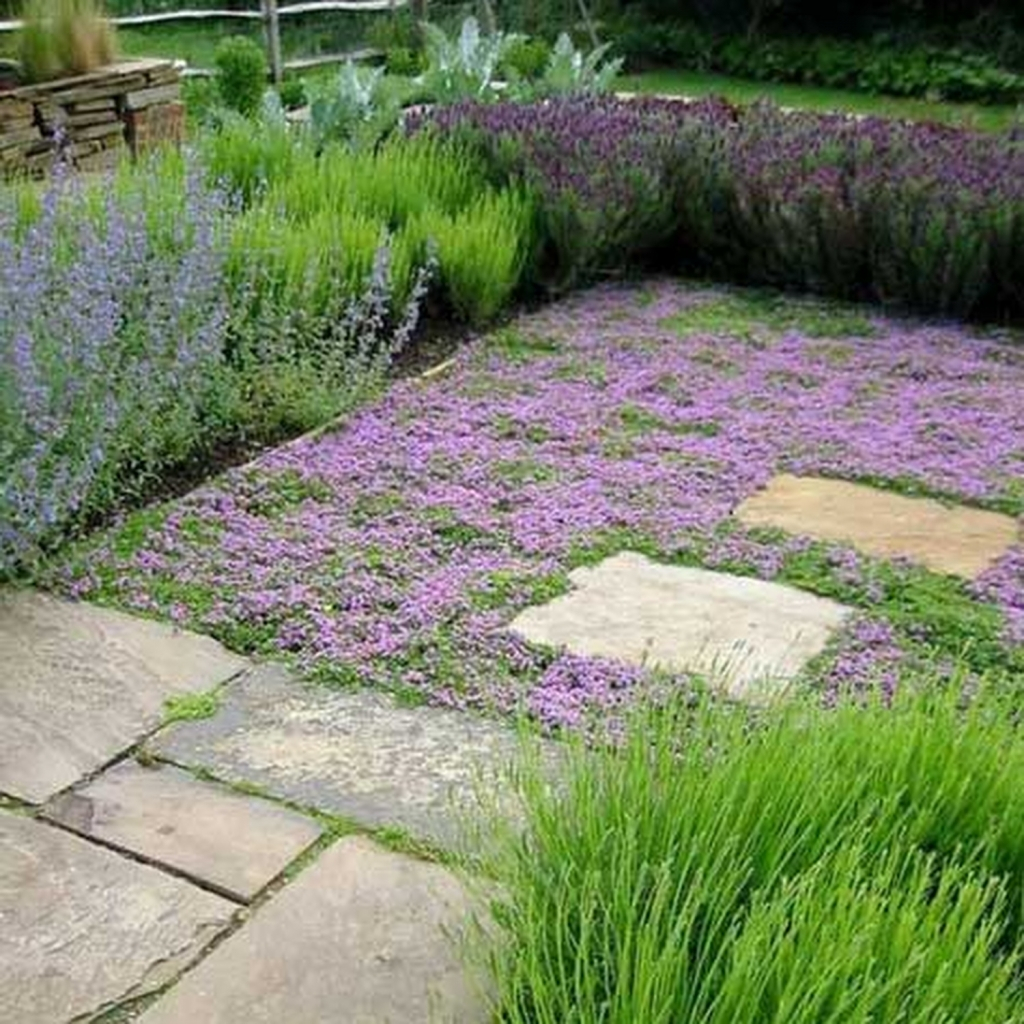
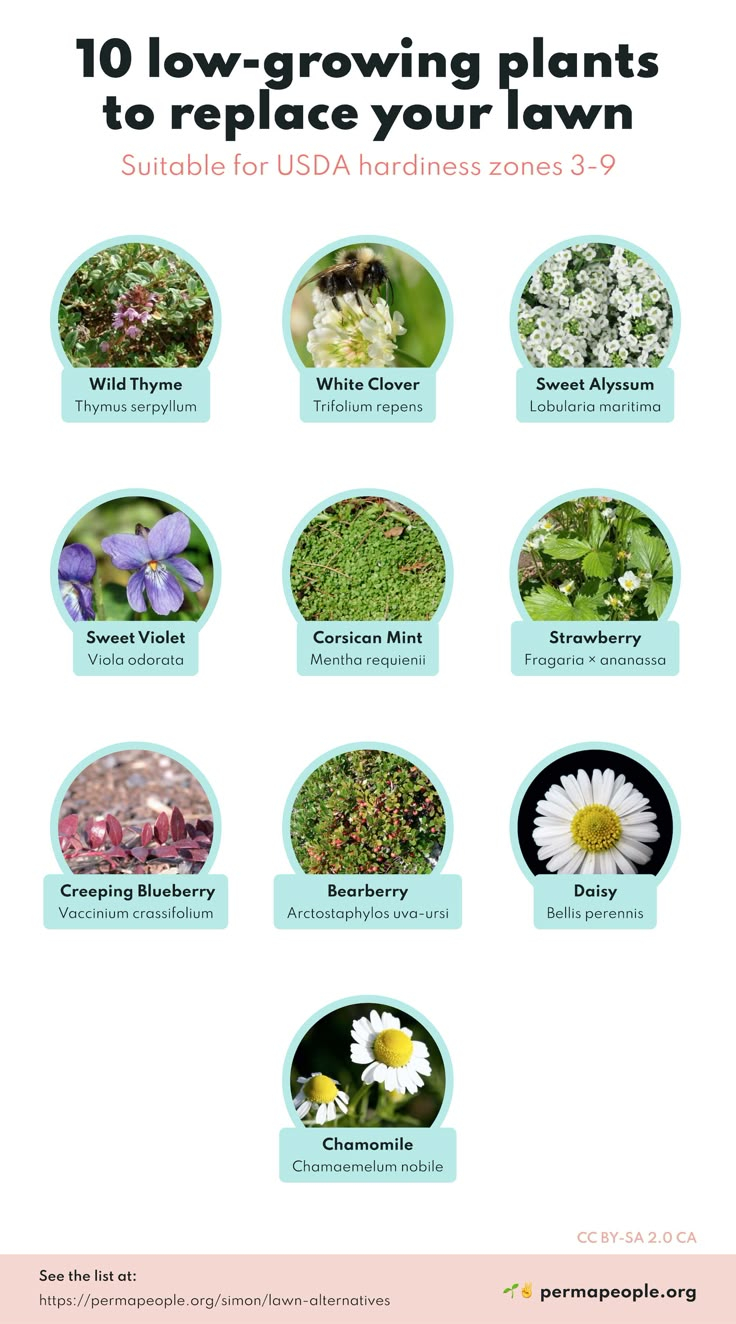
The defining specification for a true pathway ground cover is its mature height—ideally under six inches for light pathways or three to four inches for a seamless lawn alternative. Beyond height, spread rate and root architecture dictate survival. Unlike traditional turfgrass that relies on shallow, fine fibrous roots easily scorched by summer heat, low-growing ground covers often feature robust, woody runner systems or dense mat-forming taproots. These structural adaptations allow plants like creeping thyme (Thymus serpyllum) and Irish moss (Sagina subulata) to anchor themselves securely between irregular flagstones and gravel aggregates.
When evaluating these botanical workhorses, understanding their propagation style is critical for planning density. Aggressive spreaders like Creeping Jenny (Lysimachia nummularia) can cover up to 18 inches per plant in a single growing season under optimal moisture conditions, making them ideal for rapid hillside stabilization or wide border filling. Conversely, slower clumpers or sedum mats require tighter initial installation spacing to achieve an unbroken canopy before weed seeds find an opening. This tight canopy creates a micro-climate at the soil surface, blocking sunlight and effectively short-circuiting the germination cycle of nuisance weeds without synthetic pre-emergents.
Moisture management represents another hidden engineering marvel of these plants. Low mats create a living mulch layer that shades the underlying soil, drastically cutting down evaporation rates compared to bare dirt or loose wood chips. During heavy downpours, their intricate web of roots acts as a natural sponge and filtration network, slowing runoff velocity and preventing the soil erosion that frequently undermines stone pathways. Instead of water washing away your topsoil, it moves gently through the root zone, feeding the surrounding landscape and replenishing local water tables.
Matching Plant Anatomy to Microclimate Realities
Selecting the right ground cover requires an honest appraisal of your property’s environmental pressures. A sun-baked southwestern exposure featuring compacted clay will utterly destroy delicate shade-loving mosses, just as deep woodland shade will cause sun-worshipping herbs like creeping thyme to grow leggy, sparse, and eventually rot away. Success hinges on matching plant biology to the specific light, soil pH, and foot-traffic volume of your walkway corridor.
For blazing, baking southern exposures with poor or sandy soil, drought-proof sedums and creeping succulents are unrivaled. Varieties like Sedum spurium (Dragon’s Blood) or Sedum album store moisture in their fleshy leaves, turning blazing pathways into vibrant tapestries of green, bronze, and crimson that require almost zero supplemental irrigation once established. These tough-as-nails perennials thrive on neglect, making them the premier choice for urban hell strips and driveway borders exposed to reflected heat from asphalt and concrete.
Shaded pathways flanked by mature maples or north-facing house walls present an entirely different ecological challenge. Here, the reigning champions are shade-tolerant selections such as Pachysandra terminalis, sweet woodruff (Galium odoratum), or delicate Irish and Scotch mosses. These varieties flourish in indirect light and cool, moisture-retentive soils. When planted between slate stepping stones in a shaded courtyard, they create a plush, velvety green corridor that feels cool underfoot even in the dead of July, softening harsh architectural lines with timeless elegance.
Step-by-Step Implementation for Living Pathways
Transforming a barren or weed-choked pathway into a lush, living corridor requires methodical site preparation. Skipping steps here guarantees a frustrating battle with persistent weeds later on. Follow this field-tested methodology to ensure high survival rates and rapid canopy closure.
- Step 1 (Site Assessment and Excavation): Map out your pathway layout and excavate the existing soil to a depth of three to four inches along the margins or between pavers. Remove all perennial weed roots, rhizomes, and debris completely to prevent future competition.
- Step 2 (Soil Amendment and Grading): Blend your native soil with a 50/50 mix of high-grade compost and sharp horticultural sand to optimize drainage. Compact the amended soil gently, ensuring the final grade sits roughly one inch below the top of adjacent stone pavers or edging.
- Step 3 (Plant Selection and Spacing Layout): Arrange your potted ground covers across the bed while still in their containers to verify visual density. Space aggressive spreaders 10 to 12 inches apart, while slower mat-formers and plugs should be nested tightly at 4 to 6-inch intervals.
- Step 4 (Installation and Root Nesting): Dig individual planting holes twice as wide as the nursery pots. Tease out root balls gently if root-bound, set plants level with the surrounding grade, and press soil firmly around the base to eliminate subterranean air pockets.
- Step 5 (Initial Watering and Mulch Finishing): Soak the entire installation thoroughly to settle the soil around the roots. Apply a light top-dressing of fine-textured organic compost or screened mulch around the base of the new plants to retain surface moisture during the critical establishment phase.
Navigating Common Pitfalls and Field-Tested Workarounds
Even experienced gardeners encounter setbacks when transitioning from traditional landscaping to living pathways. Anticipating these hurdles saves time, money, and emotional energy during the first critical growing season.
- Pitfall 1 (Overestimating Traffic Tolerance): Planting delicate varieties like Scotch moss in high-traffic primary walkways leads to unsightly dead zones. Workaround: Reserve ultra-tender mosses and fine herbs for secondary decorative paths or the gaps between stepping stones where footsteps naturally land less frequently. Use tougher, woody-stemmed ground covers like woolly thyme (Thymus pseudolanuginosus) for high-traffic entry corridors.
- Pitfall 2 (Inadequate Initial Weed Suppression): Assuming ground covers instantly choke out weeds leads to overrun beds before the canopy closes. Workaround: Hand-weed diligently during the first 60 days post-planting. Apply a thin layer of corn gluten meal as a natural pre-emergent or use cardboard weed barriers beneath surrounding decorative beds while letting the living cover establish.
- Pitfall 3 (Poor Drainage and Root Rot): Planting drought-loving sedums in poorly drained, water-logged clay trenches causes immediate fungal decay. Workaround: Correct sub-surface drainage by grading away from foundations and incorporating coarse perlite or pea gravel into the planting zone before installing succulent varieties.
- Pitfall 4 (Neglecting Establishment-Phase Irrigation): Letting newly installed ground covers dry out completely during their first summer heatwave decimates root systems. Workaround: Install a temporary drip line or soaker hose along the pathway margins, running it on a reliable timer for the first 8 to 12 weeks until deep root systems take hold.
- Pitfall 5 (Unchecked Aggressive Spread): Letting fast-growing species like Creeping Jenny migrate unchecked into pristine turfgrass or delicate perennial borders creates a maintenance headache. Workaround: Install heavy-duty plastic or metal landscape edging sunk at least four inches deep along bed borders to act as a physical barrier against runaway runners.
The Broader Ecological and Aesthetic Dividends
Moving away from sterile hardscaping and thirsty lawns toward living ground covers delivers profound ripple effects for your immediate ecosystem. Traditional front yards often function as ecological dead zones—impervious surfaces that shed rainwater directly into storm drains, carrying synthetic fertilizers and pet waste into local waterways. A dense tapestry of diverse ground covers shatters this dynamic. It acts as an organic sponge, filtering pollutants, trapping airborne particulate matter, and recharging local groundwater tables.
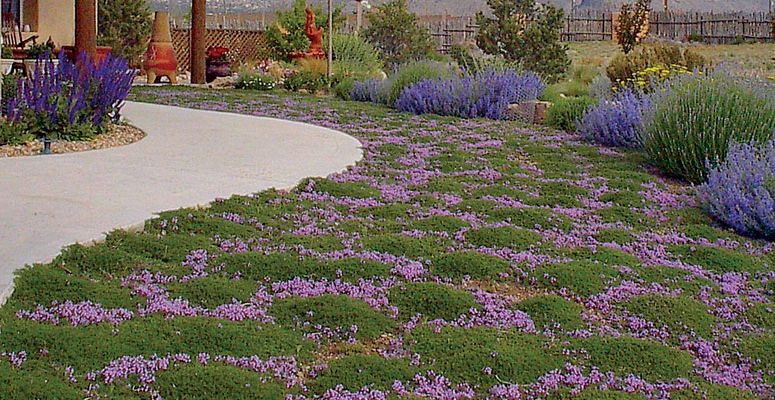
Furthermore, blooming varieties like creeping thyme and low-growing veronicas serve as critical urban foraging sites for native pollinators, honeybees, and beneficial insects. When you replace a monotonous strip of concrete or bark mulch with a blossoming pathway, you weave your front yard back into the local ecological fabric. Passersby no longer just see a property boundary; they experience a vibrant, sensory micro-habitat filled with color, subtle fragrances crushed underfoot, and the gentle hum of pollinators.
From an economic standpoint, transitioning to low-growing ground covers alters the long-term maintenance ledger of homeownership. While the upfront investment in plants and soil preparation requires attention, the recurring expenses of purchasing pre-emergent herbicides, renting heavy aerators, and spending countless weekend hours edging and mowing plummet drastically. Over a five-year horizon, these living pathways pay for themselves in reduced water consumption, eliminated chemical costs, and reclaimed leisure time.
Frameworks for Long-Term Pathway Success
Achieving a pristine, low-maintenance front yard corridor is not a set-it-and-forget-it endeavor; it is an exercise in ecological stewardship. To maintain that effortless, professional aesthetic year after year, establish a minimalist seasonal maintenance framework.
In early spring, as winter’s chill recedes, take time to inspect your pathway edges. Trim back any dead or woody growth on creeping thyme or sedums using sharp shears to encourage fresh, vigorous branching. Clear away any wind-blown debris, fallen leaves, or stray twigs that could smother delicate new shoots trying to catch the spring sunlight. A light top-dressing of organic compost brushed gently into the canopy provides all the fertility these hardy plants require for the upcoming growing season.
Mid-summer calls for mindful observation rather than heavy labor. Monitor moisture levels during prolonged heatwaves, providing deep, infrequent soakings rather than shallow daily sprinklings to encourage deep root development. If certain areas experience unexpected traffic wear, simply step back and pivot: fill minor gaps with rooted divisions harvested from more vigorous sections of your own yard, utilizing free plant material to continually heal and strengthen your landscape.
The transformation of a difficult pathway from a sterile concrete strip into a welcoming, living front yard changes the entire character of a home. It signals to every visitor, delivery driver, and passing neighbor that care, intention, and respect for nature guide this space.
By understanding the botanical mechanics of low-growing plants, preparing your soil with precision, and respecting the microclimates of your property, you build more than just a walkway. You construct a resilient, self-sustaining corridor of life that greets you gently every single day, turning the simple act of coming home into a sensory experience worth savoring.