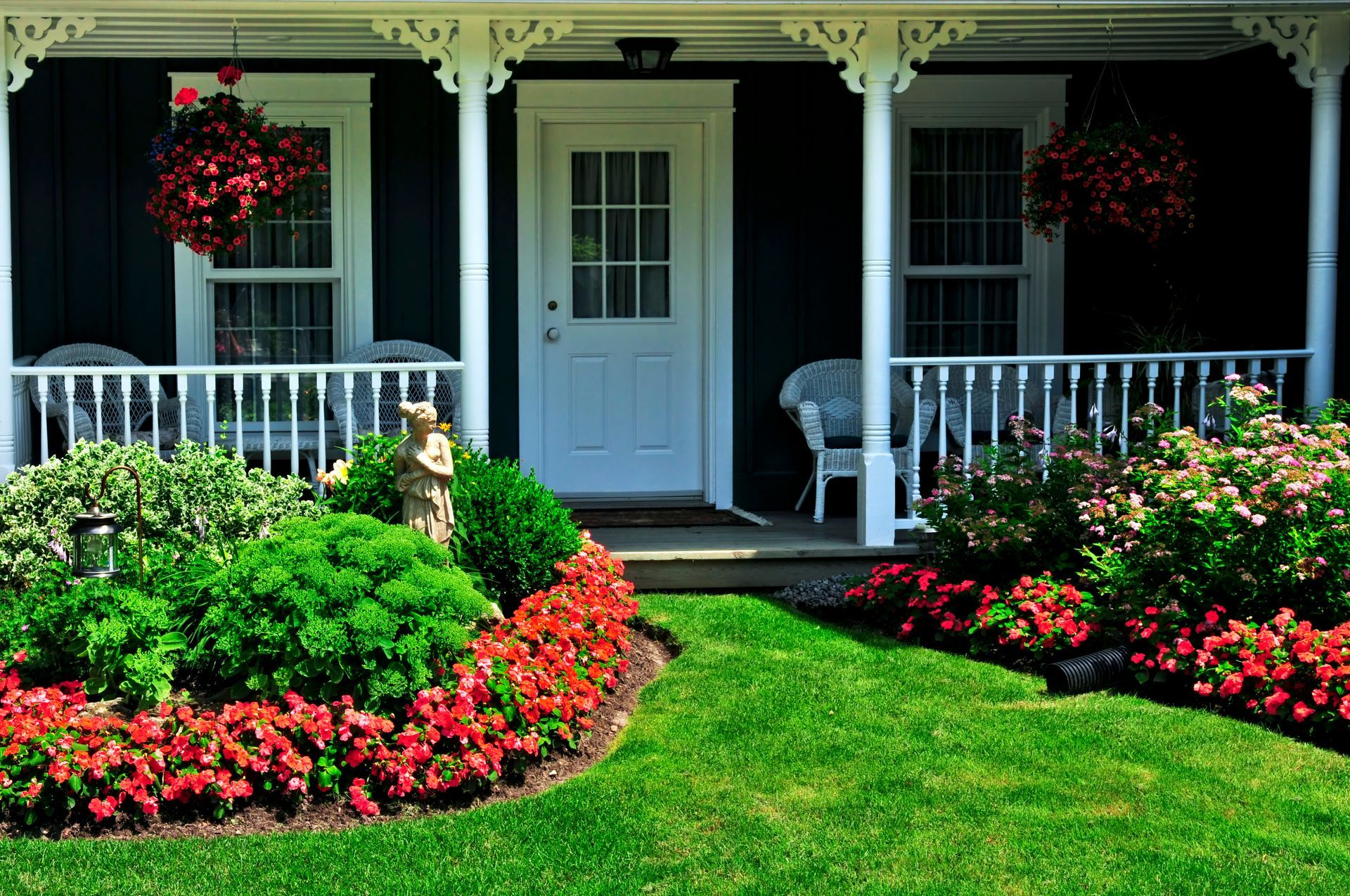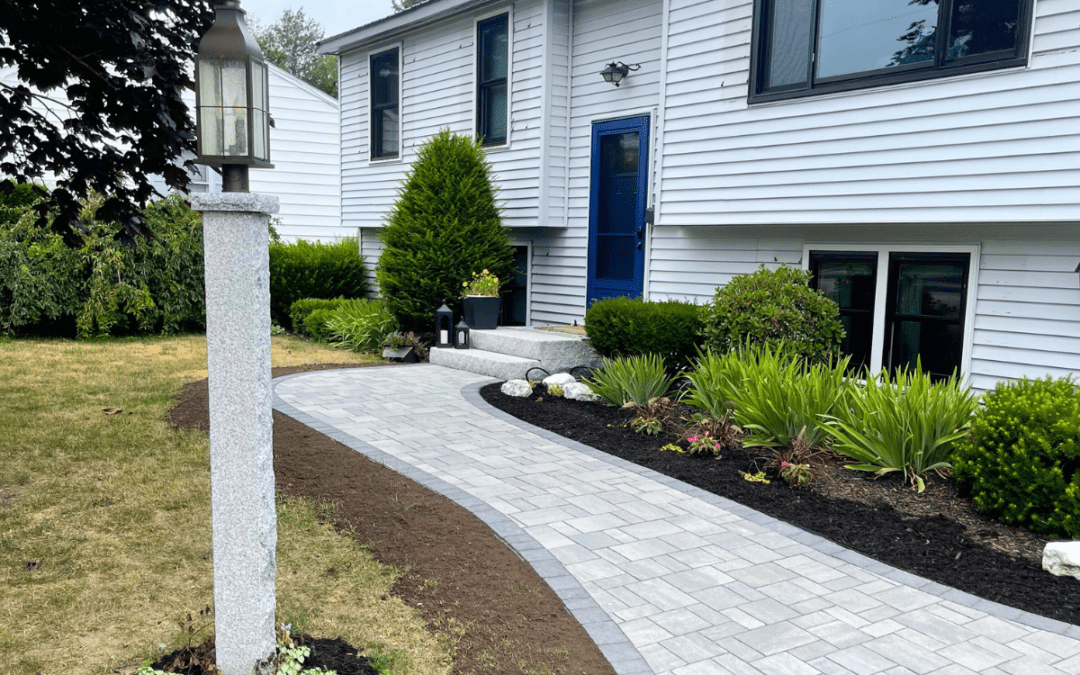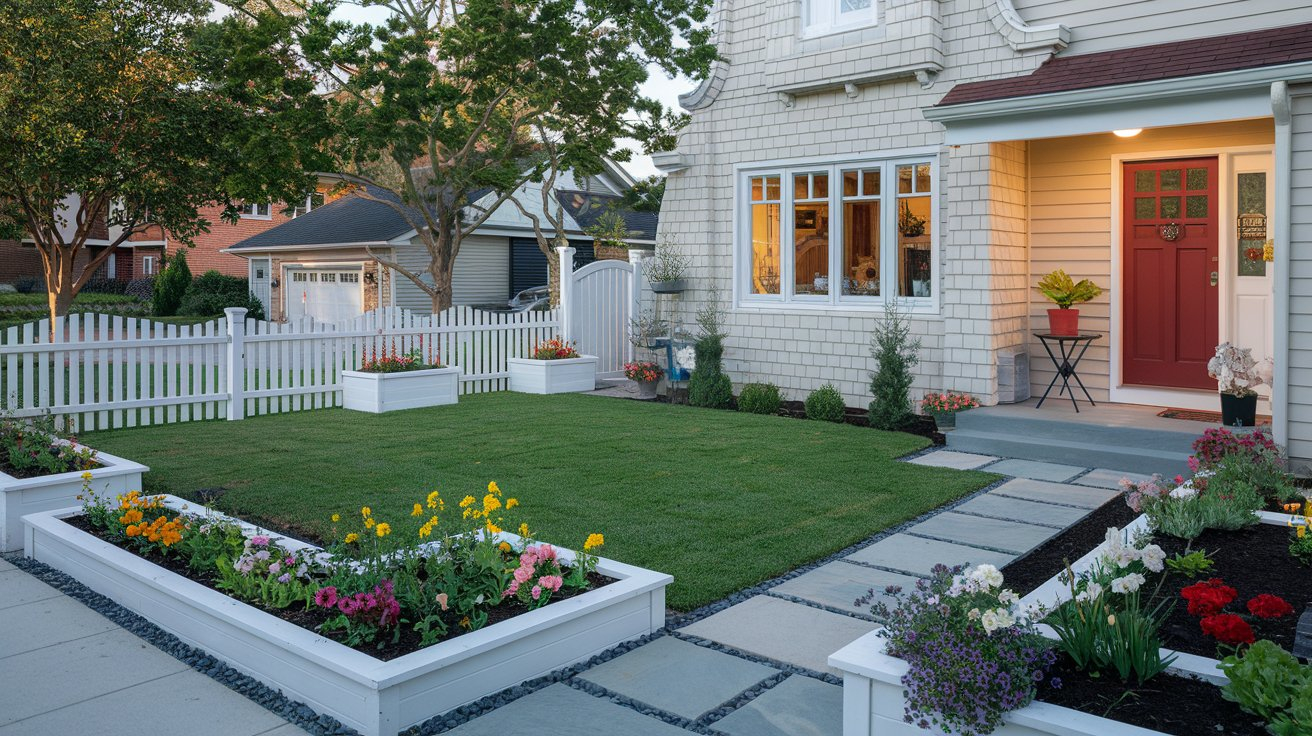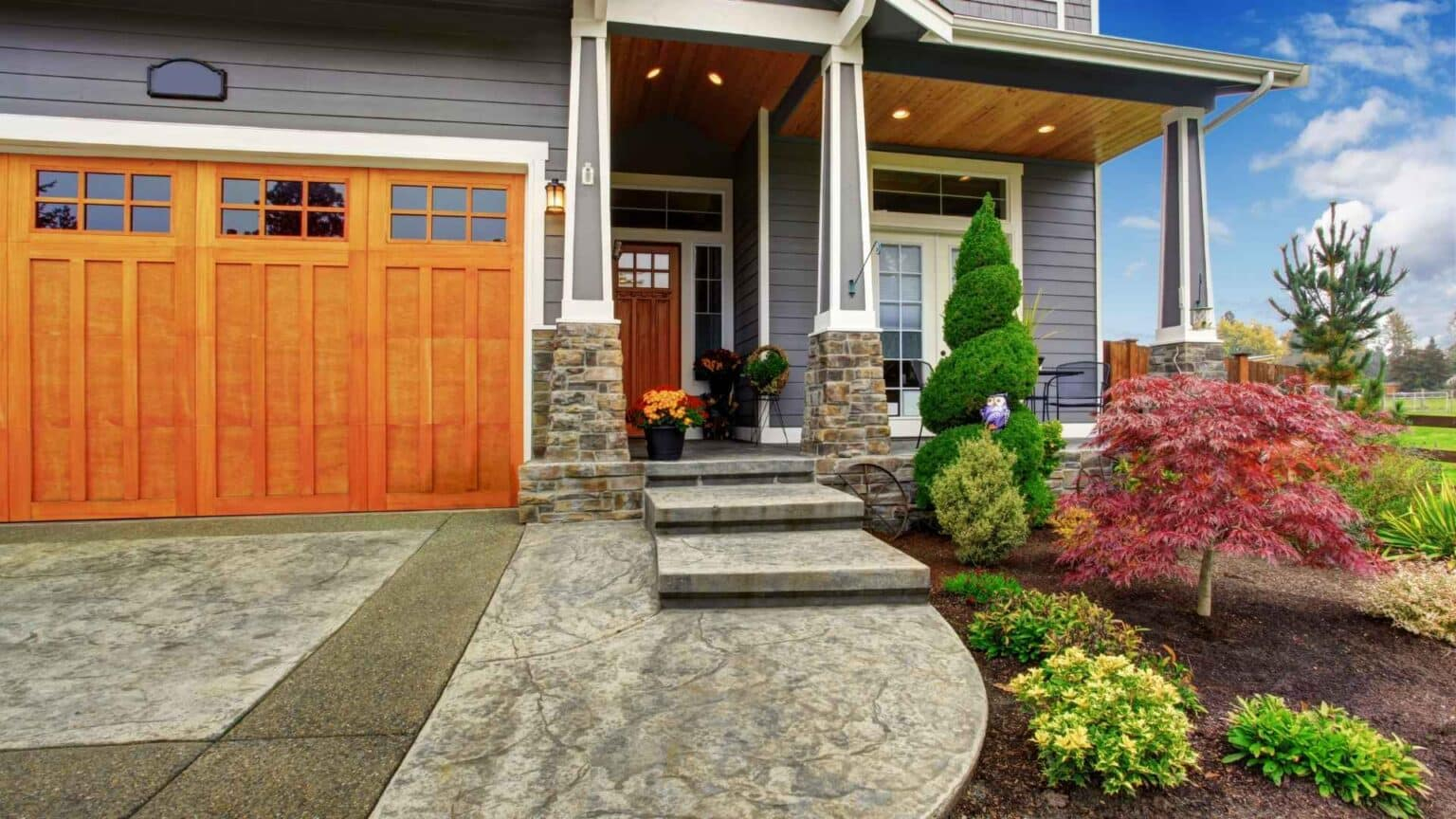

You probably don’t think about your home’s foundation very often. It’s out of sight, buried underground, doing its job quietly. But here’s the thing—what you do above ground, in your garden and around your house, has a huge impact on that hidden structure. I’ve seen too many homeowners spend thousands on beautiful flower beds only to discover they’ve been slowly damaging their own foundation.
It doesn’t have to be that way.
Let me walk you through what actually works when it comes to landscaping that protects, not hurts, your home’s core. I’ve spent years talking to engineers, contractors, and regular folks who learned these lessons the hard way. You don’t have to make the same mistakes.
The Water Problem Nobody Talks About
Water is the number one enemy of foundations. Period. And here’s the crazy thing—most people’s landscaping actually makes it worse.
Think about it. When rain falls, it needs somewhere to go. If your flower beds slope toward your house, that water is heading straight for your foundation. Over time, this causes soil expansion, cracking, and even basement flooding. In 2026, with more extreme weather events happening everywhere, this is more critical than ever.
The fix is simpler than you might think. You need what landscapers call "positive grading." That means the ground should slope away from your foundation at least 6 inches over the first 10 feet. It sounds technical, but it’s really just common sense—water should run away from your house, not toward it.
I visited a family in Ohio last year who had beautiful hydrangeas planted right against their foundation. They loved how it looked. But after a wet spring, they noticed cracks in their basement walls. The soil had absorbed all that water and expanded, pushing against the concrete. A simple regrading job and moving those plants just 3 feet away solved the problem.
What Plants Actually Work Near Your Foundation
This is where most people get it wrong. They see those gorgeous foundation plantings at the garden center and think, "That’ll look perfect against my house." But not all plants are created equal when it comes to foundation safety.
The rule of thumb is simple: keep large shrubs and trees at least 5 to 10 feet away from your foundation. Tree roots are incredibly powerful. They can crack concrete, disrupt drainage systems, and even lift foundation walls. I’ve seen oak trees planted just 3 feet from a house cause $15,000 in foundation damage.
So what should you plant instead? Go with shallow-rooted perennials, ground covers, and small ornamental grasses. Things like hostas, lavender, and sedum work beautifully. They look great, don’t require deep roots, and they actually help manage moisture around your foundation.
One trick I learned from a master gardener in Vermont: use plants with different water needs strategically. Put drought-tolerant plants closest to the foundation where you want less moisture. Then gradually transition to plants that like more water farther away. It creates a natural moisture gradient that protects your foundation.
The Dangers of Mulch Volcanoes and Soil Piling
You’ve seen them. Those perfect little mounds of mulch piled up against tree trunks and house foundations. They look neat and tidy, right? Wrong. They’re actually destroying your home.
What happens is this: when you pile soil or mulch against your foundation, you’re creating a bridge for termites and other pests. They can crawl right up that mulch and into your wooden framing without ever being seen. Plus, that constant moisture against the foundation wall leads to rot and deterioration over time.
The fix is simple but so many people ignore it. Keep at least 6 inches of visible foundation above the soil line. I know it doesn’t look as "finished" but trust me, it’s worth it. You can hide that gap with decorative rock or a gravel strip that allows water to drain away.
A contractor friend of mine tells a story about a customer who insisted on having mulch piled high against her foundation because "that’s how the magazines show it." Two years later, she had a termite infestation that cost $8,000 to treat. The mulch didn’t cause it directly, but it made it so much easier for the termites to get in.
Drainage Systems That Actually Work
Sometimes grading and plant placement aren’t enough. If you live in an area with heavy clay soil or a high water table, you might need some extra help. That’s where drainage systems come in.
French drains are the gold standard for foundation protection. They’re basically trenches filled with gravel and a perforated pipe that carries water away from your house. They’re not glamorous, but they work incredibly well. I’ve seen them turn a soggy, foundation-threatening yard into a dry, stable property.
But here’s what most people don’t realize—you don’t always need to dig up your whole yard. Sometimes simple solutions work just as well. Rain gardens, for example, are shallow depressions planted with native water-loving plants. They capture runoff and let it soak into the ground slowly, away from your foundation. They’re beautiful, eco-friendly, and they solve drainage problems without expensive excavation.
Another option that’s gaining popularity in 2026 is dry wells. These are underground structures that collect and disperse water into the soil. They’re especially useful if you have downspouts that dump water right next to your foundation. Directing that water into a dry well 10 feet away makes a huge difference.
Seasonal Maintenance You Can’t Skip
Here’s the thing about foundation protection—it’s not a one-and-done deal. You need to check on it regularly. I recommend doing a walk-around your house at least twice a year, once in spring and once in fall.
Look for these red flags:
- Soil that’s settled or washed away near the foundation
- Cracks in the foundation walls, especially horizontal ones
- Water pooling near the house after rain
- Plants that have grown too close to the foundation
- Mulch that’s piled too high
One thing that surprises people is how much impact gutters have on foundation health. Clogged gutters can dump thousands of gallons of water right next to your foundation during a single storm. Clean your gutters regularly and make sure downspouts extend at least 5 feet away from the house.
I talked to a woman in Texas who thought her foundation issues were just from the clay soil. Turns out, her gutters were clogged with leaves from a nearby oak tree. A $20 gutter cleaning saved her from a $10,000 foundation repair. Little things matter.
The Long-Term Payoff of Smart Landscaping
Let me be real with you—doing all this work isn’t always fun. It means moving plants you love, changing how your yard looks, and maybe spending some money on drainage improvements. But the payoff is enormous.
A well-protected foundation lasts decades longer than one that’s been damaged by water and soil issues. It also maintains your home’s value. When you go to sell, potential buyers will notice if there are foundation problems. And trust me, foundation repairs are one of the most expensive things you can face as a homeowner.
Plus, there’s a peace of mind that comes with knowing your home is protected. You don’t have to stress every time it rains. You don’t have to worry about cracks getting worse. You can just enjoy your home and your garden without that nagging fear in the back of your mind.
I’ve seen families transform their yards from foundation-damaging nightmares into beautiful, functional spaces that actually protect their biggest investment. It takes some planning and effort, but it’s absolutely worth it.
Your home’s foundation is literally what everything else sits on. It deserves more attention than we usually give it. The good news is that protecting it doesn’t require a complete overhaul of your landscaping. Small changes—regrading, choosing the right plants, keeping mulch away from the foundation, and maintaining your drainage—make a huge difference.
Start with a walk around your house today. Look at where water flows when it rains. Check how close your plants are to the foundation. See if your soil slopes toward or away from your home. These simple observations will tell you everything you need to know.
Remember, the goal isn’t to have a bare, ugly yard. It’s to have a beautiful landscape that works with your home, not against it. With a little thought and planning, you can have both. And your foundation will thank you for decades to come.