
You know that feeling when you stand in the middle of your backyard, staring at a patch of dirt that’s seen better days? It’s just sitting there. Mocking you, maybe. You want it to look nice. You want it to be low maintenance. But then you open up those gardening apps or scroll through social media, and suddenly you’re drowning in numbers. Prices have shifted again. Supply chains are still a bit wonky from the last few years. And honestly? It’s hard to tell if you’re being ripped off or just paying for quality.
Let’s cut through the noise. It’s 2026. The cost of living hasn’t exactly dropped, and neither has the price of bagged soil amendments. But here’s the thing: you don’t need a degree in economics to figure out your garden bed budget. You just need a tape measure, a calculator, and a honest look at what you actually want from your space. Are you looking for something that lasts five years with zero work? Or do you want rich, dark earth that feeds your tomatoes but needs topping up every spring? The choice between gravel and mulch isn’t just aesthetic. It’s financial. And getting it wrong can cost you hundreds over time.
The True Cost of Materials in 2026
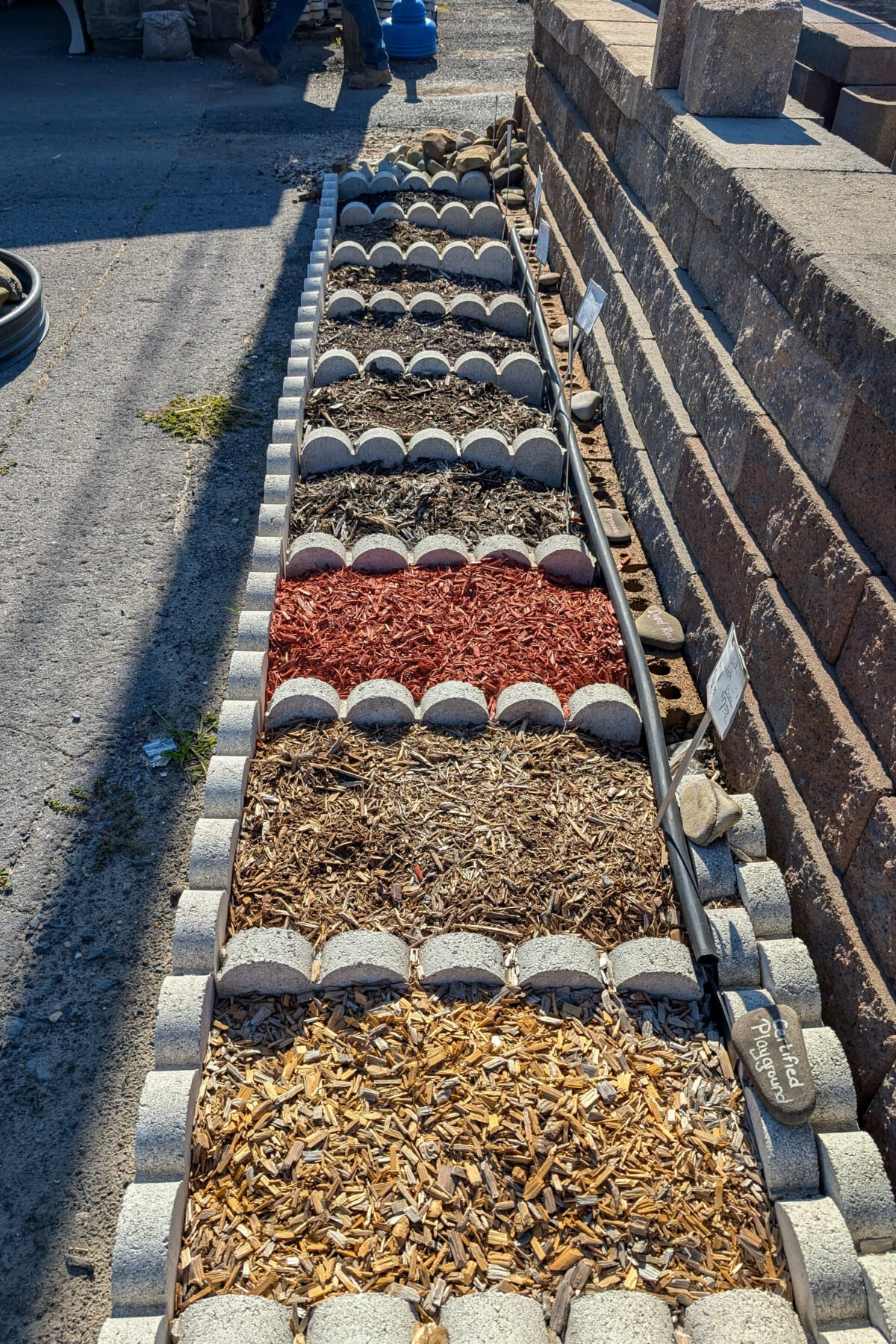
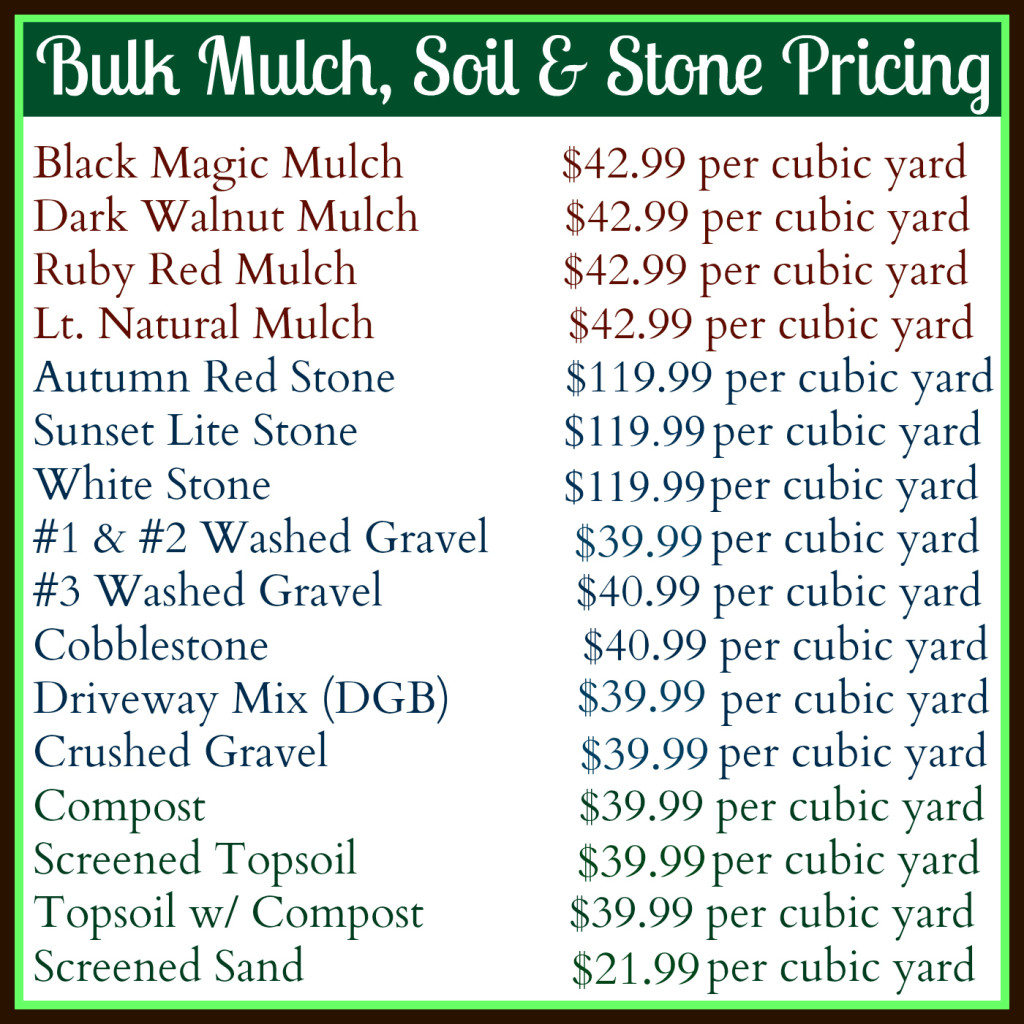
First things first. Let’s talk brass tacks. What does stuff actually cost right now? If you walked into a big-box store last week, you probably noticed the sticker shock on bagged mulch. In 2026, the average price for a standard cubic foot bag of hardwood mulch has hovered around $4.50 to $6.00, depending on your region and whether it’s dyed or natural. That doesn’t sound like much until you realize a decent-sized raised bed (4×8 feet, filled to 3 inches) needs about 8 to 10 bags. Suddenly, you’re looking at $50 just for the top layer. And that’s if you buy retail.
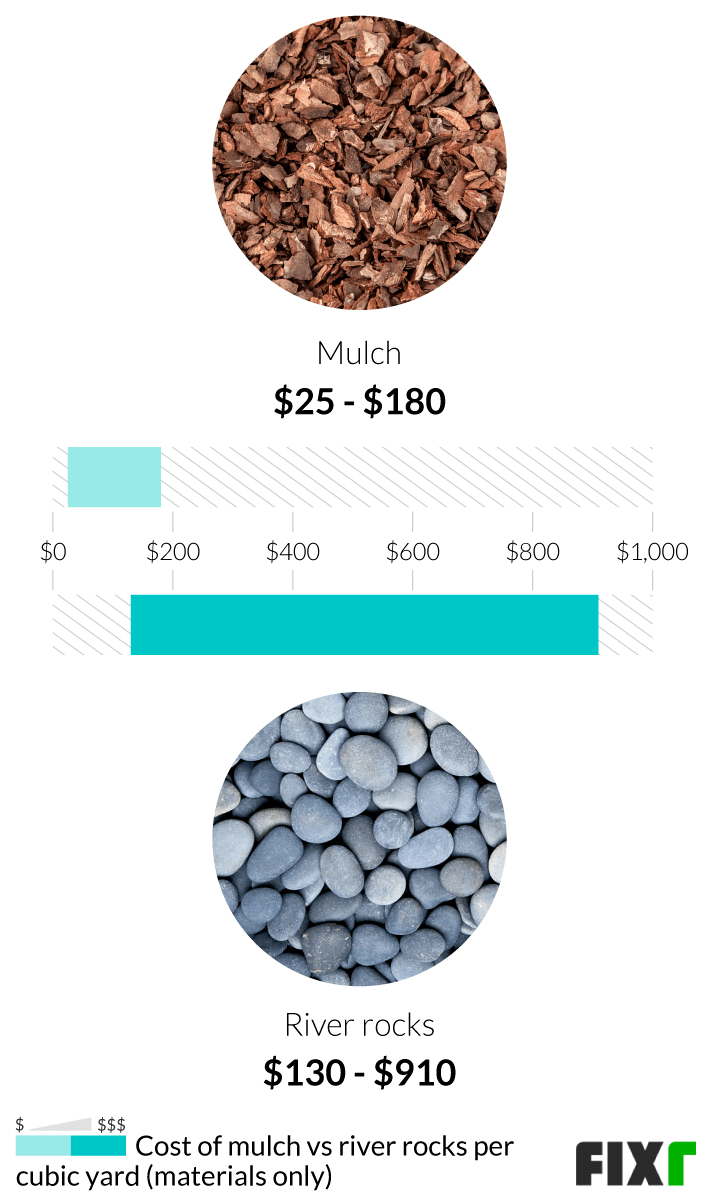
Gravel is a different beast entirely. It’s usually sold by the ton or the cubic yard, not the bag. This is where people get tripped up. A ton of pea gravel might run you $150 to $250 delivered, which sounds steep compared to a $5 bag of mulch. But here’s the kicker: one ton covers a massive area. For that same 4×8 bed, you’d only need a fraction of a ton. However, you can’t just dump gravel on dirt. You need a base. You need landscape fabric. You need edging that won’t let the stones escape into your lawn. These hidden costs add up fast. In 2026, heavy-duty landscape fabric has gone up about 15% due to raw material costs, making the initial setup for gravel pricier than many expect.
Don’t forget the "free" stuff. Some municipalities offer free mulch from community recycling centers. It’s rougher, chunkier, and might smell a bit funky for a week, but it’s free. Gravel? Rarely free. Unless you live next to a quarry and have a truck, you’re paying for transport. And fuel prices in 2026 remain volatile, so delivery fees can swing wildly. Always call three local suppliers. Ask for the "out the door" price, including fuel surcharges. You’d be surprised how much variance there is between the guy with one truck and the big landscaping supply yard.
Calculating Your Volume Without the Headache
Math is annoying. I get it. But guessing is worse. Guessing leads to buying too much (wasted money) or too little (wasted time). To budget correctly, you need volume. Not area. Volume. Here’s the simple formula: Length x Width x Depth. Keep everything in feet. If your depth is in inches, divide by 12. So, a 10-foot long bed, 4 feet wide, with 3 inches (0.25 feet) of cover is 10 x 4 x 0.25 = 10 cubic feet. Easy, right? Well, mostly.
The trick is knowing how much you actually need versus how much is sold. Mulch settles. Oh, how it settles. Over the first few weeks, that fluffy pile of bark chips compacts down by nearly 20-30%. If you calculate for exactly 3 inches, you’ll end up with 2 inches after a month of rain. Smart gardeners in 2026 are adding a "fluff factor" to their budget. Buy 15% more than you think you need. It’s better to have a little left over for patching bare spots later than to run back to the store. Gravel doesn’t settle much, but it shifts. If you have a slope, you’ll need more to maintain coverage because gravity is not your friend.
Also, consider the shape of your bed. Is it a perfect rectangle? Probably not. Most home gardens have curves, weird corners, or obstacles like trees. These irregularities mean waste. When you lay landscape fabric for gravel, you have to cut it. Those scraps are trash. When you spread mulch, you kick some onto the path. That’s loss. Add another 10% to your total volume calculation for waste. It’s a small buffer, but it keeps your budget realistic. Don’t skimp here. Running short halfway through a project is the quickest way to blow your budget because you’ll pay premium prices for a small top-up order.
Labor: The Hidden Budget Killer
Let’s be real. Who is doing the work? If it’s you, your labor is "free," but your time isn’t. And if you’re hiring help, well, labor rates in 2026 are no joke. Landscaping crews are charging anywhere from $50 to $80 an hour per worker in many urban areas. Installing gravel is physically demanding. It’s heavy. Moving a ton of stone by wheelbarrow is a back-breaking endeavor that takes all day. Mulch is lighter, but it’s bulky. It requires more trips to the pile.
If you’re DIY-ing, be honest about your physical limits. Gravel installation requires prep. You have to dig out existing grass or weeds. You have to level the ground. You have to lay the fabric carefully, overlapping seams so weeds don’t peek through. Then you pour the rock. It’s a weekend job for a single person. Mulch is faster to spread, but it requires more frequent attention. Think about the long-term labor cost. Gravel is a "install and forget" option for weed control (mostly). Mulch is an annual chore. Every spring, you’re out there raking, fluffing, and adding new layers. That’s 4-6 hours of work every year. Over five years, that’s 20-30 hours. Is your time worth $0? Maybe. But if you value your weekends, gravel might win on labor savings alone.
There’s also the cleanup factor. Gravel gets kicked onto the lawn. It gets stuck in mower blades. It ends up in the house if you’re not careful with shoes. Cleaning gravel out of a lawn edge takes time. Mulch decomposes into the soil, which is great for plants but messy for pathways. It turns into mud in heavy rains. Which mess do you prefer dealing with? Factor in the cleanup supplies too. A good broom, a leaf blower, or a specialized rake. These aren’t huge costs, but they add up. Budget $50 for proper tools if you don’t already have them. It makes the job go smoother and saves your back.
Long-Term Value: The Five-Year View
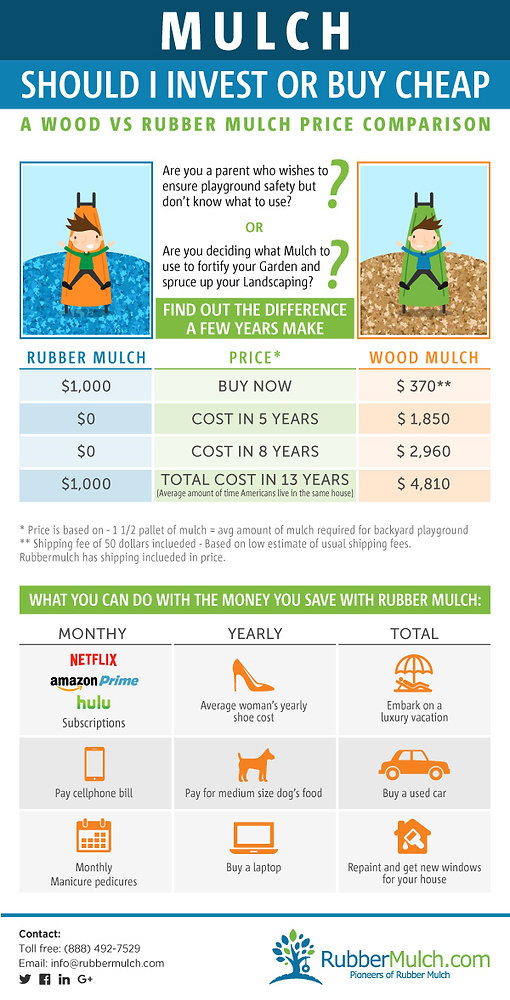
Most people budget for today. They look at the receipt at the register and say, "Okay, that’s $100. I can do that." But smart budgeting looks at the five-year horizon. Let’s play this out. Scenario A: Mulch. You spend $100 initially. It looks great. By year two, it’s gray and thin. You spend $50 to top it off. Year three, another $50. Year four, $50. Year five, $50. Total spent over five years: $250. Plus, your soil is richer, healthier, and holds water better. Your plants are happier. You might save on water bills and fertilizer. That’s a tangible value.
Scenario B: Gravel. You spend $200 initially because of the fabric, edging, and stone delivery. It looks crisp. Modern. Clean. Year two: You spend $0. Maybe $20 on a weed killer pen for the few dandelions that punch through. Year three: $0. Year four: You notice some fabric showing through where the gravel shifted. You buy a small bag of stone to patch it. $15. Year five: Still looks mostly the same. Total spent: $235. But your soil underneath is likely compacted and dry. You’re watering more. Your heat-loving plants might be scorching in mid-summer because the rock reflects heat. You might spend extra on plant replacements.
See the trade-off? Gravel saves money on material replacement but can cost more in plant health and water usage, especially as summers get hotter in 2026. Mulch costs more in recurring material but builds soil health, reducing other inputs. If you’re growing veggies or flowers, mulch is almost always the better financial bet because it boosts yield and plant longevity. If you’re doing a decorative succulent garden or a pathway, gravel wins. Context matters. Don’t just look at the bag price. Look at the ecosystem you’re creating.
Regional Factors and Climate Realities
Where you live changes everything. Literally. If you’re in the Pacific Northwest, mulch is king. The rain keeps it moist, it doesn’t blow away easily, and it helps manage the dampness by allowing airflow. Gravel in a wet climate can become a slime-covered nightmare if not installed with perfect drainage. You’d need expensive drainage rock underneath, driving up your budget significantly. In 2026, with increased rainfall variability in many regions, drainage is a bigger budget line item than it used to be.
On the flip side, if you’re in the Southwest or parts of California, mulch can be a fire hazard. Many homeowners associations and local laws now restrict organic mulch near structures. Rock is safer. But rock gets hot. Extremely hot. In 2026, heatwaves are more intense. Dark gravel can reach temperatures that cook plant roots. You might need to buy lighter-colored stone, which often costs 10-20% more than standard gray gravel. Or you might need to install shade structures. These are climate-specific budget adjustments that generic guides miss.
Also, consider local availability. If you live near a forest products mill, mulch is cheap. If you live near a quarry, gravel is cheap. Transport costs are the biggest variable in landscaping materials. Don’t buy gravel shipped from three states away if there’s a local pit. Don’t buy imported cocoa bean mulch if you have a local arborist giving away wood chips. Shop local. It’s better for your wallet and your carbon footprint. In 2026, sustainability isn’t just a buzzword; it’s a budget strategy. Local materials mean less fuel cost baked into the price.
So, how do you actually decide? Stop overthinking it. Grab a notebook. Write down your priorities. Be honest. Do you hate weeding? Go gravel (with high-quality fabric). Do you love growing tomatoes? Go mulch. Do you have a tight upfront budget? Go mulch (buy in bulk if possible). Do you have a tight long-term budget? Go gravel. Here’s a quick checklist to run through before you swipe your card.
- Purpose: Is this bed for eating, looking, or walking? Edible/flower beds = Mulch. Decorative/paths = Gravel.
- Time: How many hours a year do you want to spend on maintenance? <2 hours = Gravel. >5 hours = Mulch.
- Climate: Hot and dry? Be careful with dark gravel. Wet and rainy? Ensure drainage for gravel.
- Budget: Upfront cash flow low? Mulch. Can invest now to save later? Gravel.
- Aesthetics: Do you want a rustic, natural look? Mulch. Modern, clean lines? Gravel.
Once you’ve checked these boxes, get three quotes. Yes, three. Even for mulch. Call the local tree service. Call the big box store. Call the landscape supply yard. Ask about bulk discounts. In 2026, many suppliers offer "curbside drop" deals where they leave a pile in your driveway for a flat fee. This is often cheaper than bagged goods if you have a wheelbarrow and a strong back. Compare the total cost, including any rental fees for tools or trailers.
Finally, start small. You don’t have to do the whole yard at once. Pick one bed. Test it. See how the material holds up. See how you feel about the maintenance. It’s easier to adjust your budget and strategy on a 4×4 foot test patch than on a half-acre overhaul. Gardening is a marathon, not a sprint. Your budget should reflect that patience. Don’t rush. Measure twice. Buy once. Or buy a little, learn, and then buy more. Either way, you’re building something that lasts.
At the end of the day, your garden bed is an investment in your peace of mind. Whether you choose the crunchy stability of gravel or the soft, earthy embrace of mulch, the right choice is the one that fits your life, your wallet, and your land. Don’t let the perfect be the enemy of the good. Get your hands dirty. Make a plan. Stick to it. And remember, even if you mess up the math, plants are forgiving. They’ll grow anyway. Just maybe not as neatly as you hoped. But that’s part of the charm, isn’t it?