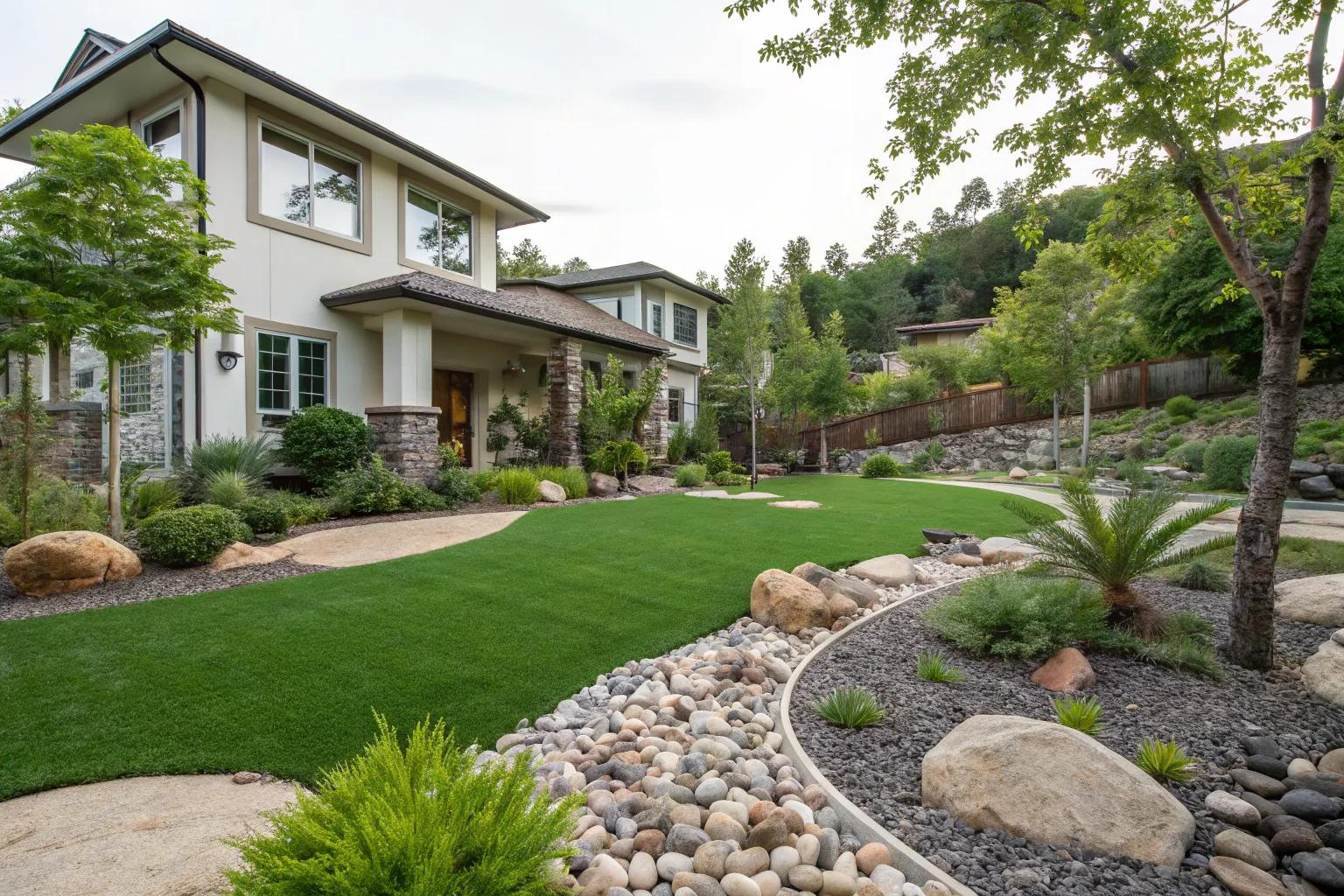

Ever looked at your postage-stamp-sized backyard and felt a pang of disappointment? You’re not alone. For years, the narrative has been that you need acres of land to have a "real" outdoor life. But here in 2026, that idea is officially dead. We’ve stopped trying to impress neighbors with vast, empty lawns and started focusing on what actually matters: comfort, utility, and vibe.
The shift is real. People are done with scattered furniture on exposed patios. Instead, we are seeing a massive move toward "outdoor rooms." These aren’t just patches of grass with a chair thrown on them. They are structured, intentional spaces that feel like an extension of your living room. Whether you have a sliver of concrete in the city or a modest patch of dirt in the suburbs, you can carve out a sanctuary. It’s about tightening the space, not opening it up. It’s about making every square inch work harder for you.
So, how do you pull this off without spending a fortune or hiring a crew? It starts with mindset. You have to stop seeing "small" as a limitation and start seeing it as an invitation to get creative. In this guide, we’ll walk through exactly how to turn that tiny, neglected corner into a multifunctional hub you’ll actually use every single day. Let’s dive in.
Defining the Space Without Closing It Off
The biggest mistake people make with small yards is leaving them undefined. An open, flat space feels smaller because your eye travels straight to the fence line. To create an outdoor room, you need walls, a floor, and a ceiling, even if they are metaphorical. In 2026, the trend is all about structure that tightens the space rather than letting it sprawl.
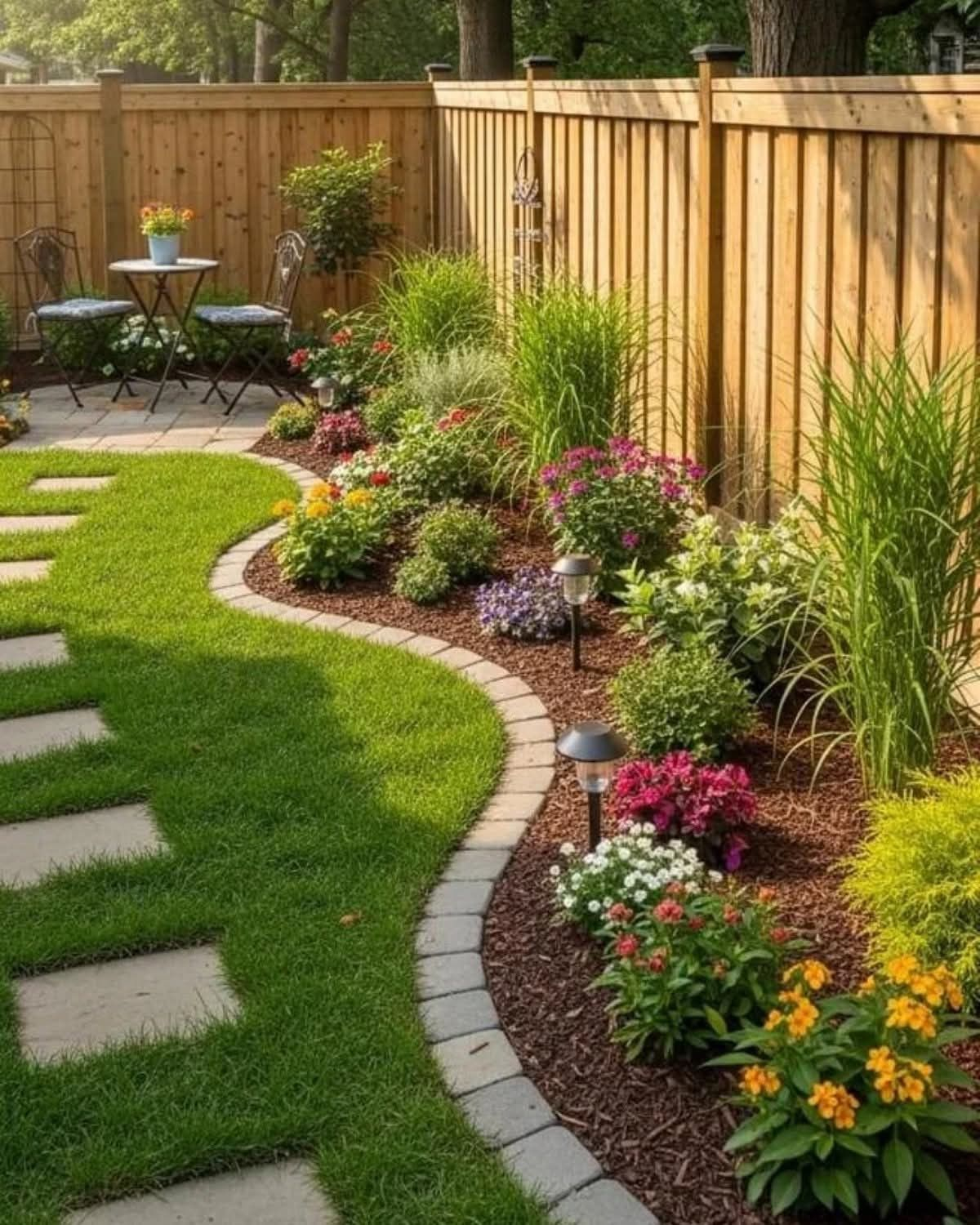
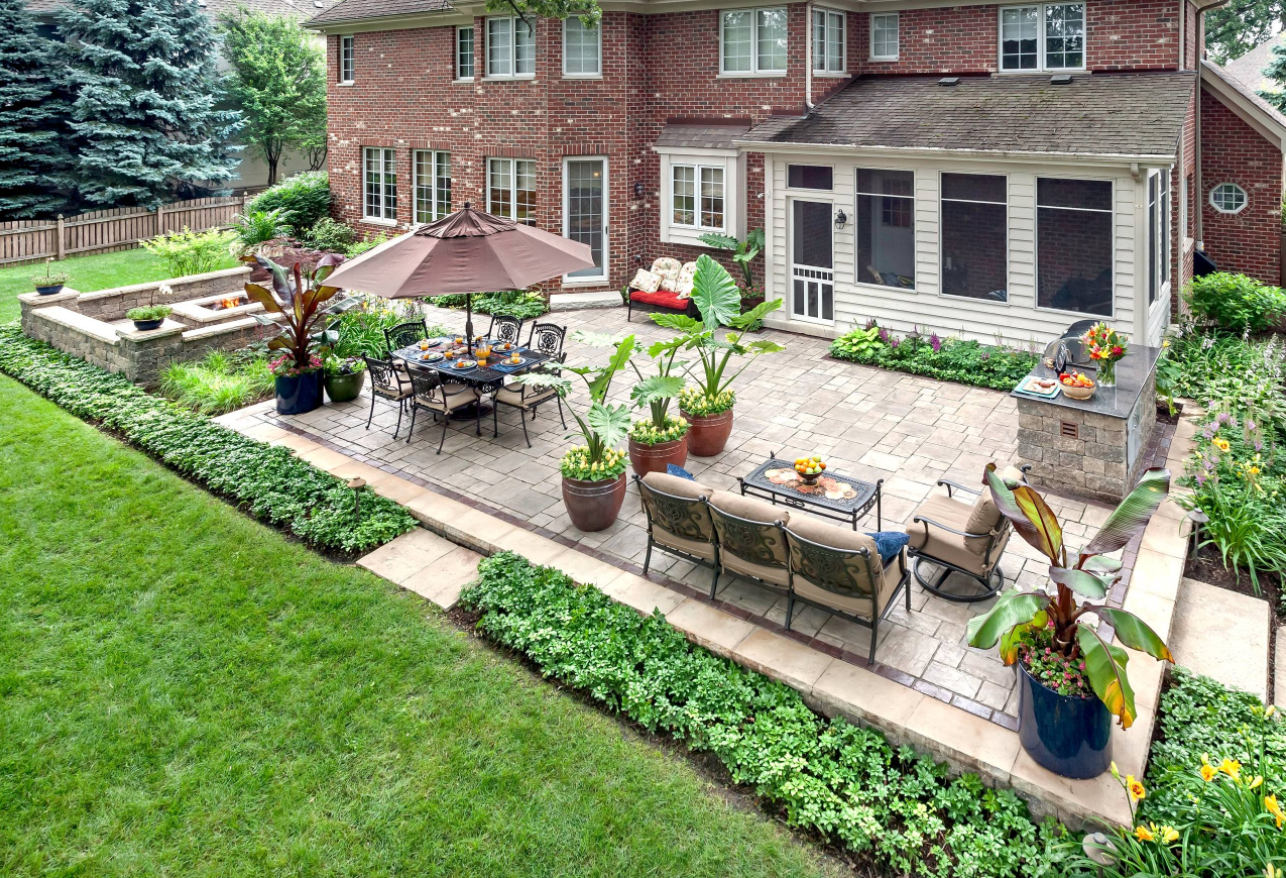
Start with the floor. A small deck extension or a distinct patio area instantly anchors the zone. You don’t need to pave the whole yard. Using materials like reclaimed wood, recycled pavers, or natural stone creates a durable foundation that looks expensive but minimizes waste. The key is contrast. If your yard is mostly grass, a wooden deck pops. If it’s all concrete, a section of soft artificial grass or gravel breaks up the monotony. Rounded patio edges are also having a moment, softening the harsh lines of small spaces and making the flow feel more organic.
Then, look up. An awning, a pergola, or even a simple shade sail adds a "ceiling." This overhead element does two things: it provides shelter from the sun or rain, and it psychologically lowers the scale of the space, making it feel cozier and more contained. It transforms an exposed patio into a true room. When you add simple wooden chairs under this cover, the space instantly feels lived-in and charming. It doesn’t try too hard. It just works.
Vertical Layers and Visual Tricks
When you can’t build out, you have to build up. Vertical space is the most underutilized real estate in tiny backyards. In 2026, vertical planter walls are everywhere, and for good reason. They add lush greenery without eating up floor space. But it’s not just about plants. Think about storage, lighting, and art.
Narrow garden beds along the fences keep the center of the yard open for movement. Floating decks can also be tiered. If you have even a slight slope, don’t fight it. Use it. Split patios and built-in seating levels guide movement through the yard and create distinct zones. A lower level for dining, a higher step for lounging. This layering adds depth and makes the yard feel larger than it is because your eye has to travel across different planes.
And let’s talk about mirrors. Yes, mirrors outside. It sounds weird, but using weather-resistant mirrors on fences can visually double your space. Reflecting a cluster of plants or a string of lights creates an illusion of depth. Just be careful with placement so you don’t blind your neighbors! The goal is to trick the eye into seeing more than what’s there. Combined with foldable furniture that can be tucked away, these vertical tricks ensure your tiny footprint never feels cramped.
Zoning for Multiple Lives
A multifunctional room needs to handle multiple activities. In the past, a small yard might have had a grill and nothing else. Today, we are designing for complexity. You might need a spot for morning coffee, a place for kids to play, and a corner for evening drinks. The secret is dedicated activity zones that don’t clash.
Soft artificial grass is a game-changer here. It’s low-maintenance, always green, and safe for bare feet. You can designate a mini play corner with a few soft mats or low-profile toys, while keeping the rest of the yard clear for adult relaxation. Because the turf is uniform, it ties the different zones together visually. Rounded edges help here too, preventing sharp corners that make small spaces feel jagged and dangerous.
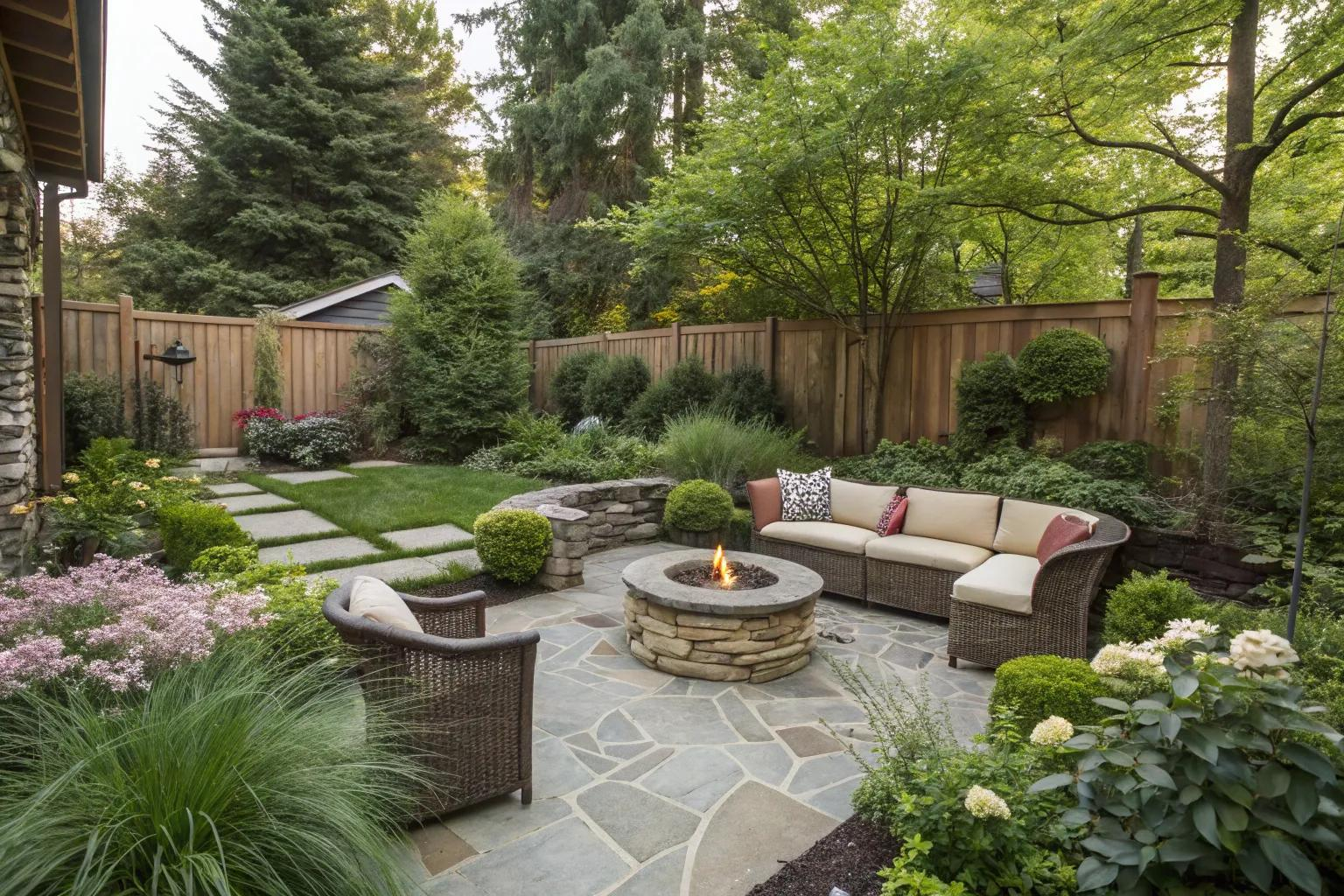
Corner seating arrangements are essential. Instead of placing chairs in the middle of the yard, push them into the corners. This wraps the seating inward, creating a sense of enclosure and intimacy. It leaves the central path clear for walking or playing. By filling the edges with planters and keeping the middle open, you create a contained outdoor room rather than an exposed obstacle course. Every corner becomes a place to stay, not just a place to pass through.
Furniture That Works Double Duty
In a tiny space, every piece of furniture must earn its keep. There is no room for single-purpose items that sit unused 90% of the time. The 2026 approach to outdoor furniture is all about flexibility and scale. Think foldable, stackable, and built-in.
Foldable chairs and tables are obvious choices, but don’t underestimate the power of built-in benches. A bench with storage underneath hides cushions, gardening tools, or toys. It cleans up the visual clutter instantly. Narrow profiles are key. A slim bistro table takes up half the space of a standard dining set but still holds two plates and two wines.
Comfort shouldn’t be sacrificed for size. One comfortable chair, a small side table, and a few layered pillows can be more inviting than a bulky sofa set. It’s about quality over quantity. Choose pieces that invite you to sit and stay. Lightweight materials like aluminum or treated wood are easy to move around if you need to reconfigure the space for a party or a quiet night in. The goal is to maximize square footage without sacrificing coziness.
Lighting and Atmosphere Close to the Ground
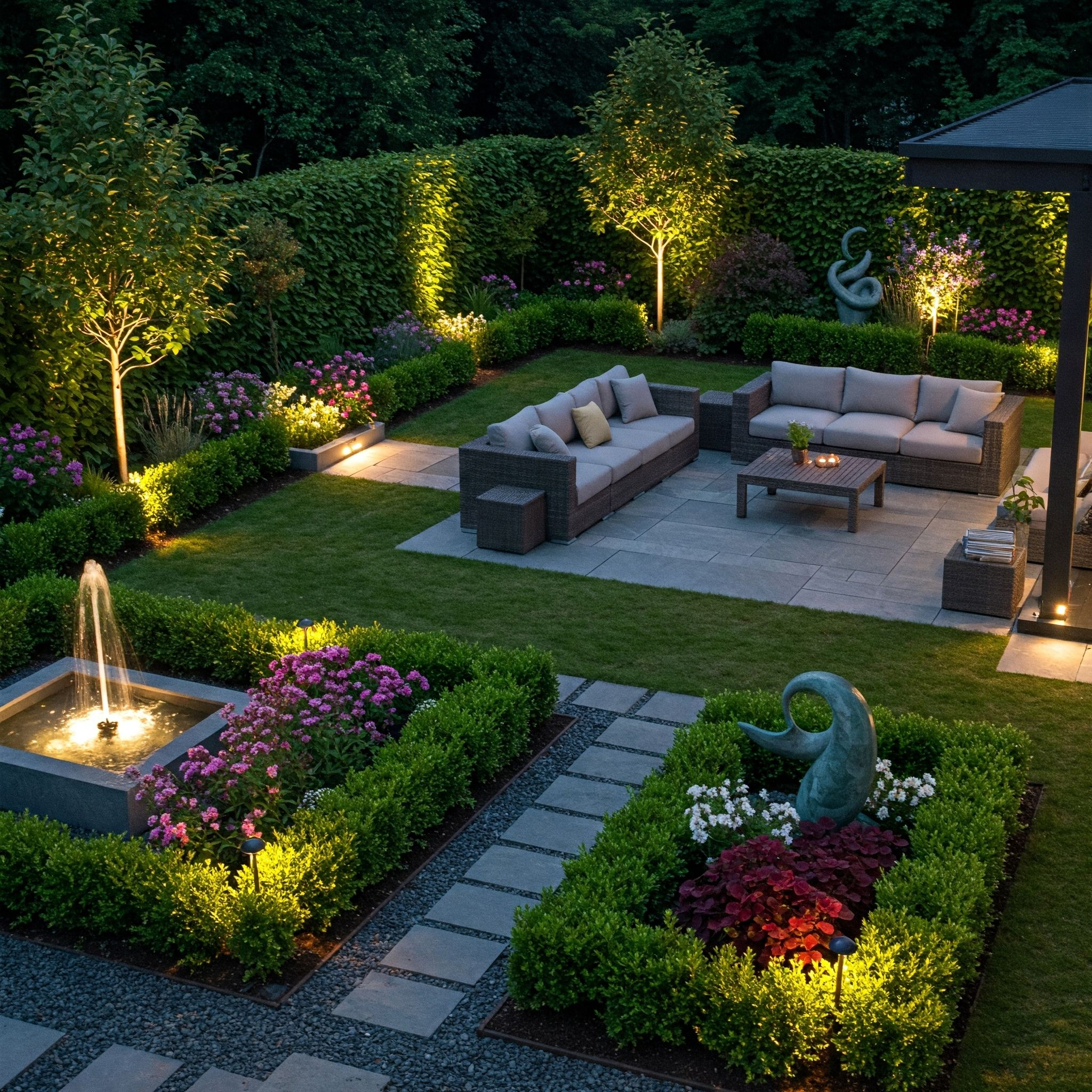
Lighting can make or break an outdoor room. In small spaces, huge overhead floodlights are a no-go. They wash out the details and make the space feel sterile. Instead, 2026 design principles suggest keeping lighting close to the ground. This creates a warm, intimate glow that highlights textures and plants without overwhelming the eye.
String lights are a classic, but think beyond the basic zig-zag. Drape them low over seating areas or weave them through vertical planters. Solar-powered path lights along the edges of your deck or patio define the boundaries of the room at night. Lanterns on the ground or small table lamps add pockets of light that draw you into specific zones.
The atmosphere should feel contained. When the light is low and focused, the walls of your "room" feel closer and more protective. It turns a dark, scary backyard into a private oasis. Layer your lighting. Have some ambient light for general visibility, task lighting for cooking or reading, and accent lighting for plants. This layering adds sophistication and makes the space feel designed, not just assembled.
Sustainable Choices on a Budget
Creating a beautiful outdoor space doesn’t require a huge renovation budget. In fact, some of the best designs in 2026 are born from constraint. Sustainability is a major driver here. Using affordable, eco-friendly materials isn’t just good for the planet; it’s good for your wallet.
Reclaimed wood and recycled pavers are trending because they offer character and durability at a lower cost than brand-new luxury materials. DIY projects are huge. Building your own vertical planter from pallets or painting terracotta pots adds personality. Low-maintenance plants are also key. Choose native species that thrive in your climate with minimal water and care. They look modern, elegant, and save you time.
Gravel patios are another budget-friendly option. They drain well, look chic, and are easy to install yourself. Mix materials to add interest. A gravel path leading to a small wooden deck creates texture and visual interest without breaking the bank. The focus is on maximizing space and adding personality through creative, sustainable choices. It’s not about how much you spend, but how thoughtfully you use what you have.
At the end of the day, your outdoor room should reflect you. It shouldn’t look like a showroom catalog. It should look lived-in. Add personal touches like outdoor rugs, colorful cushions, or art that speaks to you. Don’t be afraid to mix styles. A modern chair with a vintage side table creates a playful, eclectic vibe that feels authentic.
Keep it simple. Clutter is the enemy of small spaces. Regularly edit what’s in your yard. If you haven’t used it in a month, store it or donate it. The beauty of a tiny backyard is its manageability. It doesn’t take hours to clean or maintain. This ease of use is what makes it a true extension of your home. You’ll find yourself stepping out more often because it’s effortless.
So, take a look at your tiny backyard again. Don’t see the limitations. See the potential. With the right structure, smart zoning, and a touch of creativity, you can turn those few square feet into a multifunctional retreat. It’s not about having more space. It’s about making the space you have work harder, feel bigger, and bring you more joy. Start small. Add a chair. Hang a light. Plant a flower. Build your room, one step at a time.