
Ever looked out at your yard and felt a pang of guilt? Maybe the neighbors have that perfect, emerald carpet, and yours looks like it’s been through a rough patch. Literally. It happens. We’ve all been there, staring at brown spots or weird weeds, wondering if we need a degree in botany just to keep the grass alive. But here’s the secret nobody tells you: lawn care isn’t about perfection. It’s about consistency. And honestly, it doesn’t have to eat up your entire weekend.
In 2026, the approach to lawn care has shifted. People are tired of the chemical-heavy, high-maintenance routines of the past. We want something simpler. Something that works with nature, not against it. You don’t need a fleet of expensive machines or a closet full of mysterious powders. You just need a plan. A simple, stress-free plan that tells you what to do, when to do it, and—most importantly—what you can ignore. Let’s dive in and turn that patchy mess into a source of pride, without losing your mind.
Know Your Grass and Soil First
Before you buy a single bag of fertilizer, you need to know what you’re dealing with. It sounds obvious, but so many people skip this step and then wonder why their efforts fail. Grass isn’t one-size-fits-all. In most of the US, you’re dealing with either cool-season grasses (like fescue, Kentucky bluegrass, or ryegrass) or warm-season grasses (like Bermuda, Zoysia, or St. Augustine). Cool-season grasses love the spring and fall. They go dormant and turn brown in the heat of summer. Warm-season grasses are the opposite; they thrive in the summer heat and go to sleep when it gets cold. If you treat a warm-season lawn like a cool-season one, you’re basically fighting a losing battle.
Then there’s the soil. Think of soil as the foundation of a house. If the foundation is cracked, it doesn’t matter how nice the paint job is. Most folks assume their soil is fine, but it’s often compacted, too acidic, or lacking key nutrients. The best thing you can do in early 2026 is grab a simple soil test kit. You can find them at any garden center or even order one online. It’s cheap, easy, and takes the guesswork out of fertilizing. The results will tell you exactly what your lawn needs. Maybe it needs lime to balance the pH. Maybe it’s starving for nitrogen. Knowing this saves you money and prevents you from dumping unnecessary chemicals on your yard.
Don’t overlook the tools, either. You don’t need the fanciest mower on the lot. A reliable push mower is fine for small yards. Just make sure the blades are sharp. Dull blades tear the grass instead of cutting it, which leaves ragged edges that turn brown and invite disease. Sharpening your blade once a season is a tiny task that makes a huge difference. Also, get a good hose nozzle with adjustable settings. You’ll thank yourself later when you’re trying to water deeply without flooding the flower beds.
Spring Awakening and Cleanup
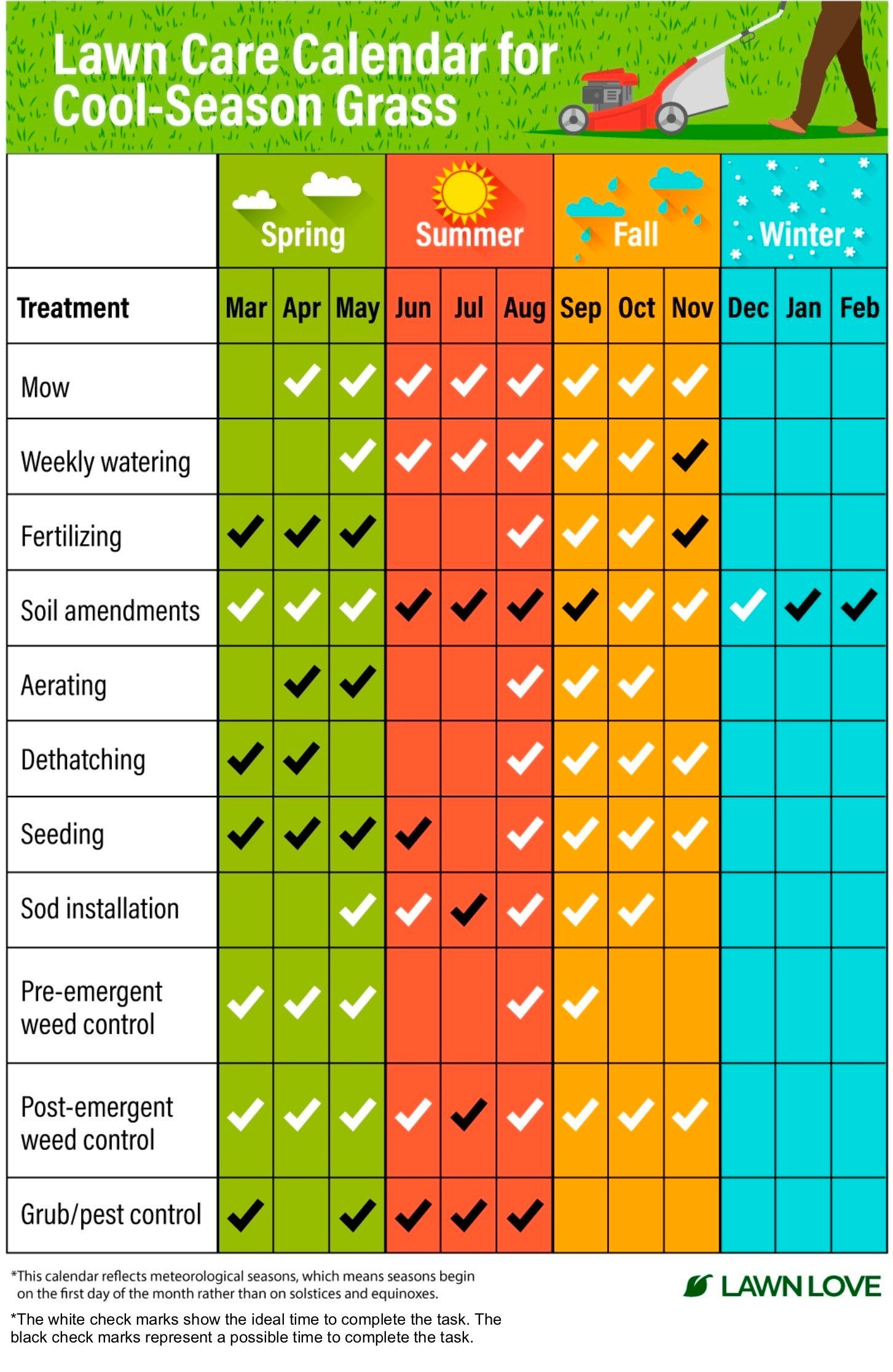
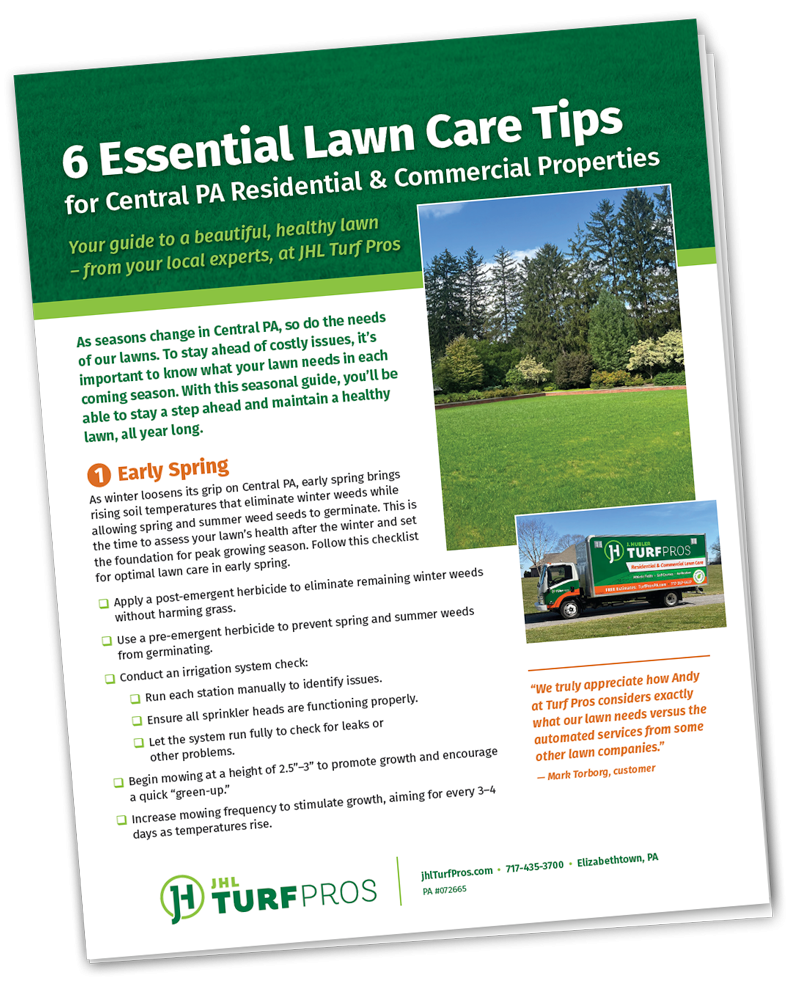
Spring is when everything wakes up, including the weeds. It’s tempting to rush out and start fertilizing the moment you see a hint of green, but hold your horses. Patience is key here. For cool-season grasses, early spring is mostly about cleanup. Rake away the dead leaves and debris that accumulated over winter. This lets sunlight and air reach the soil, which helps the grass breathe. If you have a lot of thatch—a thick layer of dead grass between the soil and the green blades—you might need to dethatch. But don’t go crazy. A little thatch is actually good for insulation. Only remove it if it’s more than half an inch thick.
This is also the time to think about pre-emergent herbicides. If crabgrass was a nightmare last year, now is the time to stop it before it starts. Pre-emergents create a barrier in the soil that prevents weed seeds from sprouting. Timing is everything. You want to apply it just before the soil temperature hits around 55 degrees Fahrenheit. For many regions, that’s when the forsythia bushes start blooming. If you miss this window, don’t panic. You can still handle weeds later, but prevention is always easier than cure. Just remember, if you’re planning to seed new grass, don’t use pre-emergent. It won’t distinguish between weed seeds and grass seeds.
As the weather warms up, you can start your first mowing. Keep the mower deck high. Cutting too short stresses the grass and exposes the soil to more weed seeds. Aim for about three to four inches. And please, leave the clippings. Those little bits of grass decompose quickly and return nutrients to the soil. It’s free fertilizer. If your lawn looks a bit yellow or sluggish after winter, a light application of slow-release nitrogen fertilizer can give it a gentle kickstart. Don’t overdo it. Too much food too soon leads to rapid, weak growth that’s prone to disease.
Summer Survival and Watering Wisdom
Summer is the toughest season for lawns, especially if you have cool-season grass. The goal here isn’t necessarily to keep it perfectly green; it’s to keep it alive. Heat stress is real. If you’re in a hot climate, your grass might go dormant and turn brown. That’s okay. It’s a survival mechanism. As long as the roots are healthy, it’ll bounce back in the fall. The biggest mistake people make in summer is watering incorrectly. Shallow, frequent watering encourages shallow roots. You want deep roots. Deep roots can reach moisture further down in the soil, making your lawn more drought-resistant.
So, how do you water right? Deeply and infrequently. Aim for about one to one-and-a-half inches of water per week, including rainfall. You can buy a cheap rain gauge or just set out a few empty tuna cans to measure how much water your sprinkler puts out. Water early in the morning, ideally between 6 AM and 10 AM. This gives the grass time to dry off before nightfall, which reduces the risk of fungal diseases. Watering in the evening leaves the blades wet all night, which is basically an invitation for mold and mildew. And avoid watering in the middle of the day; too much evaporates before it even hits the roots.
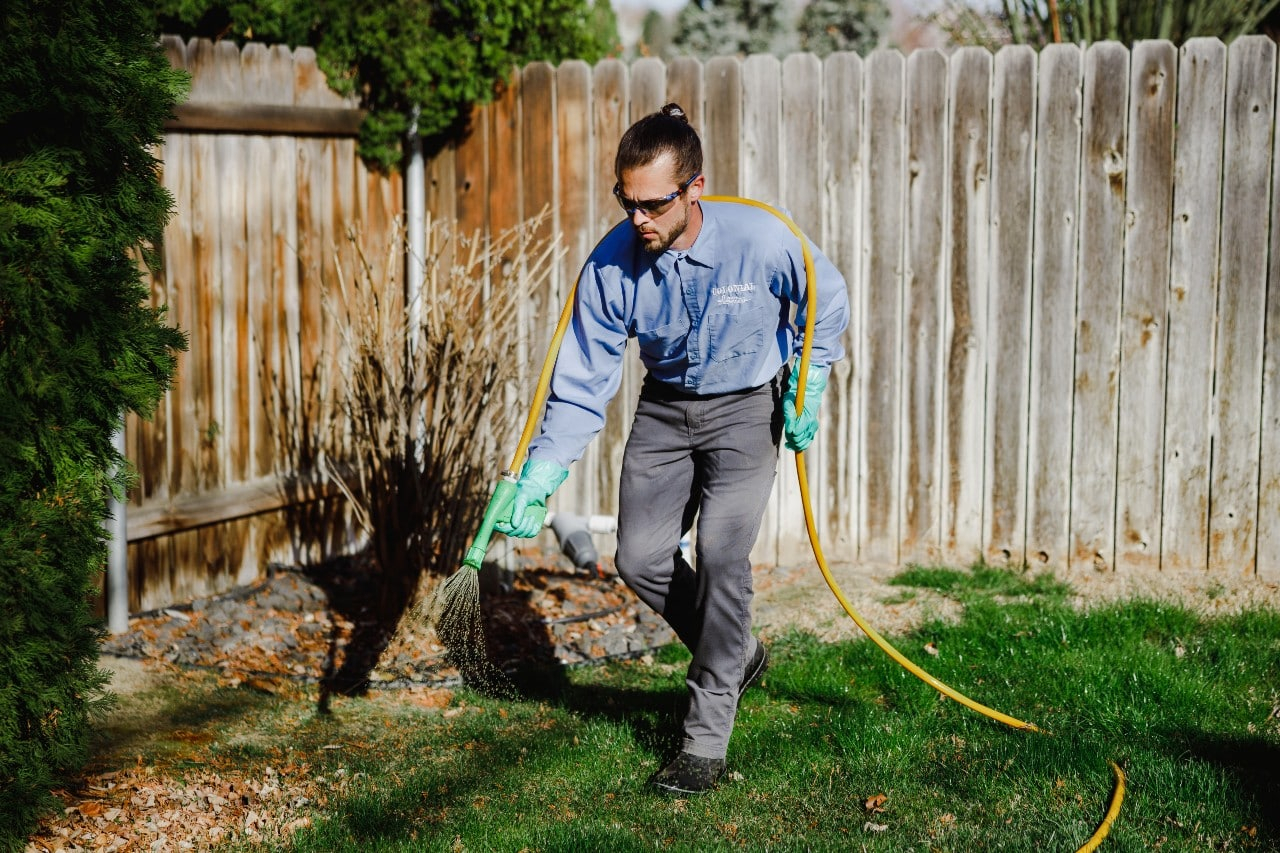
Mowing in summer requires a different touch. Raise your mower deck higher than you did in spring. Taller grass shades the soil, keeping it cooler and reducing evaporation. It also protects the crown of the grass plant. Never cut more than one-third of the grass blade at a time. If it’s gotten too long, mow it twice over a couple of days rather than scalping it. Scalping shocks the plant and can kill it. Also, keep an eye out for pests. Grubs and chinch bugs love stressed lawns. If you notice patches of grass that pull up easily like carpet, you might have a grub problem. Treat it early, but try to use targeted treatments rather than blanket insecticides that harm beneficial insects.
Fall Revival and Preparation
Fall is arguably the most important season for lawn care, especially for cool-season grasses. It’s the prime growing time. The air is cool, the soil is still warm, and there’s usually plenty of rain. This is when your lawn builds up energy reserves for the winter. Start by aerating your lawn if the soil is compacted. Aeration involves poking small holes in the ground to let air, water, and nutrients reach the roots. You can rent a machine or hire someone to do it. It’s a game-changer for hard clay soils. After aerating, consider overseeding. Spreading new grass seed over your existing lawn fills in thin spots and introduces newer, more resilient grass varieties.
Fertilizing in fall is crucial. Look for a fertilizer with higher potassium content, which helps strengthen roots and improve cold tolerance. Apply it in early to mid-fall, depending on your zone. This feeds the grass as it grows and helps it survive the winter. Don’t skip this step. A well-fed lawn in fall means a greener, healthier lawn in spring. Also, keep mowing as long as the grass is growing. You might need to adjust the height slightly lower for the final cut of the season, but don’t go too short. You want enough leaf surface to capture sunlight until the ground freezes.
Leaf management is another big fall task. Don’t let piles of leaves sit on your lawn for weeks. They block sunlight and trap moisture, which can kill the grass underneath and cause snow mold. You don’t have to rake them all by hand, though. Mulching them with your mower is a great option. Chop them into tiny pieces and let them fall between the grass blades. They decompose quickly and add organic matter to the soil. It’s recycling at its finest. If you have too many leaves to mulch, rake them up and use them in your garden beds or compost pile. Just keep the lawn clear.
Winter Rest and Protection
Winter is the downtime for your lawn, but that doesn’t mean you can completely ignore it. In colder regions, the grass goes dormant. It’s asleep. The main goal is to protect it from damage while it’s vulnerable. Avoid walking on frozen grass. The blades are brittle and will snap underfoot, leaving dead tracks that won’t heal until spring. If you have heavy snow, try to avoid piling it all in one spot on the lawn. The weight can suffocate the grass and lead to mold issues when it melts. Spread it out or put it on paved areas if possible.
This is also the time to service your equipment. Clean your mower thoroughly. Scrape off any caked-on grass and mud. Change the oil and spark plug if needed. Sharpen the blades again so they’re ready for spring. Store your fuel properly or drain the tank to prevent gumming up the carburetor. Taking care of your tools now saves you a headache later. While you’re at it, take a look at your irrigation system if you have one. Make sure it’s drained and blown out to prevent pipes from bursting in the freeze.
Use the winter months to plan. Look back at what worked and what didn’t in 2025. Did certain areas stay wet? Did weeds take over a specific corner? Jot down notes. Order seeds or supplies early if you know you’ll need them. Winter is also a great time to educate yourself. Read up on grass types or watch some tutorials. The more you understand your lawn, the less stressful it becomes. And remember, it’s okay to let it rest. Nature has cycles for a reason. Trying to force green grass in January is a fight you won’t win. Embrace the dormancy. It’s part of the process.
Even with the best plan, things go wrong. That’s life. One common issue is bare patches. Maybe a dog dug a hole, or a disease killed a spot. Don’t panic. Small patches can be fixed easily. Scratch up the soil in the bare area, add a bit of compost, and sprinkle some grass seed. Cover it lightly with straw or peat moss to keep the birds away and retain moisture. Keep it damp, and you should see new growth in a few weeks. For larger areas, you might need to sod, but seeding is cheaper and almost as effective if done right.
Weeds are another constant battle. Instead of reaching for the strongest chemical spray, try to understand why they’re there. Weeds are opportunists. They grow where grass is weak. If you have clover, it might mean your soil lacks nitrogen. If you have moss, your soil might be too acidic or shady. Fixing the underlying issue is better than just killing the weed. Hand-pulling is effective for small infestations. For larger problems, use targeted herbicides sparingly and only when necessary. Always read the label. More is not better. It’s often worse.
Finally, don’t compare your lawn to the ones on social media or the golf course. Those places have unlimited budgets and full-time staff. Your lawn is a living ecosystem in your backyard. It’s supposed to have some character. A few dandelions aren’t the end of the world. In fact, bees love them. Aim for healthy, not perfect. If your grass is thick, green for most of the season, and handles foot traffic well, you’re doing great. Celebrate the small wins. Notice when the color comes back in spring. Enjoy the smell of fresh-cut grass in summer. That connection to your yard is what it’s all about.
Keeping your lawn healthy doesn’t have to be a chore that drains your energy. By breaking it down into seasonal steps, you make it manageable. You work with the rhythm of the year instead of fighting it. Start with knowing your grass and soil. Clean up in spring, survive the summer heat, revitalize in fall, and rest in winter. Handle issues as they come, but don’t obsess over every brown blade.
Remember, you’re learning as you go. Every year, you’ll get a bit better at reading your lawn’s needs. You’ll notice patterns. You’ll develop a routine that fits your life. And before you know it, you’ll be the one giving advice to your neighbors. So take a deep breath. Grab your mower. And enjoy the process. Your lawn will thank you, and so will your stress levels.