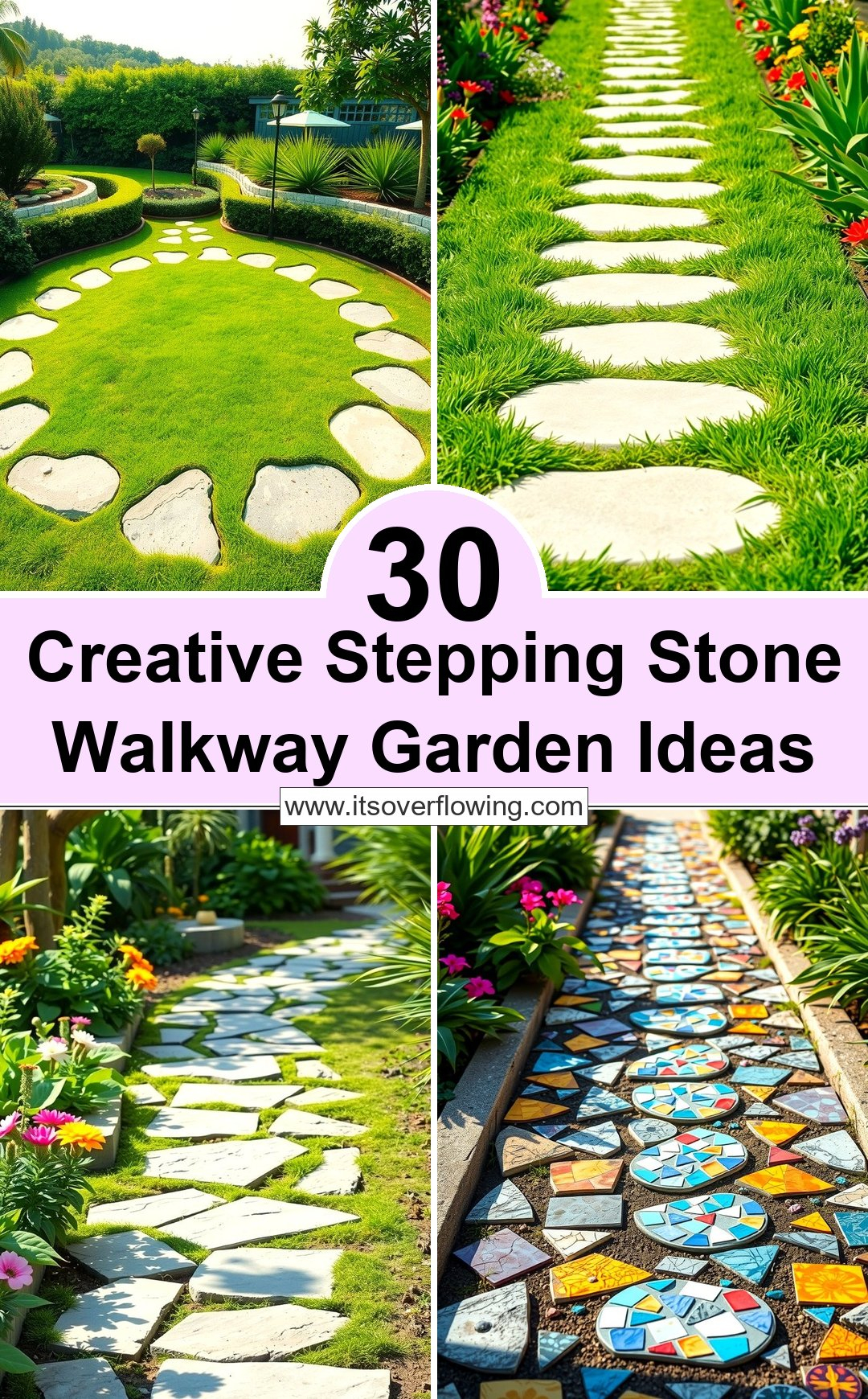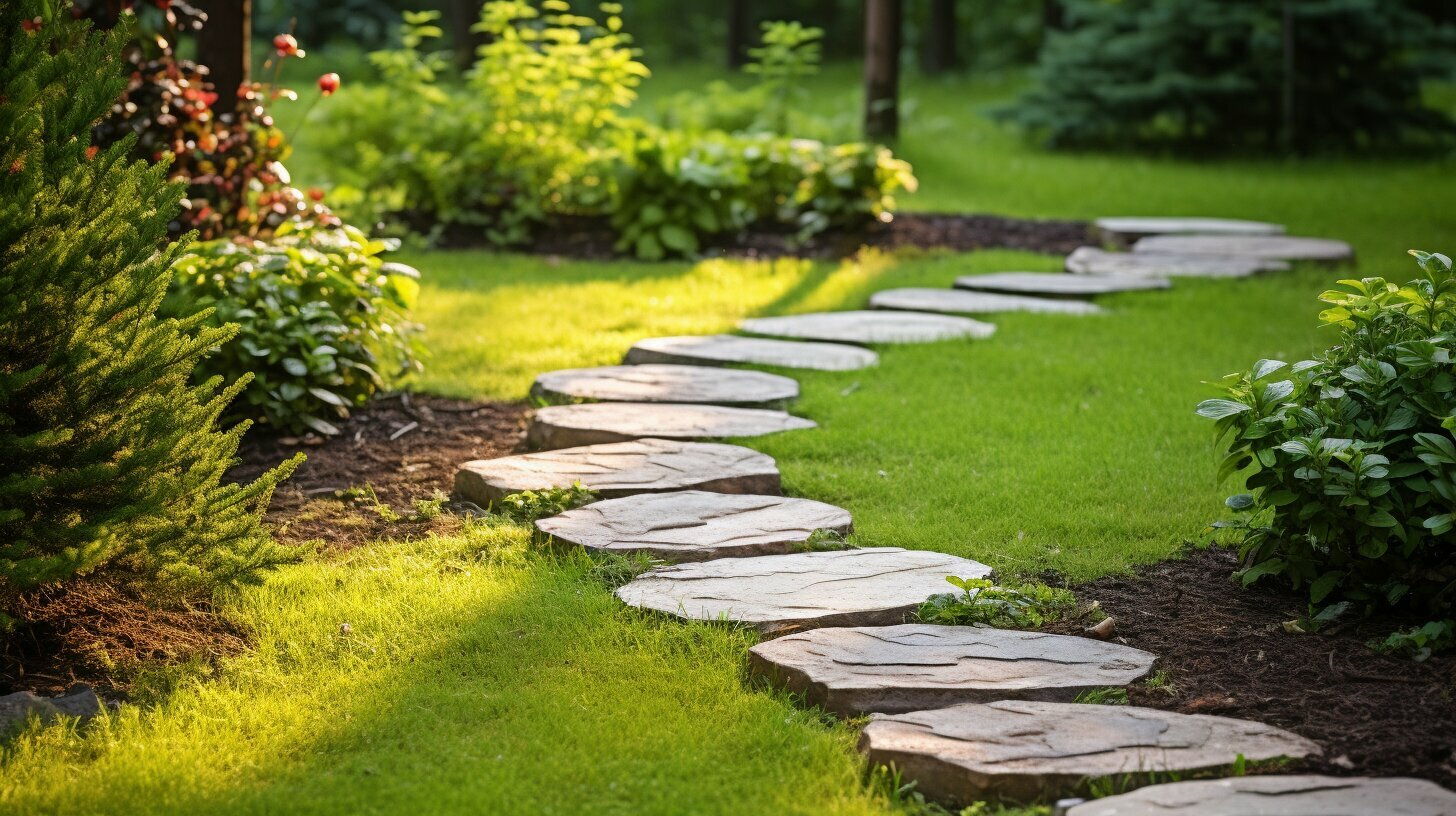

Have you ever walked down a garden path and felt… off? Like your steps were too short, or you had to twist awkwardly to avoid tripping? It’s a subtle thing, but it matters. A good path doesn’t just get you from point A to point B. It invites you in. It whispers, "Come look at this lavender," or "Slow down and breathe." That is the magic of well-placed stepping stones. They are not merely functional slabs of rock; they are the punctuation marks in the story of your outdoor space.
In 2026, we are seeing a huge shift away from rigid, perfect concrete walkways. People want gardens that feel alive. They want textures that change with the seasons and paths that meander rather than march. But here is the tricky part: making a path look effortless actually takes quite a bit of thought. You can’t just toss stones on the grass and hope for the best. Well, you can, but the result usually looks like a mistake rather than a design choice. The secret lies in understanding rhythm, human stride, and how the eye travels across a landscape.
Let’s be honest, most of us have stared at a bare patch of dirt or a muddy lawn track and wondered where to start. Do you buy pre-cut circles? Do you hunt for irregular flagstones at a quarry? And once you have them, how do you lay them out so they don’t look like a random scatter? This guide is here to clear up that confusion. We are going to dive deep into the mechanics of flow. Not the mystical kind, but the practical, physical kind that makes walking through your yard a genuine pleasure. By the end, you will see your garden not just as a collection of plants, but as a space to move through with intention and ease.
Understanding the Rhythm of Human Movement
Before you dig a single hole, you need to think about feet. Specifically, your feet. The average adult stride is roughly 24 to 30 inches, but that changes depending on whether you are strolling or rushing. A garden path is meant for strolling. Therefore, the spacing between your stones should encourage a relaxed pace. If the stones are too close together, you feel cramped, like you are taking baby steps. Too far apart, and you are lunging, which feels unstable and hurried. The sweet spot is usually around 24 to 26 inches from the center of one stone to the center of the next. This creates a natural cadence. Left, right, pause, look. Left, right, pause, look.
But rhythm isn’t just about distance; it is also about visual beat. Think of music. A song with only one note is boring. A song with no pattern is noise. Your stepping stones should create a visual melody. This is where varying the size and shape of the stones comes into play. If you use identical square pavers in a straight line, it feels institutional. It feels like a sidewalk. But if you mix larger anchor stones with smaller filler stones, or if you offset them slightly, you create syncopation. It catches the eye. It makes the brain engage with the path rather than ignoring it. In recent landscaping trends of 2026, designers are emphasizing this "organic rhythm" over geometric perfection.
Consider the destination, too. Where does the path lead? If it leads to a bench or a fire pit, the stones might slow down as they approach, becoming larger or more closely spaced to signal arrival. If the path winds through a dense flower bed, the stones might be smaller and more frequent to allow for careful navigation among the blooms. The movement of the body should match the intent of the space. A path to the compost bin can be direct and utilitarian. A path to your morning coffee nook should be meandering and gentle. Aligning the physical layout with the emotional purpose of the journey is key to making it feel right.
Choosing Materials That Speak to Your Space
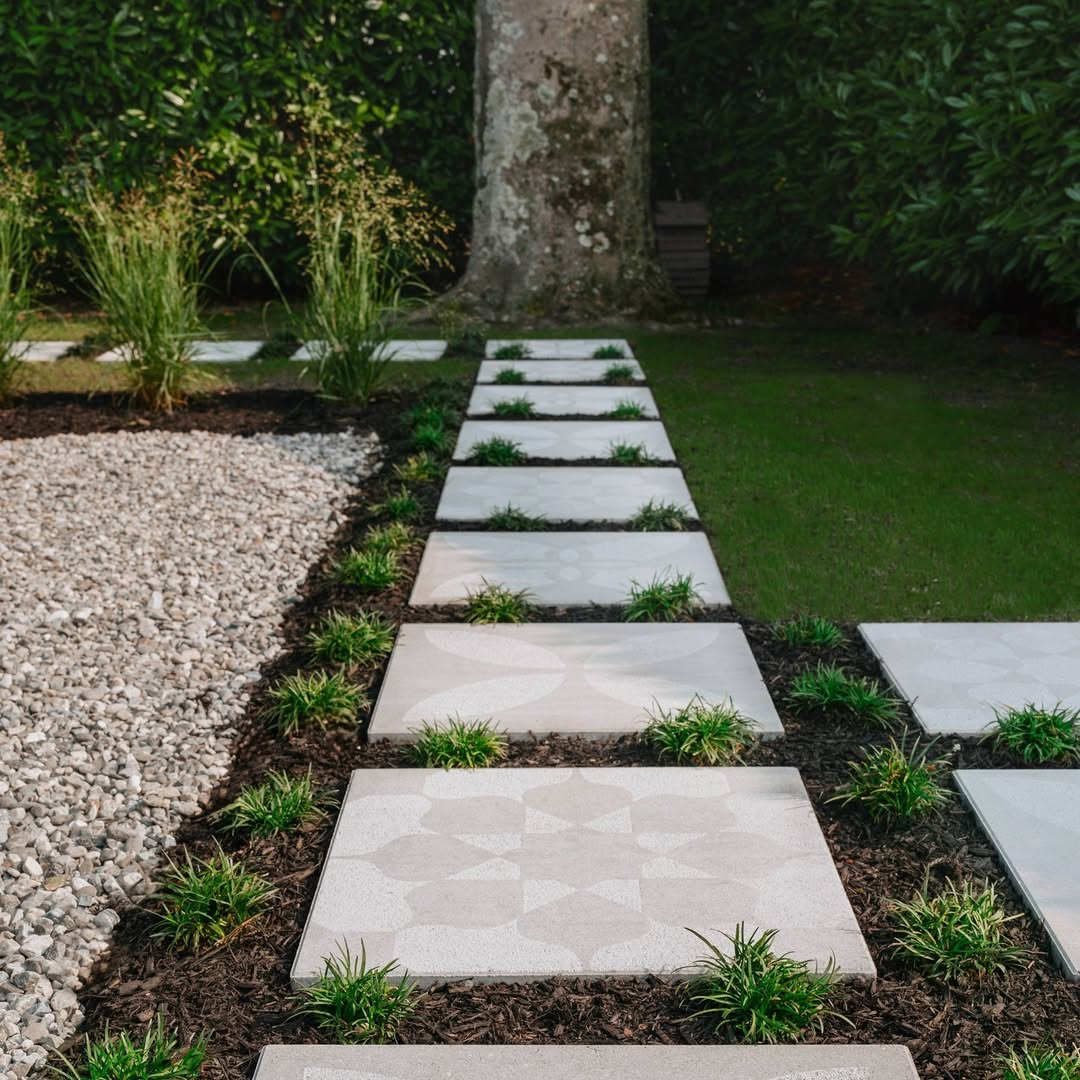
The material you choose sets the tone for the entire garden. It is the first thing people notice, even before they step on it. Natural stone, like flagstone, slate, or bluestone, offers timeless appeal. Each piece is unique, with variations in color and texture that mimic the surrounding earth. These materials age beautifully, developing a patina of moss and lichen that integrates them into the landscape. However, they can be expensive and heavy to work with. For many DIYers in 2026, reclaimed brick or concrete pavers designed to look like weathered stone are popular alternatives. They offer consistency in thickness, which makes installation easier, while still providing character.
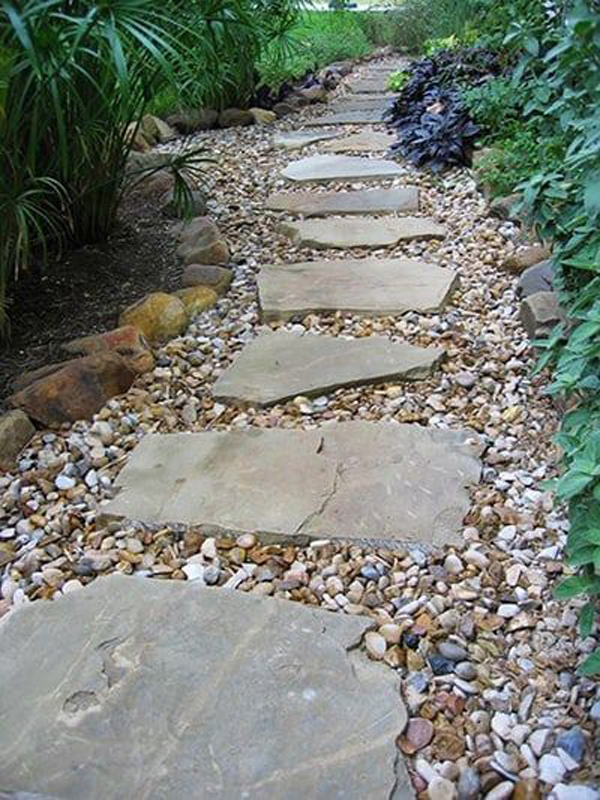
Then there is the question of texture. Smooth stones look sleek and modern, but they can be slippery when wet. This is a crucial safety consideration, especially if your garden gets morning dew or frequent rain. Textured surfaces, such as tumbled stone or rough-hewn granite, provide better traction. They also tend to hide dirt and footprints better than smooth surfaces. If you live in a rainy climate, prioritize grip over gloss. There is nothing less relaxing than worrying about slipping while trying to enjoy your hydrangeas. Some homeowners are now mixing materials, using large stone slabs for the main steps and filling the gaps with gravel or creeping thyme. This adds visual interest and helps with drainage.
Don’t forget about the environmental impact. Sourcing local stone reduces transportation emissions and ensures the color palette matches your regional geology. A sandstone path in Arizona looks native and right; the same stone in a Vermont garden might look out of place. In 2026, sustainability is a major driver in garden design. Using permeable materials allows water to soak into the ground rather than running off into storm drains. This helps recharge groundwater and reduces erosion. When you choose materials that work with nature rather than against it, your garden feels more cohesive. It feels like it belongs there. The right material doesn’t just support your weight; it supports the ecosystem around it.
Layout Patterns That Guide the Eye
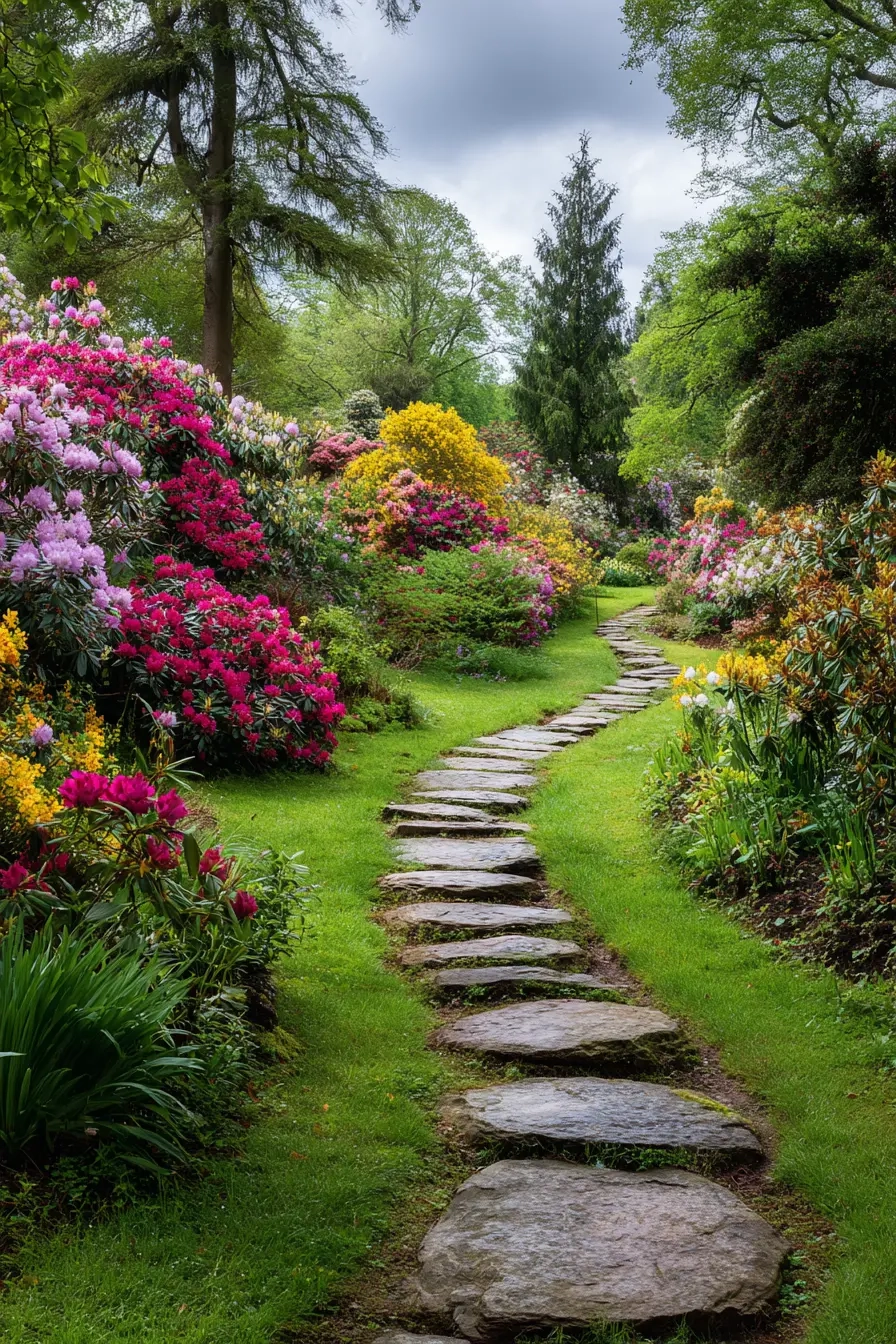
How you arrange the stones determines how people move through your space. The most common mistake is creating a straight line from the door to the gate. While efficient, it is visually boring and rushes the walker. Instead, try a curved or S-shaped path. Curves slow people down. They invite exploration because you cannot see what is around the bend. This sense of mystery is powerful in garden design. It makes a small yard feel larger and more complex. When laying out a curved path, use a garden hose to mark the shape before placing any stones. Step back and look at it from different angles. Does it flow? Does it avoid cutting through the middle of a prized shrub?
Another effective pattern is the staggered or offset layout. Instead of placing stones directly in front of each other, shift them slightly to the left or right. This forces the walker to engage their core and pay attention to their footing, which ironically makes the experience more mindful. It also breaks up the visual monotony. For a more formal look, you might consider a symmetrical arrangement, perhaps leading to a focal point like a statue or a fountain. Here, precision is key. The stones should be evenly spaced and aligned. This creates a sense of order and calm, which can be very soothing in a chaotic world.
For those who want a whimsical touch, consider a spiral or scattered pattern. This works well in informal cottage gardens or wildflower meadows. The stones appear almost randomly placed, yet there is an underlying logic to their position. They might cluster near a seating area and spread out as they move away. This mimics the way stones might naturally fall in a riverbed. It feels organic and unforced. The key to pulling this off is balance. If one side of the path feels too heavy with large stones, counterbalance it with smaller ones on the other side. The eye seeks equilibrium. By guiding the eye with your layout, you control the narrative of the garden tour. You decide what they see first, what they linger on, and where they rest.
Preparing the Ground for Longevity
A beautiful path is useless if it sinks, tilts, or becomes a mud pit after the first rain. Proper preparation is the unglamorous but essential foundation of a lasting installation. Start by marking your path with spray paint or stakes and string. Then, remove the sod or topsoil to a depth of about 4 to 6 inches. This might seem like a lot of work, but it prevents the stones from shifting later. If you are placing stones directly on grass without excavation, they will eventually sink unevenly, creating trip hazards. Nobody wants a twisted ankle on their way to pick tomatoes.
Once the area is excavated, you need a stable base. Crushed gravel or decomposed granite is ideal because it compacts well and drains efficiently. Spread a layer of about 2 to 3 inches and tamp it down firmly. Use a hand tamper or a plate compactor for larger areas. This base acts as a shock absorber and keeps the stones level. On top of the gravel, add a layer of coarse sand, about an inch thick. This sand bed allows you to fine-tune the level of each stone. It is much easier to adjust a stone by adding or removing sand than it is to dig out hardened soil. Check each stone with a level as you go. A slight slope away from your house is recommended to direct water runoff.
Edge restraint is another critical component often overlooked. Without edges, the gravel and sand will wash away, and the stones will migrate outward. You can use plastic edging, metal strips, or even buried bricks to contain the path. Make sure the edging is secured with stakes and sits just below the surface of the stones so it is invisible. In 2026, many gardeners are using flexible, recycled plastic edging that is easy to install and environmentally friendly. After the stones are set, fill the joints with polymeric sand or fine gravel. Polymeric sand hardens when wet, locking the stones in place and preventing weeds from growing between them. This low-maintenance approach saves you hours of weeding in the long run.
Integrating Plants for Softness and Flow
Stepping stones should not exist in a vacuum. They interact with the plants around them, and this relationship defines the garden’s character. Hard edges can feel harsh, so softening them with planting is essential. Creeping groundcovers like thyme, chamomile, or sedum are classic choices. They spill over the edges of the stones, blurring the line between hardscape and softscape. This creates a lush, carpet-like effect that is delightful to walk on barefoot. Plus, herbs like thyme release fragrance when stepped on, adding a sensory dimension to your path. Imagine crushing a bit of lemon thyme underfoot as you walk to your evening reading spot.
For a more structured look, consider lining the path with low-growing perennials or ornamental grasses. Plants like dwarf mondo grass, liriope, or creeping jenny create a green border that frames the stones. This draws the eye along the path and emphasizes its direction. In shade gardens, ferns and hostas can arch over the path, creating a tunnel-like effect that feels intimate and secluded. The key is to choose plants that won’t obstruct the walking surface. You don’t want branches scratching your legs or roots lifting the stones. Keep the immediate vicinity of the stones clear enough for comfortable passage, but let the foliage encroach slightly to create a sense of abundance.
Color coordination also plays a role. If your stones are warm-toned, like sandstone or red brick, pair them with plants that have complementary colors, such as purples, blues, or silvers. Cool-toned stones, like bluestone or gray slate, look stunning with vibrant greens, whites, and yellows. In 2026, there is a trend towards "moon gardens" where white-flowering plants are used along paths to reflect light at night. This makes the path visible and magical after dark. Lighting can also be integrated into the planting scheme. Low-voltage LED lights tucked among the plants can illuminate the stones from below, creating dramatic shadows and ensuring safety without glare. The interplay of light, stone, and plant life transforms a simple walkway into an immersive experience.
Even the best-installed path needs some care to keep it looking its best. Over time, leaves, dirt, and debris will accumulate on the stones. Regular sweeping with a stiff broom is usually sufficient to keep them clean. Avoid using high-pressure washers, as they can blast out the joint sand and damage the surface of softer stones. If moss or algae builds up, especially in shady areas, a mixture of vinegar and water can help remove it naturally. Be careful with chemical cleaners, as they can harm nearby plants and disrupt the soil biology. A little bit of moss can be charming, adding to the aged, rustic look, but too much can make the stones slippery.
Check the level of your stones annually. Soil settles, and frost heave in colder climates can push stones up or down. If a stone becomes uneven, lift it, add or remove sand from the base, and reset it. This quick fix prevents trips and falls. Replenish the joint sand if it washes away. Polymeric sand lasts longer, but it may need topping up every few years. Keep the edges trimmed. Grass and weeds will try to invade the path from the sides. A sharp edger or a pair of shears can keep the boundaries crisp. This maintenance task only takes a few minutes but makes a huge difference in the overall neatness of the garden.
Finally, embrace the changes. Your garden is a living thing, and your path will age with it. Stones will darken, plants will spread, and the rhythm of your walks may change. Don’t be afraid to adjust. Maybe you want to add a new stone to create a resting spot. Maybe you want to widen the path to accommodate a wheelbarrow. Flexibility is part of the joy of gardening. In 2026, the focus is on resilient, adaptable landscapes that evolve with the homeowner’s needs. Your stepping stones are not a permanent monument; they are a dynamic element of your outdoor life. Treat them with care, but also with a sense of play. Let them wear the marks of your journeys.
So, where do you begin? Look at your garden today. Not as a project to be completed, but as a space to be experienced. Walk through it. Notice where you naturally want to go. Notice where the mud tracks are forming—those are your garden telling you where it wants a path. Listen to that cue. Choose stones that speak to you, lay them with intention, and surround them with life. The secret isn’t in following a rigid rulebook. It is in creating a flow that feels right for you. A path that invites you to slow down, to notice the details, and to connect with the earth beneath your feet.
Remember, perfection is not the goal. Connection is. A slightly uneven stone adds character. A weed popping through a crack is a reminder of nature’s persistence. Your garden path is a reflection of your journey through the seasons. Let it be imperfect, let it be personal, and let it lead you somewhere wonderful. Whether you are heading out to harvest vegetables or simply stepping out to watch the sunset, let every step be a conscious act of presence. The stones are waiting. All you have to do is place them, one by one, and let the flow begin.