
You’ve picked out the perfect spot in your backyard. You can almost feel the breeze, see the dappled sunlight filtering through the slats, and hear the clink of ice in a cold drink. It’s going to be amazing. But then you look at the price tag for that beautiful cedar kit or the contractor’s initial quote, and it seems… manageable. Maybe even cheap. Hold on a second. That number is rarely the final number. In fact, it’s usually just the tip of the iceberg.
Building a pergola in 2026 is more than just buying wood and screwing it together. It’s a project with layers of hidden expenses that can sneak up on you when you’re least expecting them. We’re talking about the stuff that doesn’t show up in the glossy brochure or the quick online estimator. If you’re not careful, your $3,000 dream project can quickly balloon into a $5,000 headache. Let’s pull back the curtain on what really goes into the budget, so you don’t get stuck paying for surprises later.
The Permit Puzzle and Local Red Tape
First things first: you probably need permission. It’s boring, I know. Nobody wants to spend their Saturday morning filling out forms at the city hall. But skipping this step is a recipe for disaster. Most municipalities require a building permit for permanent structures like pergolas, especially if they’re attached to your house or exceed a certain size. The cost varies wildly depending on where you live. In some small towns, it might be fifty bucks. In bigger cities? You could be looking at several hundred dollars.
And it’s not just the fee itself. There’s the time cost. You might need to submit detailed plans, get a survey of your property lines, or wait weeks for an inspection. If you hire a contractor, they might handle this, but they’ll likely charge you for the administrative hassle. If you’re going the DIY route, you’re on your own. Ignoring permits can lead to fines, forced removal of your new structure, or issues when you try to sell your home later. It’s a hidden cost that feels invisible until it hits you in the wallet. Check your local zoning laws before you buy a single board.
Then there are HOA rules. Even if the city says yes, your Homeowners Association might say no. Or they might say yes, but only if you use specific colors, materials, or designs. Getting approval from an HOA can take months and sometimes involves application fees. It’s another layer of bureaucracy that adds time and potential cost to your project. Don’t assume you’re in the clear just because your neighbor built one last year. Rules change, and boards get stricter.
Foundation Footings Are Not Optional
Here’s a big one that catches people off guard: the ground beneath your pergola matters. A lot. You can’t just plop four posts into the grass and hope for the best. Wind, rain, and gravity will have their way with it eventually. You need proper footings. This means digging holes, mixing concrete, and setting post anchors. If you’re doing it yourself, you’re looking at the cost of concrete bags, gravel, and maybe renting a post-hole digger if your soil is tough.
If you hire a pro, labor for site prep and footing installation is a significant chunk of the bill. In areas with rocky soil or high water tables, this gets even more expensive. You might need specialized equipment or deeper footings to meet code. And let’s not forget about leveling. Your backyard probably isn’t perfectly flat. Adjusting for slope requires extra materials and labor. Some kits don’t include the hardware for uneven ground, so you’ll be running back to the hardware store for shims, longer bolts, or adjustable bases.
Water drainage is another subtle factor. If your footings aren’t done right, water can pool around the base of your posts, leading to rot (if you’re using wood) or instability. Adding proper drainage gravel or French drains around the footings adds to the material cost. It’s not glamorous work, but it’s essential for longevity. Skipping corners here saves money now but costs a fortune in repairs later.
Delivery Fees and The "Last Mile" Problem
You found a great deal on a pergola kit online. The price looks fantastic. But then you get to checkout, and bam—$150 for shipping. Or worse, it’s "freight shipping," which means it arrives on a huge truck that can’t fit down your driveway. Now you have to figure out how to get forty-foot beams from the curb to your backyard. This is the "last mile" problem, and it’s a classic hidden expense.
Some companies offer white-glove delivery, where they bring it right to your patio. But that costs extra. A lot extra. If you’re doing DIY, you might need to rent a truck or borrow a friend’s pickup. Then you need help unloading. Those beams are heavy. Awkward. Dangerous if you’re not careful. Injury is a cost you definitely don’t want to factor in, but it’s a real risk. Make sure you have enough hands on deck, or budget for professional movers just for the unload.
Also, check what’s actually in the box. Does the kit include all the hardware? Screws, brackets, lag bolts? Sometimes these are sold separately. Or maybe the stain is not included. You think you’re getting a complete package, but you end up making three trips to the store for missing pieces. Always read the fine print on what’s included. And inspect everything upon delivery. Damaged wood means returns or exchanges, which delay your project and potentially incur restocking fees.
Labor Costs Beyond the Basic Install
If you’re hiring someone, the quote usually covers the basic assembly. But does it cover cleanup? Hauling away the old patio furniture? Disposing of packaging materials? These seem minor, but they add up. Contractors often charge hourly for anything outside the original scope. So if you ask them to move a sprinkler head or trim a tree branch that’s in the way, that’s extra.
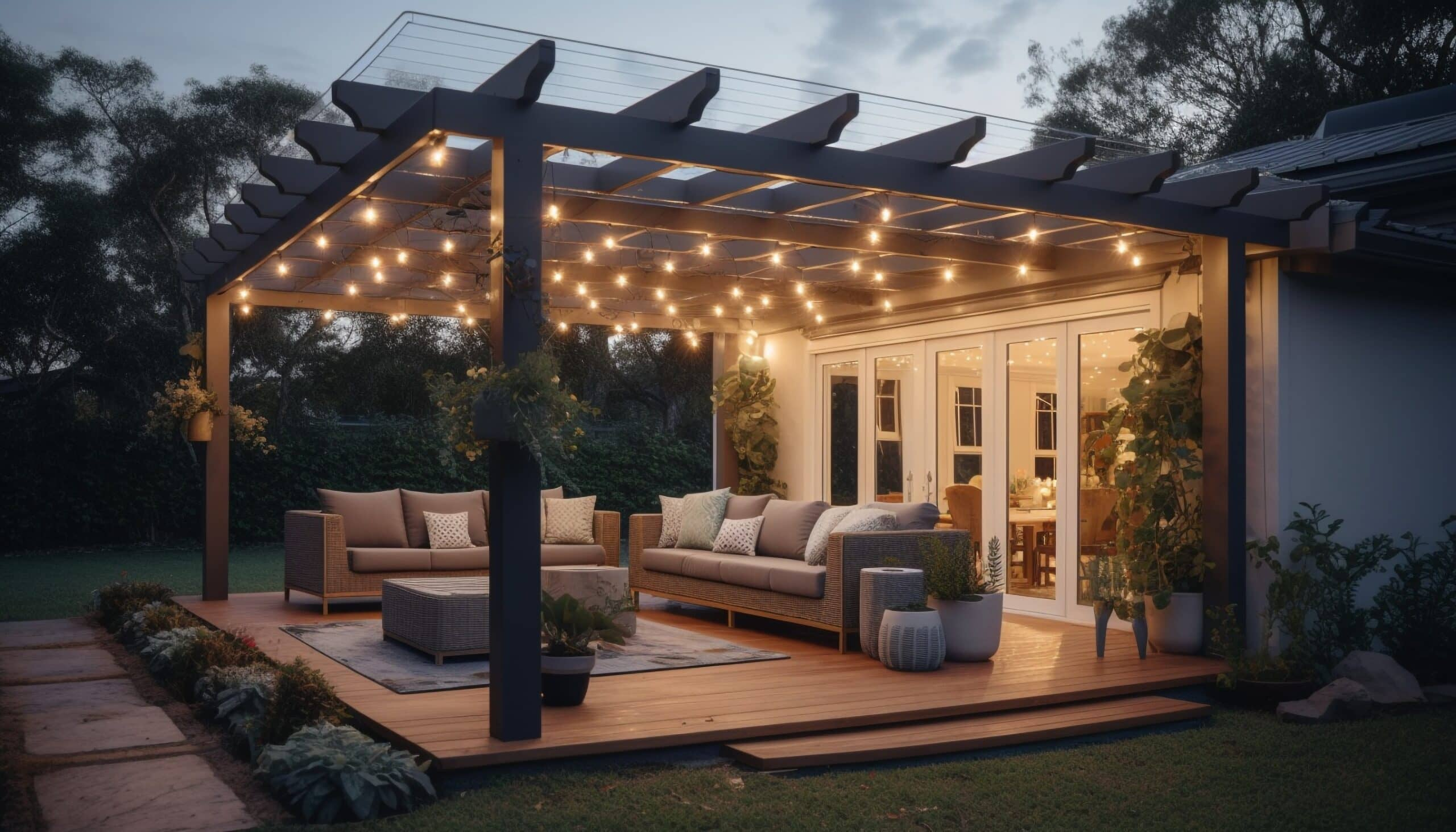
Electrical work is another major add-on. Who doesn’t want string lights or a ceiling fan under their pergola? But running electricity outdoors requires a licensed electrician. It’s not a DIY job for most people due to safety codes. You’ll need conduit, weatherproof fixtures, and possibly a new circuit breaker. This can easily add $500 to $1,500 to your project. And if you want smart lighting or outlets for charging devices, the cost goes up further.
Then there’s the finish work. Raw wood needs to be stained or sealed to survive the elements. Does your contractor include this? Often, it’s an extra line item. You’ll pay for the materials (stain, sealant, brushes) and the labor to apply it properly. Multiple coats mean multiple visits. If you skip this step to save money, your pergola will gray, crack, and rot within a few years. Proper finishing is an investment, not an optional extra.
Maintenance: The Long-Tail Expense
We often forget that a pergola isn’t a "set it and forget it" item. It’s a living part of your home’s exterior. Wood pergolas need regular maintenance. Every year or two, you’ll need to clean them, inspect for damage, and reapply sealant or stain. This costs money for supplies and time. If you hire someone to do it, that’s a recurring annual cost. Vinyl or aluminum options have lower maintenance, but they can still get dirty or damaged by severe weather.
Weather events are unpredictable. A strong storm can loosen brackets or break slats. Hail can dent metal components. Snow load can stress the structure if it’s not designed for it. You need a contingency fund for repairs. It’s wise to set aside 5-10% of the initial cost each year for upkeep. This isn’t always obvious when you’re excited about the build, but it’s crucial for long-term budgeting.
Pests are another issue. Termites, carpenter ants, and bees love wood structures. You might need to treat the wood with pesticides or install screens to keep critters out. If you live in an area prone to these pests, factor in the cost of regular inspections and treatments. It’s better to prevent an infestation than to pay for structural repairs later.
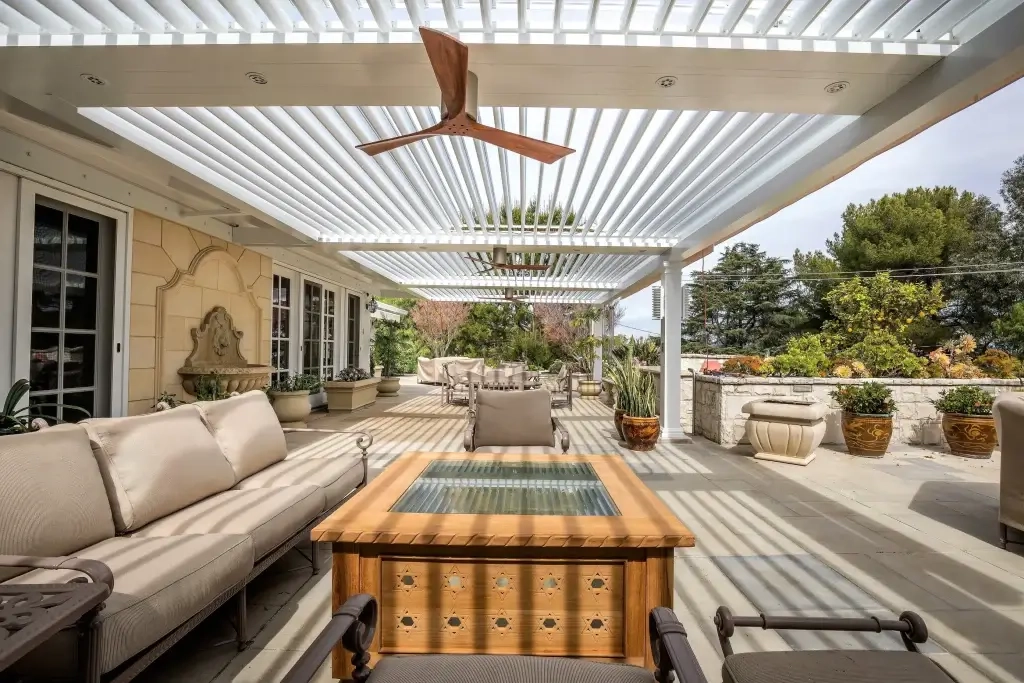
A basic pergola provides partial shade. But what if you want more? Retractable canopies, shade sails, or louvered roofs are popular upgrades. These aren’t usually included in the base price. A motorized louvered roof system can cost as much as the pergola itself. Even simple fabric canopies need to be purchased, installed, and eventually replaced as they fade or tear.
Privacy is another common desire. You might want lattice panels, climbing plants, or outdoor curtains. Plants take time to grow and need care (water, fertilizer, pruning). Trellises and support wires cost money. Curtains need rods, rings, and fabric that withstands sun and rain. All these elements enhance the experience but add to the bottom line.
Don’t forget about flooring. Is your patio ready? If you’re building over grass or dirt, you’ll need to lay pavers, decking, or gravel. This is a whole separate project with its own costs. Even if you have a patio, it might need cleaning or repair before the pergola goes up. Coordinating these elements ensures a cohesive look but requires careful budgeting. Plan for the whole space, not just the overhead structure.
So, what’s the takeaway? Budgeting for a pergola is about looking beyond the sticker price. It’s about understanding the full lifecycle of the project, from permits to maintenance. By anticipating these hidden costs, you can avoid stress and financial surprises. Take your time, do your research, and build a buffer into your budget. Your future self, sipping that cold drink under the shade, will thank you. It’s worth getting it right.