
DESC# The Secret to Strong: Discover the critical Roots Is Knowing Exactly moments to feed your plants organic When to Apply Organic nutrients for deep, resilient Nutrients
ALT root systems that thrive: Timing Your Organic F in any season.
Youertilizer for Maximum Root Health
DESC’ve probably been there. You buy: Discover the critical the most expensive seed moments to feed your plants organiclings, you water them religiously, and you nutrients for deep, resilient talk to them ( root systems that thrive in anyno judgment here). season.
We’ve all been there Yet, by mid-summer, they look. You buy the sad. Limp leaves most expensive seedling, water. Stunted growth. Maybe it religiously, and watch they just quit on it sit there. you entirely. It’s frustrating Maybe it grows a little. Maybe, right? You it doesn’t. did everything "right." But here It’s frustrating, right’s the thing most? You start wondering garden guides skip: what if you’re doing something wrong. happens above ground is just And often, the a reflection of what’s happening problem isn’t what you’re doing above below. If the roots aren the soil. It’s’t happy, the what’s happening underneath plant isn’t happy. The roots are the engine. And the biggest mistake people make isn of your garden.’t what they feed If they aren’t happy their plants, but , nothing else matterswhen.
We. But here’s the thing most people miss: tend to think of fertilizer as it’s not just a general tonic. about what Sprinkle it on you feed them., watch it grow. Simple It’s about . But organic nutrientswhen.
Timing is everything. Seriously work differently than synthetic salts. Dumping organic. They need time compost to break down on a plant at the wrong time can. They rely on soil life be like giving someone. This means timing isn a heavy meal right’t just a suggestion; it’s the whole before a sprint. It just game. Getting it sits there. But get the timing right, wrong means wasting money and effort. Getting it and you unlock a level of growth that feels right? That’s when almost magical. This you see those thick isn’t about complex, white, healthy chemistry or expensive gadgets roots digging deep into. It’s about the earth, anch listening to the plant andoring your plants against wind, drought, and understanding its natural rhythm. In disease. Let’s dig2026 in.
Why, with so many of Roots Are the Hidden us turning back to organic Engine of Your Garden
Think methods, knowing these of roots like the foundation of specific windows can make the a house. You difference between a struggling don’t see them patch and a thriving oasis once the walls are up.
Why Timing, but if the Matters More Than You foundation cracks, the whole structure Think
Plants don is at risk. Strong’t eat like we do. They don roots do three main’t have a constant jobs. First, they anchor the plant. appetite. Their hunger comes in waves, Without a good hold, a strong wind tied closely to their life cycle or heavy rain can topp and the environment around them. When youle even a sturdy tomato plant. apply organic nutrients, Second, they act you aren’t giving as the drinking straw the plant instant food. Organic. They pull up matter needs time to break down. water and dissolved minerals from the soil Microbes in the soil have to. Shallow roots mean the work on it first plant dries out fast when. This process takes days the sun gets hot. Third,, sometimes weeks. So if they store energy. you wait until the Just like a squirrel plant is already starving to feed it hiding nuts for winter, roots stash, you’re too away carbohydrates to help the plant survive late. The food won’t be ready when cold snaps or bounce the plant needs it back after a harsh most.
Think pruning.
When roots are weak or of it like preparing for a marathon. shallow, the plant is constantly stressed. It You don’t eat a huge pasta dinner the minute’s living paycheck to paycheck you cross the finish line., so to speak. It uses all its energy just You fuel up in the weeks trying to stay alive leading up to it. Same with roots, leaving nothing for making flowers or fruit.. Applying nutrients during This is why you key transition phases ensures that the slow-release might see a plant nature with of organic fertilizers align green leaves but no tomatoess perfectly with the. The issue isn plant’s peak demand’t the leaves; it’s the. If you miss that lack of a robust window, the nutrients might just support system underneath. Healthy leach away or sit roots also create a symbiotic relationship with beneficial idle, while the plant struggles fungi and bacteria in to push out new root the soil. These hairs. It’s a mismatch microscopic helpers extend the root’s of supply and demand that reach, allowing the plant to access nutrients costs you vigor.
This it couldn’t find is especially true for organic options on its own.. Synthetic fertilizers hit But this network only forms fast and hard, if the roots are healthy and actively which can actually burn delicate growing.
If root tips if applied you ignore the root incorrectly. Organics are gent zone, you’reler, but they require fores fighting an uphill battle. Youight. You have’ll find yourself watering to anticipate the need more often because the soil doesn. By syncing your application with the plant’s’t hold moisture well without biological clock, you root structure. You’ll see more pests because ensure that as the soil microbes release those stressed plants emit chemical signals that attract bugs precious minerals, the. It’s a roots are actively growing domino effect. By and ready to absorb them. It’s a dance focusing on root health first, really. And you, you solve half your gardening problems before they even want to lead.
start. It’s about## The Critical Window: Planting building resilience from the and Transplanting ground up. Literally.
The single most
The Big important time to focus on root nutrition Three: Phosphorus, Potassium, and is right at the start. Whether Microbes
Not you’re putting a tomato all nutrients are created plant in the ground or equal when it comes to roots. You moving a houseplant to a bigger pot,’ve seen those three this is the foundation numbers on fertilizer bags, right? N-P-K moment. At this stage, the. Nitrogen, plant is stressed. Phosphorus, Its root system has been disturbed Potassium. For. It’s vulnerable leafy growth, you. This is when you want want high Nitrogen (the first number). to give it the best possible start. But for roots? You But be careful. You need to look at the don’t want to middle and last numbers. Phosphorus overwhelm it.
Focus on phosphorus. This (P) is the absolute is the nutrient responsible star player for root development. for root development. Look It stimulates early root formation for organic sources like bone meal or rock phosphate. and helps young plants establish themselves quickly. If Mix these into the soil before you put you’re starting seeds or transplanting, the plant in. phosphorus is non Don’t just sprinkle-negotiable. it on top. It’s the signal The roots need to that tells the plant be surrounded by this energy, "Hey, stop source from day one. Some growing leaves for a second and send some roots down." gardeners also swear by seaweed extract
Potassium (K), at this stage. It’s rich the third number, is the in trace minerals and natural regulator. It helps with hormones that help reduce transplant water uptake and overall plant vigor. shock. It’s like a calming tea for your It strengthens cell walls, plants.
Avoid making roots tougher and more high nitrogen here. Nitrogen pushes resistant to rot and disease. A leaf growth. If you force fertilizer with a ratio like 3- the plant to grow20-2 leaves before it has established a strong root network0 is classic for root growth because it’s low in, it becomes top-heavy and nitrogen (which encourages weak. It’s like building a skyscraper on leafy tops) and high in phosphorus a shaky foundation. and potassium. But Let the roots settle first. Give them two here’s where organic gardening gets interesting. Synthetic to three weeks to fertilizers give you explore their new home these nutrients in an and latch onto the organic instant, soluble form matter you’ve provided. Organic sources, like bone meal (. Once you see newfor phosphorus) leaves emerging, you or kelp meal’ll know the roots (for potassium and are happy. That’s your trace minerals), release cue that the first slowly. This slow release is actually a phase is complete.
Early benefit. It prevents Growth: Building the Network "burning" the
Once the plant has settled in, it delicate new roots and provides a enters a rapid expansion steady drip-feed of nutrition phase. This is.
Then there’s the invisible usually a few weeks after planting. The roots are workforce: microbes. Organic nutrients don’t just feed the branching out, looking for water and plant; they feed the soil. Things stability. This is the like compost, worm second critical window. The castings, and plant is no longer in mycorrhizal fungi survival mode; it’s in growth mode. Now inoculants add life to the dirt, you can introduce. These microbes break down organic a more balanced organic fertilizer. matter into forms the plant can use Compost tea is fantastic here. It’s. They also physically liquid gold. It delivers attach to roots, extending nutrients quickly because it their surface area. Think’s already broken down of it as upgrading, bypassing some from a single straw to a massive of the slower decomposition steps.
Apply network of pipes. this every two to three weeks during Without these biological partners, organic nutrients sit the active growing season. But in the soil doing keep it light. Organic nothing. You need both the food (nut nutrients are forgiving,rients) and the but too much of chefs (microbes) anything is still too much. Watch the to cook the meal. color of the leaves. Ignoring either side A deep green means of this equation leads to poor you’re on track results.
. Pale yellow might indicate a need for Timing Window 1: The more nitrogen, but Critical Planting Phase hold off on heavy
The most important moment to doses. Instead, boost apply organic root nutrients is right the microbial activity in the soil. at the beginning. When Add worm castings or a you first put a plant in layer of mulch. These the ground or pot materials feed the soil, it’s in shock life, which in. Its roots have been disturbed turn feeds the roots, maybe cut,. It’s an and it’s in indirect approach, but it’s incredibly a new environment. effective.
This This is the " stage is also about consistencyestablishment phase." During this window, the. Don’t feast and famine. Regular, small plant isn’t trying to grow big leaves; it’s applications are better than one big dump. It trying to survive. keeps the nutrient levels steady in the Applying a phosphorus-rich organic root zone. Remember fertilizer at this stage gives, the goal is steady it the boost it needs to knit, sustainable growth. Not itself into the new a sudden spike that leads soil. Mix bone meal or to weak, leg rock phosphate into thegy stems. By planting hole before you keeping the soil biology active drop the root ball, you in. This create a buffer. puts the food exactly The soil holds onto nutrients where the new roots and releases them as will grow into.
Don the plant asks for’t forget the microbial them. It’s component here either. a self-regulating D system, if youipping roots in a set it up right. seaweed extract or mycorrhiz
Stress Recovery: The Hiddenal powder before planting can reduce transplant shock significantly Opportunity
Here’s a secret most beginners miss. Seaweed contains: stress is a trigger for root growth natural hormones like auxins and cytokinins that stimulate root. When a plant faces mild cell division. It’s stress—like a brief dry spell or like giving the plant a calming a cool snap—it often tea and a energy responds by sending out shot at the same time. more roots to find Many gardeners skip resources. This is a natural this step, thinking the survival mechanism. You soil is "good enough." can harness this. After But native soil often a period of mild lacks the specific microbial communities stress, once the immediate danger has passed, your new plant needs. Adding is a perfect time to apply them manually ensures the partnership a boost of organic starts day one.
Water nutrients. The plant is priming in these amendments is crucial. Organiced to absorb them to rebuild and strengthen.
For nutrients need moisture to activate. example, if you Dry bone meal sits’ve had a hot there doing nothing. So week and your plants wilted, after planting, give slightly in the afternoon the area a thorough soaking. This settles, don’t just water them. Once the soil around the roots and starts they perk up, give the breakdown process. Avoid them a dose of k high-nitrogen fertilizers atelp meal or fish emulsion. These this stage. It are rich in potassium’s tempting to want, which helps with quick green growth, but water regulation and overall nitrogen pushes top growth at plant hardness. The roots the expense of roots will soak this up to prepare. If the top grows too fast before for the next challenge. It’s like reinforcing the roots are ready, the the walls after a storm plant becomes leggy and weak. You’re helping the plant recover stronger. Patience is key. Let than it was before.
the roots lead the danceBut be careful not for the first few weeks.
Timing to confuse stress with damage Window 2:. If the plant is severely dise Early Vegetative Growth
ased or pest-rOnce the plant has settled inidden, fix that problem first. Fe—usually about two to four weeks after planting—iteding a sick plant can sometimes make things worse enters the early vegetative stage. Wait until the immediate. This is when you see threat is gone. Then, use new leaves unfurl organic nutrients to support theing and stems stretching recovery. This approach. The root system is expanding rapidly builds resilience. Over now, exploring the surrounding time, your plants become tougher. They can soil. This is the second critical window for handle heat, cold, and drought better feeding. The initial because their root systems charge from planting is wearing are off, and the plant’s dense and efficient. It’s long-term insurance demand for nutrients is increasing. for your garden.
However, you still want to prioritize## Seasonal Shift root strength over sheers: Listening to the Calendar
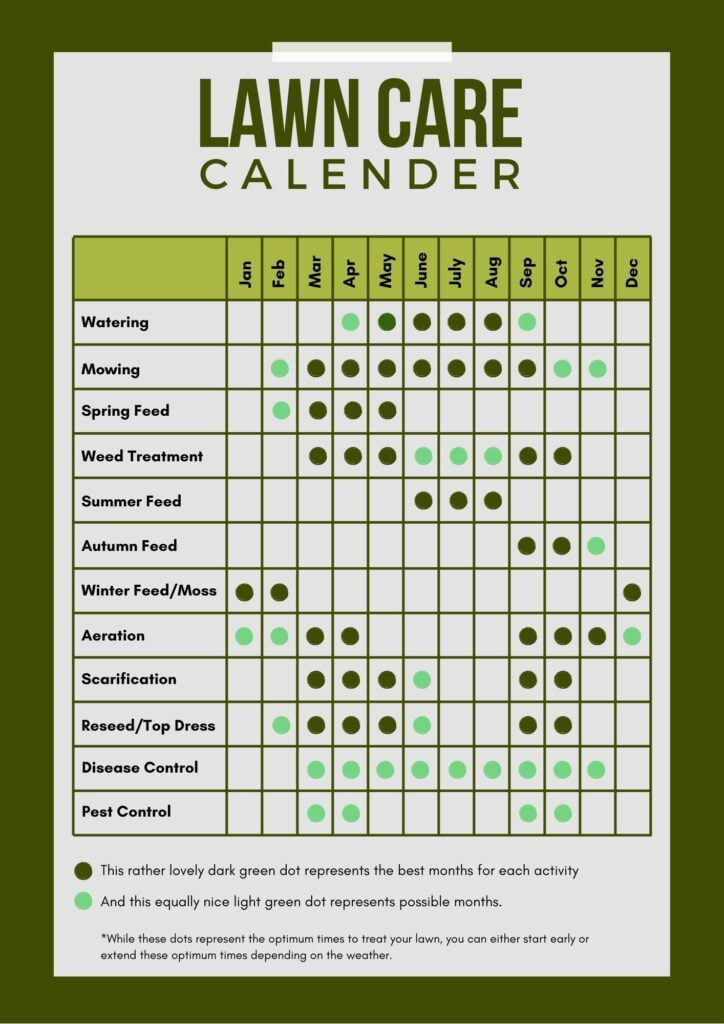
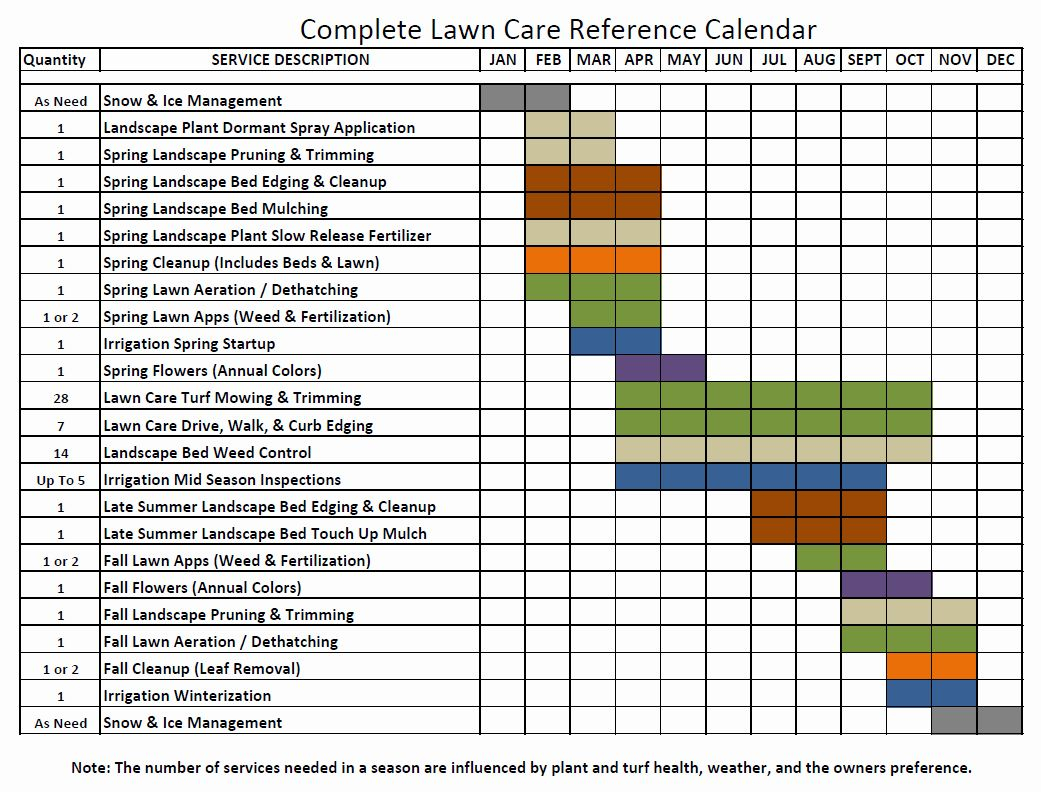
As we move size. Continue with balanced through 20 organic feeds that have26, climate a moderate phosphorus content. patterns are shifting, making seasonal
This is also a great time to awareness even more crucial introduce liquid organic feeds like. In early spring, the fish emulsion or soil is cold. Micro compost tea. Thesebes are sluggish. Applying are gentler than dry granules and can heavy organic matter now might not do much be absorbed quickly through because the breakdown process is slow. the root zone. They provide Instead, focus on a broader spectrum of micron warming the soil.utrients that support Use dark mulches or cover overall health. Apply these every two to three crops. Once the soil temp rises above 50 weeks during this phase. Watch the plant°F (10’s response. If the°C), the microbes wake up. That leaves are a deep, healthy’s your green light green and the stem to is sturdy, you start feeding.
In late summer and’re on track. If the early fall, the lower leaves start yellow game changes again. Plants are preparinging, it might need a bit more nitrogen, for dormancy. You want to stop pushing but be careful not to overdo it.
new growth. High nitrogen now is aAnother trick during this phase bad idea. It encourages soft is mulching. While tissue that will get not a fertilizer per se killed by the first frost. Instead, organic mulch (, switch to potassiumlike straw, shredded leaves, or wood chips-rich organics like wood ash) breaks down over or greensand. This helps time, releasing nutrients directly harden off the plant and to the surface roots. It also strengthens the cell walls. keeps the soil cool and moist It also supports root storage, which roots love. Hot. Many perennials store, dry soil stresses energy in their roots over roots and slows their winter. Feeding them now growth. By keeping the root zone ensures they have the comfortable, you allow reserves to burst forth in spring.
the plant to focus energy on expansion rather thanWinter is generally a rest period. survival. It’s Don’t feed dormant a passive way to feed, plants. They aren but it’s incredibly’t eating. Any effective when combined with active nutrients you add will just sit there, fertilizing.
Timing Window 3 potentially causing salt buildup or runoff: Recovery and Stress when the rains come. Let Periods
Plants don’t live the soil rest too in a perfect world. This break allows the soil structure to stabilize. They face heatwaves, heavy. Use this time to plan rains, pest attacks your next moves. Test, and accidental damage your soil pH. Add lime. Whenever a plant undergoes stress or sulfur if needed., its root system takes a hit. This Prepare the bed so that when spring is the third key timing window: recovery arrives, you’re ready to hit. After a stressful the ground running. Patience is a event, the plant’s priority virtue in gardening.
shifts back to repair. It Common Mistakes That needs resources to heal damaged tissues and reg Sabotage Root Health
Even with goodrow lost roots. Applying intentions, it’s easy to slip organic nutrients during this time up. One of can speed up recovery dramatically. But again, timing the biggest errors is overwater and type matter.
ing after fertilizing. WaterFor example, if your is needed to activate organic nutrients, but too garden goes through a scorching heatwave, the much drowns the roots. Roots need oxygen. If roots may have dried out or died the soil is sog back. Once the weather cools, dongy, the roots rot. No amount of fertilizer’t just dump on high-nitrogen fertilizer. That would force the plant to will fix root rot. Always check the soil moisture before applying. Stick your finger in. produce leaves it can’t support. If it’s wet Instead, use a seaweed-based spray, wait. If it or drench. Se’s damp, go ahead. If itaweed is excellent for stress recovery’s dry, water lightly first, then apply because it contains alginates that help plants retain the nutrients.
Another mistake water and hormones that stimulate is ignoring soil pH new root growth. It. Organic nutrients are’s gentle and supportive pH-dependent. If your soil is too acidic. Similarly, if pests or too alkaline have chewed up, the nutrients lock your plants, wait up. The plant can’t access until the infestation is under control, then feed with them, no matter how much you add. Most a balanced compost tea to help the plants prefer a slightly plant rebuild its reserves acidic to neutral pH (6.
Winter preparation is another form of stress management.0-7.0). Test your soil regularly. In late autumn, as plants. If it’s prepare for dormancy, off, amend it with organic lime they move energy from their leaves down into their or sulfur. This unlocks roots. Applying a potassium-rich organic the nutrients already in the soil and fertilizer (like k makes your new additions effective.elp meal or wood ash, It’s a simple step used sparingly) in that often gets overlooked.
Finally, early fall helps harden off the roots and improves don’t forget the cold tolerance. Avoid power of observation. Every nitrogen in late fall, garden is different. What as it encourages tender works for your neighbor might not work new growth that will for you. Watch die in the first frost, your plants. Are wasting the plant’s energy. they vibrant? Are they producing? Or By syncing your feeding with the plant’s are they sluggish? Adjust your timing based on what natural cycles of stress and recovery you see, not just what the, you work with nature calendar says. Gard instead of against it.
Common Mistakes Thatening is an art as much as a science Sabotage Root Health
Even with. Trust your instincts. If good intentions, it something feels off, it’s easy to mess probably is. T up. One of the most commonweak your approach. Learn errors is over-f from each season. Thatertilizing. More’s how you become is not better. Organic nutrients are a true gardener.
Getting the timing right for slower, yes, but they can still accumulate. Ex organic nutrients isn’t about following a rigid rulebookcess phosphorus,. It’s about for instance, can understanding the rhythm of lock up other micronutrients like iron life underground. It’s about and zinc, causing respecting the slow, steady work of nature deficiencies that look like hunger but are actually toxicity. When you align. Stick to the recommended your actions with the plant’s needs, you see rates on the package, or even go slightly lower results that last. Strong. You can always add roots mean strong plants. And strong plants mean a more, but you can’t garden that thrives, year take it out.
Another mistake after year. So next time you reach is ignoring soil pH. Nutrients are only available to plants within for that bag of compost or bottle of seaweed extract a certain pH range (, pause. Askusually 6.0 to 7 yourself: is this the right moment.0 for most? Chances are, vegetables). If your soil if you wait for is too acidic or too alkaline, the right sign, your the phosphorus and potassium plants will thank you. you add might be chemically locked away, inaccessible to the roots. It’s like having a fridge full of food but no key to open it. Test your soil pH once a year. If it’s off, amend it with lime (to raise pH) or sulfur (to lower it) before worrying about fertilizers. This simple step often solves "mystery" nutrient problems.
Finally, compaction is a silent killer. If the soil is hard and packed down, roots can’t penetrate it. No amount of fertilizer will help if the roots are physically blocked. Aerating the soil, adding organic matter like compost to improve structure, and avoiding walking on wet garden beds are essential practices. Roots need oxygen just as much as they need nutrients. Waterlogged, compacted soil suffocates roots, leading to rot. Ensure your soil is loose and crumbly. If you can stick a pencil in easily, your roots will thank you.
Plants are surprisingly communicative if you know how to listen. They won’t speak, but they show you exactly what they need. Yellowing lower leaves often indicate a nitrogen deficiency, but if the veins stay green while the leaf turns yellow, it might be iron or magnesium. Stunted growth with dark green or purple-tinged leaves is a classic sign of phosphorus deficiency. The plant is struggling to move energy around because its roots aren’t functioning efficiently. If you see this, check your root zone. Is the soil cold? Cold soil slows phosphorus uptake. Is the pH off? Adjust accordingly.
Wilting despite wet soil is a red flag for root rot or damage. The roots are dead or dying, so they can’t drink, even though water is everywhere. In this case, stop fertilizing immediately. Fertilizer salts will only burn the remaining healthy roots. Let the soil dry out, improve drainage, and maybe add some beneficial fungi to help fight off pathogens. Only resume feeding once new growth appears.
On the flip side, lush, dark green foliage with few flowers or fruits usually means too much nitrogen. The plant is partying upstairs while the basement (roots) is empty. Cut back on nitrogen-heavy feeds and switch to a bloom-booster formula higher in phosphorus and potassium. Observing these signs takes practice, but it becomes second nature. Keep a garden journal. Note when you fed, what you used, and how the plants responded. Over time, you’ll develop an intuition for your specific garden’s rhythm. It’s less about following rigid rules and more about building a relationship with your soil.
Getting the timing right for organic nutrients isn’t magic. It’s just paying attention. It’s understanding that plants have phases—establishment, growth, stress, rest—and each phase has different needs. By focusing on phosphorus and potassium during key windows like planting and recovery, and by supporting the soil life that makes these nutrients available, you build a foundation that lasts. You stop fighting your garden and start working with it.
So next time you reach for that bag of fertilizer, pause. Ask yourself: What stage is my plant in? What do its roots need right now? Is the soil ready to receive this food? These small questions change everything. They turn gardening from a chore into a conversation. And when you get it right, the reward is undeniable. Deep, strong roots mean vibrant blooms, bountiful harvests, and plants that stand tall against whatever the weather throws their way. It starts below the surface. Always has, always will.