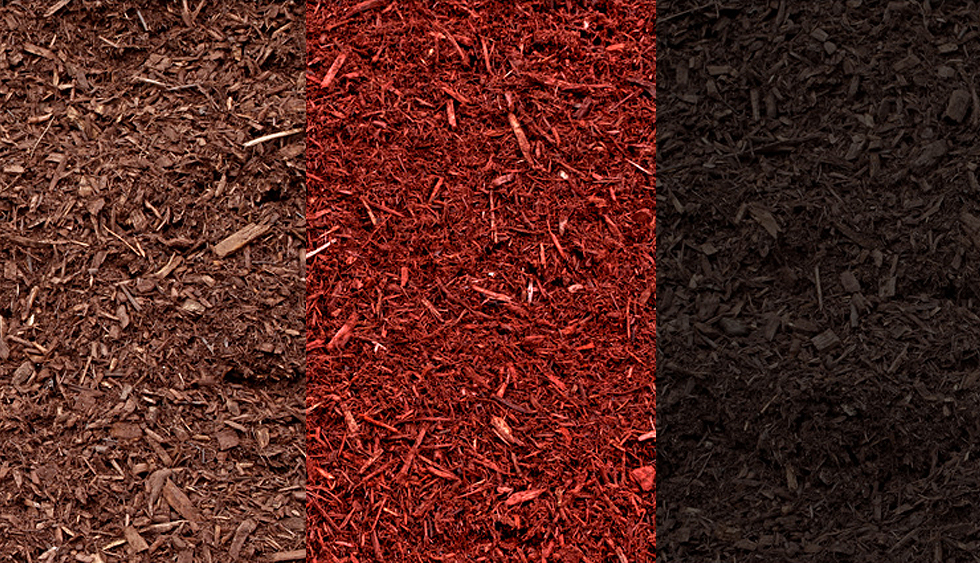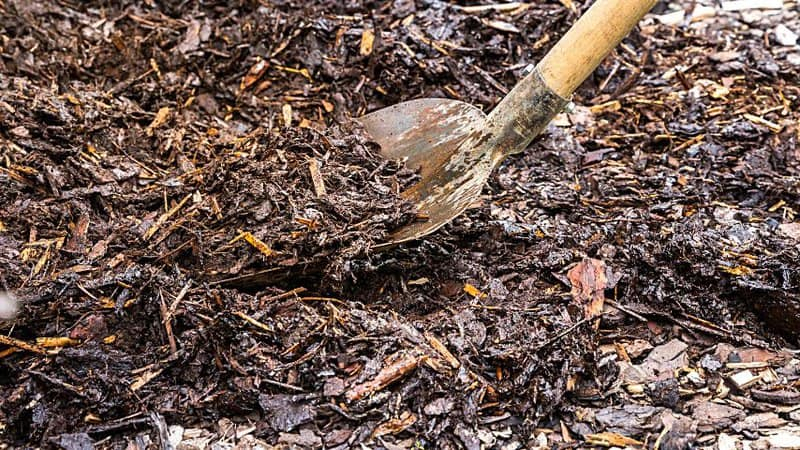

Ever stood in the garden center aisle, staring at bags of black, brown, and red mulch, feeling totally stuck? You’re not alone. It seems like a small choice, right? Just wood chips. But here’s the thing: that color you pick does way more than just make your flower beds look tidy. It actually changes how hot your soil gets, how much water stays in the ground, and even how vibrant your flowers appear against the backdrop.
Most folks think mulch is just mulch. They grab whatever is on sale or matches their truck. But if you’ve ever wondered why your petunias look washed out or why your veggies seem stressed in July, the answer might be lying right beneath their roots. Let’s dig into the real science behind picking the right hue, because it’s not just about curb appeal—it’s about plant survival and thrival.
The Heat Factor: Why Darker Isn’t Always Better
Let’s talk physics for a second, but keep it simple. Dark colors absorb heat. Light colors reflect it. This isn’t just theory; it’s something you can feel when you walk barefoot on asphalt versus concrete. The same rule applies to your garden beds. Black mulch acts like a solar panel, soaking up sunlight and transferring that warmth directly into the soil. In cooler climates or early spring, this can be a huge bonus. It warms up the root zone faster, giving plants a head start on the growing season.
But there’s a catch. If you live somewhere where summers are brutal, black mulch can cook your plants’ roots. Soil temperatures under black mulch can get significantly higher than under natural brown bark. For heat-sensitive plants like lettuce, spinach, or certain perennials, this extra heat stress can lead to wilting, bolting, or even root damage. So, before you go all-in on the sleek black look, check your local climate data. If your area regularly hits above 90°F, you might want to think twice.
On the flip side, lighter-colored mulches, like natural cedar or straw, reflect more sunlight. This keeps the soil cooler and helps retain moisture by reducing evaporation. It’s a trade-off. You lose that early-season warmth boost, but you gain protection during the dog days of summer. It’s all about balancing what your specific plants need versus what your weather throws at them.
Matching Mulch to Your Home’s Exterior
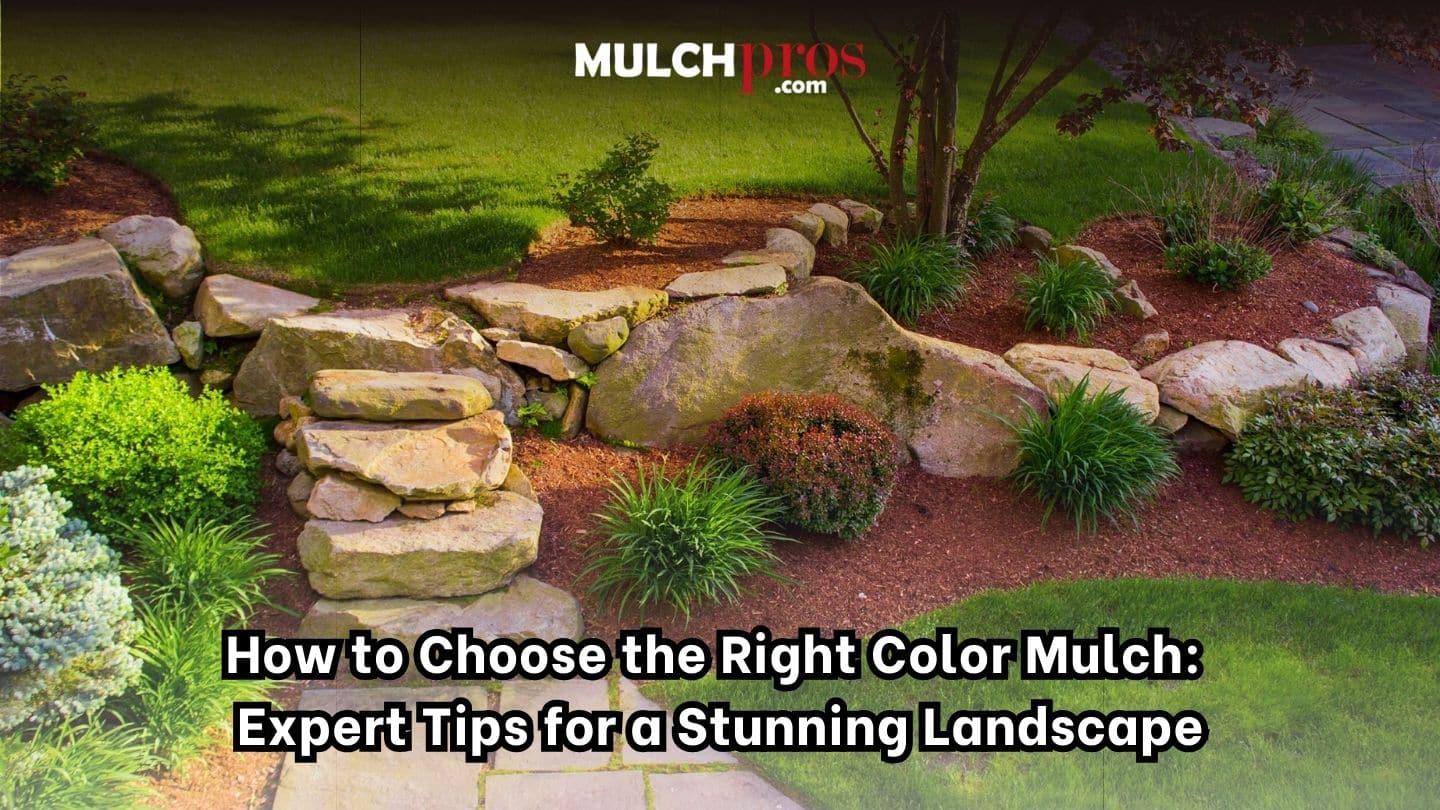
Your garden doesn’t exist in a vacuum. It’s part of a bigger picture that includes your house, driveway, and fence. One of the biggest mistakes people make is choosing a mulch color that clashes with their home’s siding or brickwork. Imagine a bright red brick house with stark black mulch. It can look harsh and disjointed. Instead, try to create harmony. If your home has warm tones like beige, tan, or red brick, a rich brown or reddish-brown mulch often blends beautifully. It ties the landscape to the structure without competing for attention.
For homes with cool tones—think gray siding, white trim, or blue accents—black or dark gray mulch can provide a crisp, modern contrast. It makes the greenery pop and gives the yard a clean, tailored look. But be careful not to go too dark if the house is already very dark, as it can make the whole property feel heavy or gloomy. The goal is complement, not competition.
Also, consider the style of your landscape. A formal English garden might benefit from the uniformity of dyed black mulch, which creates a neat, manicured appearance. A cottage garden or native plant landscape, however, often looks more authentic with natural, undyed wood chips or shredded bark. The irregular textures and varying shades of brown mimic the forest floor, enhancing the naturalistic vibe. It’s about matching the mood you want to create.
Plant Pairings: Making Flowers Pop
Think of mulch as the frame for a painting. The right frame enhances the artwork; the wrong one distracts from it. When selecting mulch color, look at the dominant colors of your flowers and foliage. Green leaves generally look great against any background, but flowers need a bit more thought. Yellow and orange blooms, like marigolds or daylilies, can get lost against red mulch. They tend to blend in rather than stand out. Against black or dark brown mulch, however, they shine brightly, creating a striking visual contrast.
White and pastel flowers, such as impatiens or phlox, look ethereal against dark mulch. The deep background makes the light petals appear almost glowing. But if you have a lot of purple or blue flowers, like lavender or salvia, red mulch can sometimes create a vibrating effect that’s hard on the eyes. Brown or black is usually safer here, allowing the cool tones of the flowers to remain calm and cohesive.
Don’t forget about foliage plants too. Hostas with variegated leaves look stunning against dark mulch, which highlights the patterns in their leaves. Ornamental grasses, with their golden or bronze hues, pair well with natural brown mulch that echoes their earthy tones. The key is to step back and look at your bed as a whole. Does the mulch disappear into the background, letting the plants take center stage? Or does it shout for attention? You want the latter to be false.
Longevity and Fading: What Holds Up Best?
Here’s a reality check: all mulch fades. Sunlight, rain, and time will bleach the color out of any organic material. But some hold up better than others. Dyed mulches, especially black and red, are treated with iron oxide or carbon-based dyes. These are generally safe for plants and pets, but they don’t last forever. Typically, you’ll see noticeable fading after one season, especially in areas with intense sun exposure. By the second year, that deep black might look more like a dusty gray.
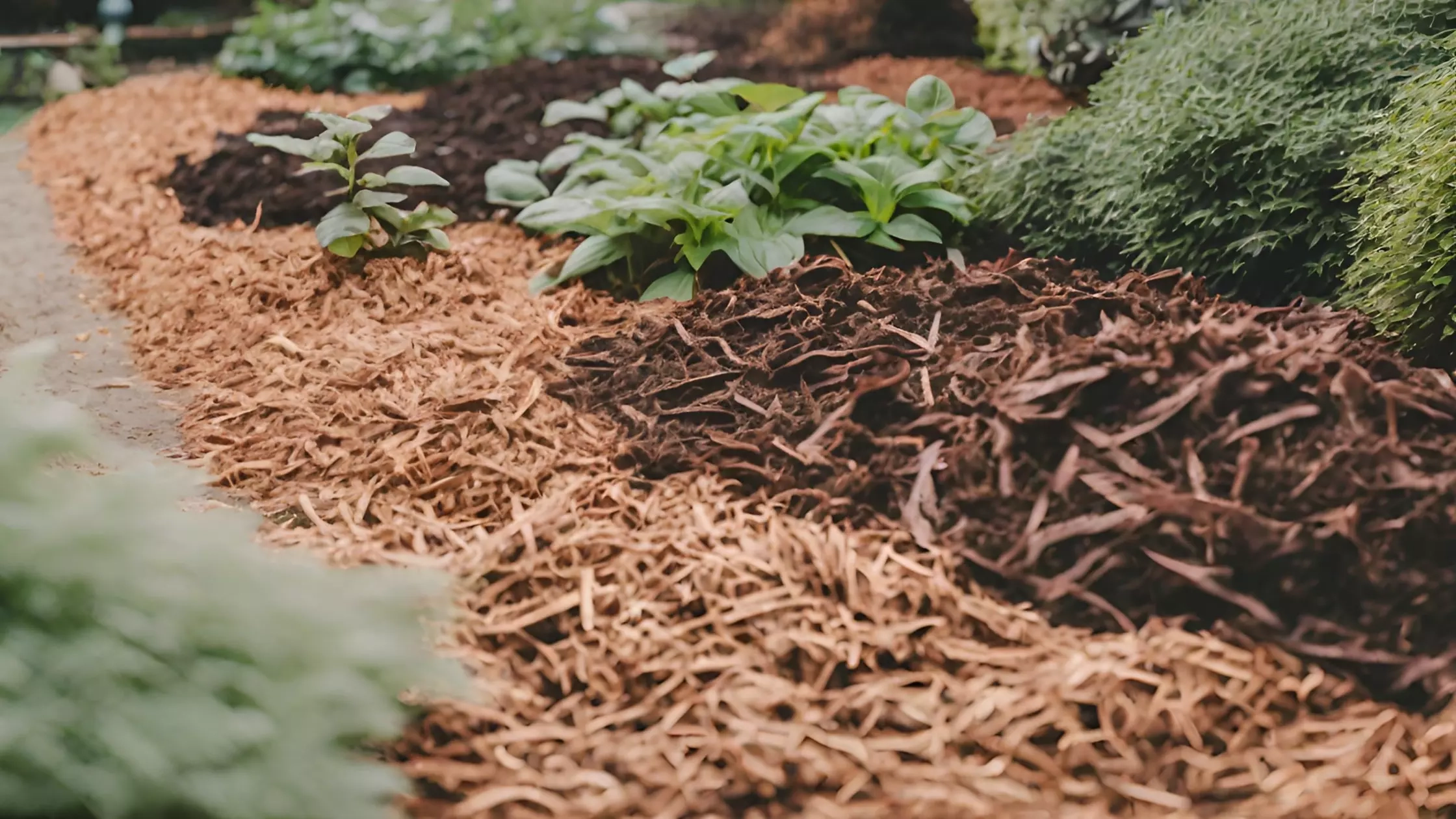
Natural brown mulch, made from aged bark or wood, tends to fade more gracefully. It starts as a rich chocolate or cinnamon color and slowly lightens to a silvery gray. Many gardeners actually prefer this aged look because it appears more natural over time. If you hate the idea of refreshing your mulch every year, natural might be the way to go. It requires less maintenance to keep looking "acceptable," even if it’s not perfectly uniform.
There are also engineered wood mulches and rubber mulches that claim to hold color indefinitely. While true, these come with their own set of pros and cons. Rubber mulch doesn’t decompose, so it doesn’t improve soil health. Engineered woods can be expensive. For most home gardeners, sticking with organic options and planning to top off or replace every 1-2 years is the most sustainable and cost-effective approach. Just factor that into your budget and labor expectations.
Moisture Retention and Weed Control Myths
Does color really affect how well mulch holds water? Surprisingly, yes, but indirectly. It’s mostly about temperature again. Hotter soil (from dark mulch) leads to faster evaporation. So, while black mulch might suppress weeds effectively by blocking light, it might also dry out your soil quicker in hot weather. Lighter mulches keep the soil cooler, which helps maintain consistent moisture levels. This is crucial for plants that hate drying out, like ferns or astilbes.
Weed control is another big reason we mulch. All opaque mulches block sunlight, which prevents weed seeds from germinating. The color itself doesn’t change this ability much—whether it’s black, brown, or red, if it’s thick enough (2-3 inches), it’ll stop most weeds. However, dyed mulches are often made from finer particles, which can form a tighter mat. This can be good for weed suppression but bad for water penetration if it gets compacted. Natural chunkier bark allows water to filter through more easily but might let a few more weeds sneak through if not applied thickly.
It’s also worth noting that some studies suggest red mulch might slightly enhance growth in certain tomato varieties due to light reflection properties, but the evidence is mixed and often overstated by marketers. Don’t choose red mulch solely expecting a bumper crop of tomatoes. Stick to the basics: adequate thickness, proper application, and choosing a color that fits your aesthetic and climate needs. The weed-blocking power is largely the same across the board.
Let’s talk money. Natural brown mulch is usually the cheapest option, especially if you buy it in bulk from a local landscape supply yard. Dyed mulches cost more because of the additional processing and dyeing steps. Red and black are typically priced similarly, though premium brands might charge extra for "fade-resistant" formulas. If you’re covering a large area, the price difference can add up quickly. Calculate your square footage and compare prices per cubic yard, not just per bag. Bags are convenient but expensive for big jobs.
Environmentally, natural mulch is the winner. It’s often made from recycled wood waste, like pallets or tree trimmings, and it breaks down over time, adding organic matter to your soil. This improves soil structure, drainage, and nutrient content. Dyed mulches are also often made from recycled wood, but the dyes, while generally considered safe, add an extra layer of processing. Some eco-conscious gardeners prefer to avoid dyed products simply to minimize industrial inputs in their gardens.
Consider sourcing locally too. Buying mulch from a nearby supplier reduces transportation emissions and supports local businesses. Plus, local mulch is often better suited to your regional climate and soil types. Ask around at local nurseries or community gardens for recommendations. They’ll know what works best in your specific area. And remember, you can always make your own mulch if you have access to wood chips from tree services. It’s free, eco-friendly, and effective, even if it’s not uniformly colored.
Choosing the right mulch color isn’t just a cosmetic decision. It’s a strategic move that impacts your garden’s health, your wallet, and your enjoyment of the space. By considering heat, aesthetics, plant needs, longevity, moisture, and cost, you can make a choice that looks great and works hard. So next time you’re in that aisle, take a breath. Look at your house, think about your plants, and pick the shade that tells the story you want your garden to tell. It’s worth getting right.