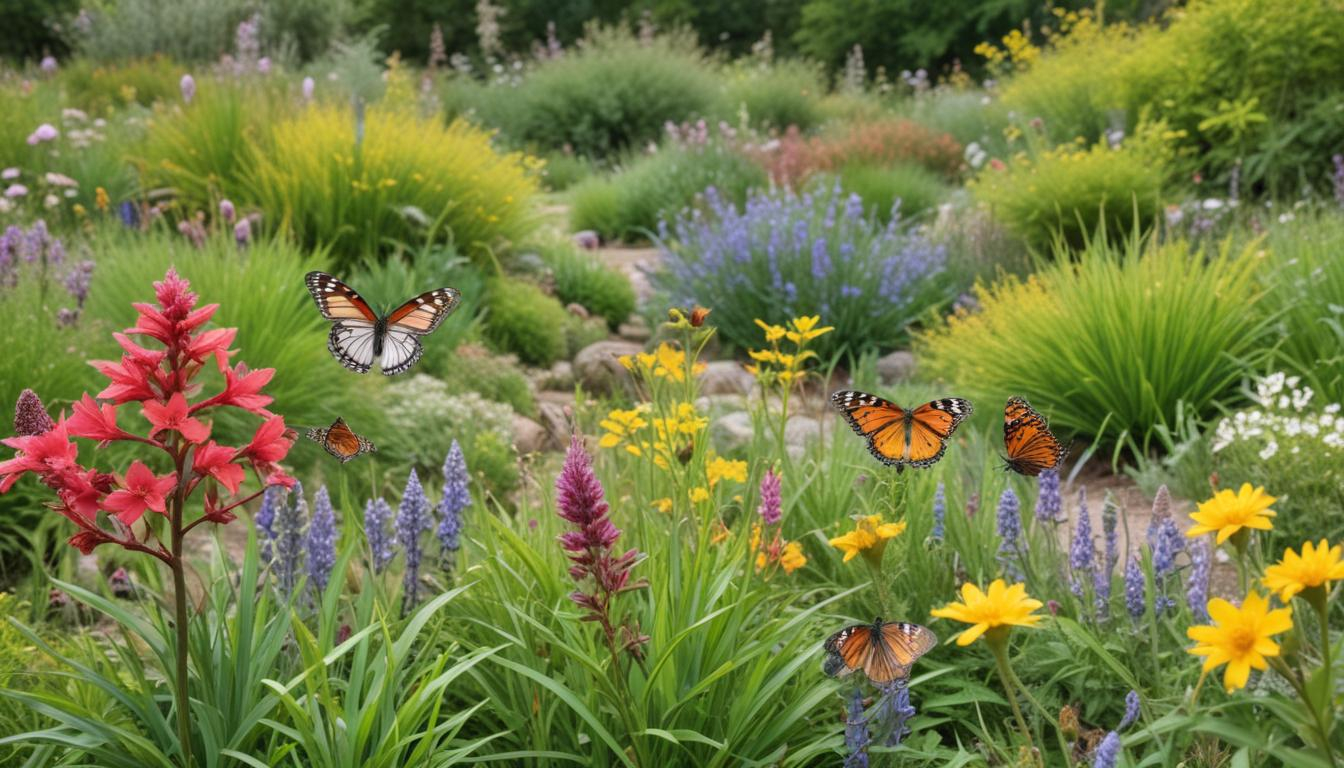

Summer is getting intense. If you’ve stepped outside lately, you already know the sun isn’t playing around this year. Trying to keep a traditional garden alive right now feels like a full-time job, and watching your favorite flowers wilt by noon is just heartbreaking.
But what if you could have a gorgeous, thriving yard without constantly dragging the hose around. It sounds like a dream, but nature already figured this out a long time ago. Native plants are the secret weapon we need for our changing climate.
The Secret Strength of Going Native
When we talk about native greenery, we are talking about varieties that have spent thousands of years adapting to local weather quirks. They don’t need us to baby them because they belong here. While imported tropicals are gasping for air, these local heroes are just getting started.
These plants develop deep root systems that reach far down into the soil to find moisture where it’s cool. It is pretty amazing how they survive. By choosing these options, you are not just saving water; you are also creating a haven for local birds and butterflies.
Agave: The Tough Sculptures of the Soil
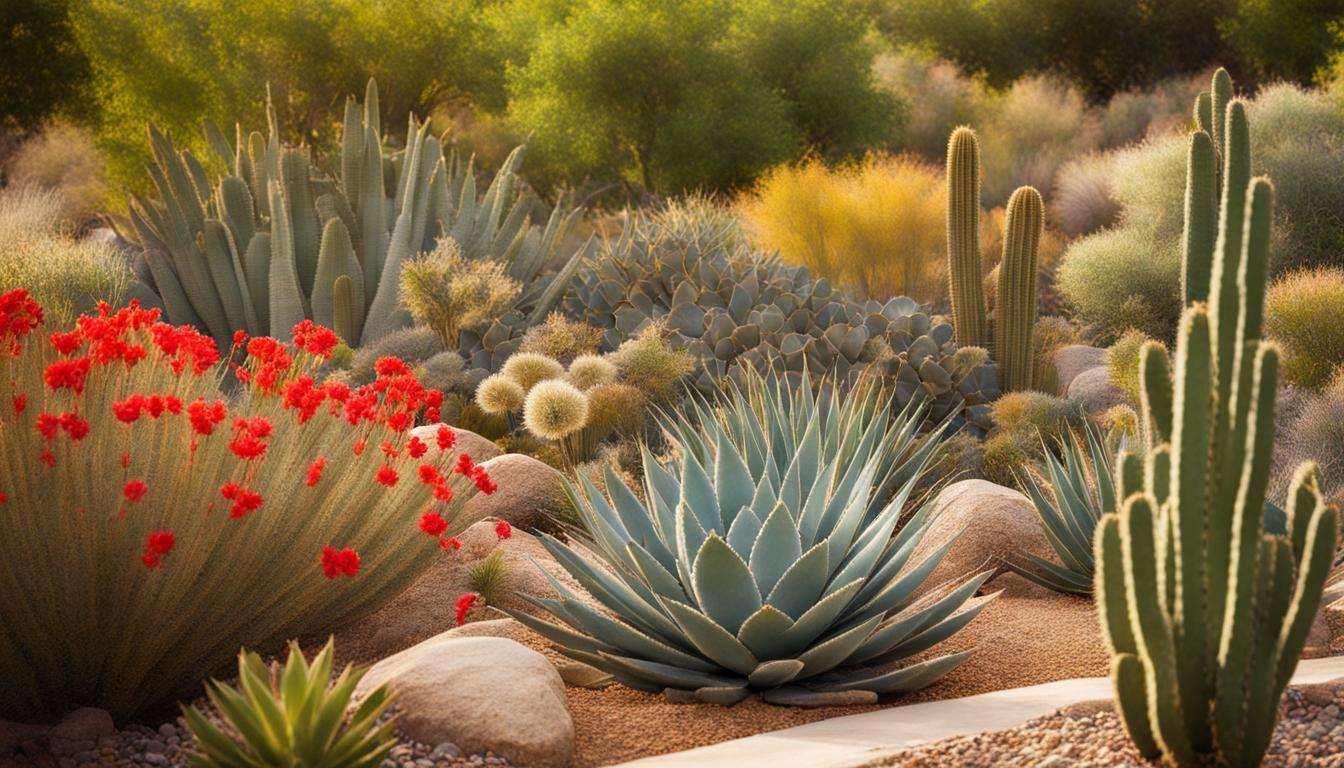
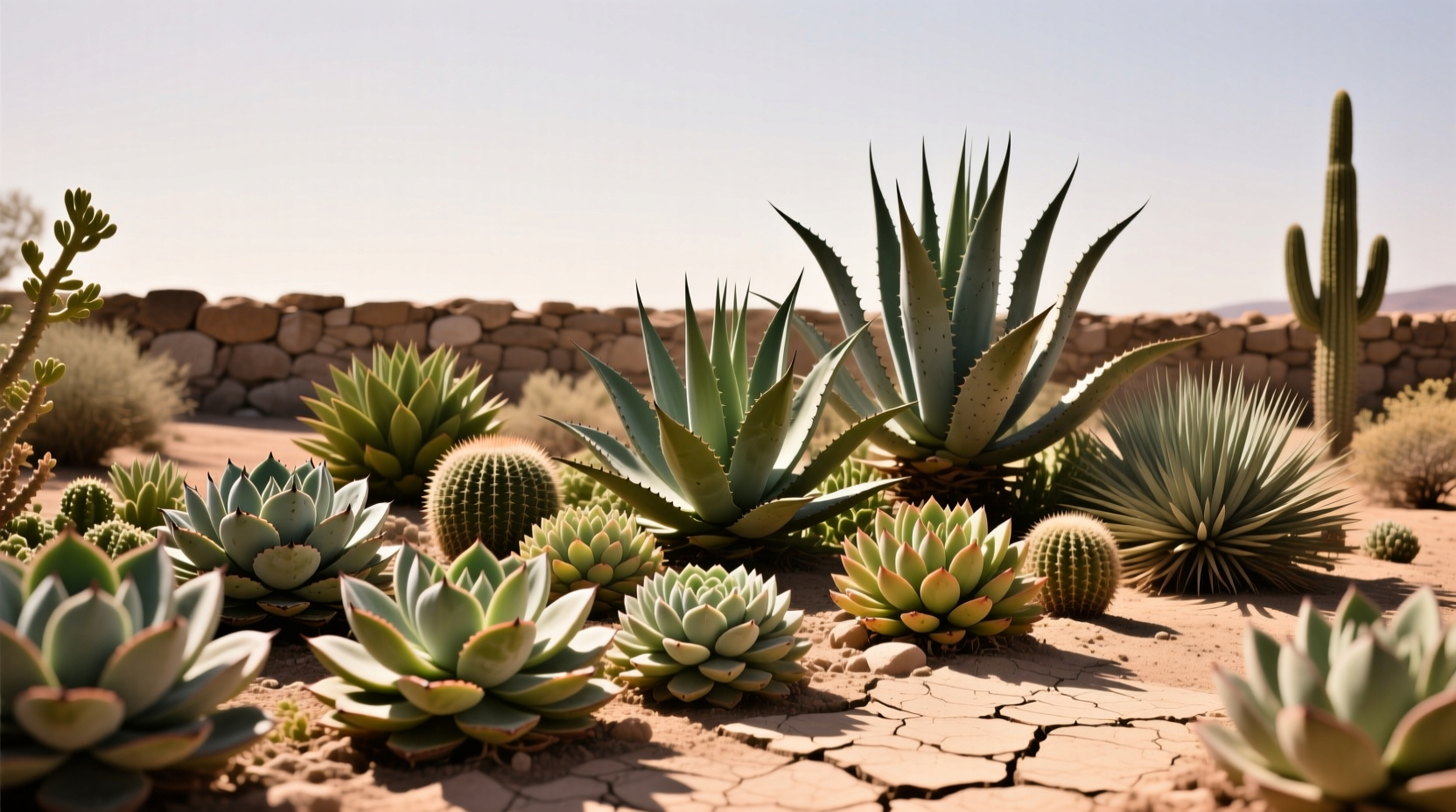
You have probably seen these striking rosettes in architectural landscaping, but they are way more than just a pretty face. Agaves are built like tanks. They store water right inside their thick, fleshy leaves, allowing them to go months without a single drop from the hose.
- Parry’s Agave: A gorgeous blue-grey choice that looks like a giant, stylized rose.
- Queen Victoria Agave: Features tight, geometric patterns with distinct white markings.
Once these get established in your soil, you can pretty much forget about watering them entirely. They actually prefer to be left alone, making them perfect for busy homeowners or anyone who lacks a green thumb. Just make sure their soil drains well because soggy roots are their only weakness.
Coneflowers: Bursting with Color and Zero Drama
Who says a drought-tolerant garden has to be boring and colorless. Purple Coneflowers, or Echinacea, are absolute champions when the temperature spikes. They love baking in the full sun and will keep pumping out bright blossoms from mid-summer straight into the autumn chilly days.
These rugged beauties have a deep taproot that acts like an anchor, pulling up hydration from deep underground. Bees and pollinators absolutely adore them, which is a huge bonus for your local ecosystem. Plus, if you leave the dried seed heads alone in the winter, local birds will have a fantastic natural snack.
Blanket Flower: The Bright Firecrackers of Summer
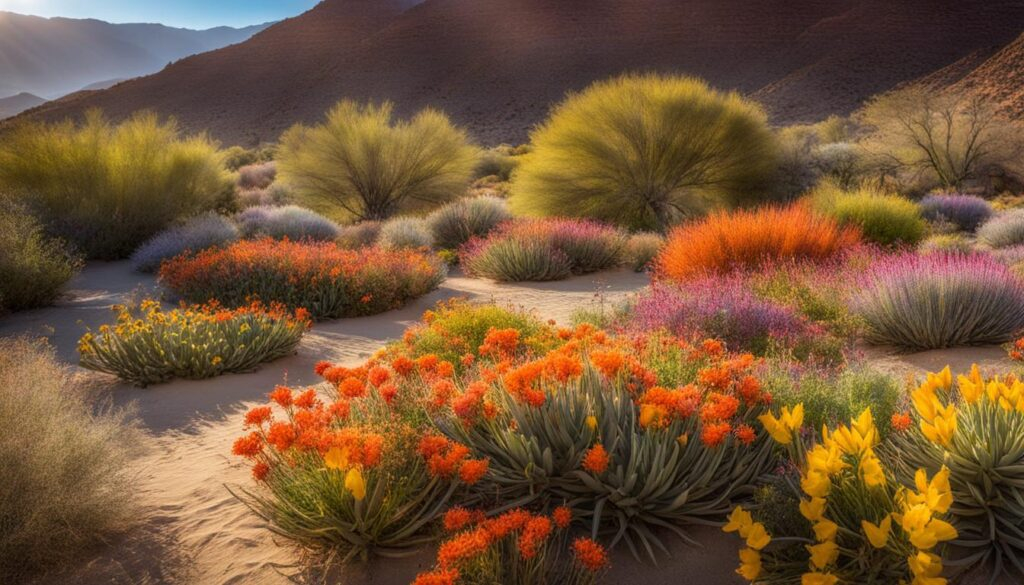
If you want a splash of intense color, Gaillardia is the answer. These short, daisy-like blossoms look like miniature sunsets with their bright rings of red, orange, and yellow. They absolutely thrive in poor, sandy soil where other things would instantly wither and die.
The coolest thing about Blanket Flowers is how much they love the heat. The hotter it gets, the happier they seem to be. They require almost zero maintenance and will continue blooming for months on end with only occasional rainfall to keep them going.
Yucca: The Sharp and Modern Survivors
Yuccas bring a really cool, architectural vibe to any outdoor space. With their long, sword-like leaves and tall stalks of creamy white flowers, they demand attention without demanding any of your time. They are incredibly resilient against harsh winds and intense sunlight.
- Adam’s Needle: Features filament-like threads curling off the leaves, giving it a unique texture.
- Banana Yucca: Produces large, edible seed pods and can handle extreme temperature shifts.
Because their leaves have a thick, waxy coating, they lose very little moisture to evaporation. You can plant them in the sunniest, driest corner of your yard and watch them flourish while doing absolutely nothing.
Prickly Pear: The Ultimate Water Savers
You can’t talk about heat-loving flora without mentioning the classic Opuntia. These iconic pads are built to handle the harshest environments imaginable. They turn sunshine into energy and store water so efficiently that they can handle historic dry spells without flinching.
In the late spring and early summer, they erupt with gorgeous, satiny flowers in shades of yellow, pink, or vibrant orange. These turn into sweet, colorful fruits that both humans and wildlife can enjoy. They are perfect for rock gardens or lining a sunny driveway walkway.
Switching over to a low-water landscape doesn’t mean you have to rip out everything overnight. You can start small by converting one sunny bed at a time. The most important thing to remember is that even the toughest plants need a little water during their very first year to help their roots grow deep.
When you plant them, add a good layer of mulch around the base. This helps keep the soil cool and locks