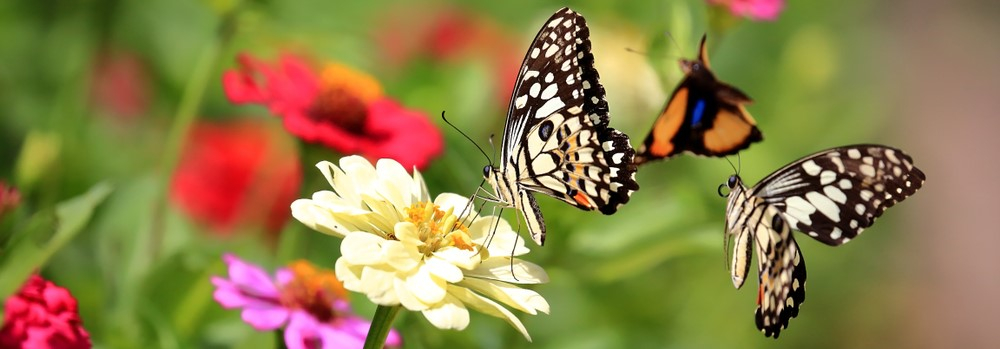

Have you noticed fewer bright wings fluttering through your yard lately. It is no secret that our favorite winged travelers, especially the beautiful monarch, are having a tough time finding places to rest. Urban sprawl has paved over their natural pit stops, but you can change that right in your own backyard this spring without turning gardening into a full-time job.
Creating a pocket-sized sanctuary—often called a waystation—is all about giving butterflies a spot to grab a snack, drink some water, and lay their eggs. The best part? You do not need an acre of land or hours of free time every weekend to make a massive difference. Let us look at how to build a gorgeous, self-sustaining stopover that practically takes care of itself.
1. Pick the Perfect Sunny Spot
Butterflies are cold-blooded creatures, which means they need the sun to warm up their wings for flight. When you are looking around your yard this spring, try to find an area that gets at least six hours of direct sunlight every day. It doesn’t matter if it is a corner of your lawn or a few large pots on a bright balcony.
You also want to think about the wind. Imagine trying to eat lunch while standing in a hurricane—not very fun, right? Butterflies feel the same way. Placing your waystation near a fence, a wall, or some sturdy shrubs gives them a needed break from harsh gusts so they can rest and feed in peace.
2. The Mighty Power of Native Plants
If you want to keep things truly low maintenance, native plants are your secret weapon. These are flowers that have grown naturally in your area for thousands of years. Because they belong here, they are already adapted to your local soil and weather patterns. You won’t have to baby them with constant watering or expensive fertilizers.
When you go to the local nursery, skip the fussy exotic flowers. Instead, look for local favorites like purple coneflowers, black-eyed Susans, and blazing star. These hardy choices will thrive on their own, coming back year after year while serving up a massive buffet of sugary nectar.
3. Milkweed is Essential for Monarchs
You cannot talk about a butterfly waystation without mentioning milkweed. For monarch butterflies, milkweed is not just a food choice; it is the only plant where they will lay their eggs, and it is the exclusive food their caterpillars can eat. To make your space an official official stopover, aiming for at least two types of milkweed is a great rule of thumb.
Common milkweed, swamp milkweed, and butterfly weed are fantastic options that require very little effort once established. Just be sure to plant them and let them do their thing. Yes, the caterpillars will munch the leaves down to the stems, but don’t panic. That means your garden is doing exactly what it is supposed to do.
4. Stagger Your Bloom Times
Imagine opening a restaurant that is only open for one week in June. You probably would not get many regular customers. Butterflies need food from the early days of spring all the way through the chilly autumn months when they start their long migration journeys.
To keep your waystation busy without constantly replanting, choose a mix of perennials that flower at different times. Pair early spring bloomers with mid-summer beauties, and throw in some late-season choices like asters or goldenrod. This ensures a steady food supply all season long while keeping your yard looking colorful for months.
5. Add a Simple Puddling Spot
Butterflies cannot drink from deep water features or birdbaths because they risk drowning. Instead, they get their hydration and essential minerals from damp soil or mud, a behavior known as "puddling."
You can make a DIY puddling station in about two minutes. Just take a shallow dish or pie pan, fill it with sand or coarse gravel, and add a few flat stones for landing pads. Keep the sand damp, not flooded. If you place it near your flowers, you will soon see groups of butterflies hanging out together taking a drink.
6. Keep the Maintenance Relaxed
The biggest secret to a low-stress butterfly garden is learning to embrace a little bit of mess. Avoid the temptation to use bug sprays or chemical fertilizers, as these can easily harm the very creatures you are trying to invite over.
When autumn rolls around, resist the urge to clean up every dead leaf and stalk. Leaving the old plant debris over the winter provides a safe place for chrysalises and beneficial bugs to hide until the weather warms up again. A fresh layer of mulch in the spring will help hold moisture and keep weeds away, saving you tons of backyard chores.
Building a butterfly waystation is one of the most rewarding projects you can tackle this spring. By focusing on native plants, adding essential milkweed, and providing a tiny bit of water, you create an eco-friendly oasis that helps local wildlife thrive.
It is a beautiful reminder that we do not have to fix the whole world at once. Sometimes, simply transforming a small corner of our own outdoor space is the perfect place to start. Grab a trowel, plant a few seeds, and get ready to watch the magic fly into your yard.