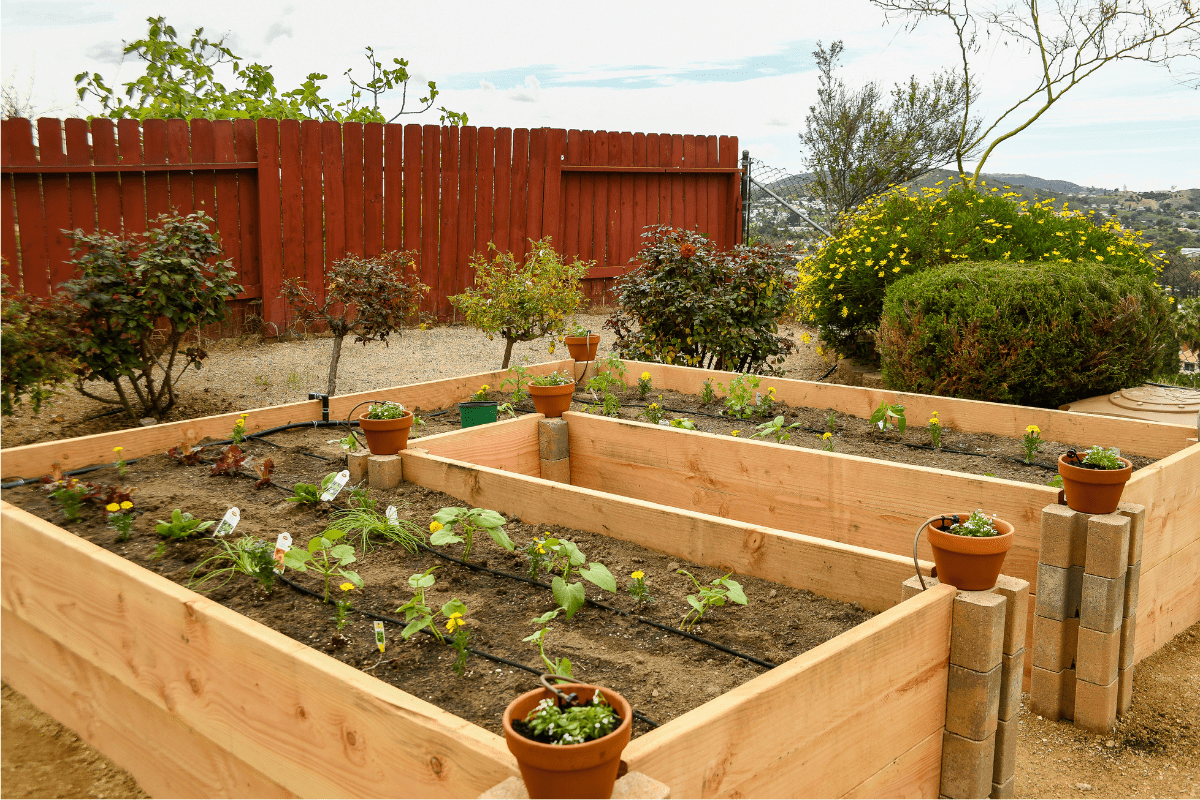

We’ve all been there. You scroll through Instagram or Pinterest, drooling over those perfectly manicured backyard oases. The wood is rich and dark, the lines are crisp, and the whole setup screams "professional landscape architect." Then you look at your own patch of dirt, maybe a bit uneven, definitely not Instagram-ready, and you sigh. It feels like you need a second mortgage just to get started. But here’s the secret nobody tells you: that high-end look isn’t about spending thousands. It’s about perception. It’s about knowing which materials punch above their weight class and how to arrange them so they look intentional, not improvised.
In 2026, the cost of lumber has stabilized somewhat, but it’s still enough to make your wallet cry if you’re not careful. Yet, the desire for homegrown food and beautiful outdoor spaces is higher than ever. People are getting smarter about it. They aren’t just buying the most expensive cedar planks; they are hacking the system. They are using concrete blocks, repurposed metal, and even fabric grow bags in ways that trick the eye into seeing luxury. You don’t need a massive budget to create a space that feels curated and calm. You just need a little creativity and the willingness to get your hands dirty.
Let’s be real for a second. Gardening should be joyful, not stressful. If the upfront cost of building a bed stops you from planting that first tomato seedling, then the system is broken. This guide isn’t about cutting corners until things fall apart. It’s about finding those sweet spots where affordability meets aesthetics. We are talking about beds that last, look great, and don’t require a loan to build. Whether you have a tiny balcony or a sprawling backyard, there is a way to make it look expensive without the price tag. Ready to dig in?
The Cinder Block Secret
Cinder blocks, or concrete masonry units (CMUs), are the unsung heroes of the budget gardening world. For years, people thought of them as ugly, industrial leftovers from construction sites. But in 2026, the minimalist and industrial design trends have fully embraced them. A single block costs around two to three dollars at most home improvement centers. That is insanely cheap. But the magic isn’t just in the price; it’s in the versatility. You can stack them dry, meaning no mortar needed, which makes them perfect for beginners who don’t want to mess with mixing cement.
The trick to making cinder blocks look high-end is uniformity and planting. Don’t just pile them up haphazardly. Stack them neatly, ensuring the corners are square. The clean, geometric lines mimic the look of expensive modern stone walls. Once they are stacked, you have immediate planting opportunities. The hollow cores of the blocks are perfect for growing herbs like thyme, oregano, or even small flowers like marigolds. This softens the hard edges of the concrete and adds a layer of greenery that makes the structure feel integrated into the garden rather than just sitting on top of it.
If the gray color feels too cold for your taste, you can paint them. A simple coat of exterior-grade paint in a matte black, deep charcoal, or even a warm terracotta can transform the look entirely. Matte black blocks with vibrant green lettuce spilling over the sides? That looks like something out of a high-end design magazine. Just make sure to seal the paint if you are worried about leaching, though most modern exterior paints are safe once cured. The key is to keep the lines clean and the plants lush. It’s a low-effort, high-reward strategy that saves you hundreds compared to buying pre-fabricated stone beds.
Metal Beds Without the Industrial Chill
Metal raised beds have surged in popularity recently, and for good reason. They are durable, sleek, and often come in kits that are surprisingly affordable. In March 2026, retailers like Walmart started offering large-scale silver metal garden kits that are absolute steals for the size you get. However, some people worry that metal looks too industrial or cold. They fear their garden will look like a factory floor. But there are ways to warm up the aesthetic without spending extra cash.
First, consider the finish. While galvanized steel is common and practical, you can find powder-coated options in earth tones like olive green, bronze, or even rust-colored finishes that blend beautifully with natural surroundings. If you already have a plain silver kit, you can use plants to soften the look. Trailing plants are your best friend here. Sweet potato vines, creeping jenny, or even trailing nasturtiums can cascade over the sharp metal edges, creating a soft, organic frame that hides the "industrial" feel. The contrast between the hard metal and the soft foliage is actually quite chic and modern.
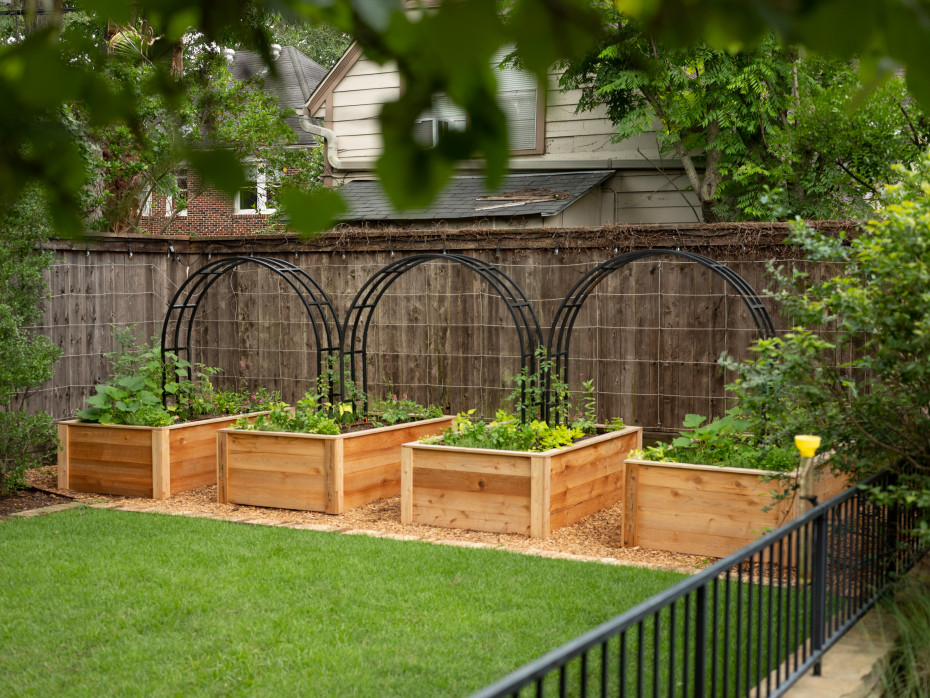
Another tip is to group them. A single metal box might look a bit lonely or utilitarian. But arranging two or three in a staggered formation creates a sense of purpose and design intent. It looks like a planned landscape feature. You can also mix materials. Use a metal bed for your main vegetable plot but surround the base with mulch or gravel to define the space. This grounding effect helps the metal feel like part of the earth rather than an object placed upon it. And let’s not forget the longevity. Metal doesn’t rot like wood, so while the upfront cost might be slightly higher than scrap wood, the lifespan is decades longer. That is value for money.
The Charm of Repurposed Wood
Wood is the classic choice for raised beds, but new cedar or redwood is pricey. Sticker shock is real. But that doesn’t mean you have to give up on the warmth and traditional beauty of wood. The secret lies in sourcing. Look for reclaimed wood from old fences, pallets, or even demolition sites. Many people are happy to give away old wooden pallets for free if you pick them up. Just be careful to check for stamps that indicate the wood hasn’t been treated with harmful chemicals. Look for "HT" (Heat Treated) rather than "MB" (Methyl Bromide).
Once you have your wood, the transformation happens in the prep work. Sanding down rough edges and applying a natural oil or a simple stain can make reclaimed wood look intentional and cared for. A unified color tone across different pieces of wood helps tie the look together. If you have mismatched planks, painting them all the same dark color—like a deep navy or forest green—can create a cohesive, custom-built appearance. This technique hides the imperfections of reclaimed wood and gives it a sophisticated, painted-furniture vibe.
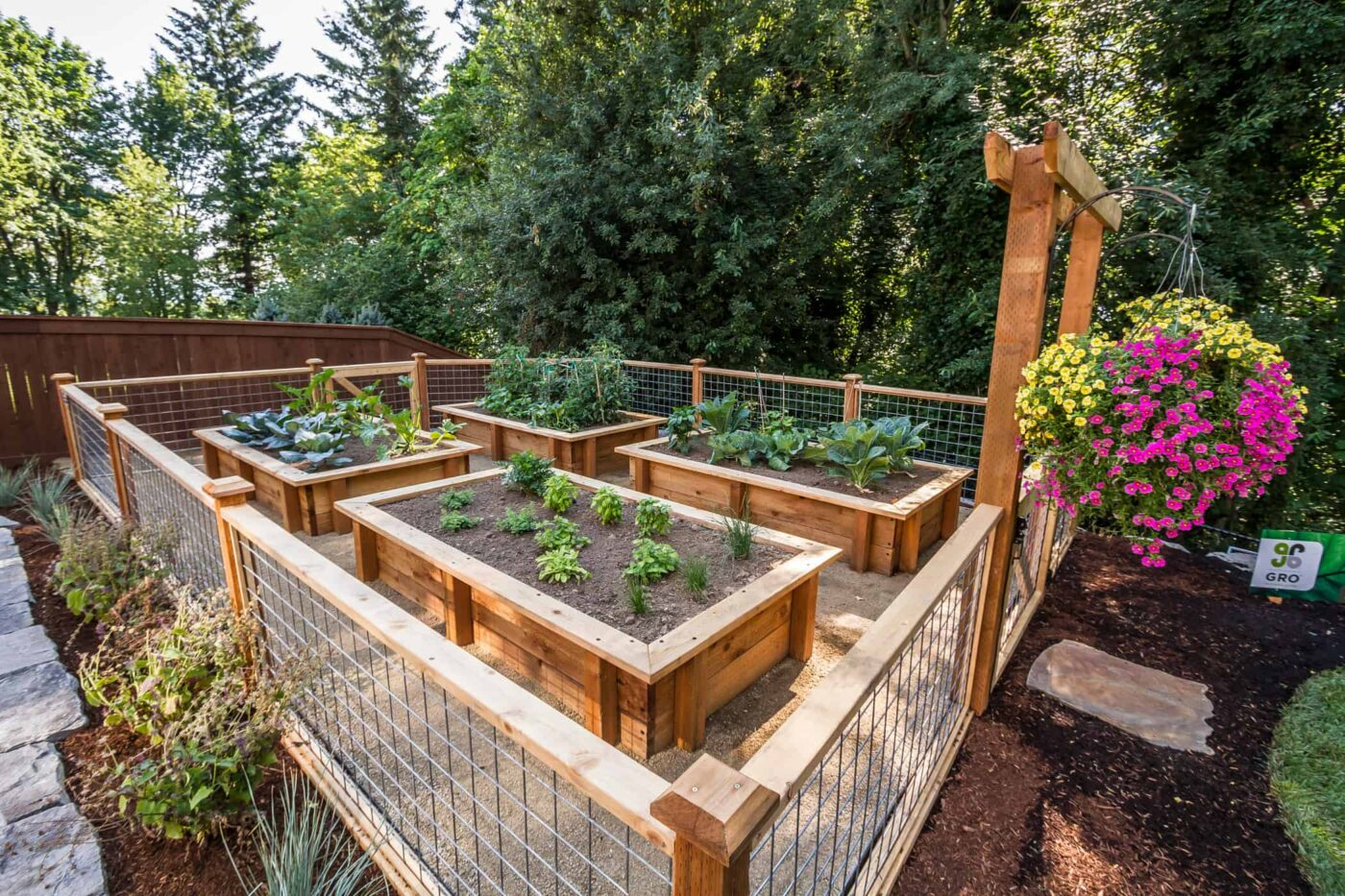
Don’t overlook the power of corner posts. Using sturdy 4×4 posts at the corners of your bed adds structural integrity and a visual anchor. It makes the bed look substantial and well-built. You can even extend these posts upwards to create a trellis for climbing beans or peas. This vertical element draws the eye up and adds another layer of design complexity without much extra cost. The goal is to make it look like you planned every detail, even if you sourced the materials from a curbside pickup. It’s about effort, not expense.
Fabric Grow Bags Disguised
Fabric grow bags are incredibly popular because they are cheap, portable, and great for plant health due to air pruning of roots. But let’s face it: a black fabric pot doesn’t exactly scream "luxury garden." They can look a bit messy or temporary. However, with a little creative casing, you can elevate them significantly. The idea is to hide the fabric inside a more attractive outer shell. You don’t need to buy expensive planters. You can build simple wooden frames or use wicker baskets that you find at thrift stores.
Imagine a sturdy, woven wicker basket from a garage sale. Line it with a heavy-duty fabric grow bag. Suddenly, you have a textured, natural-looking planter that breathes well and drains perfectly. The wicker provides the aesthetic appeal of a high-end container, while the fabric liner ensures your plants thrive. This works especially well for herbs and smaller vegetables on patios or decks. It brings a cottage-core charm that feels cozy and inviting. You can group several of these together for a lush, layered look.
Another option is to build a simple wooden skirt around a standard large grow bag. Use inexpensive pine slats to create a cylinder or square box that sits around the bag. The bag holds the soil and water, while the wood provides the visual structure. Paint the wood to match your house trim or deck furniture for a coordinated look. This hybrid approach gives you the best of both worlds: the affordability and root health benefits of fabric, and the polished look of a constructed bed. It’s a clever hack that few people talk about, but it works wonders for small spaces.
Upcycled Containers with Style
Sometimes the best raised beds are the ones you already have. Old wheelbarrows, metal troughs, and even discarded bathtubs can become stunning garden features. The key is to treat them as design elements, not just containers. An old metal wheelbarrow, painted a bright, cheerful yellow or a sleek matte black, becomes a focal point. Fill it with fragrant flowers or trailing herbs, and place it strategically near a seating area. It adds instant appeal and a touch of whimsy to your backyard.
Metal tables are another unexpected candidate. An old patio table with a glass top missing? Remove the remaining frame and use the base to support a shallow planter box. Or, if the table surface is solid, build a small border on top and fill it with succulents or moss. This creates an elevated garden bed that is easy to tend to because you don’t have to bend over. It’s functional accessibility meets quirky design. In 2026, upcycling is not just about saving money; it’s about sustainability and unique style. No one else will have a garden bed quite like yours.
When using upcycled items, drainage is crucial. Make sure you drill holes in the bottom if they aren’t there already. And think about placement. A rustic washtub filled with lavender looks charming next to a wooden fence. A vintage crate lined with plastic and filled with strawberries looks adorable on a porch step. The imperfection of these items is their strength. They tell a story. They show that you care about resourcefulness and creativity. That authenticity is what makes a garden feel truly special and high-end in a personal way.
Even the cheapest materials can look expensive if you pay attention to the details. One of the biggest mistakes people make is ignoring the edges. A clean edge between your raised bed and the lawn or path makes all the difference. Use a simple spade to cut a crisp line. Add a layer of mulch around the base of the bed to suppress weeds and create a finished look. Black mulch against green plants and wood or metal beds creates a high-contrast, professional appearance. It frames the bed and makes the colors pop.
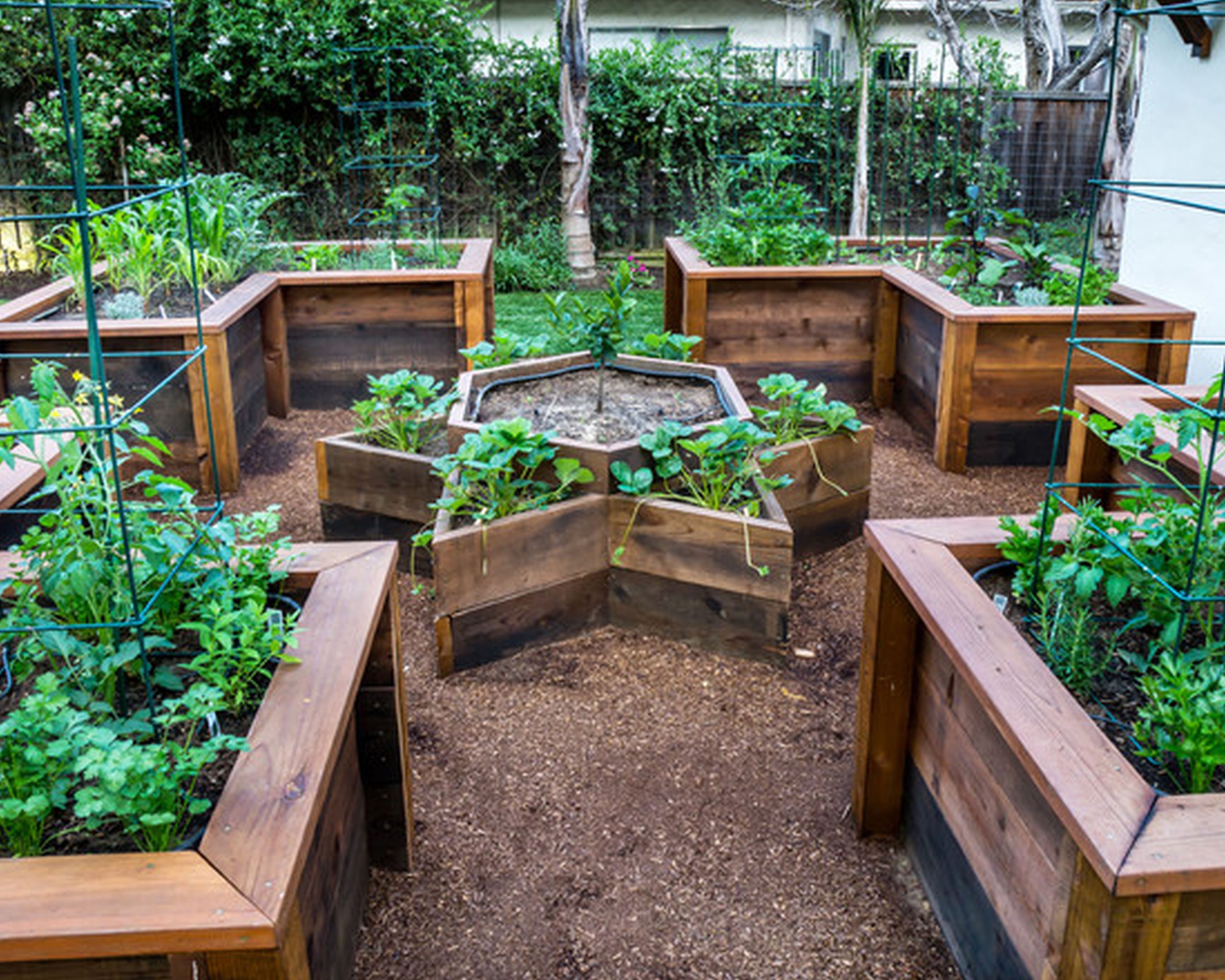
Lighting is another underrated tool. You don’t need an electrician. Simple solar-powered stake lights placed around the perimeter of your raised beds can highlight them at night. This extends the enjoyment of your garden into the evening and adds a magical, curated feel. It shows that you thought about the space at all hours. Additionally, consider the layout. Grouping beds in odd numbers (three or five) is visually more pleasing than even numbers. Create pathways between them using gravel or stepping stones to define the space and make it feel like a deliberate garden room.
Finally, keep it tidy. A high-end look requires maintenance. Pull weeds regularly. Trim back overgrown plants. Keep the surfaces of your beds clean. A little bit of ongoing care goes a long way in maintaining that polished appearance. It’s not about perfection, but about intention. When your garden looks cared for, it looks valuable. And remember, the best gardens are those that reflect your personality. Don’t be afraid to mix and match these ideas. Combine cinder blocks with wood accents. Put a metal bed next to a repurposed wheelbarrow. Make it yours.
Creating a beautiful garden doesn’t require a blank check. It requires vision, a bit of elbow grease, and the confidence to try something different. By choosing materials like cinder blocks, repurposed wood, and metal kits, and by paying attention to design details like edging and lighting, you can create a space that feels luxurious and inviting. The plants will thrive, and so will your sense of accomplishment. So go ahead, start small, and build something beautiful. Your future self, harvesting fresh basil on a sunny afternoon, will thank you.