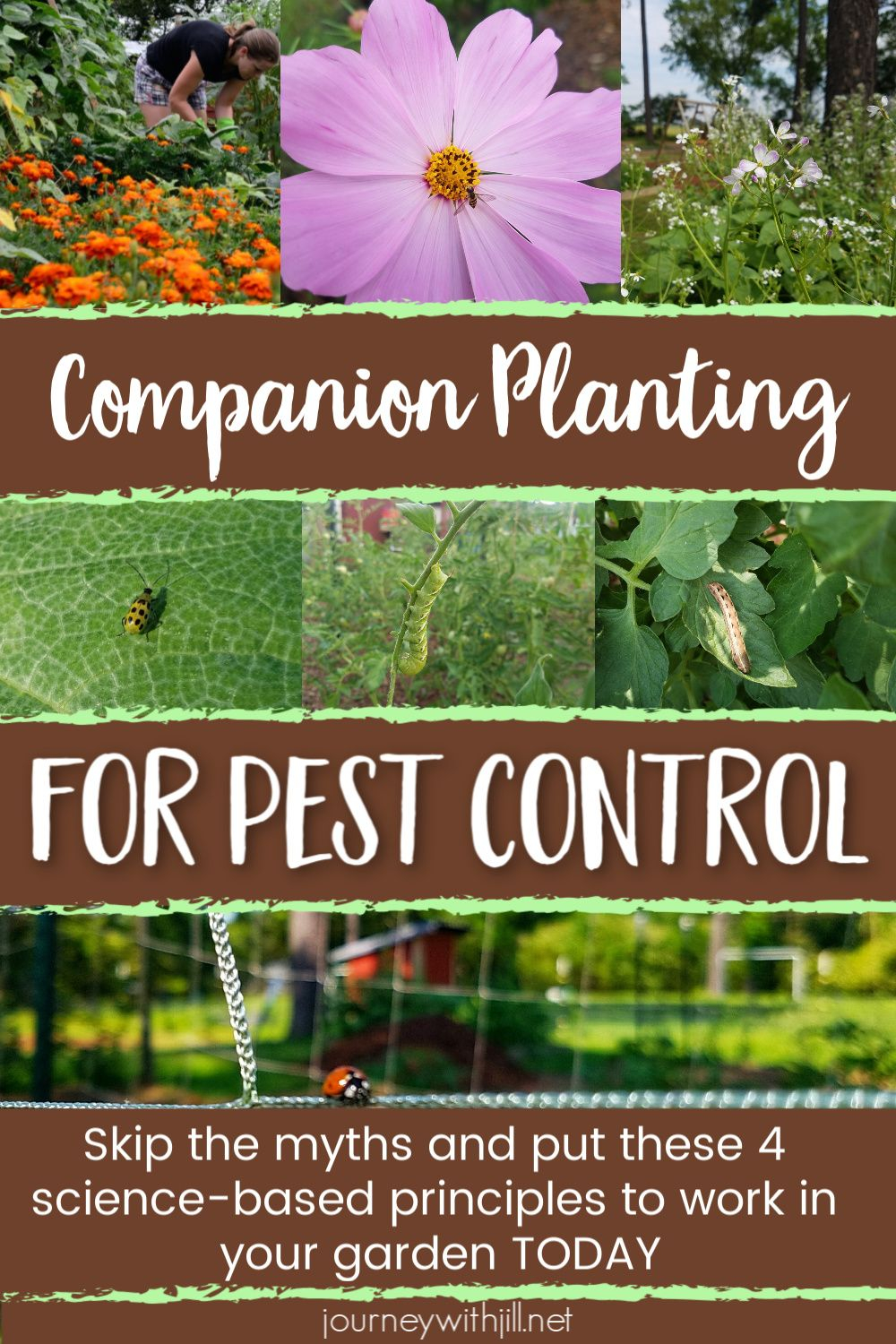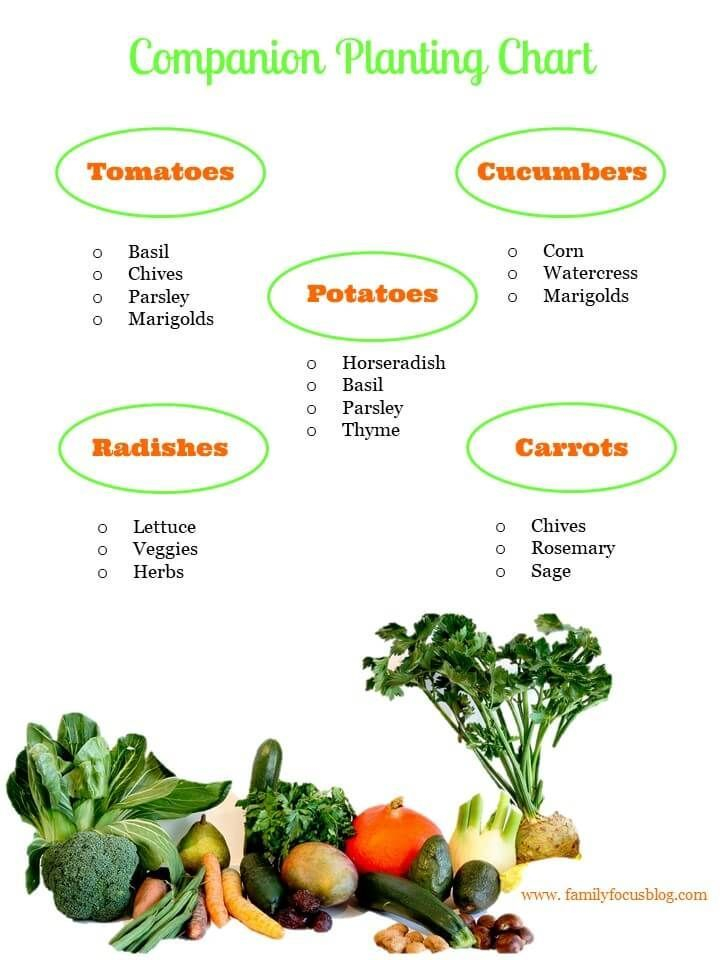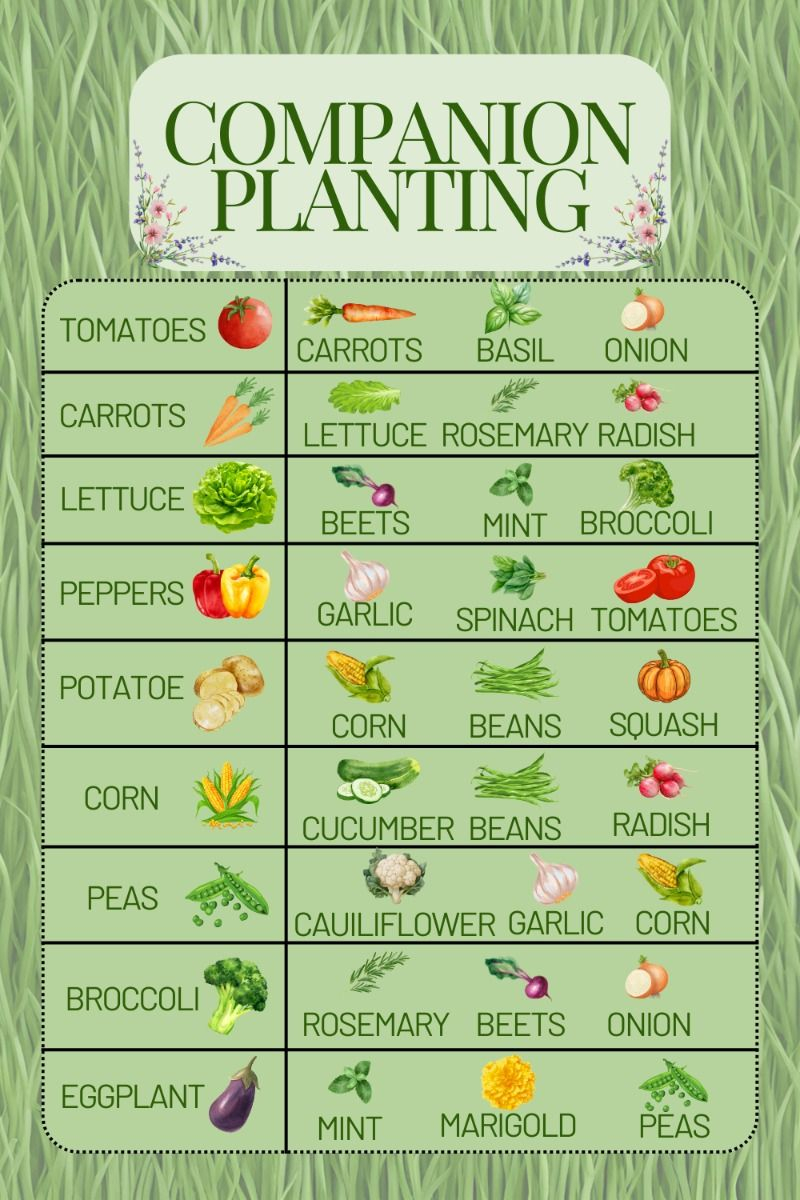

There is a distinct ritualistic comfort in purchasing your first seed packets, clearing off the kitchen table, and laying out a glossy, color-coded planting chart. It feels like an architectural blueprint for abundance. You trace your finger down the columns, matching the frost dates of your zip code to rows of carrots, tomatoes, and kale. The math feels absolute. The grid promises that if you drop a seed into the dirt on a precise Tuesday in April, nature will reward your obedience with a bounty by August.
Yet, any farmer who has spent a decade battling clay-heavy soil, sudden late-spring freezes, and armies of flea beetles looks at standard planting charts with a knowing, weary smile. They know that these charts are not laws of physics; they are generalized averages derived from historical weather data that rarely matches the microclimate of your specific backyard. The chart tells you when to plant based on macro-trends, but it tells you nothing about the temperature three inches below your mulch, the density of your compaction layer, or the stubborn shadow cast by your neighbor’s garage.
Stepping into gardening armed only with a standard planting calendar is much like learning to navigate a dense wilderness using a map drawn fifty years ago. The rivers have shifted, the valleys have eroded, and new pathways have formed. Bridging the gap between the clean lines of a printed chart and the messy reality of living soil is the rite of passage every grower must undergo. Understanding what lies beneath the rows and columns changes the entire trajectory of a harvest.
The seduction of the planting chart lies in its simplicity. We live in an era where data is commodified and packaged for instant consumption, and gardening has not escaped this impulse. The modern beginner expects predictability. They want an app or a laminated sheet to tell them the exact week to sow spinach. But agriculture is inherently biological, local, and erratic. The USDA hardiness zone map, which forms the backbone of almost every planting guide, was recently updated to reflect shifting thermal realities, yet even these granular updates miss the nuances of urban heat islands, wind tunnels, and moisture retention rates that vary wildly from one side of a suburban fence to the other.
The Tyranny of Averages and Why Your Zip Code Lies to You
Planting charts are built on averages—specifically, the probability of a 50% chance of a spring frost by a certain date. An average, by definition, implies that half the time it will happen earlier, and half the time it will happen later. When a beginner treats the average last frost date as an ironclad guarantee, disaster often strikes in the form of a rogue mid-May freeze that turns tender pepper transplants into translucent mush. Master growers understand that the calendar date is merely a starting hypothesis, not an execution order.
Microclimates shatter the illusion of regional uniformity. Your yard is not a monolith. A garden bed nestled against a south-facing brick wall absorbs thermal mass during the day and radiates it back at night, creating a micro-environment that might be a full USDA zone warmer than the cold, low-lying corner at the bottom of your lawn just twenty feet away. Standard charts cannot account for these quirks. They assume flat, uniform topography, standard soil composition, and predictable atmospheric conditions that rarely exist in the wild.
Relying blindly on regional charts also ignores the biological clock of the soil itself. A calendar might say that soil-sowing season begins on April 1st, but if persistent spring rains have saturated your garden bed, the earth is a cold, anaerobic sponge. Dropping seeds into cold, wet mud invites rot rather than germination. Experienced growers do not consult their wristwatches or calendars to determine if the soil is ready; they drop their hands into the dirt.
Temperature trumps calendar dates every single time. Crops like corn and beans will sit dormant and eventually rot if planted when soil temperatures are below fifty degrees Fahrenheit, regardless of what the March calendar dictates. Conversely, cool-season crops like spinach and lettuce will bolt prematurely if delayed until the late-spring calendar slots suggest, driven to bitter flower production by lengthening daylight and rising ambient temperatures.
Reading the Earth Instead of the Calendar
Transitioning from a chart-dependent beginner to an intuitive grower requires learning a new sensory vocabulary. Soil temperature is your most reliable compass, easily measured with a digital meat thermometer plunged four inches deep into the garden bed at ten o’clock in the morning. When the mercury hits sixty degrees, your warm-weather crops have the green light. Before that, you are simply gambling with seed viability.
Observation of native flora provides another ancient, highly accurate planting metric that charts frequently miss. Indigenous agricultural traditions and historical homesteaders rarely relied on numeric calendars; they watched the natural world. When forsythia bursts into yellow bloom, it signals the time to plant peas and spinach. When the native dogwood trees drop their petals, the soil has warmed enough for tomatoes and squash. These biological indicators synchronize with seasonal shifts far more accurately than a human-made grid printed in a seed catalog.
Moisture dynamics are another critical variable absent from flat charts. A planting chart tells you to sow seeds at a half-inch depth, but it assumes optimal moisture. If your soil is sandy and drains like a sieve, a shallowly planted seed will bake and die in the afternoon sun before it can crack its hull. If your soil is heavy clay, that same half-inch depth might trap the seed beneath a crust as hard as fired ceramic after a heavy rain shower.
Soil texture dictates depth, spacing, and timing adjustments that no generic chart can anticipate. Experienced growers modify standard instructions based on the tactile feedback of their earth. They know whether their soil crumbles like chocolate cake or smears like wet pottery clay, adjusting their planting techniques to compensate for drainage rates and aeration deficiencies long before the first seed hits the furrow.
Step-by-Step Practical Implementation Guide
- Step 1 (Map Your Microclimates): Walk your property at different times of the day to identify sun traps, wind corridors, frost pockets, and areas shaded by structures or mature trees, marking these zones mentally or on a rough sketch before consulting any seed chart.
- Step 2 (Audit Your Soil Temperature): Purchase a simple soil thermometer and track ground temperatures for at least five consecutive days at a four-inch depth to establish a baseline before sowing temperature-sensitive crops.
- Step 3 (Cross-Reference Multiple Data Sources): Compare national planting calendars against local agricultural extension office frost charts, master gardener group logs, and historical weather data for your specific municipality to find the narrowest, most accurate planting window.
- Step 4 (Conduct the Squeeze Test): Grab a handful of garden soil, dampen it slightly, and squeeze it into a ball; if it shatters easily under gentle pressure, your soil structure is ready for planting, but if it remains a slick, dense clump, wait for it to dry out further.
- Step 5 (Stagger Your Sowings): Ignore the urge to plant an entire packet of seeds at once based on a single chart entry; instead, plant small succession batches every ten to fourteen days to extend your harvest and hedge against sudden weather anomalies.
Common Pitfalls and Field-Tested Workarounds
- Pitfall 1 (Trusting the Frost Date Blindly): Beginners often plant tender crops the exact day after the average last frost, only to lose them to a late freeze. Practitioner Workaround: Always keep floating row covers (spunbond polyester) and weighted hoops on hand, or delay planting your most sensitive crops by ten to fourteen days past the statistical average for absolute safety.
- Pitfall 2 (Ignoring Seed-to-Soil Contact): Merely dropping seeds into a trench and loosely covering them leads to poor germination rates. Practitioner Workaround: Use the back of a rake or your hands to gently firm the soil over planted seeds to ensure adequate capillary moisture transfer from the surrounding earth.
- Pitfall 3 (Planting by Grid Spacing Over Vigor): Planting charts dictate exact square-foot measurements, but they assume uniform plant health. Practitioner Workaround: Thin seedlings aggressively based on actual vigor and leaf canopy overlap rather than blindly keeping every sprout that emerges within a measured square.
- Pitfall 4 (Neglecting Soil Compaction Realities): Sowing seeds into unamended, compacted earth because the calendar says it is time. Practitioner Workaround: Broadfork or loosen planting beds deeply without inverting soil layers to allow root penetration before dropping seeds into the earth.
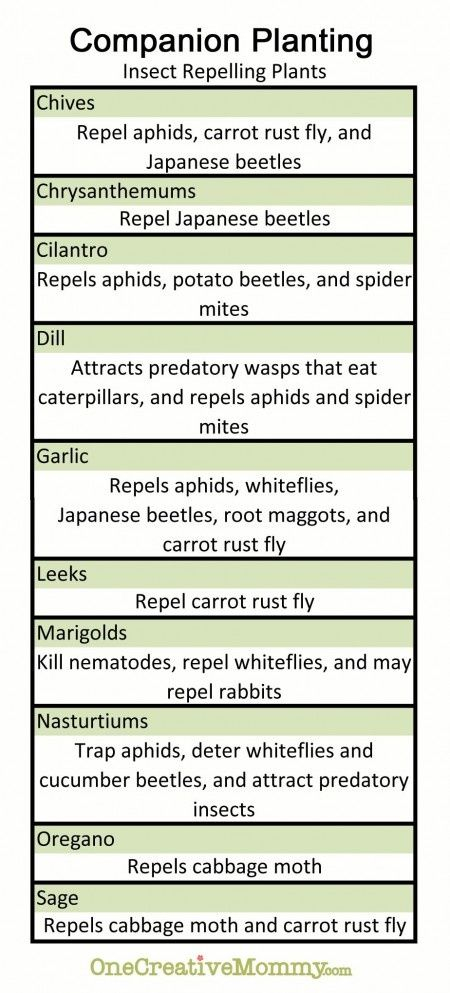
- Pitfall 5 (Treating Companion Planting as Dogma): Relying on charts that promise certain pairings will magically eliminate all pests without addressing overall garden ecology. Practitioner Workaround: Focus first on building robust soil microbiology and diverse pollinator habitats; treat companion planting as a secondary bonus rather than a primary defense strategy.
The Broader Ecological Realities Missing from Flat Grids
When you look at a commercial seed packet or a standard regional planting chart, you are viewing agriculture through an industrial, reductionist lens. These charts treat the garden as a machine made of interchangeable parts: input seed, apply water, harvest crop. Yet real gardens are complex ecosystems where fungi, bacteria, insects, birds, and weather patterns intersect in ways that defy human tabulation.
Modern regenerative agriculture has taught us that soil health is deeply tied to living roots remaining in the ground year-round and minimal physical disruption. Traditional planting charts often encourage a frantic cycle of clearing beds bare, tilling the earth into a fine dust, and planting everything in rigid rows. This intensive tilling destroys fungal mycorrhizal networks that help plants absorb water and nutrients far more efficiently than any synthetic fertilizer.
Furthermore, climate volatility has rendered historical averages increasingly unreliable. Weather extremes—ranging from sudden torrential downpours to prolonged atmospheric heat domes—mean that rigid adherence to decades-old frost dates is a recipe for frequent crop failure. Growers must develop resilience and adaptability. They need to learn how to read plant stress signals, utilize shade cloth during unexpected heatwaves, and build organic matter that acts as a sponge during droughts and a filter during floods.
The economic and psychological value of moving beyond the chart is immense. When beginners rely solely on a printed guide, any deviation from the expected outcome feels like a personal failure. They wonder what they did wrong when their broccoli refuses to head or their squash succumbs to vine borers. Once you understand that gardening is an interactive dialogue with your local ecosystem rather than an exercise in following instructions, the inevitable failures transform into data points. You stop seeing a dead plant as an end and start seeing it as a lesson in soil chemistry or pest pressure.
Actionable Recommendations for Cultivating Intuitive Mastery
Developing a sustainable, highly productive garden requires balancing structured planning with radical flexibility. Start your journey by building a detailed garden journal. Do not just record what you planted and when; note the actual daily weather, the condition of the soil when your hands touched it, the exact emergence rate of your seeds, and the moments when pests first appeared.
Invest in high-quality tools that reveal hidden realities. Beyond a soil thermometer, acquire a refractometer to measure plant sap brix levels—a high brix reading indicates optimal photosynthesis and mineral uptake, signaling that your plants are truly thriving rather than merely surviving. Use moisture meters not as crutches, but as training wheels until you can accurately judge soil hydration by weight and color.
Embrace polycultures and succession planting over monoculture block farming. Planting charts love neat blocks of single crops, but nature thrives on diversity. Interplant quick-maturing radishes and lettuce between slow-growing brassicas. Let a few lettuces bolt and flower to feed beneficial predatory wasps and hoverflies. This approach creates a self-healing buffer against pests and diseases that no planting chart can calculate.
Finally, seek out mentors within your immediate geographic radius. Local master gardeners, indigenous growers, and seasoned allotment holders possess generational or localized knowledge that no national publication can replicate. They know which pests are endemic to your specific valley, which tomato varieties laugh off your regional humidity, and exactly how late the autumn frost truly arrives in your micro-neighborhood.
The first planting chart you read will always hold a special place in your gardening journey. It is the document that sparked your ambition, providing the courage to turn over the first shovel of turf and place a seed into the dark. But true mastery begins the moment you fold up that chart, step outside, and pay attention to the subtle whispers of your own land.
Gardening is ultimately an exercise in humility and patience. The soil does not care about your schedule, your enthusiasm, or the neatness of your grid layout. It operates on its own ancient, resilient rhythm. By letting go of the illusion of absolute control and learning to read the language of temperature, moisture, and biological indicators, you shift from being a frustrated follower of rules to an attuned steward of nature.
As you step into the growing season ahead, keep your charts close for inspiration, but keep your eyes closer to the earth. Notice the way the light shifts across your beds in spring. Feel the texture of the soil between your fingers. Listen to the hum of the pollinators visiting early blooms. When you align your hands with the rhythms of your actual backyard rather than the averages of a printed page, your garden will cease to be an experiment in compliance and become a true ecosystem of abundance.