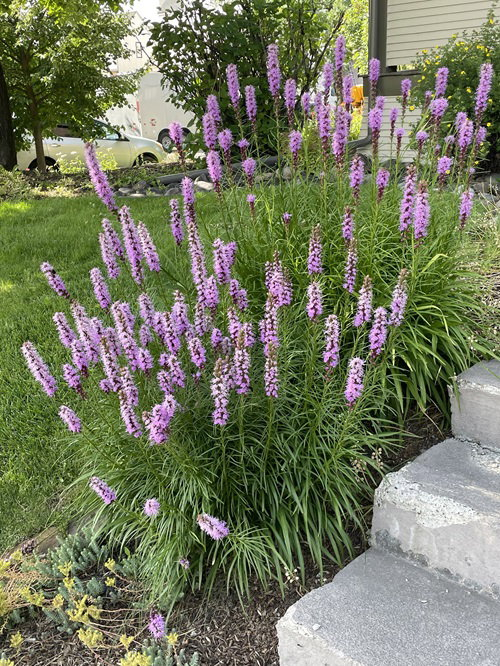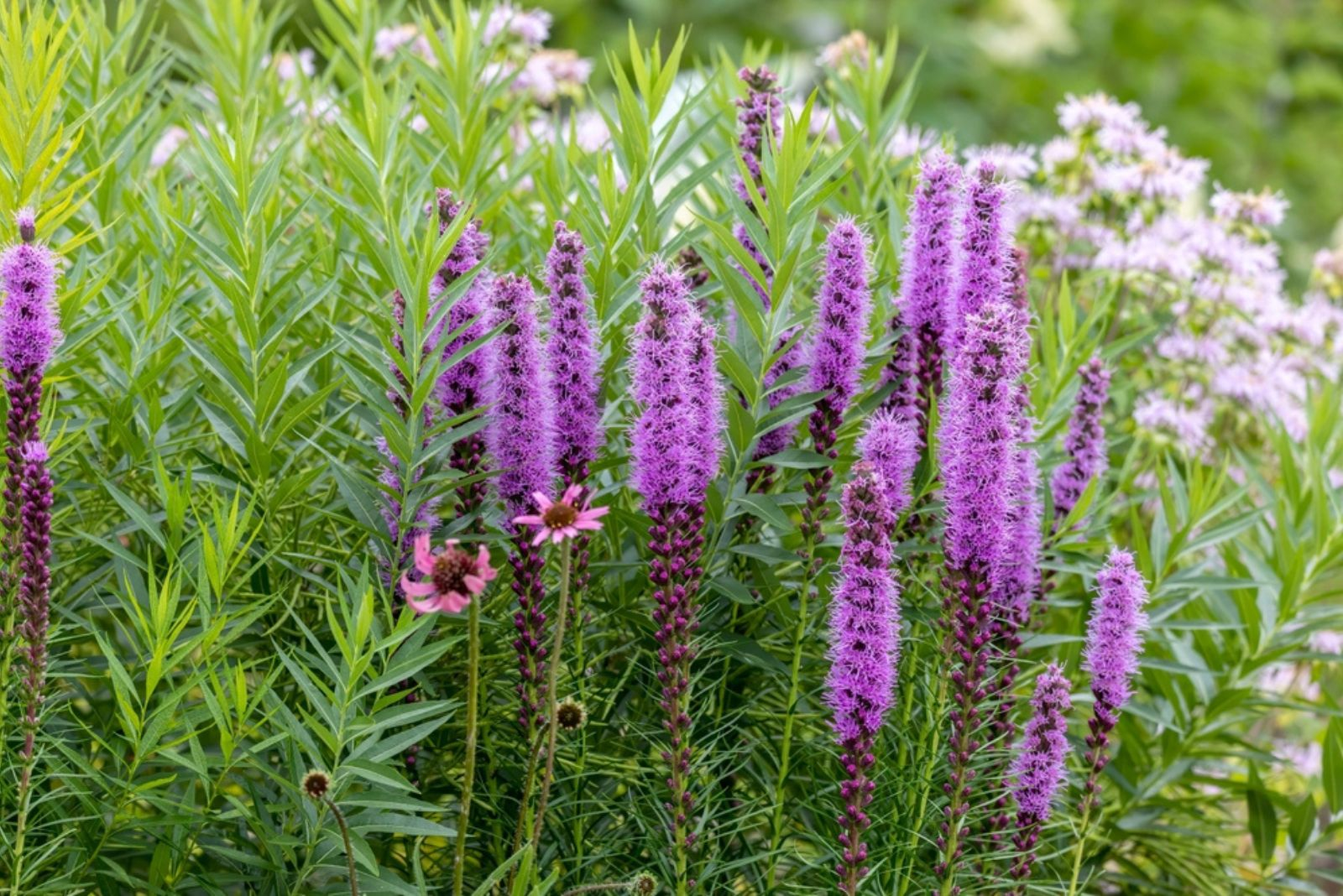

The soil under your fingernails has barely dried from the frantic digging of late April when the first crisis hits: a gaping, emerald-green void where your prized spring tulips used to be. You stand there with a trowel, sweat trickling down your neck in the July heat, staring at a stretch of dirt that suddenly looks less like an English cottage garden and more like an abandoned construction site. It is the perennial heartbreak of the sunny border. We plant for the immediate rush of June, buying up every neon-pink salvia and golden rudbeckia in sight at the local nursery, only to watch the display peak for three frantic weeks before collapsing into a tangled, mildewed heap of spent stems and accidental weeds by August.
Creating a border that maintains visual coherence and high-saturation color from the first breath of April frost to the final crisp snap of October requires abandoning the impulse-buy mentality. Sunlight is an unforgiving editor; it washes out pale pastels and ruthlessly exposes every dead patch, awkward spacing choice, and structural flaw. Achieving an intentional landscape—one that feels curated rather than chaotic—demands an architectural approach to plant selection, an intimate knowledge of bloom cycles, and a willingness to think about your garden as a shifting theatrical stage rather than a static painting.
The historical evolution of the garden border owes its lineage to Gertrude Jekyll and the Arts and Crafts movement of the late nineteenth and early twentieth centuries. Jekyll revolutionized outdoor spaces by treating color not merely as an assortment of pretty blossoms, but as an impressionistic palette where warm tones advanced and cool shades receded, guiding the human eye along a deliberate physical journey. Yet, Jekyll had teams of estate gardeners to deadhead, stake, and swap out fading specimens on a whim. For the modern homeowner managing a property on weekends, achieving that same seamless transition from spring bulbs to summer perennials and finally to autumnal seed heads requires smarter choreography, leveraging plants with multi-season interest, resilient foliage, and structural fortitude.
Anatomy of Sunlight and Soil: The Hidden Architecture of Long-Blooming Borders
Every successful sunny border is anchored long before the first root touches the ground, driven entirely by the invisible chemistry of light duration and soil physics. A true "full sun" exposure means a minimum of six to eight hours of direct, unfiltered solar radiation daily, preferably encompassing the scorching intensity of midday. This immense energy input accelerates plant metabolism, meaning your choices must be tough enough to handle rapid transpiration without wilting into soggy disarray. Soil in sunny exposures tends to bake and dry out far quicker than shaded woodland plots, turning poorly managed loam into concrete blocks by mid-July unless you systematically build up its organic sponge capacity.
Understanding your microclimate is the first step toward intentional design. Radiant heat bouncing off nearby brick walls, stone pathways, or reflective fences can easily push a standard Zone 6 microclimate into a harsh Zone 7 or 8 reality, scorching delicate petals and forcing plants to cycle through their bloom phases at an unsustainable pace. To counteract this, horticulturalists rely on deep tillage combined with heavy organic amendment—incorporating aged leaf mold, well-rotted compost, and coarse horticultural grit to ensure that moisture retention coexists with sharp, unobstructed drainage. Without this baseline foundation, even the most expensive drought-tolerant cultivars will stall out, dropping their lower leaves and looking prematurely exhausted just as summer reaches its peak.
The structure of the border must also account for root competition and sun angles. Low-growing ground covers planted on the southern edge of a deep bed prevent soil moisture evaporation and eliminate glaring expanses of bare dirt, while taller, statuesque back-row perennials act as windbreaks and visual anchors. Sun angles shift dramatically over the course of the growing season; a spot that enjoys unobstructed light in April might find itself completely shaded by an expanding neighbor tree or fence line by September. Mapping these solar migrations prevents you from planting sun-loving coneflowers in a location that inadvertently plunges into semi-shade just when they need energy to set their autumn bud sets.
Choreographing the Seasons: Layering Succession Plantings for Continuous Color
A border that pops in May and fades into obscurity by July suffers from a failure of imagination regarding succession planting. The secret to an intentional display lies in overlapping actors on the stage so that the fading performance of one plant is gracefully masked by the explosive entrance of the next. This is not about randomly stuffing plants together; it is a calculated choreography where spring ephemerals, early summer spikes, mid-summer daisy forms, and late-season architectural seed heads share the exact same square footage of soil without choking each other out.
Spring kicks off the sequence before perennials even break dormancy by utilizing naturalized bulbs like botanical tulips, Alliums, and Camassia, interspersed with cold-hardy biennials like forget-me-nots or sweet rocket. As these spring elements yellow and die back, early summer perennials—such as herbaceous peonies, catmint (Nepeta), and Siberian irises—expand outward to swallow the fading foliage. By the time July arrives, these early anchors are trimmed back or naturally obscured by the rising tide of heat-loving superstars like Echinacea, Monarda, and Agastache, which carry the visual weight straight through the dog days of summer.
As nights begin to lengthen in late August, the color temperature shifts toward the rich, earthy spectrum of autumn. This is when native asters, Helenium, and towering ornamental grasses take center stage, catching the low-angled golden light of September and October. The transition between these phases must be invisible to the casual observer. By interspersing plants with contrasting foliage textures—such as pairing the fine, needle-like leaves of threadleaf coreopsis with the broad, paddle-shaped leaves of Bergenia—the border maintains a rich, intentional density even during those tricky transition weeks when blooms are momentarily sparse.
Step-by-Step Practical Implementation Guide for a Resilient Sunny Border
Transforming a chaotic, patchy flower bed into a continuous-color powerhouse requires a disciplined, step-by-step methodology from initial site prep to final autumn cleanup.
- Step 1 (Site Assessment and Soil Remediation): Map the exact hours of sunlight across your border during the equinoxes, and test your soil texture and pH. Amend the bed with a 3-inch layer of organic compost worked into the topsoil, ensuring adequate drainage through the addition of coarse sand or grit if you have heavy clay.
- Step 2 (The Structural Skeleton Layout): Place your permanent woody shrubs and large structural perennials first—such as upright junipers, dwarf conifers, or substantial ornamental grasses like Miscanthus or Panicum. These act as year-round anchors that prevent the border from looking formless in winter and anchor the eye during summer transitions.
- Step 3 (Massing and Interspersing Mid-Layer Color): Group flowering perennials in drifts of odd numbers (three, five, or seven) rather than single, isolated specimens. Interlock these drifts so that contrasting bloom times overlap; for instance, plant yellow yarrow directly beside purple salvias to create high-contrast focal points that bloom simultaneously in early summer.
- Step 4 (Weaving Ephemerals and Fillers): Fill the interstitial gaps with self-seeding annuals, spring bulbs, and low-growing ground covers like creeping thyme or hardy geraniums. These act as living mulch, suppressing weed germination while providing continuous color pops in spaces temporarily vacated by dormant plants.
- Step 5 (Maintenance, Pinching, and Deadheading): Implement a disciplined maintenance schedule starting in late spring. Pinch back leggy stems on asters and chrysanthemums before July 4th to encourage bushier, self-supporting branching, and deadhead spent blooms regularly to stimulate secondary flush cycles on salvias, coreopsis, and delphiniums.
Common Pitfalls, Design Blunders, and Field-Tested Workarounds
Even experienced gardeners frequently fall into traps that disrupt the harmony of a sunny border. Recognizing these mistakes early saves months of frustration.
- Pitfall 1 (The Polka-Dot Planting Mistake): Planting single specimens of twenty different plant species creates a visual yard sale that lacks rhythm or cohesion. Workaround: Group plants in rhythmic drifts of at least three to five identical specimens, echoing those same groupings further down the border to create a unified, professional flow.
- Pitfall 2 (Ignoring Mature Plant Widths): Cramming young, gallon-sized perennials too close together because the bed looks empty on planting day results in fierce root competition and choked-out airflow by year two. Workaround: Always space plants according to their mature spread listed on the tag, temporarily filling the gaps with fast-growing annuals like zinnias or cosmos that can be pulled out as perennials expand.
- Pitfall 3 (Neglecting Winter and Fall Structure): Cutting every single dead stem and flower head down to the ground the moment autumn arrives leaves the winter garden barren and robs birds of vital food sources. Workaround: Leave seed heads on coneflowers, ornamental grasses, and sedums standing through the winter; their architectural silhouettes catch frost and snow while providing essential seasonal interest.
- Pitfall 4 (Relying Solely on Flower Color): Designing a border based purely on blossom color means the bed looks dead and uninspiring during the inevitable weeks between bloom flushes. Workaround: Anchor your design with foliage contrast, utilizing chartreuse, burgundy, and variegated leaves (such as Heuchera or golden feverfew) to maintain color intensity when flowers are absent.
- Pitfall 5 (Inadequate Water Management in Full Sun): Relying on overhead hand-watering that wets foliage encourages fungal diseases like powdery mildew, particularly on sun-baked bee balm and phlox. Workaround: Install an integrated drip-irrigation system buried beneath a 2-inch layer of organic mulch, delivering deep, targeted moisture directly to the root zone while keeping leaves dry.
The Economics and Ecology of Sustainable, Long-Season Plant Selections
Designing a sunny border with intentional continuity is not just an aesthetic triumph; it is a profound ecological and financial investment. Traditional high-maintenance bedding schemes require ripping out and replacing thousands of tender annuals twice a year, draining both your wallet and local water reserves. By shifting the foundation of your sunny border to drought-tolerant, deep-rooted perennials and native prairie species, you drastically reduce supplemental irrigation requirements while creating a magnet for local pollinators.
Ecologically, a continuous-bloom border acts as an uninterrupted food highway for native bees, butterflies, and beneficial predatory insects. While a monoculture of spring tulips offers a brief, high-sugar buffet, it leaves pollinators starving by late summer. Integrating plants with varied floral architectures—such as the flat-topped landing pads of yarrow, the tubular nectar-rich throats of penstemon, and the composite seed heads of coneflowers—provides continuous forage resources right up until the first hard autumn freeze. Furthermore, dense perennial plantings shade out weed seeds naturally, eliminating the need for synthetic pre-emergent herbicides and back-breaking weeding sessions.
From an economic standpoint, perennialization pays dividends within three growing seasons. A single flat of starter plugs or small perennial pots will multiply naturally through root division, allowing you to propagate free plants to expand your own beds or share with neighbors. When you factor in the reduced need for chemical fertilizers, replacement annuals, and municipal water waste, a well-structured, intentionally designed sunny border transforms from a high-maintenance chore into a self-sustaining ecological asset that appreciates in beauty and value year after year.
Actionable Recommendations for Maintaining Peak Vitality All Season Long
To keep your sunny border performing at an elite level year after year, you must approach maintenance not as a series of weekend chores, but as an ongoing dialogue with living systems.
First, establish a strict regimen of structural support before plants get too heavy. Install subtle wire hoops, ring stakes, or natural branch supports (peastaking) in early May while perennials are still under a foot tall; waiting until July to stake a floppy clump of tall phlox or sedum results in a mangled, unnatural look that can never be fully corrected.
Second, embrace the art of the "Chelsea Chop" in late May for select tall perennials like Helenium, Aster, and tall sedums. By shearing the outer third of the stems back by half, you stagger the bloom time of the plant, forcing side-shoots to develop that flower two to three weeks later than untouched stems, effectively doubling the duration of the display while keeping the overall plant shorter and less prone to lodging.
Third, maintain a proactive mulching routine. Apply a fresh layer of shredded hardwood bark or leaf compost each spring once the soil has fully warmed up. This suppresses weed germination, moderates soil temperature fluctuations during sudden summer heatwaves, and slowly breaks down to feed the microbial life essential for nutrient uptake.
Finally, do not fear the shovel. Perennials that have grown crowded in the center—signified by reduced flowering and dying middle crowns—must be dug up, divided, and replanted every three to four years. This keeps your plant stock vigorous, prevents overcrowding, and provides an abundance of free material to tighten up any lingering gaps in your border design.
The art of the sunny garden border is ultimately an exercise in patience and intentional evolution. No garden springs into existence fully realized; it requires years of observing how the afternoon sun strikes a specific corner, noting which plants outcompete their neighbors, and learning to appreciate the quiet transitions between seasons just as much as the explosive riots of midsummer color.
When you walk out into your yard on a golden October morning and see the purple plumes of ornamental grasses swaying beside the deep rust-colored seed heads of coneflowers, the exhaustion of the spring digging will be a distant memory. You will see a landscape that didn’t just happen by accident, but one you coaxed into being through careful timing, structural wisdom, and a deep respect for the rhythms of the natural world. Embrace the process, keep your hands in the dirt, and let your garden tell its vibrant, unbroken story from the first thaw to the final frost.