
The crushed scent of damp mulch and freshly cut Kentucky bluegrass hangs in the air as a Caterpillar mini-excavator tears into a sloping backyard, carving out the raw foundation for a custom paver patio. Standing nearby, the homeowner watches the heavy machinery maneuver with a mix of excitement and quiet anxiety. They are holding a revised contractor estimate that has quietly crept past the initial handshake agreement by several thousand dollars. Outdoor transformations rarely follow a straight line from imagination to finished yard.
Across suburban cul-de-sacs and urban infill properties alike, the appetite for high-functioning outdoor living spaces remains insatiable. Yet stepping into the market for professional landscaping requires navigating an intricate web of design fees, material logistics, labor shortages, and unexpected site excavation challenges. A project that starts as a simple desire for a weekend garden bed can easily cascade into a five-figure structural overhaul once drainage, permitting, and mature plantings enter the equation.
Understanding where every dollar goes requires looking past the glossy marketing brochures of design-build firms. It demands an honest accounting of what physical labor, cubic yards of crushed stone, specimen trees, and architectural expertise actually cost in the current economic landscape.
For decades, backyard upgrades meant laying down a few rolls of sod, planting a row of arborvitae for privacy, and maybe tossing down a plastic-lined plastic pond. The modern yard, however, functions as an open-air extension of the home, featuring outdoor kitchens, smart irrigation arrays, integrated LED lighting zones, and structural retaining walls designed to withstand extreme weather patterns. This evolution in scope has fundamentally altered how professionals price their services.
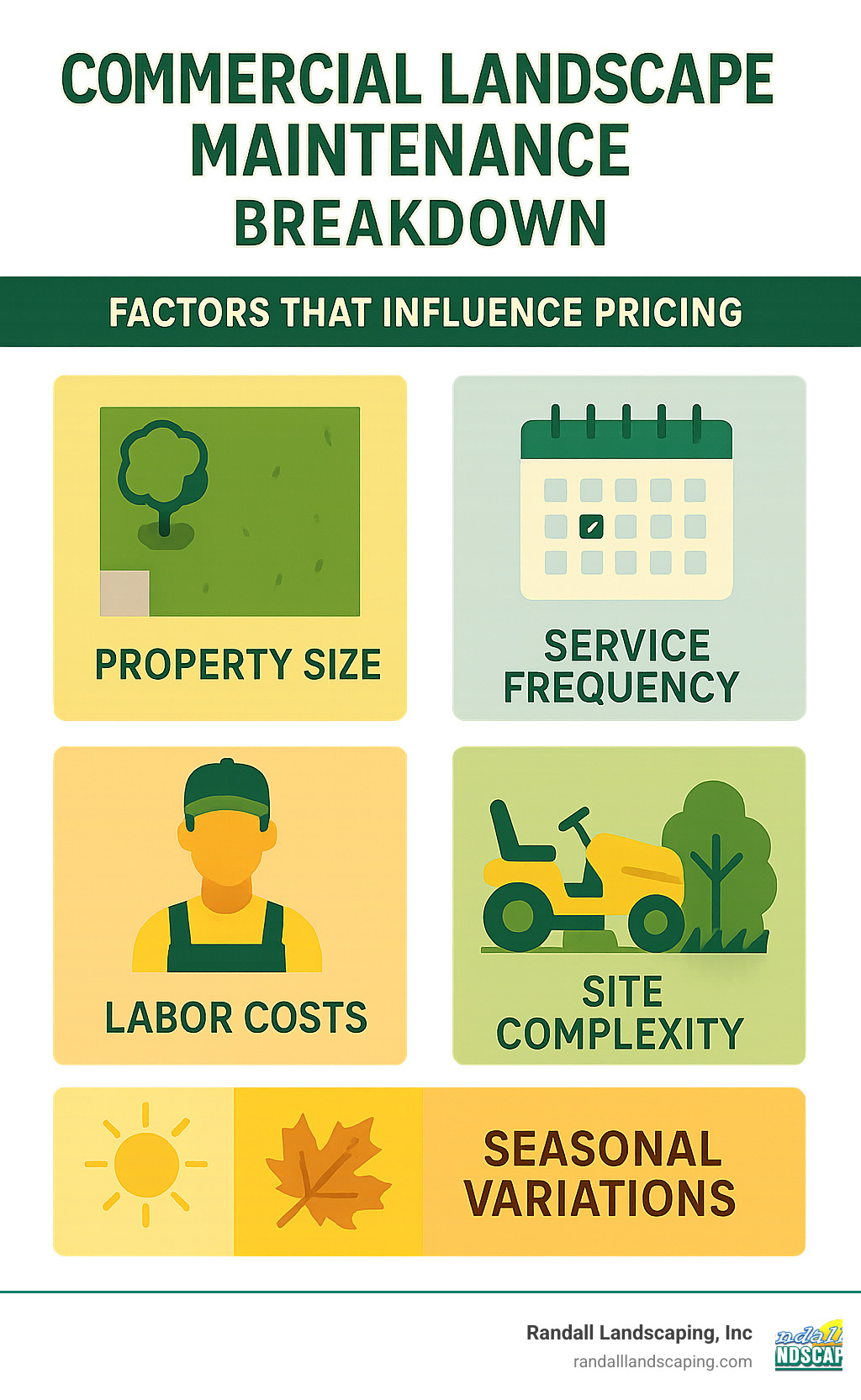
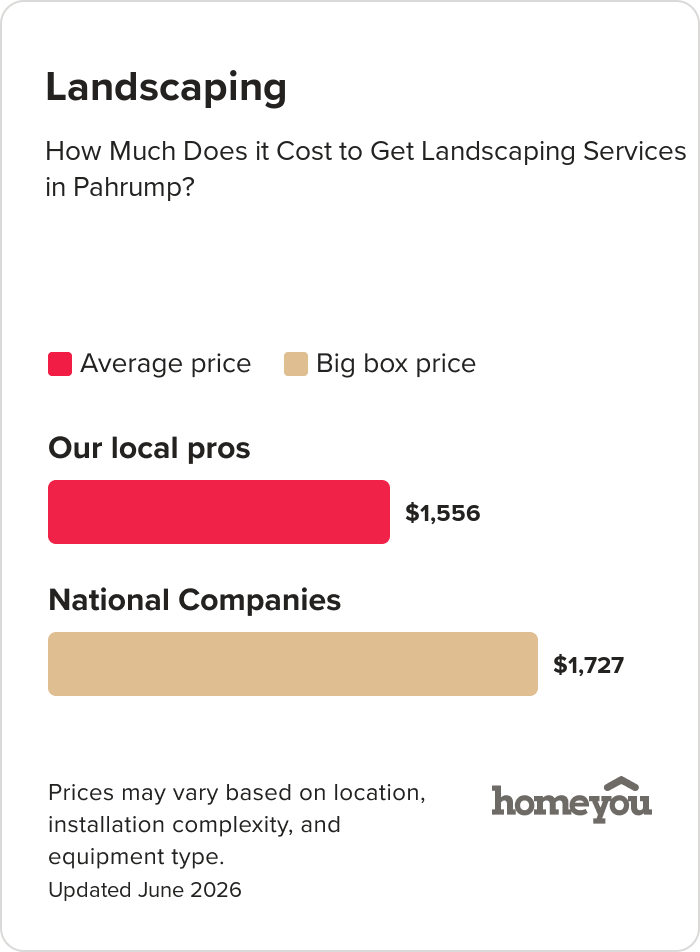
When homeowners look at baseline figures, they often encounter a dizzying spread of estimates. A basic lawn renovation might run a few thousand dollars, while a comprehensive, architect-led backyard overhaul easily eclipses twenty to fifty thousand dollars. The chasm between these numbers is bridged by site complexity, material selection, and labor tiers. Navigating this financial reality demands that property owners separate aesthetic desires from structural necessities, prioritizing what happens beneath the soil before worrying about what blooms above it.
Decoding the Blueprint Phase and Professional Design Fees
Before a single shovel touches the soil, the intellectual labor of landscape architecture takes center stage. Hiring a professional designer or landscape architect is rarely a flat-rate transaction; it is a collaborative process that shapes the financial trajectory of the entire project. Initial consultations typically range from $100 to $250 for a brief walk-through, where a professional assesses topography, sunlight patterns, and soil conditions. For homeowners pursuing a fully realized master plan, comprehensive 2D concepts and 3D renderings generally cost anywhere from $1,000 to $5,000, depending heavily on acreage and project complexity.
Design-build firms often structure these fees differently, sometimes rolling the design cost into the total installation estimate if the client moves forward with their crew. However, independent landscape architects charge either a flat fee, an hourly rate ranging from $100 to $250 per hour, or a percentage of the total installation cost—usually falling between 10% and 20%. This percentage-based model makes sense when managing complex sites with severe slopes, municipal setbacks, and intricate hardscape engineering requirements.
Site analysis represents a hidden cost driver during this initial phase. A lot sitting on a steep grade requires topographic surveys and soil compaction tests to ensure retaining walls do not fail under hydrostatic pressure. Furthermore, navigating local zoning laws, homeowner association guidelines, and environmental setbacks can require professional permit expediting. Skipping these steps to save a few hundred dollars on design fees almost always results in municipal stop-work orders and costly retrofits down the line.
The number of design revisions requested by the homeowner also dictates the final invoice. Reputable designers usually include two rounds of revisions in their base contract. Every subsequent tweak to patio geometries, plant palettes, or lighting layouts consumes billable hours. Establishing a clear, cohesive vision during the initial mood-board phase prevents expensive design fatigue and keeps the project moving smoothly toward the implementation stage.
Hardscaping Expenditures and Structural Foundations
Hardscaping forms the structural backbone of any landscape, anchoring the soft elements and determining how humans navigate the outdoor space. Because hardscape materials require heavy machinery, specialized labor, and precise sub-base preparation, they account for the lions share of most installation budgets. Patios, walkways, and driveways constructed from concrete pavers typically range from $12 to $25 per square foot installed, while natural stone options like flagstone, bluestone, or travertine can push costs upward of $25 to $40 per square foot.
Retaining walls represent another heavy capital investment, particularly for properties with drainage issues or sloping terrain. Segmental concrete block walls generally cost $20 to $40 per square foot, while dry-stacked natural boulder walls or engineered stone can easily exceed $50 per square foot once proper drainage tile, geogrid reinforcement, and clean gravel backfill are factored into the equation. Cutting corners on the sub-base—skimping on the crushed aggregate foundation or failing to compact the sub-grade correctly—leads to shifting pavers, cracked mortar, and buckling walls within a few freeze-thaw cycles.
Outdoor living amenities like built-in fire pits, masonry outdoor kitchens, and custom pergolas introduce entirely separate pricing tiers. A simple wood-burning fire pit constructed from kit blocks might cost $1,500, whereas a fully plumbed, gas-fueled outdoor kitchen island with granite countertops and stainless steel appliances can range from $8,000 to over $25,000. Pergolas and pavilions follow a similar trajectory, with pressure-treated pine kits starting around $3,000 and custom cedar or aluminum structures reaching $15,000 or more.
Managing these hardscape expenses requires a realistic appraisal of material durability versus immediate budget constraints. Poured concrete offers a mid-tier alternative to pavers, typically running $8 to $18 per square foot for stamped or stained finishes, though it lacks the flexibility to accommodate ground settling without cracking. Homeowners must weigh the long-term maintenance requirements of each material against its initial price tag to avoid unexpected repair bills in the years following installation.
Softscaping Dynamics Including Plants, Turf, and Soil Prep
Once the hard lines of patios and walls are established, softscaping breathes life, color, and texture into the environment. Softscaping encompasses lawn installation, planting beds, trees, shrubs, perennials, and the vital organic matter that sustains them. Sod installation typically costs between $1 and $2.50 per square foot, including grading and soil preparation, while hydroseeding offers a more budget-friendly alternative at $0.10 to $0.30 per square foot. However, hydroseeding demands patience, regular watering, and weed management before achieving a lush, golf-course finish.
Plant material pricing varies wildly based on container size, species rarity, and maturity at the time of planting. Standard one-gallon perennials and shrubs might cost $15 to $35 each, while large five-gallon shrubs and small ornamental trees range from $50 to $150. Specimen trees—such as a mature Japanese maple or a twenty-foot evergreen used for instant privacy—can easily cost $1,000 to $3,000 per specimen, excluding the crane rental and labor required to plant them safely. Plant installation labor generally runs between $25 and $120 per plant when digging, amending soil, mulching, and initial watering are included.
Soil health is the invisible factor that dictates whether a landscape thrives or withers within a single season. Many modern residential developments feature compacted subsoil left behind by heavy construction equipment. Professional landscapers must remediate this by tilling in compost, topsoil, and soil amendments, adding $0.50 to $2.00 per square foot to the site prep budget. Skipping soil conditioning to save money is a false economy; plants struggling in heavy clay or nutrient-deficient sand will fail to establish deep root systems.
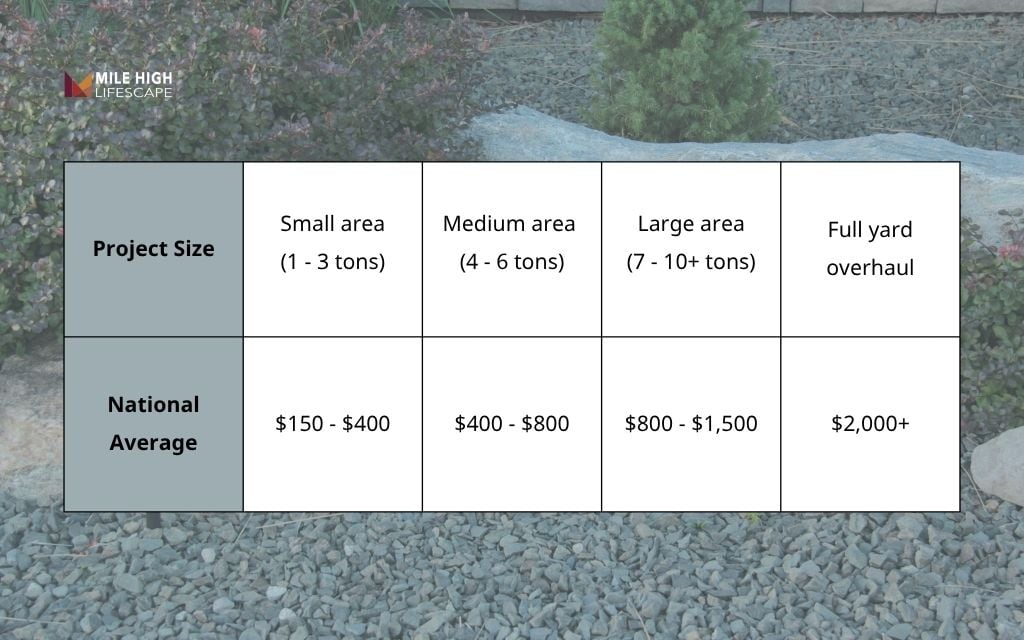
Mulch and decorative stone finish the planting beds while suppressing weeds and retaining soil moisture. Bulk double-shredded hardwood mulch costs roughly $35 to $65 per cubic yard, with installation labor adding another $30 to $50 per cubic yard. For a standard suburban lot, maintaining these beds with fresh mulch every spring represents an ongoing operational cost that must be factored into the long-term cost of ownership.
Methodical Approach to Executing Your Landscape Installation
- Step 1 (Master Planning and Budget Allocation): Commission a comprehensive design plan and establish a strict financial cap, ensuring you reserve a 15% to 20% contingency fund for unforeseen subterranean obstacles like ledge rock, utility lines, or poor drainage.
- Step 2 (Permitting and Utility Locating): Contact your local utility marking service to clear underground lines, and submit all architectural blueprints to your municipality and HOA for formal approval before scheduling heavy equipment.
- Step 3 (Site Grading and Drainage Execution): Direct earthmoving crews to sculpt the topography, establishing positive drainage slopes away from the home foundation and installing French drains or catch basins where water pools.
- Step 4 (Hardscape and Infrastructure Construction): Build the structural framework, including retaining walls, patios, low-voltage lighting conduits, and irrigation mainlines, ensuring all sub-bases are compacted and inspected.
- Step 5 (Softscape Planting and Turf Rollout): Bring in amended topsoil, install specimen trees, shrubs, and perennial beds, lay down fresh sod or seed, and apply a thick layer of mulch to lock in moisture.
Navigating Common Landscaping Traps and Field-Tested Workarounds
- Pitfall 1 (Failing to Address Drainage First): Homeowners often invest heavily in patios and plants without fixing underlying water runoff issues. Workaround: Invest in professional grading and subterranean drainage systems during the initial phase, even if it means scaling back above-ground decorative features temporarily.
- Pitfall 2 (Accepting Vague Contractor Estimates): Signing a lump-sum contract with zero line-item detail invites scope creep and unexpected change orders. Workaround: Insist on a detailed breakdown listing exact material quantities, unit costs, labor hours, and specific product brands before putting down a deposit.
- Pitfall 3 (Overplanting Immature Specimens for Quick Savings): Packing tiny saplings too close together creates an overgrown jungle within five years that requires expensive pruning or removal. Workaround: Space plants according to their mature canopy size, using fast-growing annuals or mulch to fill visual gaps while the permanent structure matures.
- Pitfall 4 (Ignoring Irrigation and Lighting Integration): Installing hardscaping and turf without running underground electrical conduits or drip lines makes retrofitting irrigation and lighting exponentially more expensive later. Workaround: Always trench and lay PVC sleeves beneath walkways and patios during the hardscape phase for future wires and pipes.
- Pitfall 5 (Choosing the Lowest Bidder): Selecting the cheapest contractor frequently leads to abandoned projects, substandard sub-base preparation, and zero warranty protection. Workaround: Obtain at least three detailed bids, verify licensing and insurance credentials, and inspect previous job sites completed by the contractor at least three years prior.
Holistic Perspectives and Long-Term Environmental Integration
Modern landscape design has shifted away from sterile, high-input monoculture lawns toward sustainable, ecologically resilient outdoor spaces. This evolution changes not only the initial cost structure but also the ongoing maintenance profile of a property. Homeowners are increasingly requesting native plantings, pollinator gardens, and xeriscaping principles that reduce municipal water dependency and minimize chemical fertilizer applications. While native species and drought-tolerant perennials can sometimes carry a higher upfront acquisition cost, they drastically reduce water bills and replacement expenses over a ten-year horizon.
Water management represents a major financial and environmental focus. Traditional spray sprinkler systems often lose significant water to evaporation and runoff, prompting a transition toward smart Wi-Fi controllers, subsurface drip irrigation, and rain garden installations. Rain gardens—depressed landscape features planted with water-loving native flora—capture and filter runoff from roof downspouts and driveways, recharging the local water table while eliminating the need for expensive underground storm-drain tie-ins.
Energy efficiency also plays directly into landscape planning. Strategic placement of deciduous trees on the southern and western exposures of a home provides cooling shade during brutal summer months, cutting residential air conditioning bills by up to twenty-five percent. Conversely, allowing winter sunlight to penetrate bare branches after leaf drop reduces heating loads. Integrating low-voltage LED landscape lighting arrays not only enhances nighttime safety and architectural drama but also consumes a fraction of the electricity demanded by older halogen setups.
Viewed through this lens, investing in professional landscape design and installation functions as a capital improvement that compounds over time. Real estate market analyses consistently show that a well-designed, professionally installed landscape yields an impressive return on investment, often recouping 80% to 100% of its initial cost upon property resale. Buyers are willing to pay a premium for move-in-ready outdoor living spaces that require minimal immediate remediation.
Strategic Frameworks for Maximizing Value and Execution
Achieving a stunning, functional landscape without exhausting your financial resources requires balancing professional contractor services with strategic phasing. Attempting to execute a massive, acre-wide property overhaul in a single weekend or even a single season frequently leads to burnout, compromised workmanship, and blown budgets. Dividing a master plan into manageable, self-contained phases allows property owners to allocate capital efficiently while evaluating how each new zone functions before committing to the next wave of construction.
Establishing a direct line of communication with your chosen landscape contractor is equally vital. Transparent discussions regarding material substitutions—such as swapping out imported natural stone for high-quality local concrete pavers—can trim thousands of dollars from an estimate without sacrificing structural integrity or overall aesthetic impact. Prioritizing high-traffic focal points, such as an immediate backyard patio and primary privacy screening, while leaving peripheral garden beds for future seasons ensures that your immediate quality of life is maximized.
Maintenance planning must begin on the drafting table. Every plant added, every hardscape surface poured, and every lighting fixture wired carries a distinct maintenance footprint. Choosing low-maintenance materials like composite edging, perennial ground covers instead of vast turf expanses, and integrated irrigation timers protects your investment from devolving into an exhausting chore. A well-designed landscape should serve as a sanctuary of relaxation, not an unending weekend project list.
Ultimately, approaching landscaping as an architectural and horticultural science rather than a casual cosmetic exercise changes the entire financial equation. By respecting the nuances of soil mechanics, structural engineering, and ecological balance, property owners secure outdoor environments that endure for generations, weathering shifting design trends and seasonal extremes with grace.
Transforming raw earth into an extraordinary outdoor living space is an exercise in patience, financial discipline, and creative vision. The true cost of landscape design and installation is never just a number on an invoice; it is an investment in how you interact with your immediate environment, how your property handles stormwater, and how your home integrates with the natural world outside your window.
As you take the first steps toward planning your yard upgrade, remember that preparation and proper subterranean engineering dictate all future success. Take the time to vet professionals, secure proper permits, and prioritize structural integrity over fleeting cosmetic trends. By approaching your project with clear eyes and a realistic budget, you lay the groundwork for an outdoor sanctuary that will bring enduring joy and tangible property value for years to come.