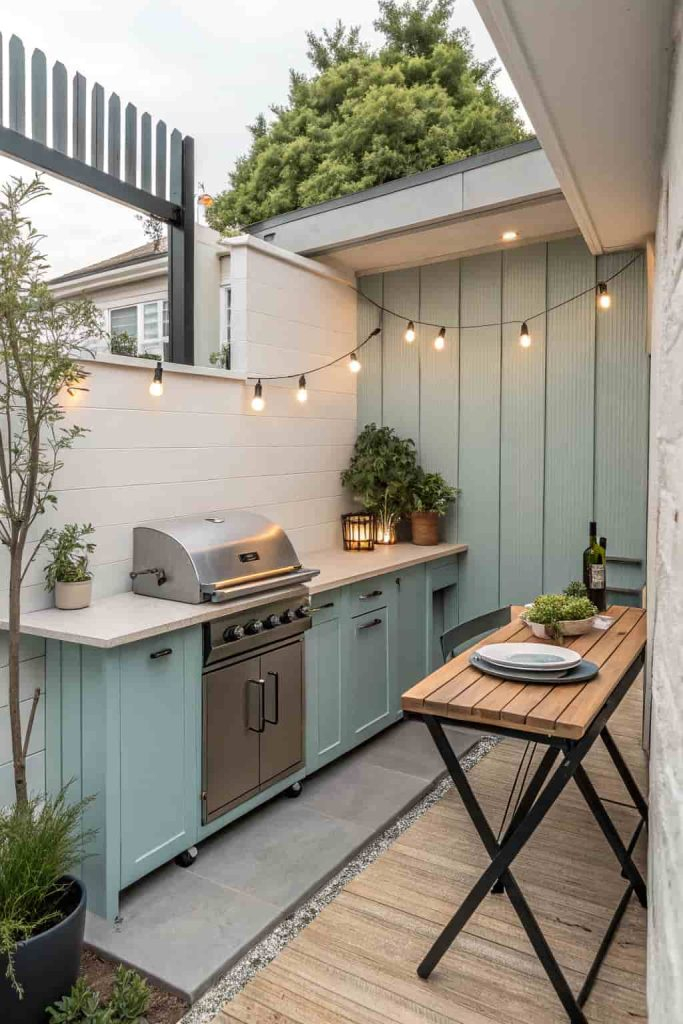

Saturday mornings used to smell like two-stroke engine exhaust and the stubborn, ozone-tinged desperation of a weed whacker fighting a losing battle against creeping Charlie. You would spend four hours nursing a pristine emerald lawn that nobody actually played on, wrestling with kinked hoses, scrubbing mildew off plastic patio furniture, and poisoning dandelions with chemical compounds that required a Hazmat suit to apply. By noon, your lower back was locked, your weekend was effectively gone, and the entire ecosystem outside your kitchen window felt less like a sanctuary and more like an unpaid second job.
That exhausting routine is finally losing its grip on the domestic imagination. Walk through suburban neighborhoods or urban alley-lots this year, and you will notice a stark, deliberate shift. The hyper-manicured, accessory-heavy yards of the past decade are being systematically stripped down to their structural bones. Homeowners are waking up to a simple, liberating truth: the more stuff you put outside, the less freedom you actually have to enjoy it.
This movement away from maximalist landscaping isn’t just about cultivating a sleek, architectural aesthetic for social media feeds. It is a hard-nosed, pragmatic reaction to rising labor costs, water scarcity mandates, and a collective exhaustion with maintenance culture. Minimalism outdoors has evolved from an interior design trend into a necessary survival strategy for busy households trying to reclaim their weekends, their bank accounts, and their peace of mind.
The Economics of Less: Why Empty Space Outperforms Complex Landscaping
The financial ledger of traditional landscaping is brutal and entirely transparent to anyone who has ever written a check to a local lawn-care franchise. When you cram a yard with exotic annuals that need constant deadheading, high-maintenance sod that demands weekly irrigation, and complex water features that leak seals every autumn, you are locking yourself into an escalating cycle of capital depreciation. Every plant is a liability; every mechanical pump is a ticking time bomb of repair costs. Minimalism flips this economic model entirely on its head by treating negative space as a primary asset.
Consider the lifecycle cost of materials. A sprawling multi-tiered wooden deck requires chemical stripping, sanding, and staining every two years to prevent rot, whereas a minimalist ground-level pad made of poured architectural concrete or large-format basalt pavers costs virtually nothing to maintain beyond a seasonal pressure wash. By reducing the variety of plant species down to a curated, highly resilient selection of native perennials, homeowners eliminate the need for specialized fertilizers, pest control contracts, and constant replanting. The math is merciless: the fewer variables you introduce into your outdoor ecosystem, the less money you will spend keeping it alive.
This financial efficiency extends directly to municipal utility bills and home insurance premiums. In drought-prone regions facing strict water rationing, maintaining a lush traditional lawn has become an expensive luxury taxed by local governments. Minimalist yards that prioritize hardscaping, decomposed granite, and xeriscaping require a fraction of the irrigation volume. Furthermore, clearing out dense, overgrown shrubbery near the foundation of the house—a staple of old-school foundation planting—radically improves defensible space against wildfires, potentially lowering property insurance rates in vulnerable zones.
Reclaiming Time as the Ultimate Luxury Asset
Time is the one commodity that modern life refuses to manufacture more of. When you audit how homeowners actually spend their leisure hours, the backyard frequently emerges as a net negative. The average homeowner spends upwards of seventy hours a year mowing, edging, weeding, and leaf-blowing. That is nearly two full work weeks dedicated entirely to pushing gas-powered machinery across rectangular patches of non-native grass.
Stripping the yard down to its bare essentials alters this equation immediately. A minimalist landscape relies on structural permanence—retaining walls, monolithic concrete slabs, architectural fencing, and slow-growing evergreens—that requires human intervention perhaps once a month rather than once a weekend. By eliminating delicate flower beds that require constant weeding and seasonal bulb digging, you transition your yard from a high-maintenance chore list into a passive sanctuary.
This dramatic reduction in physical upkeep creates an unexpected psychological dividend. When you look out your window and do not see a sprawling list of unfinished yard projects staring back at you, your nervous system responds accordingly. The yard stops being a source of low-grade guilt and transforms into an open expanse for actual relaxation. You sit down with a cup of coffee instead of a pair of pruning shears, and the outdoor space finally serves its biological purpose: providing a quiet transition between the chaos of the digital world and the grounded reality of the natural environment.
Step-by-Step Implementation Guide for Stripping Your Yard Down to the Essentials
Transitioning from a cluttered, high-maintenance landscape to a streamlined minimalist outdoor space requires a methodical approach. You cannot simply rip everything out at once without creating an eroded mud pit. You must treat the redesign like an architectural renovation, stripping away layers strategically to reveal the core geometry of the site.
- Step 1 (The Great Audit and De-Cluttering): Walk your property with a clipboard and tag every single non-essential element, including faded plastic planters, decorative lawn ornaments, unused play equipment, and high-maintenance shrubs that block your windows. Sell, donate, or haul away everything that does not serve a direct functional or structural purpose.
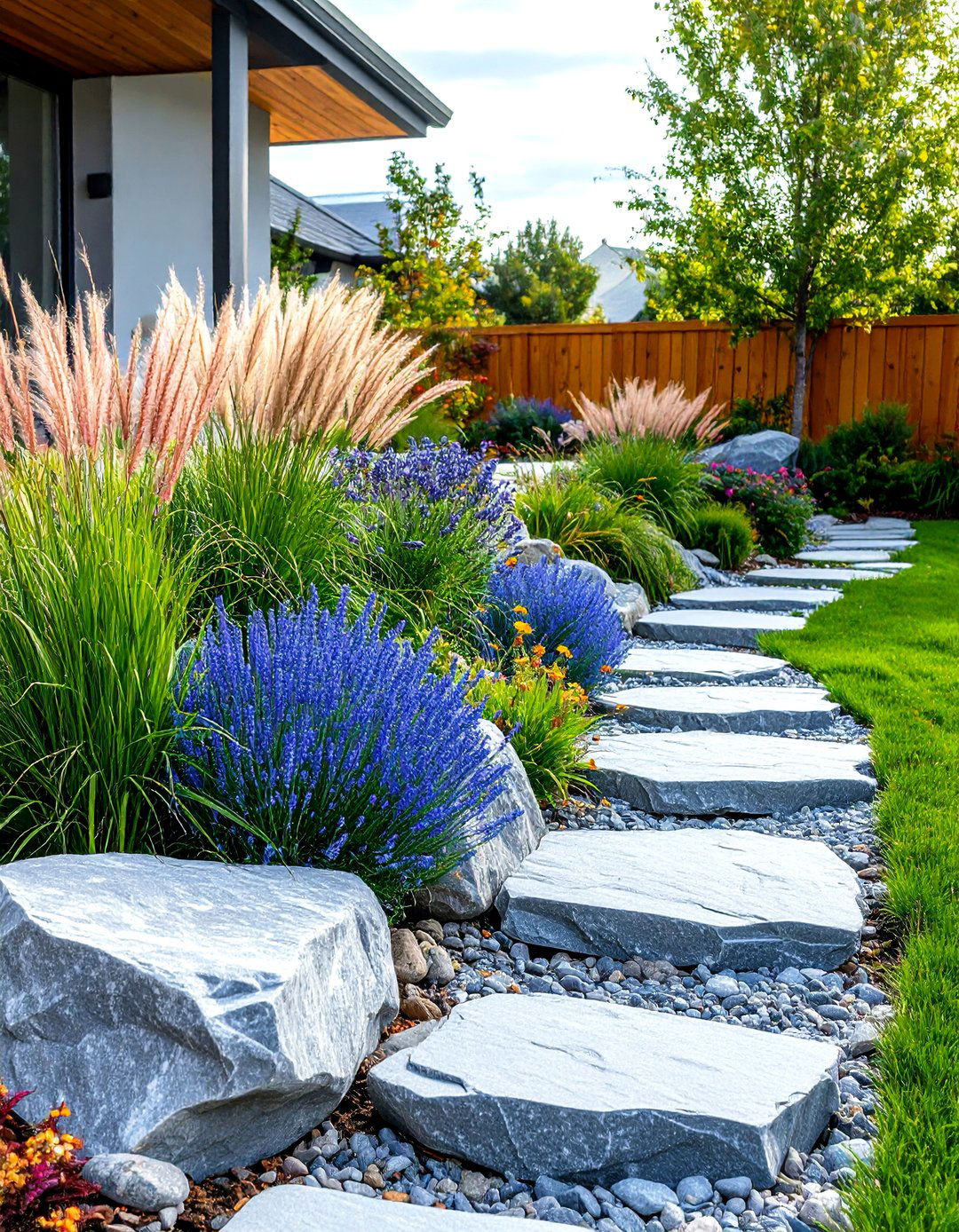
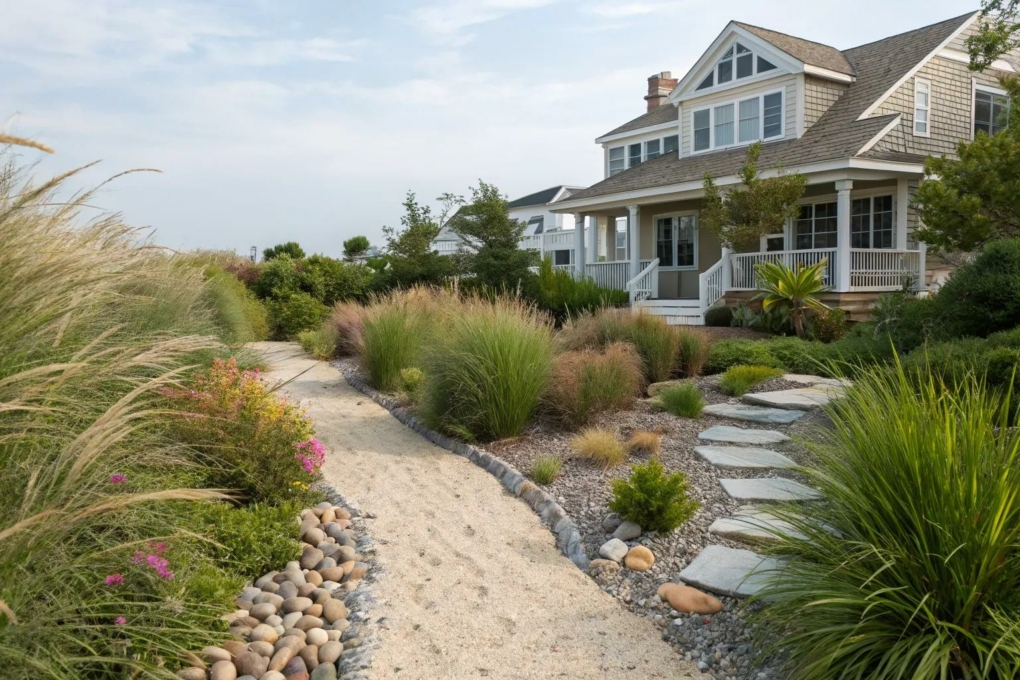
- Step 2 (Hardscape Rationalization): Evaluate your pathways, patios, and decks to determine if they dictate awkward traffic flows or require excessive upkeep. Replace failing wood structures with monolithic concrete, large-format stone pavers, or permeable gravel systems that unify the ground plane and eliminate the need for edging.
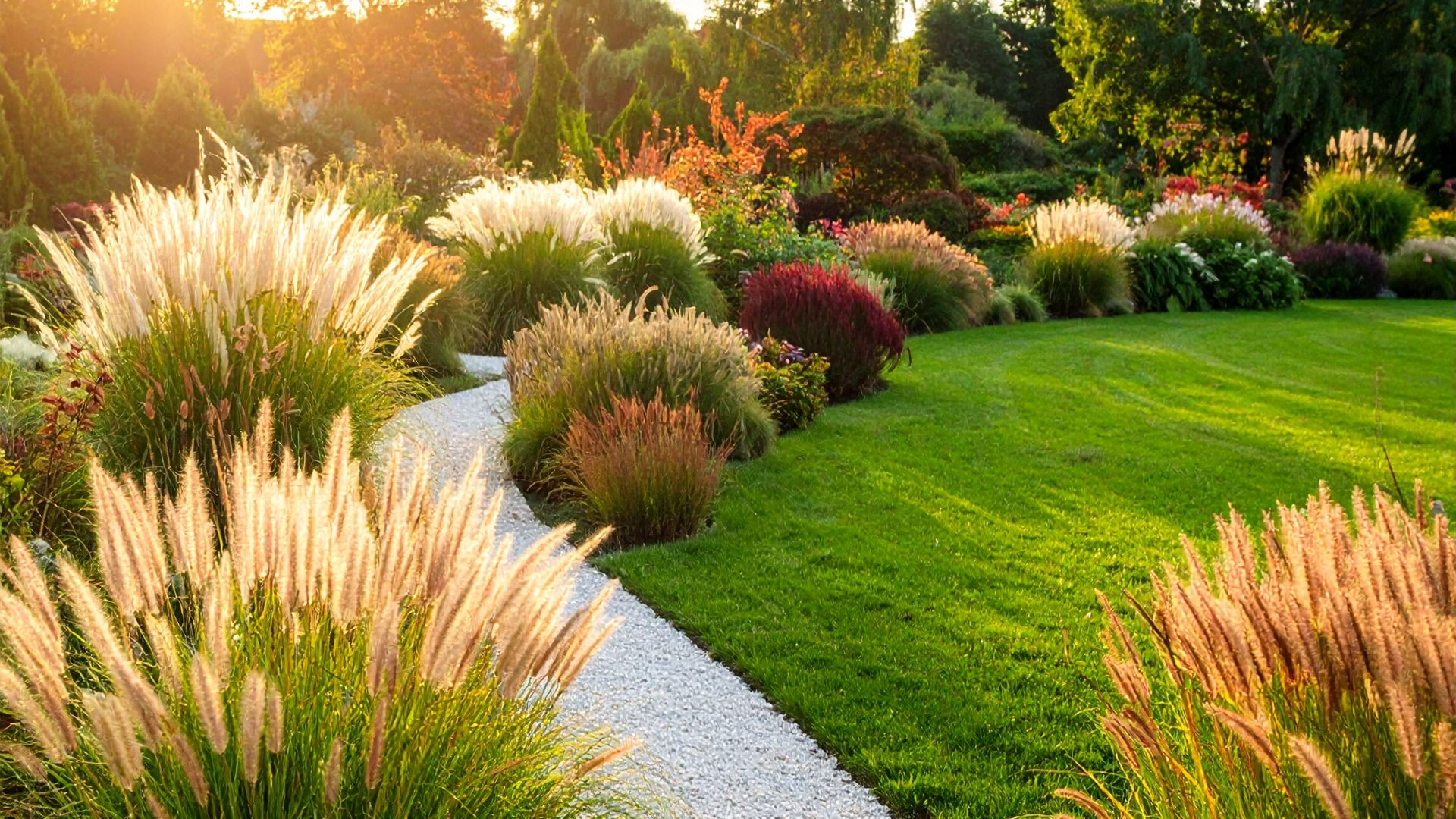
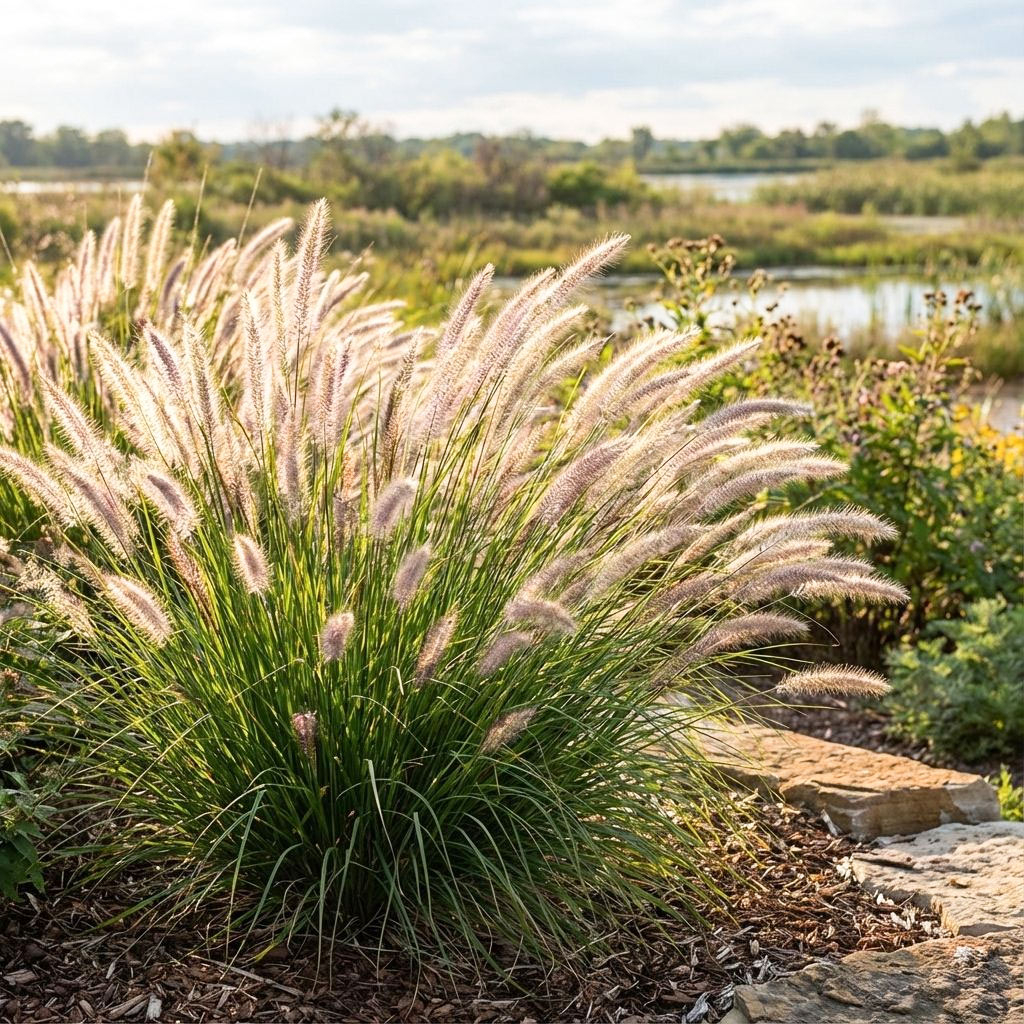
- Step 3 (Curating the Botanical Palette): Strip away delicate annuals and high-water turfgrasses, replacing them with a strict, minimalist palette of three to four native plant species. Focus on structural forms—such as feather reed grass, boxwood globes, or columnar evergreens—that provide year-round architectural interest without requiring constant pruning.
- Step 4 (Automating the Vital Infrastructure): If you retain any living plant material, install a smart, weather-adjusted drip irrigation system hidden entirely beneath mulch or gravel. Bury low-voltage LED landscape lighting lines to wash walls and highlight key structural trees, eliminating the need for bulky solar fixtures and tangled extension cords.
- Step 5 (Embracing Negative Space): Resist the urge to fill every empty corner with a new feature, pot, or tree. Allow open gravel beds, clean concrete expanses, and unplanted mulch areas to breathe, letting the architectural lines of your home and fencing become the primary visual focal points.
Navigating the Hidden Traps of Outdoor Minimalism
While the concept of a low-maintenance, stripped-down yard sounds effortless on paper, implementing it requires navigating several subtle traps that can turn a sleek design into a sterile or frustrating environment. The most common mistake homeowners make is confusing minimalism with total barrenness, resulting in a stark, unlivable concrete bunker that feels hostile rather than welcoming.
Another frequent pitfall involves material selection underestimating local weather conditions. Using cheap, thin concrete pavers or lightweight composite metals without checking their thermal expansion rates can lead to cracked surfaces and warping after a single harsh winter cycle. Similarly, opting for cheap pea gravel without proper sub-base stabilization will result in stones migrating into your house on the bottom of shoes and creating uneven, frustrating walking paths.
Vegetation management also presents unique challenges in a minimalist setting. Because minimalist designs rely on fewer plants, the death or disease of a single specimen tree or structural hedge instantly ruins the entire visual balance of the yard. Homeowners must select ultra-hardy, disease-resistant cultivars and invest in proper root-zone preparation rather than assuming low plant count equates to zero plant care.
- Pitfall 1 (The Concrete Bunker Effect): Replacing all vegetation with hardscape without balancing scale and texture, resulting in an uninviting heat sink. Workaround: Soften hard lines with vertical elements like slender timber slat fencing, wall-mounted trellises, or single specimens of architectural trees planted directly into geometric cutouts.
- Pitfall 2 (Sub-Base Substandard Installation): Skipping proper excavation and geotextile weed fabric installation under gravel or paver areas. Workaround: Excavate a minimum of four to six inches, lay commercial-grade woven stabilization fabric, and compact a crushed aggregate base before laying any surface material.
- Pitfall 3 (Monoculture Vulnerability): Relying entirely on a single plant species for structural hedging or screening. Workaround: Interplant with compatible native understory grasses or stagger two resilient species to ensure disease or pest pressure never wipes out your entire privacy screen.
- Pitfall 4 (Neglecting Drainage Dynamics): Paving over large portions of the yard without calculating stormwater run-off paths, leading to basement flooding. Workaround: Incorporate subtle grading slopes toward French drains, rain gardens, or permeable gravel zones that allow water to percolate naturally into the water table.
- Pitfall 5 (Aggressive Weed Invasion in Rock Beds): Dumping gravel directly onto bare soil, creating an ideal incubation bed for wind-blown weed seeds. Workaround: Always install a heavy-duty, multi-ply non-woven geotextile fabric beneath stone layers and top-dress with a pre-emergent organic barrier.
The Broader Ecological and Architectural Evolution
The shift toward outdoor minimalism reflects a profound maturation in how we view the boundary between domestic architecture and the surrounding landscape. For decades, suburban culture treated the yard as an aggressive domestic statement—a battleground where nature had to be subdued, dyed green, edged into submission, and sprayed into uniformity. Minimalism acknowledges that true luxury lies in cooperation with the environment rather than domination over it.
By reducing chemical inputs, minimizing municipal water consumption, and prioritizing native flora that supports local pollinators, minimalist homeowners are quietly repairing fragmented suburban ecosystems. A yard dominated by native bunchgrasses, structural boulders, and unmanaged negative space provides a vital corridor for native birds and insects that are systematically starved out by sprawling, sterile lawns. This ecological footprint reduction is not driven by activist guilt, but by a pragmatic desire for a self-sustaining landscape that functions without constant artificial life support.
Architecturally, this minimalist approach creates a seamless visual dialogue between indoor and outdoor living spaces. Large glass sliding doors and floor-to-ceiling windows no longer look out onto a chaotic collection of mismatched lawn furniture and struggling annuals; instead, they frame a clean, intentional composition of shadow, stone, and form. The yard becomes an extended room of the house—a calm, uncluttered terrace that expands the perceived square footage of the home without adding a single dollar to the property tax assessment.
Blueprint for Long-Term Outdoor Serenity
Achieving a permanent state of outdoor minimalism requires treating your yard as a finished system rather than an ongoing project. Most homeowners fail because they view landscaping as an additive hobby where every weekend brings a trip to the garden center for another flat of flowers or decorative wind chime. To break this cycle, you must adopt a curator’s mindset: your yard is complete when nothing more can be removed without compromising its function.
Focus your long-term investments on foundational elements that appreciate in durability and character over time. Natural stone, weathered steel, architectural concrete, and mature native trees gain a rich, organic patina as they age, requiring less human intervention the older they get. Avoid trendy decorative accessories that look dated within two seasons and focus entirely on proportion, light, and negative space.
Establish a seasonal maintenance protocol that takes minutes rather than days. A quick blow-off of hard surfaces, an annual check of irrigation drip lines, and a light pruning of structural grasses in late winter are all it takes to keep a minimalist landscape looking pristine twelve months a year. By front-loading the design work with durable materials and smart spatial planning, you buy back your weekends permanently.
The transformation of the modern backyard is more than a fleeting stylistic preference; it is a rational recalibration of our relationship with domestic labor and natural resources. In an era defined by cognitive overload and perpetual time poverty, our living spaces must act as decompression chambers rather than deferred maintenance projects.
Stripping away the superfluous clutter of traditional landscaping reveals something far more valuable than a clean aesthetic: it gives you back your time, your weekends, and your mental clarity. When you step outside into a space defined by intentional lines, silent negative space, and resilient native forms, the noise of daily life finally recedes.
The future of home ownership does not belong to those who spend their lives tending to impossible lawns. It belongs to those who have the courage to remove the noise, honor the negative space, and let their outdoor environments breathe on their own terms.