
Ever stare at that gloomy corner of your yard and feel a little defeated? You’re not alone. We all have that one spot. Maybe it’s tucked behind the garage, or perhaps it’s underneath that massive oak tree your grandfather planted decades ago. It’s dark. It’s damp. And honestly, it looks like nothing wants to grow there except maybe some moss and regret. But here’s the good news: you don’t need to resign yourself to a dirt patch. In fact, 2026 is shaping up to be a fantastic year for shade gardening, specifically because we’ve finally stopped fighting nature and started working with it.
Gone are the days when "low maintenance" meant "boring." The horticultural world has shifted. We aren’t just looking for plants that survive; we want ones that thrive on neglect. With water restrictions becoming more common in various regions and our collective busyness reaching new heights, the demand for resilient, shade-tolerant shrubs has skyrocketed. This guide isn’t about turning your yard into a laboratory. It’s about finding those rugged, beautiful performers that ask for very little and give back so much. Let’s dig in.
Why Shade Gardening is Having a Moment
Let’s be real for a second. Sun gardening is hard work. It requires constant watering, vigilant pest control, and often, a lot of deadheading to keep things looking tidy. Shade, on the other hand, is naturally cooler and retains moisture better. It’s a forgiving environment if you pick the right players. In recent years, breeders have focused intensely on foliage rather than just flowers. Why? Because flowers fade, but leaves? Leaves stick around. They provide texture, color, and structure from spring all the way through to the first frost.
The shift toward native plants has also played a huge role here. By 2026, the emphasis on biodiversity isn’t just a trend; it’s a standard practice. Native shade shrubs support local pollinators and birds, creating a mini-ecosystem in your backyard. Plus, they are adapted to your specific climate quirks. This means less fertilizer, fewer pesticides, and definitely less worry. It’s a win-win situation. You get a lush, green sanctuary, and the local wildlife gets a habitat. It’s pretty simple when you think about it.
Another factor is the change in how we use our outdoor spaces. Post-pandemic, our yards became extensions of our living rooms. We want views that are calming, not chaotic. A well-placed shrub in a shady nook creates a sense of enclosure and privacy. It softens the hardscape. It makes the space feel intentional. When you choose plants that don’t demand your attention every single day, you actually get to enjoy your garden more. You sit down with your coffee and look at the layers of green instead of worrying about whether you remembered to water the petunias.
The Unkillable Classics: Hydrangeas and Beyond
If there’s one shrub that defines shade gardening, it’s the Hydrangea. But not just any hydrangea. In 2026, the star of the show is the Oakleaf Hydrangea (Hydrangea quercifolia). Unlike its finicky cousins, the Oakleaf is tough as nails. It handles dry shade better than almost anything else once it’s established. The big, lobed leaves turn a stunning burgundy in the fall, giving you two seasons of interest. And the flowers? They start white and age to a soft pink or purple, lasting for weeks. You barely have to touch them.
Then there’s the Panicle Hydrangea. While it loves some sun, many newer varieties tolerate partial shade beautifully. Look for compact types like ‘Little Lime’ or ‘Bobo’. They stay small, so you don’t need to haul out the ladder for pruning. Just a quick trim in late winter or early spring, and you’re done. These plants are forgiving. If you forget to prune them one year, they’ll still bloom. That’s the kind of reliability we’re talking about. They add vertical interest and a pop of brightness to those darker corners.
Don’t sleep on the Bigleaf Hydrangeas either, but with a caveat. Stick to the reblooming varieties. Older types only flowered on old wood, meaning if a late frost hit, you got no blooms. Newer cultivars flower on both old and new wood. This means even if winter is harsh, you’ll still get flowers in the summer. It’s a game-changer for gardeners in unpredictable climates. Just keep them mulched and watered during dry spells, and they’ll reward you with those classic, pom-pom blooms that everyone loves.
Foliage First: The Power of Texture and Color
Sometimes, the best shade shrubs don’t rely on flowers at all. They rely on leaves. Think about Japanese Aucuba (Aucuba japonica), often called the Gold Dust Plant. It’s been around forever, but it’s having a renaissance. Why? Because it’s virtually indestructible. It tolerates deep shade, poor soil, and even pollution. The variegated leaves brighten up dark areas instantly. It’s perfect for those spots under dense tree canopies where grass refuses to grow. You plant it, you mulch it, and then you basically ignore it. It just keeps going.
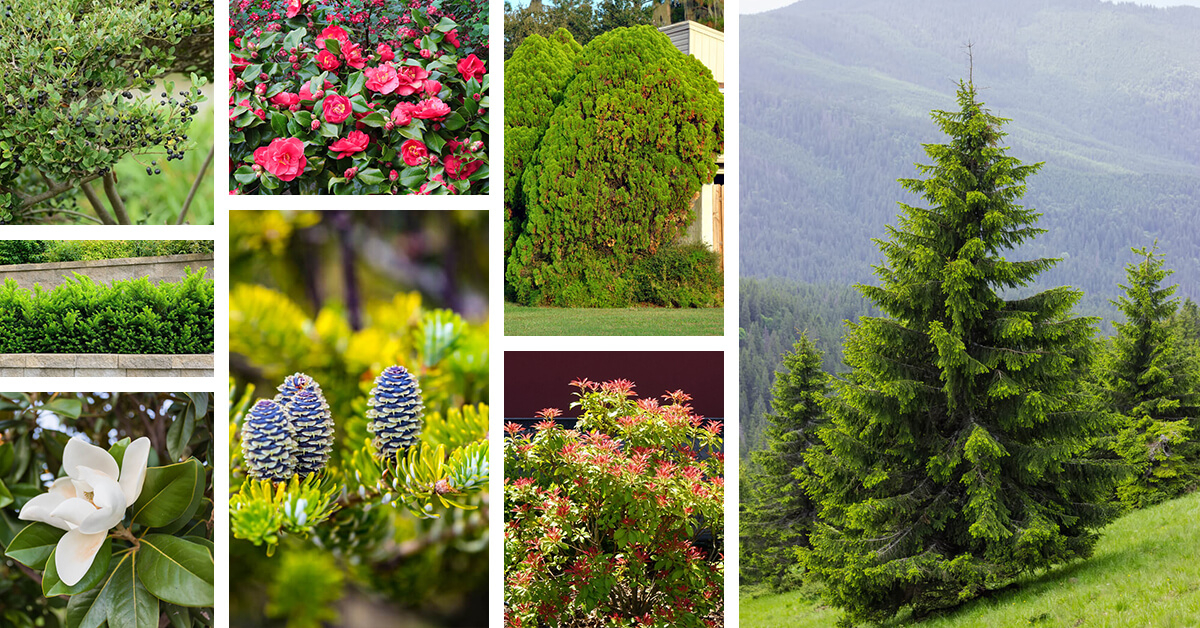
Another heavyweight champion is the Camellia. Specifically, the Sasanqua and Japonica varieties. In milder climates, these are essential. They bloom in late fall or early spring, providing color when everything else is dormant. The glossy evergreen foliage looks pristine year-round. They do need acidic soil, so if you have azaleas growing nearby, you’re probably good to go. If not, a little soil amendment goes a long way. But once they’re settled, they require minimal care. Just a light prune after flowering to keep the shape you want.
Let’s talk about Boxwood alternatives. Traditional Boxwood is struggling with blight issues in many areas. Enter the Inkberry Holly (Ilex glabra). It’s native to North America, evergreen, and handles wet, shady soils like a pro. It doesn’t have the thorns of other hollies, making it safe for kids and pets. The ‘Shamrock’ variety stays compact and dense. It clips well if you want a formal look, but it also looks great natural and loose. It’s a subtle plant, but it provides that crucial winter structure that gardens often lack. Plus, it supports native insects. It’s a smart swap for 2026.
Native Heroes: Supporting Local Ecosystems
Using native plants isn’t just about being eco-friendly; it’s about ease. These plants evolved in your region. They know how to handle your winters and your summers. One standout is the Sweetbay Magnolia (Magnolia virginiana). In the South and Mid-Atlantic, this understory tree/shrub is gorgeous. It has creamy, lemon-scented flowers in early summer and silvery undersides on its leaves that catch the light. It thrives in moist, shady spots. It’s not fussy. It just grows. And when it blooms, the scent is incredible. It feels luxurious without the effort.
For those in cooler zones, consider the Serviceberry (Amelanchier arborea). While it can grow into a small tree, it’s often sold as a multi-stem shrub. It’s incredibly adaptable to shade and part-shade. In spring, you get white flowers. In summer, edible berries that birds love (and you can too, if you’re quick). In fall, the foliage turns fiery orange and red. It’s a four-season performer. And because it’s native, it requires zero fertilizer and very little water once established. It’s practically self-sufficient. That’s the dream, right?
Rhododendrons and Azaleas are also native staples in many parts of the country. The key here is choosing disease-resistant varieties. New breeding programs have focused on resisting lace bugs and root rot. Look for native species like the Rosebay Rhododendron in the East. They create dense thickets that provide excellent cover for wildlife. They prefer acidic soil and good drainage, so avoid planting them in clay pits. But if you have a wooded slope, they are perfect. They anchor the soil and create a lush, forest-like feel. It’s like bringing the woods to your yard.
Dealing with Dry Shade: The Toughest Challenge
Dry shade is the boss level of gardening. It’s under trees where roots suck up all the water and the canopy blocks the rain. Most plants hate it. But a few love it. The Barberry (Berberis) is one, though be careful with invasive species. Stick to non-invasive, native alternatives like the American Barberry if available, or use ornamental grasses in conjunction with shrubs. However, for true shrubs, let’s look at the Daphne. Specifically, Daphne odora. It’s fragrant, evergreen, and handles dry shade surprisingly well once established. It hates wet feet, so dry shade is actually better for it than boggy soil.
Another option is the Oregon Grape (Mahonia aquifolium). It’s spiky, yes, but it’s tough. It produces yellow flowers in early spring and blue berries later. The leaves turn purple in winter. It spreads slowly via runners, helping to cover bare ground. It’s great for slopes where erosion is a concern. It doesn’t need much water. It doesn’t need much love. It just sits there and looks architectural. If you have a tricky, dry spot under a pine tree, this is your guy. It thrives in the acidic needle drop.
Don’t forget about the humble Yew (Taxus). It’s an old-school favorite for a reason. It tolerates heavy shade and dry conditions better than most evergreens. It’s slow-growing, which means less pruning. You can shape it, or let it grow naturally. It’s dense and provides great privacy. Just be aware that all parts are toxic to pets and humans, so place it wisely. But from a maintenance standpoint, it’s nearly flawless. It stays green, it stays full, and it doesn’t complain. In 2026, reliability is king, and Yew delivers.
Even the toughest plants need a little help getting started. The biggest mistake people make is planting too deep. Make sure the root flare is visible above the soil line. If you bury it, the plant will suffocate and rot. It’s a simple thing, but it kills more shrubs than anything else. Also, mulch is your best friend. A two-to-three-inch layer of organic mulch retains moisture, suppresses weeds, and regulates soil temperature. As it breaks down, it feeds the soil. It’s a low-effort, high-reward practice. Just keep the mulch away from the stem to prevent rot.
Watering deeply and infrequently is better than shallow, frequent sprinkles. This encourages roots to grow deep into the soil, where they can access moisture during dry spells. In the first year, your new shrubs need regular water. But after that, they should be able to handle themselves. Don’t over-fertilize. Most native and low-maintenance shrubs don’t need it. In fact, too much fertilizer can lead to weak, leggy growth that’s prone to disease. Let the compost and mulch do the work. Nature knows what she’s doing.
Finally, observe your garden. Watch how the light changes throughout the day. Note where the water pools. See which plants are thriving and which are struggling. Gardening is not a set-it-and-forget-it hobby, but it doesn’t have to be a chore either. It’s a relationship. By choosing the right plants for the right place, you reduce the friction. You spend less time fixing problems and more time enjoying the results. In 2026, smart gardening is about observation and adaptation. It’s about working smarter, not harder. And thats the secret to a beautiful, shady retreat.
So, take a look at that dark corner again. It’s not a problem to be solved; it’s an opportunity to be seized. With the right shrubs, you can transform it into a lush, vibrant space that asks for very little in return. Whether you choose the structural elegance of an Oakleaf Hydrangea, the glossy resilience of an Inkberry Holly, or the native charm of a Serviceberry, you’re making a choice for beauty and ease. Your future self, sitting in the shade with a cold drink, will thank you. Go ahead. Get your hands dirty. It’s worth it.