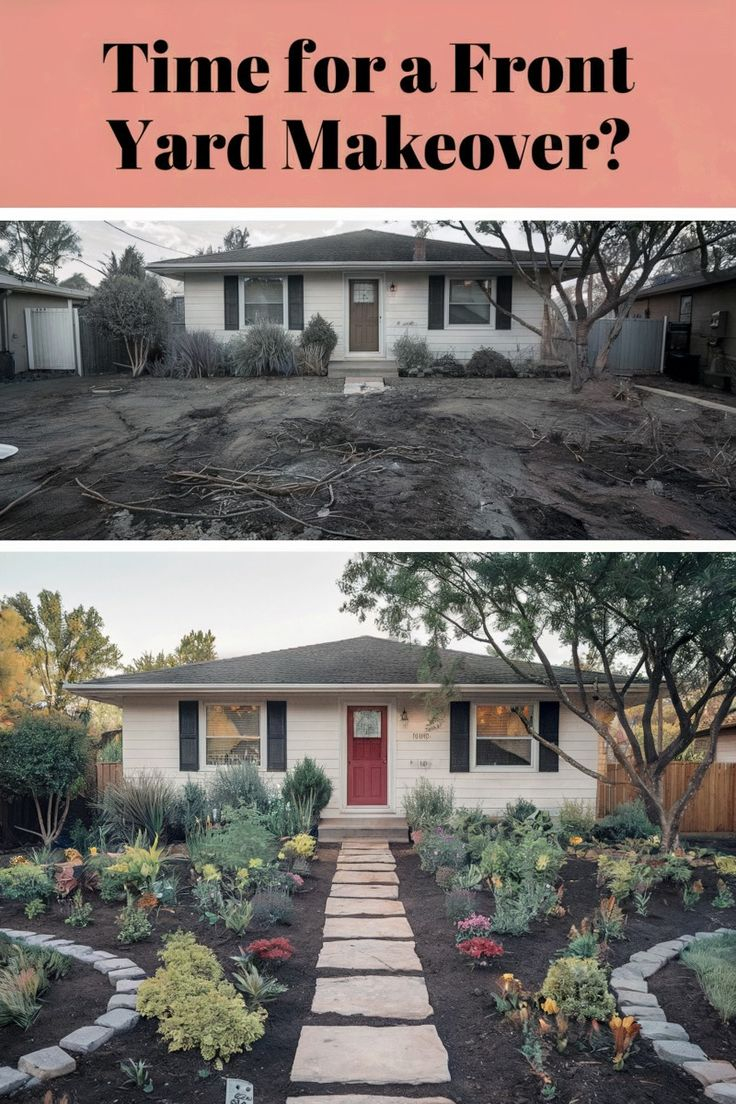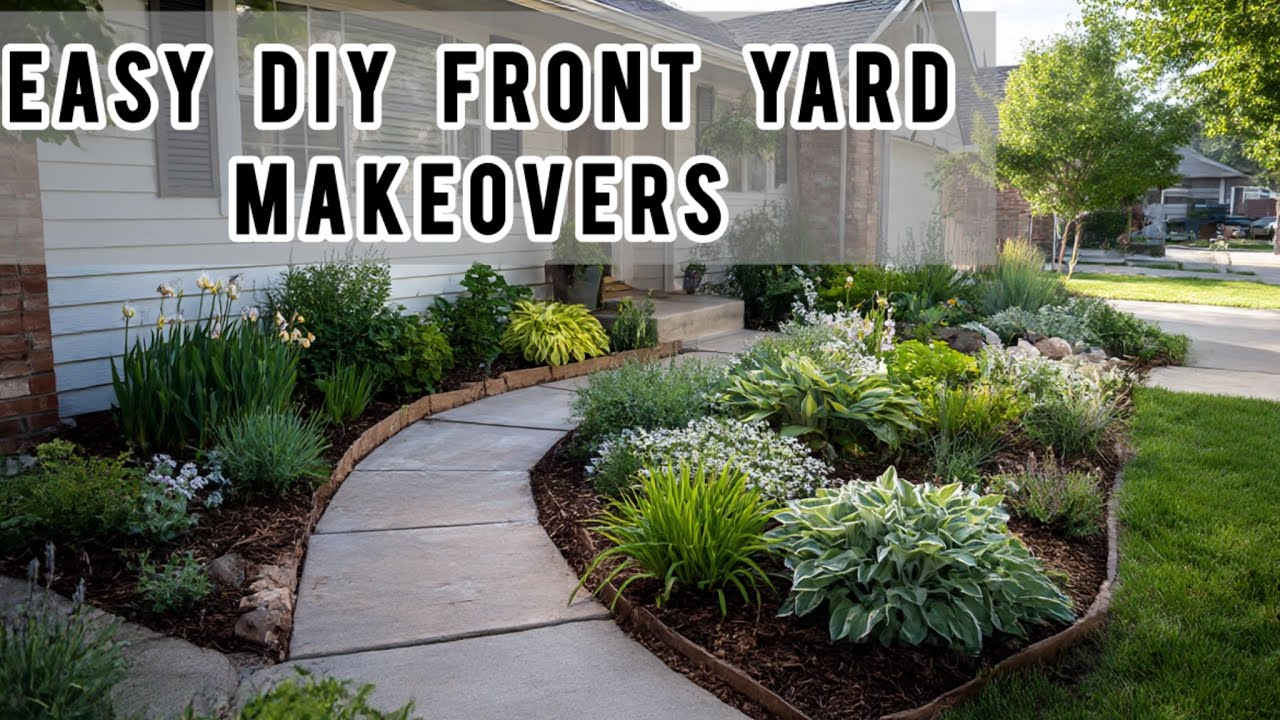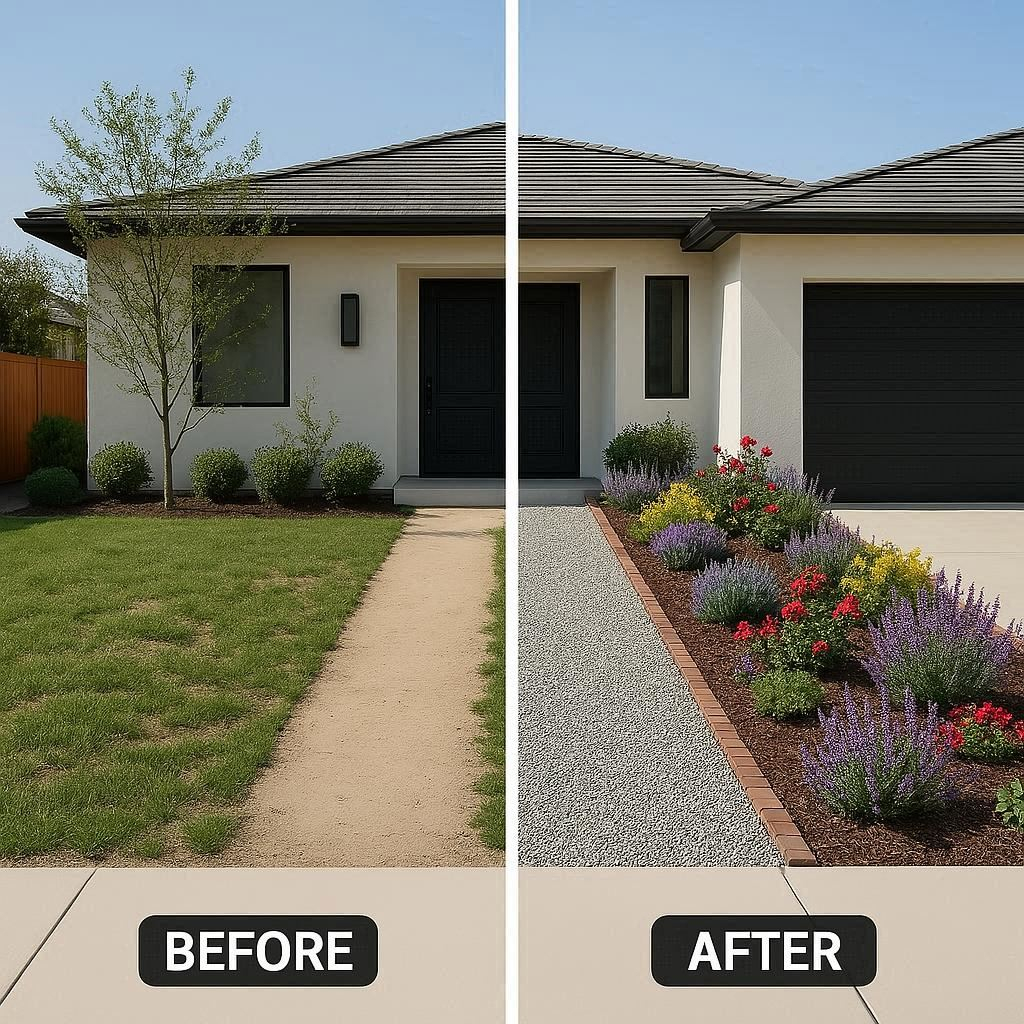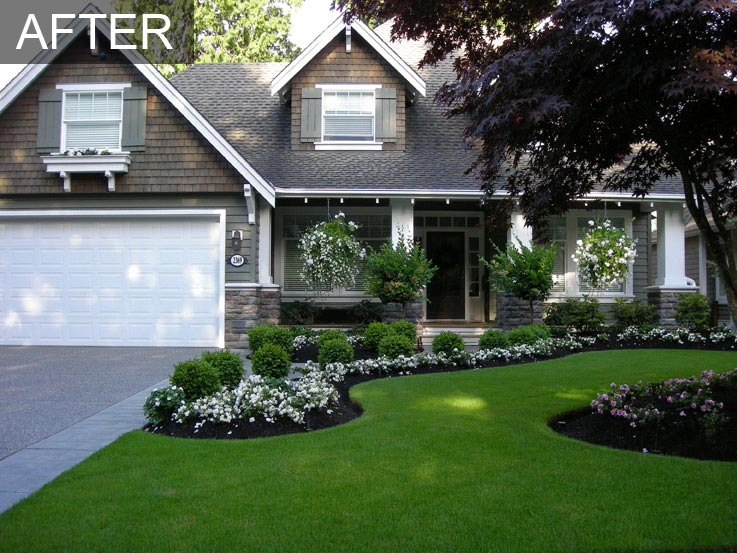

Ever stared at your overgrown yard and felt that familiar pang of guilt? You know, the one that whispers, "I should really do something about those weeds," while you simultaneously dread the thought of spending another weekend battling them. It’s a cycle many of us are stuck in. We buy fancy fertilizers, install complex irrigation systems, and haul home bags of mulch that seem to vanish into thin air. And for what? A lawn that looks okay for a week before turning brown or getting choked out by invasives.
But what if the secret to a stunning, low-maintenance garden wasn’t about buying more stuff? What if it was about buying less?
In 2026, the conversation around landscaping has shifted dramatically. It’s no longer just about curb appeal; it’s about resilience and cost-efficiency. The answer isn’t found in the latest exotic import from a big-box store. It’s right under our feet. Native plants—those species that have evolved in your specific region over thousands of years—are the unsung heroes of affordable landscaping. They don’t just survive; they thrive. And when they thrive, your wallet does too.
The Hidden Cost of "Easy" Exotics
Let’s be honest for a second. When we walk into a garden center, we’re drawn to the flashy. The perfect, uniform roses. The lush, tropical-looking ferns that have no business being in a temperate climate. They look easy. They look manageable. But that’s an illusion. These non-native plants are essentially high-maintenance divas. They demand constant attention because they aren’t adapted to your local soil, weather, or pests.
Think about the water bill alone. In many parts of the country, drought conditions have become the norm rather than the exception. Exotic plants often require supplemental watering just to stay alive. You’re literally paying to keep them from dying. Native plants, on the other hand, have deep root systems that access moisture far below the surface. Once established, they rarely need a hose. That’s hundreds of dollars saved annually on water usage.
Then there’s the chemical treadmill. Non-natives are susceptible to local pests because they haven’t developed natural defenses. So, you buy pesticides. You buy fungicides. You buy fertilizers to boost their weak growth. It’s a never-ending expense. Natives have co-evolved with local insects and diseases. They know how to handle them. You don’t need to spray them. You don’t need to feed them. They just… work. It’s kind of magical, really. And it stops the bleed on your bank account.
Labor is the New Luxury
Time is money. We’ve all heard it, but in landscaping, it’s painfully true. If you’re spending every Saturday morning mowing, edging, pruning, and weeding, you’re working a second job for free. Traditional lawns and exotic beds are labor-intensive. They require constant intervention to look "tidy." But tidy isn’t always healthy, and it’s certainly not cheap.
Native landscapes change the equation. Because these plants are adapted to the local climate, they grow at a natural pace. They don’t shoot up uncontrollably like some invasive vines. They don’t drop leaves in a way that clogs drains or smothers other plants. This means less pruning. Less raking. Less cleanup. Imagine having your weekends back. Imagine spending an hour a month in your garden instead of ten.
Consider the case of the "lazy gardener" approach. By replacing a thirsty turf lawn with a native meadow mix, you eliminate mowing entirely. No gas for the mower. No blade sharpening. No noise. Just a gentle sway of grasses and wildflowers. In 2026, labor costs for professional landscapers have skyrocketed. Doing it yourself is tough on the body. Choosing natives is a way to opt out of the grind. It’s landscaping that respects your time as much as your budget.
Soil Health: The Foundation of Savings
Most people think about plants above ground. But the real magic happens below. Native plants are key to building healthy soil, which is the ultimate cost-saver. When you plant natives, their deep roots break up compacted earth. This improves drainage and aeration naturally. You don’t need to rent an aerator or pay someone to till your yard. The plants do the work for you.
Healthy soil also holds nutrients better. In a conventional garden, nutrients wash away with rain or irrigation, requiring you to add more fertilizer. Native plants, with their extensive root networks, hold the soil in place. They prevent erosion. This means you aren’t losing your topsoil—and the money you spent on it—down the storm drain. Plus, as native plants die back in winter, they add organic matter to the soil. It’s a self-fertilizing system.
This creates a virtuous cycle. Better soil leads to healthier plants. Healthier plants need less care. Less care means lower costs. It’s simple biology, but we’ve forgotten it in our rush for instant gratification. By working with the soil instead of fighting it, you build a landscape that sustains itself. You stop buying bags of compost and start harvesting it from your own garden. It’s frugal, it’s smart, and it’s incredibly effective.
Biodiversity as Pest Control
Here’s a weird truth: you want bugs in your garden. Not the ones that eat your tomatoes, but the ones that eat the ones that eat your tomatoes. Native plants support local biodiversity. They attract beneficial insects, birds, and pollinators. These creatures are your free pest control army.
When you plant a monoculture of exotic shrubs, you create a buffet for specific pests. Without natural predators, those pests explode in number. You then have to intervene with chemicals. But when you plant a diverse mix of natives, you invite in ladybugs, lacewings, and predatory wasps. They keep the bad bugs in check. It’s nature’s balance sheet, and it’s always in the black.
Birds also play a huge role. Native berries and seeds feed local bird populations. Those birds eat insects. Lots of them. By providing habitat, you’re hiring a security team that works for seeds. This reduces the need for any human intervention. You’re not just saving money on pesticides; you’re creating a living ecosystem that regulates itself. It’s fascinating to watch. And it’s completely free.
Long-Term Value vs. Short-Term Fixes
We live in a world of quick fixes. But landscaping is a long game. Exotic plants might look great in the showroom, but how do they handle a heatwave? A freeze? A dry spell? Often, they don’t. They die. And then you have to replace them. This cycle of death and replacement is expensive. It’s frustrating. It’s wasteful.
Natives are built for the long haul. They’ve survived ice ages, droughts, and floods. They are resilient. When you plant a native oak or a local coneflower, you’re planting something that will likely outlive you. That’s value. You buy it once, and it stays. Over five, ten, or twenty years, the savings compound. You aren’t constantly reinvesting in your yard. You’re building an asset.
In 2026, property values are increasingly tied to sustainable features. A landscape that requires little water and care is a selling point. It shows potential buyers that the home is efficient and low-maintenance. You’re not just saving money while you live there; you’re increasing the resale value. It’s an investment that pays dividends in both cash and convenience. Stop thinking of gardening as a chore. Start thinking of it as infrastructure.
So, how do you make the switch? It doesn’t have to be overwhelming. You don’t need to rip out your entire yard overnight. Start small. Pick one corner. One bed. Replace a few high-maintenance plants with native alternatives. Look for local nurseries that specialize in native species. They can guide you to the right choices for your specific microclimate.
Another tip: swap with neighbors. Many gardeners are happy to share divisions of their native perennials. It’s a great way to get free plants and build community. You can also look for local conservation districts or native plant societies. They often hold sales in the spring and fall where prices are significantly lower than retail. It’s a treasure hunt for green thumbs.
Don’t be afraid of imperfection. Native gardens aren’t manicured. They’re wilder. They change with the seasons. Embrace the messiness. Let the leaves stay on the ground in winter to provide habitat. Let the flowers go to seed. It’s not neglect; it’s stewardship. And it costs nothing. In fact, it saves you from the urge to "fix" things that aren’t broken. Just let nature do its thing. You’ll be surprised by how beautiful it is.
The shift to native landscaping isn’t just about saving money. It’s about reconnecting with the place you live. It’s about understanding that you’re part of an ecosystem, not separate from it. When you stop fighting nature and start collaborating with it, everything gets easier. Your wallet gets heavier. Your schedule gets lighter. And your garden? It comes alive.
So, take a look at your yard today. Really look at it. See the struggle? See the cost? Now imagine letting go. Imagine plants that ask for nothing and give everything. It’s not a dream. It’s right there, waiting to grow. All you have to do is plant it. And maybe, just maybe, sit back and watch it flourish.