
The smell of smoke used to be just a distant memory, something from history books or far-off news reports. But lately? It’s different. If you live in the West, or really anywhere getting drier and hotter, that scent triggers a specific kind of anxiety. You look at your backyard—that place where you drink morning coffee, where the kids play, where you try to forget the world for an hour—and you wonder if it’s actually a liability. Is all that lush greenery just fuel waiting for a spark?
It’s a heavy thought. And for years, the advice we got was pretty stark: clear everything out. Make it bare. Make it safe. But let’s be honest, living in a dirt patch isn’t exactly living. It’s surviving. The good news is that the narrative has shifted dramatically by 2026. We’ve learned that safety doesn’t have to mean sterility. In fact, some of the most beautiful, vibrant gardens are also the safest. You don’t have to choose between a sanctuary and a fortress. You can have both.
Think about it. Nature itself is full of fire-resilient landscapes. Look at the high desert after a rain. It bursts with color, texture, and life, yet it’s adapted to survive heat and occasional flames. We’re just learning to mimic that wisdom in our own spaces. It’s not about fighting nature; it’s about working with it. And the result? A yard that looks intentional, curated, and deeply peaceful. A true oasis.
Rethinking the Lawn: From Thirsty Carpet to Smart Ground Cover
Let’s address the elephant in the room: the traditional grass lawn. For decades, it was the status symbol of suburban success. Keep it green, keep it cut, keep it watered. But in 2026, that model feels outdated, even reckless. Grass is essentially a thin layer of fuel sitting on top of dry soil. When water restrictions hit, as they frequently do now, maintaining that green carpet becomes a battle against the climate. And when fire season rolls around, that dried-out turf is the first thing to catch.
Swapping out thirsty grass doesn’t mean you lose your soft, walkable surface. It means you get smarter about what grows there. Native ground covers are the heroes here. Plants like creeping thyme, sedum, or native sedge varieties create a lush, textured look that feels luxurious underfoot but requires a fraction of the water. They stay greener longer because their roots are adapted to local conditions. Plus, many of these options don’t grow tall enough to carry a fire up into the branches of your trees or shrubs. It’s a low-profile defense strategy that looks effortless.
Shay Taylor from Moon Valley Nursery in Carmel Valley has noticed this shift firsthand. She points out that homeowners are often surprised to find they can achieve that "lush" aesthetic without the heavy irrigation bill. The key is choosing plants that are drought-tolerant but still offer that visual density we crave. It’s not about having less; it’s about having the right less. You trade the monoculture of grass for a tapestry of textures. And honestly? It’s more interesting to look at.
The Power of Hardscaping: Rocks, Paths, and Firebreaks
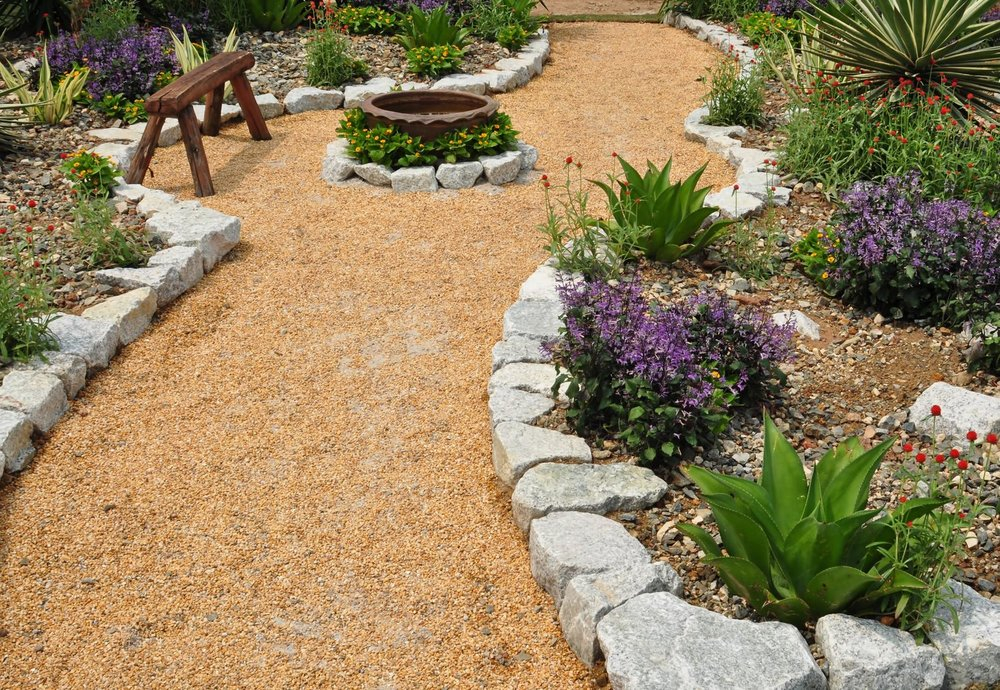
If plants are the soft tissue of your garden, hardscaping is the skeleton. And in a fire-smart design, that skeleton needs to be strong. Non-combustible materials like stone, concrete, brick, and gravel aren’t just practical; they’re design elements that add weight and permanence to your space. Think of them as speed bumps for fire. A wide stone pathway doesn’t just look elegant; it creates a break in the fuel load, slowing down or even stopping a ground fire from reaching your house.
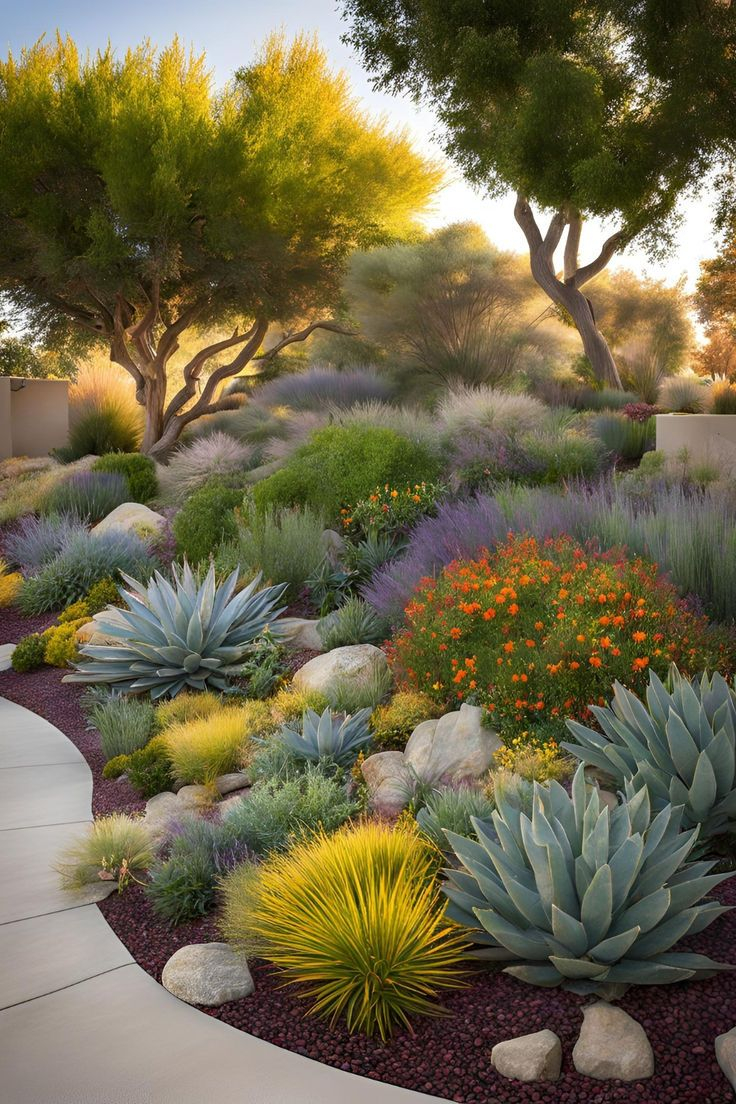
Rock gardens are having a major moment, and for good reason. They’re inherently fire-resistant and require zero water once established. But the trick is to avoid making it look like a quarry. Mix sizes. Use boulders as anchor points, surround them with smaller river rocks, and tuck in succulents or ornamental grasses in the pockets. This layering adds depth and prevents the "dead zone" look. Homes & Gardens noted recently that using rocks and boulders adds character while serving as a useful firebreak. It’s function disguised as art.
Don’t forget about patios and decks. If you’re building new, opt for composite materials or stone rather than wood. If you have an existing wooden deck, keep it clean. Remove leaves, pine needles, and debris from underneath. That accumulation is kindling. By integrating wide, non-flammable zones around your home’s perimeter—what experts call the "defensible space"—you create a buffer. But make that buffer beautiful. A gravel courtyard with a central fire pit (used safely, of course) becomes a gathering spot, not just a safety feature.
Plant Selection: Choosing Beauty That Won’t Burn
Not all plants are created equal when it comes to fire. Some are basically gasoline sticks—think eucalyptus, juniper, or pine trees with lots of resin. Others are moist, slow-burning, and resilient. The goal is to fill your yard with the latter. Native plants are your best bet here. They’ve evolved with the local climate, including the fire cycles. They tend to hold more moisture in their leaves and stems, making them harder to ignite.
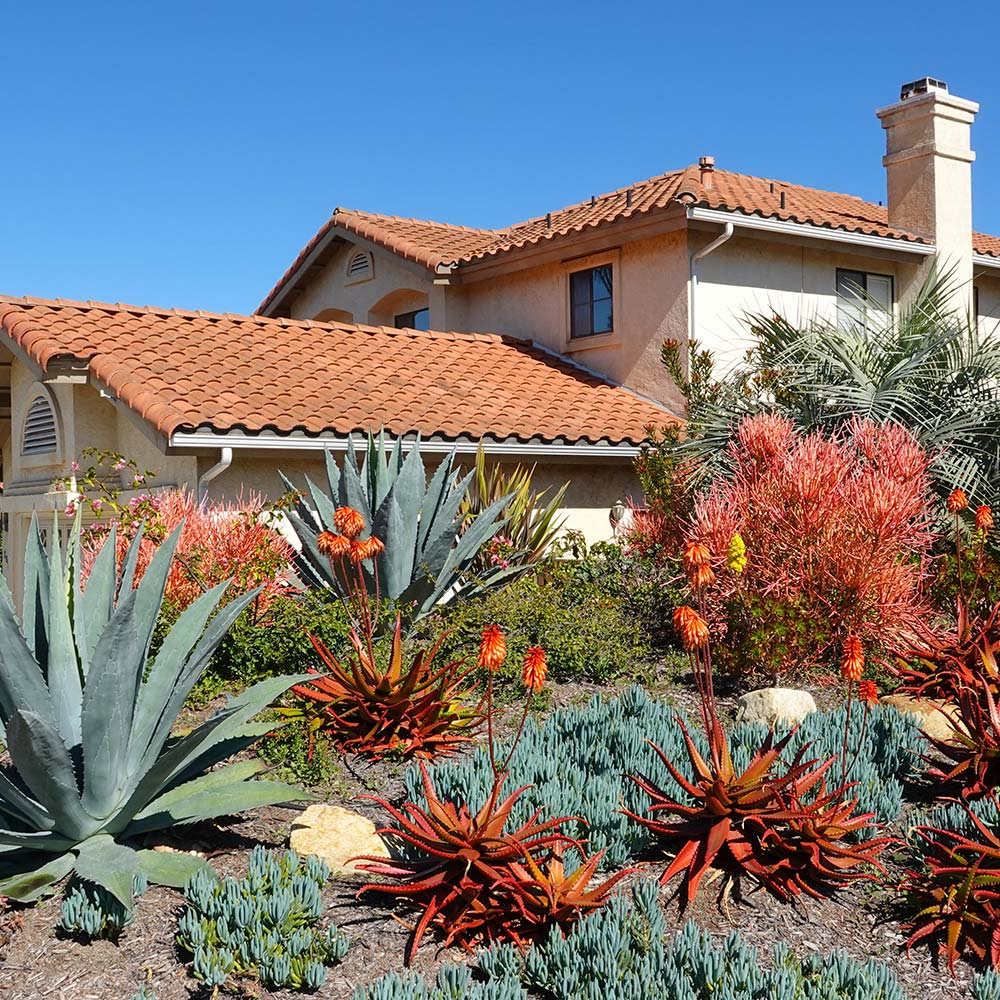
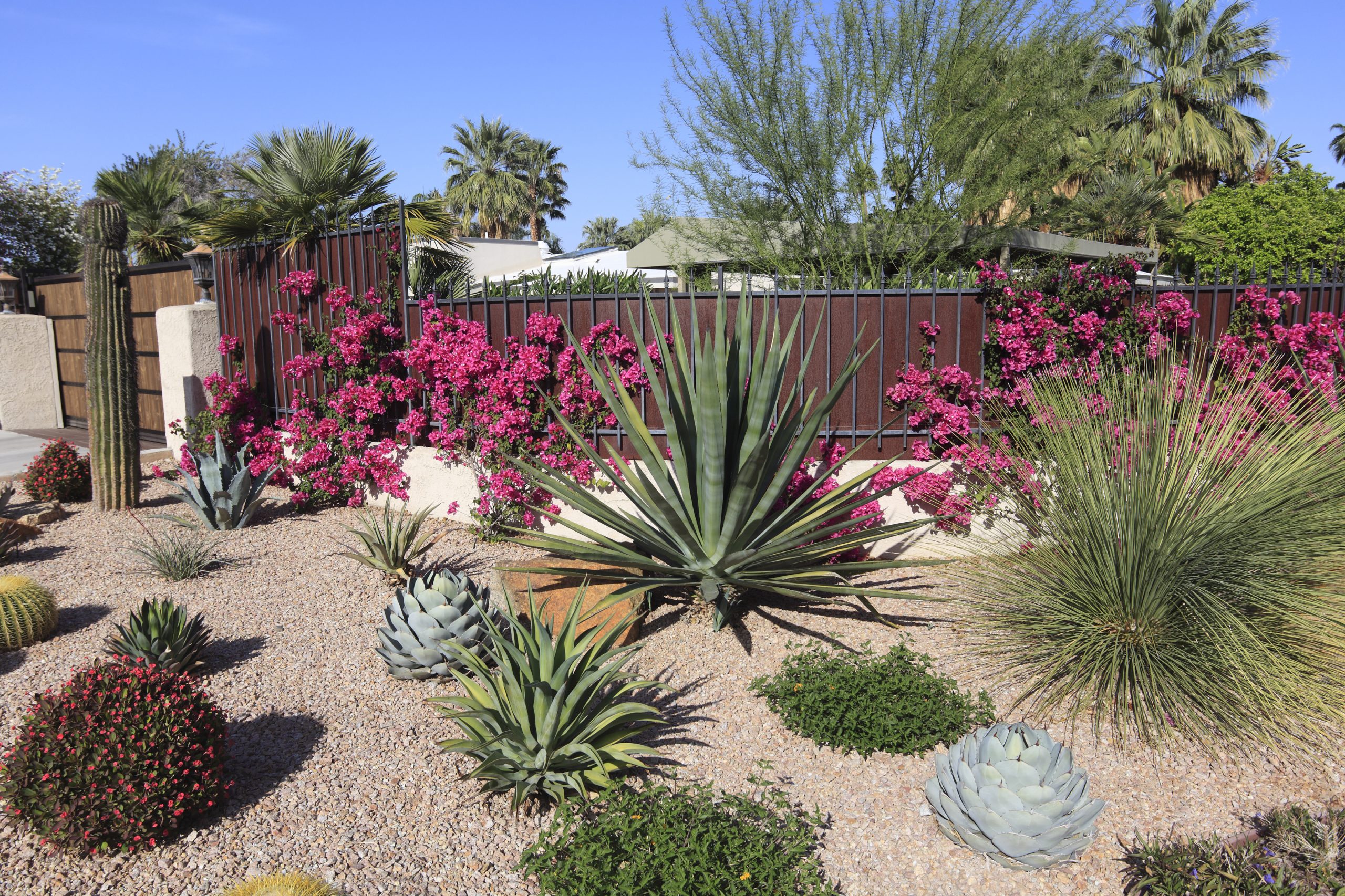
But "fire-resistant" doesn’t mean "ugly." Far from it. Look for plants with high water content in their leaves, like succulents and agaves. They offer sculptural shapes and striking colors. Ornamental grasses can be tricky; some cure out to be very flammable. Choose varieties that stay green or cut them back regularly to remove dead material. Flowering perennials like rockrose (Cistus) or California lilac (Ceanothus) provide bursts of color and are generally low-fuel options if kept pruned and hydrated.
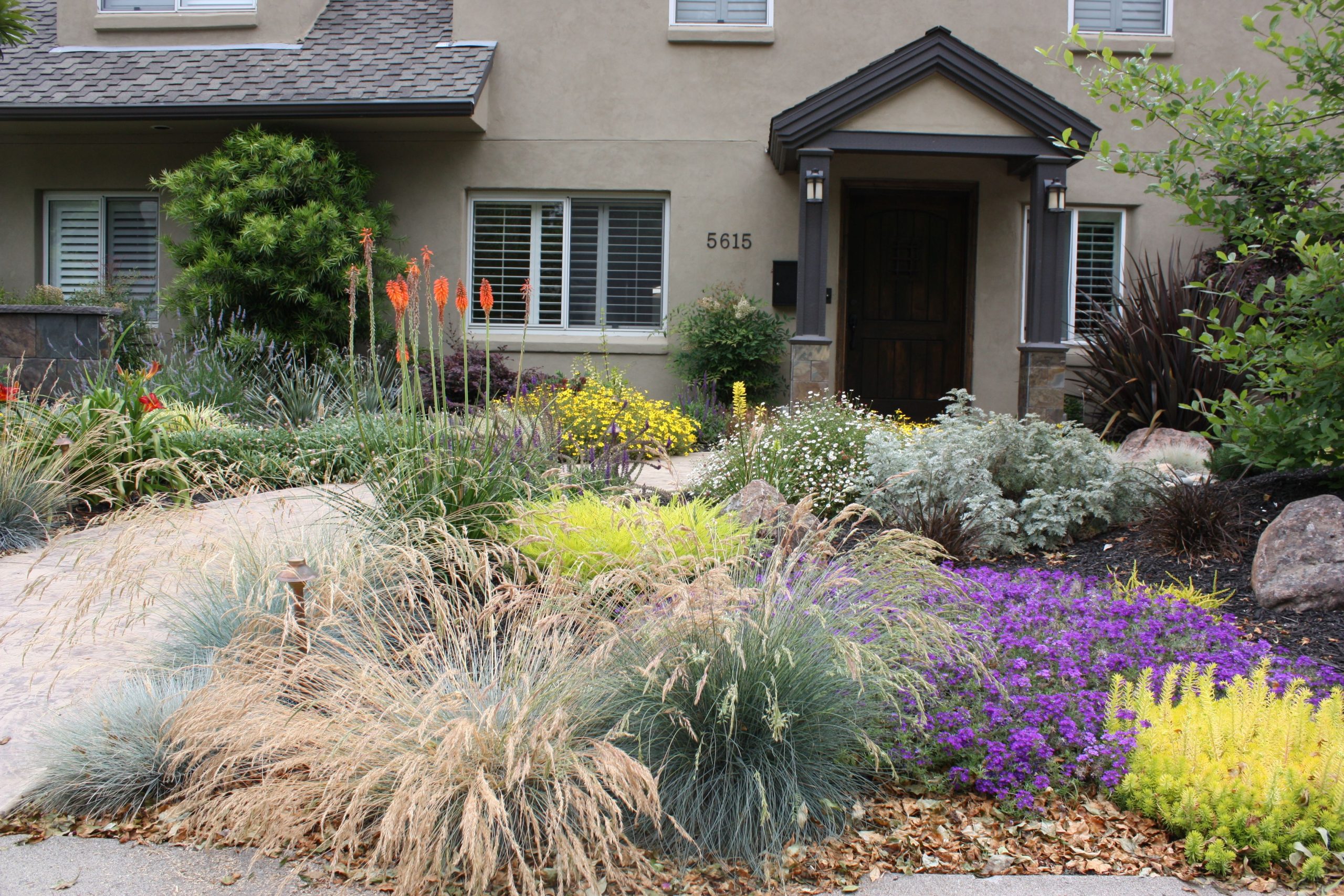
Layering is key to keeping it looking natural. Instead of planting single species in blocks, mix heights and textures. Tall shrubs for privacy in the back, mid-level flowers for eye-level color, and ground covers for the base. This approach, highlighted in recent landscaping trends, creates a sense of depth and interest. It also disrupts the continuity of fuel. A fire needs a continuous path to travel quickly. By breaking up the plantings with gaps, rocks, or paths, you interrupt that path. It’s strategic gardening.
Water Features: The Ultimate Safety and Serenity Element
Water is the obvious antidote to fire, but in landscape design, it’s so much more than just a hose. A well-placed water feature acts as a natural firebreak. Ponds, streams, or even large fountains create a moist microclimate around them. The humidity helps keep nearby plants slightly more hydrated, and the water itself is a barrier that flames can’t cross. Havenory pointed out that a water feature can stop fires in their tracks while transforming the yard into a serene oasis. It’s the ultimate dual-purpose element.
You don’t need a massive lake to make this work. A small koi pond, a bubbling urn, or a recirculating stream can do the job. The sound of moving water also adds a psychological layer of calm. In times of stress—like during fire season—hearing that gentle trickle can lower your heart rate. It connects you to the present moment. And from a practical standpoint, having a source of water in the yard is invaluable for firefighters if the worst happens. Just make sure it’s accessible and clearly marked.
Maintenance matters here too. Stagnant water breeds mosquitoes, which nobody wants. Keep your features clean and circulating. Use native aquatic plants to help filter the water naturally. And consider the placement. Putting a water feature near your patio or deck extends the usable space. It draws you outside. It makes the yard a destination, not just a view from the window. In the dry heat of summer, that visual and auditory cooling effect is priceless.
Smart Tech and Lighting: Illuminating Safety
Lighting often gets overlooked in fire-safe planning, but it’s crucial. Not just for aesthetics, but for safety. During an evacuation, or even just a power outage, being able to see your way out is vital. Low-voltage LED lights along paths, steps, and driveways ensure you can navigate safely in the dark. They’re energy-efficient, long-lasting, and can be powered by solar or battery backups if the grid goes down. Smartstop Self Storage noted that these fixtures create pools of warmth and safety, making the space feel snug and secure.
Technology has also made managing your garden easier and safer. Smart irrigation systems can monitor soil moisture and weather forecasts, adjusting watering schedules automatically. This ensures your plants are healthy and hydrated—making them more fire-resistant—without wasting water. You can control these systems from your phone, turning off zones if a red flag warning is issued. It’s about being proactive rather than reactive.
And let’s talk about fire pits. Yes, having an open flame in a fire-smart yard seems ironic. But controlled fire is different from wildfire. Use a gas-powered fire pit or an ethanol burner instead of wood. They produce no embers, no sparks, and can be turned off instantly. Place them on a non-combustible surface, away from overhanging branches. With infrared heaters and smart controls, you can extend the use of your patio into cooler months, making your outdoor space a year-round retreat. It’s about enjoying the warmth without the risk.
Here’s the truth: no landscape is "fire-proof." It’s all about risk reduction. And that comes down to maintenance. A beautiful garden is a tended garden. Regular pruning removes dead wood and dry leaves, which are the primary fuels for fast-moving fires. Keep your trees limbed up—at least six feet from the ground—to prevent ground fires from climbing into the canopy. This "laddering" effect is how fires jump from the ground to the roof of your house. Breaking that ladder is one of the most effective things you can do.
Clean up the debris. Leaves, pine needles, and dead branches accumulate quickly, especially in corners and against fences. These areas are often ignored but are high-risk zones. Make it a habit to sweep your hardscapes weekly during fire season. It’s a small task, but it makes a huge difference. Also, store firewood, propane tanks, and other combustible materials away from the house. Ideally, keep them in a detached shed or at least 30 feet away from any structure.
Finally, connect with your neighbors. Fire doesn’t respect property lines. If your yard is fire-smart but your neighbor’s is a tinderbox, you’re still at risk. Talk to them. Share tips. Maybe even coordinate on planting choices or cleanup days. Community resilience is just as important as individual preparation. When everyone takes small steps, the whole neighborhood becomes safer. It’s a collective effort, and it builds connection. In a world that often feels fragmented, that shared purpose is a gift.
Creating a fire-smart oasis isn’t about fear. It’s about respect. Respect for the climate, for the land, and for the beauty that can thrive within those boundaries. It’s about designing a space that protects you while nurturing your soul. As we move further into 2026, the gardens that will endure are those that work with nature, not against it. So go ahead. Plant that succulent. Lay that stone path. Install that fountain. Make your backyard a place of peace, knowing it’s also a place of safety. You’ve got this.