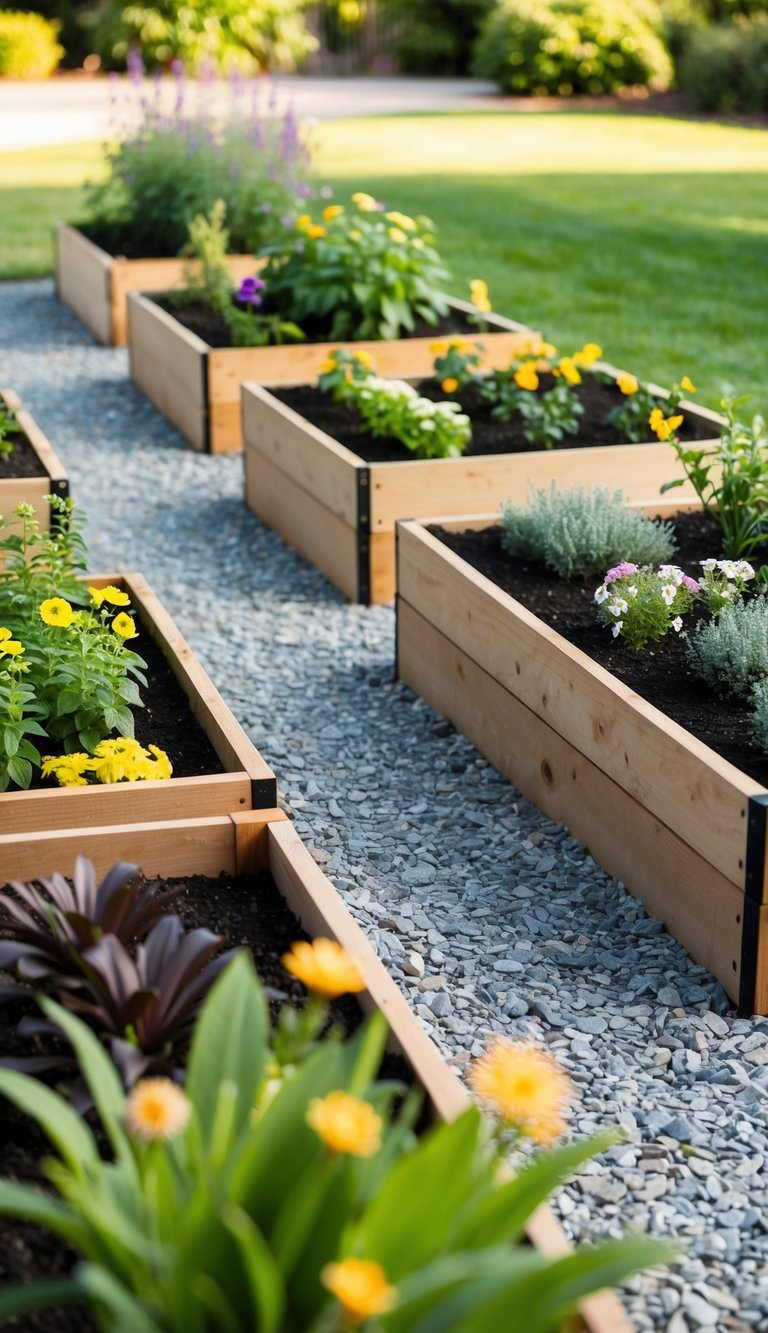

Ever looked at your wilting petunias or that patch of dirt that refuses to grow anything but weeds and felt a pang of guilt? Maybe you thought about buying expensive compost, fancy raised bed kits, or those trendy organic fertilizers that cost more than your grocery bill. But hold on. Before you open your wallet, take a look around your house. Really look. That pile of cardboard from last week’s online orders? Gold. The eggshells from breakfast? Calcium powerhouses. The hair from your shower drain? Nitrogen boosters.
We’ve been conditioned to think gardening requires a trip to the big-box store. But in 2026, with inflation still biting and sustainability becoming less of a buzzword and more of a necessity, the smartest gardeners are looking inward. They’re realizing that the best amendments aren’t shipped in plastic bags; they’re sitting in their kitchen bins, bathroom cabinets, and recycling boxes. It’s not just about saving cash, though that’s a nice bonus. It’s about closing the loop. It’s about seeing waste not as trash, but as misplaced resources.
This isn’t some hippie-dippie theory. It’s practical, gritty, real-world gardening. You don’t need a degree in horticulture. You just need to shift your perspective. What if I told you that your morning coffee routine could fix your clay soil? Or that those old jeans in the back of your closet could suppress weeds better than plastic landscape fabric? Let’s dig in. Literally.
Kitchen Scraps: The Immediate Soil Boosters
Let’s start where you spend most of your morning: the kitchen. We toss out incredible nutrients every single day. Banana peels are the classic example, sure, but there’s so much more. Those peels are packed with potassium, which helps plants move water and nutrients between cells. Instead of throwing them in the bin, chop them up and bury them an inch deep near your tomato plants or roses. They’ll break down quickly, feeding the roots directly. It’s like giving your plants a slow-release vitamin pill.
Then there’s coffee grounds. If you’re a daily brewer, you’re sitting on a goldmine of nitrogen. Acid-loving plants like azaleas, blueberries, and hydrangeas go crazy for this stuff. But here’s the trick: don’t just dump a thick layer on top, or it can mold and repel water. Mix it into the topsoil or sprinkle it lightly over your compost pile. In 2026, many local cafes even offer used grounds for free if you ask, so you can scale this up without spending a dime. Just remember, moderation is key. Too much can alter soil pH too drastically.
Don’t forget the eggshells. Rinse them, let them dry, and crush them into a fine powder. A blender works great for this if you have an old one dedicated to non-food tasks, or just use a mortar and pestle. Sprinkle this calcium-rich dust around your peppers and tomatoes to prevent blossom end rot, a common issue where the bottom of the fruit turns black and mushy. It’s a simple fix for a frustrating problem, and it costs absolutely nothing. Plus, the sharp edges can deter soft-bodied pests like slugs, acting as a tiny, natural barrier.
Cardboard and Paper: The Weed-Smothering Blanket
Online shopping isn’t going away, which means we all have a steady supply of cardboard boxes. Instead of breaking them down for recycling immediately, use them in your garden. Cardboard is fantastic for sheet mulching, also known as lasagna gardening. It blocks sunlight, killing existing weeds and grass without the need for harmful herbicides. Over time, it breaks down, adding carbon to your soil and encouraging earthworm activity. Worms love cardboard. They’ll tunnel through it, aerating your soil as they go.
To do this, lay out sheets of plain cardboard over the area you want to plant. Remove any tape or plastic labels first, as those don’t decompose well. Overlap the edges by at least six inches to prevent weeds from sneaking through the gaps. Wet the cardboard thoroughly—this helps it conform to the ground and starts the decomposition process. Then, layer organic matter on top. You can use grass clippings, leaves, straw, or even more kitchen scraps. This creates a new garden bed right on top of the old one, no digging required.
Newspaper works too, though it’s thinner and breaks down faster. Layer ten to twelve sheets together to get enough thickness to block light. It’s particularly useful for pathways between beds or for suppressing weeds in established flower beds where you can’t easily lay large sheets of cardboard. Just avoid glossy inserts or colored inks, as some older inks contained heavy metals. Most modern soy-based inks are safe, but when in doubt, stick to the black-and-white newsprint. It’s a humble material, but it does heavy lifting in the garden.
Bathroom and Laundry Leftovers: Unexpected Nutrients
This might sound weird, but hear me out. Human hair and pet fur are excellent sources of nitrogen. Hair is made of keratin, a protein that breaks down slowly, releasing nitrogen over time. It’s perfect for leafy greens like lettuce and spinach that need a steady feed. Collect the hair from your shower drain or brush your dog outside and scatter the clumps around the base of your plants. It also acts as a deterrent for deer and rabbits, who dislike the scent and texture. It’s a two-for-one deal: fertilizer and fence.
Lint from your dryer is another underrated resource. If you dry natural fibers like cotton, wool, or linen, that lint is basically pre-shredded organic matter. It’s great for mixing into heavy clay soils to improve drainage and aeration. Just make sure you’re not using lint from synthetic fabrics like polyester or nylon, as those will just add microplastics to your soil, which is the last thing we want in 2026. Check your filter before each load. If it’s fluffy and white, it’s likely cotton. Toss it in the compost or work it directly into the top few inches of soil.
What about urine? Yeah, it’s awkward, but it’s sterile (when you’re healthy) and packed with nitrogen, phosphorus, and potassium. It’s essentially a free, balanced liquid fertilizer. The key is dilution. Mix one part urine with ten parts water. Use it to water your non-edible ornamentals or fruit trees, avoiding leafy greens that you eat raw due to potential pathogen risks, however small. It’s an ancient practice that’s making a comeback among sustainable gardeners. Don’t let the taboo stop you from using a resource that’s literally flowing away every day.
Old Clothes and Textiles: Mulch and Protection
Fast fashion has left us with closets full of clothes we don’t wear. Cotton t-shirts, denim jeans, and wool sweaters can all find a second life in the garden. Natural fibers decompose and add organic matter to the soil. Cut old cotton shirts into strips and use them as ties for staking tomatoes or beans. They’re soft, so they won’t damage the plant stems like plastic twine or wire can. As the season ends, you can leave them there to rot, or pull them out if you want to reuse them next year.
Denim is tough and durable. Shred old jeans into chunks and use them as a long-lasting mulch around perennial plants. They break down slower than cotton, providing weed suppression for a longer period. They also help retain moisture in the soil, reducing the need for frequent watering during hot summer months. Just remove any metal zippers, buttons, or rivets first. Those don’t belong in the soil. This is a great way to deal with those stiff, uncomfortable jeans that never quite fit right.
Wool sweaters or socks can be cut up and placed at the bottom of planting holes for water retention. Wool absorbs many times its weight in water and releases it slowly as the soil dries out. This is incredibly helpful for container gardens or sandy soils that drain too quickly. It’s like installing a tiny reservoir for your plant’s roots. Plus, wool contains nitrogen, so as it decomposes, it feeds the plant. It’s a bit of effort to cut them up, but the payoff in plant health is worth it.
Yard Waste and Neighborhood Foraging: The Free Loop
Grass clippings are often treated as waste, but they’re a fantastic source of nitrogen and moisture retention. If you don’t use chemical herbicides on your lawn, spread thin layers of clippings around your garden beds. Don’t pile them thick, or they’ll mat down and smell bad. A half-inch layer is plenty. They break down fast, feeding the soil microbes. If you have a lot, add them to your compost pile to heat it up. Green materials like grass balance out brown materials like leaves.
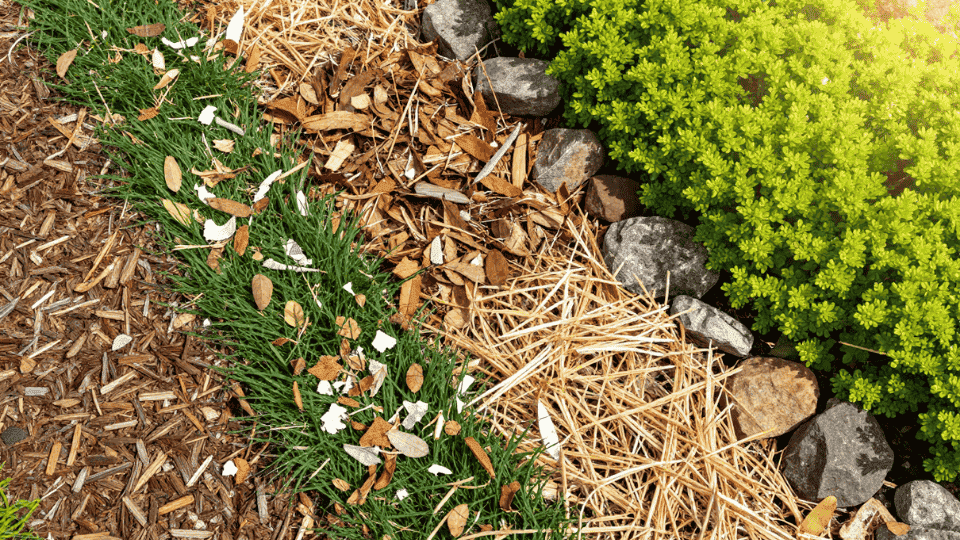
Fallen leaves are nature’s mulch. Instead of bagging them up for curbside pickup, shred them with a mower and spread them over your garden beds in the autumn. They protect plant roots from freezing temperatures, prevent soil erosion, and add valuable organic matter as they decompose over winter. By spring, they’ll have broken down into leaf mold, a rich, crumbly substance that improves soil structure. Oak leaves are acidic, so use them around acid-loving plants. Maple leaves are more neutral and work well everywhere.
Look beyond your own yard. In 2026, community sharing apps and neighborhood groups are full of people giving away free mulch, wood chips, or manure. Arborists often drop off wood chips for free if you ask, as they need to dispose of them. Horse stables frequently give away aged manure. Just make sure any manure is well-composted to avoid burning your plants or introducing weed seeds. A little networking can save you hundreds of dollars in soil amendments. It’s about building connections, not just growing plants.
Water is precious, and in many places, it’s getting expensive. You can create simple irrigation systems using plastic bottles. Poke small holes in the cap of a two-liter soda bottle, bury it upside down next to your thirsty plants, and fill it with water. It seeps out slowly, delivering water directly to the roots where it’s needed most. This reduces evaporation and runoff, ensuring every drop counts. It’s especially useful for newly planted trees or shrubs that need consistent moisture to establish.
Old windows or shower doors can be repurposed into mini-greenhouses or cold frames. Lean them against a south-facing wall to create a warm spot for starting seeds early in the spring or extending the growing season in the fall. Even a clear plastic shower curtain stretched over a frame of old branches can trap heat and humidity, protecting tender plants from unexpected frosts. These micro-climates can give you a few extra weeks of growing time, which makes a huge difference in cooler climates.
Rock and stone arrangements can also help manage temperature. Dark stones absorb heat during the day and release it at night, warming the soil around heat-loving plants like peppers and eggplants. Light-colored stones reflect heat, keeping the soil cooler for crops like lettuce and spinach. Arrange them strategically around your beds to create favorable conditions for different plants. It’s passive solar gardening, using physics instead of electricity to control your garden’s environment. No bills, no fuss.
So, there you have it. A whole new way to look at your home and your garden. It’s not about having the perfect tools or the biggest budget. It’s about observation and creativity. It’s about seeing the potential in what others discard. When you start using these zero-cost materials, you’re not just saving money. You’re participating in a cycle of renewal. You’re telling the earth that you respect its resources.
The beauty of this approach is that it’s forgiving. If you mess up the ratio of urine to water, you can flush it out. If the cardboard doesn’t break down fast enough, you can till it in. Gardening is a conversation with nature, not a lecture. Listen to your plants. Watch how they respond to the banana peels or the hair mulch. Adjust as you go. Every garden is unique, and every gardener learns by doing.
Start small. Pick one thing from this list—maybe the eggshells or the cardboard—and try it this weekend. See what happens. Notice the worms. Smell the soil. Feel the connection. You might find that the most rewarding part of gardening isn’t the harvest, but the ingenuity it sparks in you. And hey, if you make a spelling mistake in your garden journal, nobody cares. The plants won’t judge. They’ll just grow.