
Let’s be honest. Nobody actually likes staring at their neighbor’s laundry hanging on the line. Or watching them grill burgers while you’re trying to enjoy a quiet cup of coffee on your patio. We all crave that little bubble of personal space, don’t we? But traditional fences? They’re expensive. They’re rigid. And frankly, they can make your yard feel like a cage rather than a sanctuary. Plus, in 2026, with material costs still fluctuating, dropping thousands on vinyl or cedar just doesn’t sit right with many homeowners.
There is a better way. A greener way. Imagine a wall that breathes. One that smells like jasmine in the summer or offers bright berries in the winter. This isn’t just about blocking views; it’s about creating a living room outdoors. By choosing the right plants, you can get that "instant" feeling of seclusion much faster than you’d think. Sure, trees take decades, but shrubs and specific hedge varieties? They work overtime. Let’s dig into how you can swap cold hard barriers for lush, leafy screens that grow fast and look even better.
Why Living Walls Beat Wooden Barriers
Think about the last time you stood next to a tall wooden fence on a hot July day. It radiates heat, right? It creates a dead zone where nothing really thrives because of the shadow and the reflected warmth. A living hedge does the opposite. It cools the air through transpiration. It absorbs sound instead of bouncing noise back at you. If you live near a busy street, you know that constant hum of traffic. A dense hedge acts as a sound buffer, soaking up those decibels so your backyard feels like a retreat, not a front-row seat to the highway.
Then there is the aesthetic factor. Fences divide. Hedges unite. They soften the hard lines of your home and blend your property into the landscape rather than cutting it off. In recent years, landscaping trends have shifted heavily toward "biophilic design"—basically, bringing nature into our daily lives to reduce stress. A green wall does exactly that. It changes with the seasons. You get spring flowers, summer shade, autumn color, and even winter structure if you pick the right evergreens. It’s dynamic. It’s alive. And it adds value to your home in a way that a rotting wooden plank never could.
Also, consider the wildlife. Birds love hedges. Bees love flowering hedges. By planting a screen, you are creating a mini-ecosystem. You might spot a wren nesting in the branches or butterflies fluttering around the blooms. This connection to nature is something we’ve been missing out on with sterile vinyl fences. It makes your yard feel part of the world, not separate from it. And honestly, who doesn’t want a bit more life in their outdoor space?
The Speedsters: Bamboo and Its Cousins
When people hear "fast growth," bamboo is usually the first thing that pops into their heads. And for good reason. Some species can grow several feet in a single day. It’s impressive. It’s also a bit terrifying if you don’t do your homework. Bamboo is aggressive. It spreads via underground rhizomes that can pop up in your neighbor’s yard or crack your foundation if you aren’t careful. So, if you go this route, you must choose "clumping" varieties rather than "running" ones. Clumping bamboo stays in a tight cluster, making it manageable and perfect for a tall, slender screen.
Look for varieties like Fargesia or Bambusa. These are non-invasive and create a dense, tropical look that feels exotic and private. They grow quickly, often reaching full height in just two or three seasons. That’s pretty instant in gardening terms. Plus, the sound of wind rustling through bamboo leaves is incredibly soothing. It adds an auditory layer to your privacy that other plants just can’t match. Just remember to install a root barrier if you are even slightly worried about spread, although clumping types are generally safe.
If bamboo feels too risky or too tropical for your climate, consider giant reed grass or certain ornamental grasses. While not true hedges, when planted in dense rows, they create a visual screen that sways beautifully. They die back in winter in colder zones, so they aren’t year-round solutions everywhere, but for summer privacy, they are unbeatable. They establish fast, require less water than you’d think once established, and add a modern, architectural vibe to the garden. It’s a low-maintenance option for those who want height without the hassle of pruning thick woody stems.
The Reliable Evergreens: Arborvitae and Leyland Cypress
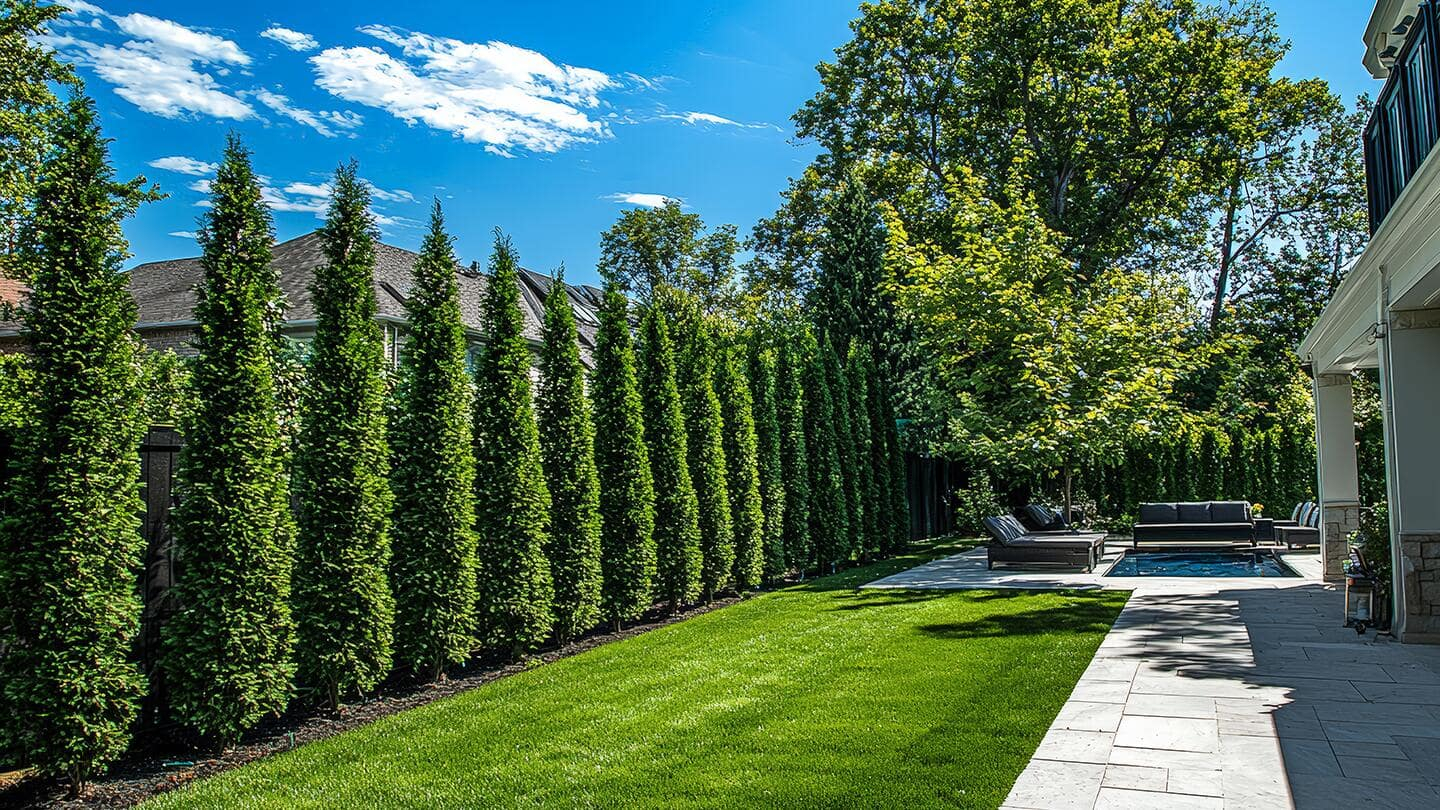
For many homeowners, the gold standard of privacy hedges remains the evergreen. Specifically, the Emerald Green Arborvitae and the Leyland Cypress. These are the workhorses of the landscaping world. Why? Because they keep their leaves (needles) all year round. You don’t lose your privacy in December. The Emerald Green Arborvitae is narrow, meaning you can plant them closer together in smaller yards. They grow about a foot a year, which is decent, and they stay a manageable width without constant trimming.
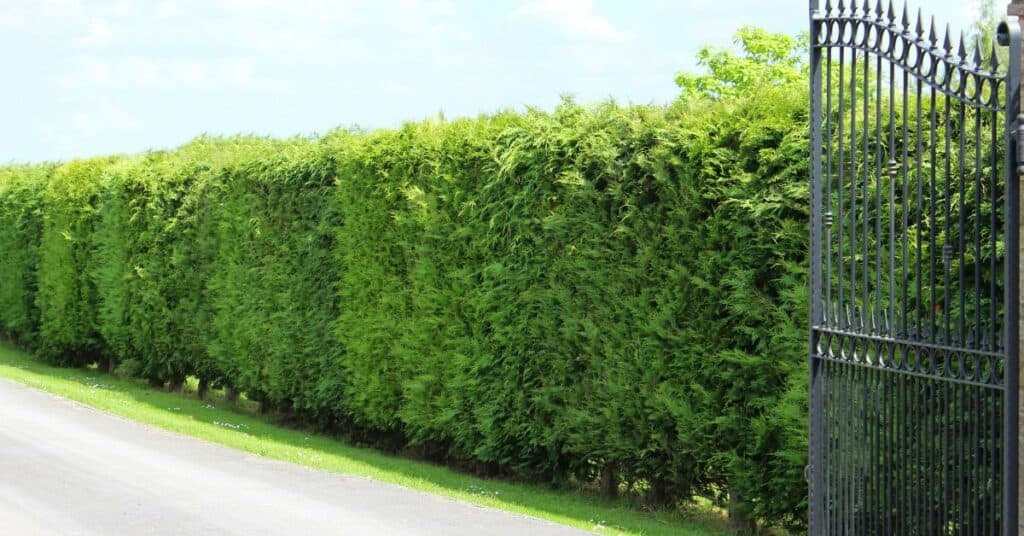
The Leyland Cypress is the sprinter of the group. It can grow three to four feet a year in ideal conditions. If you need a tall screen fast—like, "I have a two-story neighbor looking into my bedroom" fast—this is your guy. It gets huge, though. We’re talking 60 feet tall if you let it. So, you have to commit to pruning. If you ignore a Leyland, it will eventually overwhelm your yard. But if you keep it trimmed, it forms a solid, impenetrable wall of green. It’s dense, it’s dark, and it blocks everything.
One thing to watch out for in 2026 is disease resistance. Some older cypress varieties have struggled with blight in certain regions. Always check with your local nursery for disease-resistant cultivars. Planting them with good air circulation helps too. Don’t pack them in too tight. Give them room to breathe, literally. These trees hate wet feet, so ensure your soil drains well. If you have clay soil, you might need to amend it or raise the planting bed. A little prep work goes a long way in ensuring these fast growers don’t become fast diers.
Flowering Screens: Privet, Lilac, and Photinia
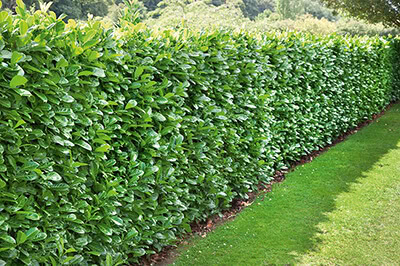
Who says privacy has to be boring green? Flowering hedges offer seclusion with a side of perfume and color. Privet is a classic choice. It’s tough, it grows fast, and it takes pruning like a champ. You can shape it into a formal box hedge or let it grow loose and natural. The white flowers in spring are fragrant, though some people find the scent a bit strong. It’s also semi-evergreen in milder climates, meaning it holds some leaves in winter, providing partial privacy when you need it most.
Lilacs are another beautiful option, especially for those in cooler climates. They don’t form a solid wall like a cypress, but a double row of lilacs creates a thick, fragrant barrier that blooms spectacularly in spring. It’s more of a seasonal privacy screen, but the emotional boost of those flowers is worth it. For year-round interest, look at Red Tip Photinia. The new growth comes out bright red, turning green as it matures. It’s visually striking and grows quickly. It’s also very dense, making it hard to see through.
The downside to flowering hedges is maintenance. You often have to prune them after they bloom to keep them shaped and healthy. If you skip this, they can get leggy and sparse at the bottom. But the trade-off is beauty. Imagine sipping your morning tea surrounded by blooming lilacs or photinia reds. It feels luxurious. It feels intentional. And it invites pollinators into your space, adding life and movement to your private retreat. Just be mindful of allergies; if you or your neighbors are sensitive to pollen, stick to less fragrant varieties or non-flowering evergreens.
The Low-Maintenance Heroes: Holly and Boxwood Alternatives
Not everyone has time to prune every weekend. If you want a "plant it and forget it" vibe, look toward hollies and newer boxwood alternatives. American Holly is native to many parts of the US, making it eco-friendly and resilient. It grows moderately fast, especially when young, and provides dense coverage. Plus, the red berries in winter are a feast for birds and a pop of color against the snow. It’s prickly, which adds an extra layer of security against intruders (both human and animal).
Traditional boxwood is slow-growing and prone to blight, so many gardeners in 2026 are switching to alternatives like Ilex crenata (Japanese Holly) or Little Gem Magnolia. Ilex crenata looks just like boxwood but grows faster and resists disease better. It’s perfect for lower hedges or defining boundaries without blocking light. Little Gem Magnolia is a standout for taller screens. It has glossy green leaves and huge, fragrant white flowers. It grows faster than standard magnolias and stays narrower, making it ideal for side yards.
These options are generally tougher against pests and diseases. They handle drought better once established. And they don’t demand the precise shearing that formal hedges do. You can let them grow a bit more naturally, which reduces your workload. The key is spacing. Give them enough room to reach their mature width so you aren’t fighting them later. A little patience in the first year pays off with years of easy care. It’s about working with nature, not against it.
Buying the plants is only half the battle. How you plant them determines how fast they grow and how healthy they stay. First, soil prep is non-negotiable. Dig a hole twice as wide as the root ball, but no deeper. Mix in some compost or organic matter to help with drainage and nutrients. Most fast-growing plants are hungry feeders. They need fuel to shoot up those feet per year. Don’t skimp on the initial feeding. A slow-release fertilizer at planting time gives them a strong start.
Watering is critical in the first two years. Even "drought-tolerant" plants need consistent moisture to establish their roots. Set up a drip irrigation system if you can. It saves water and delivers it directly to the roots where it’s needed. Hand watering often misses the deep root zone. Mulch is your friend too. A two-inch layer of mulch keeps the soil cool, retains moisture, and suppresses weeds that compete for nutrients. Just keep the mulch away from the trunk to prevent rot.
Finally, think about long-term growth. It’s tempting to plant small, cheap saplings to save money. But if you want "instant" seclusion, buy bigger. Nursery-grown five-foot trees cost more, but they give you immediate height and fill in faster. Check local regulations too. Some HOAs or cities have rules about hedge heights or species. Know the rules before you dig. And talk to your neighbors. A shared hedge can be a bonding experience, splitting costs and maintenance. It turns a boundary into a bridge.
Creating a private oasis doesn’t have to mean erecting cold, hard barriers. Nature offers us faster, softer, and more beautiful solutions. Whether you choose the towering speed of a Leyland Cypress, the exotic sway of clumping bamboo, or the fragrant charm of lilacs, you are investing in a living space that grows with you. It’s not just about hiding from the world; it’s about creating a world within your own yard. A place to breathe, to relax, and to connect with the earth.
So, skip the fence. Embrace the green. Your future self, sipping coffee in a secluded, leafy sanctuary, will thank you. Start small if you need to, but start now. Every branch planted is a step toward that peace we all crave. And remember, gardening is a journey, not a race. Enjoy the process. Watch them grow. And enjoy the silence.