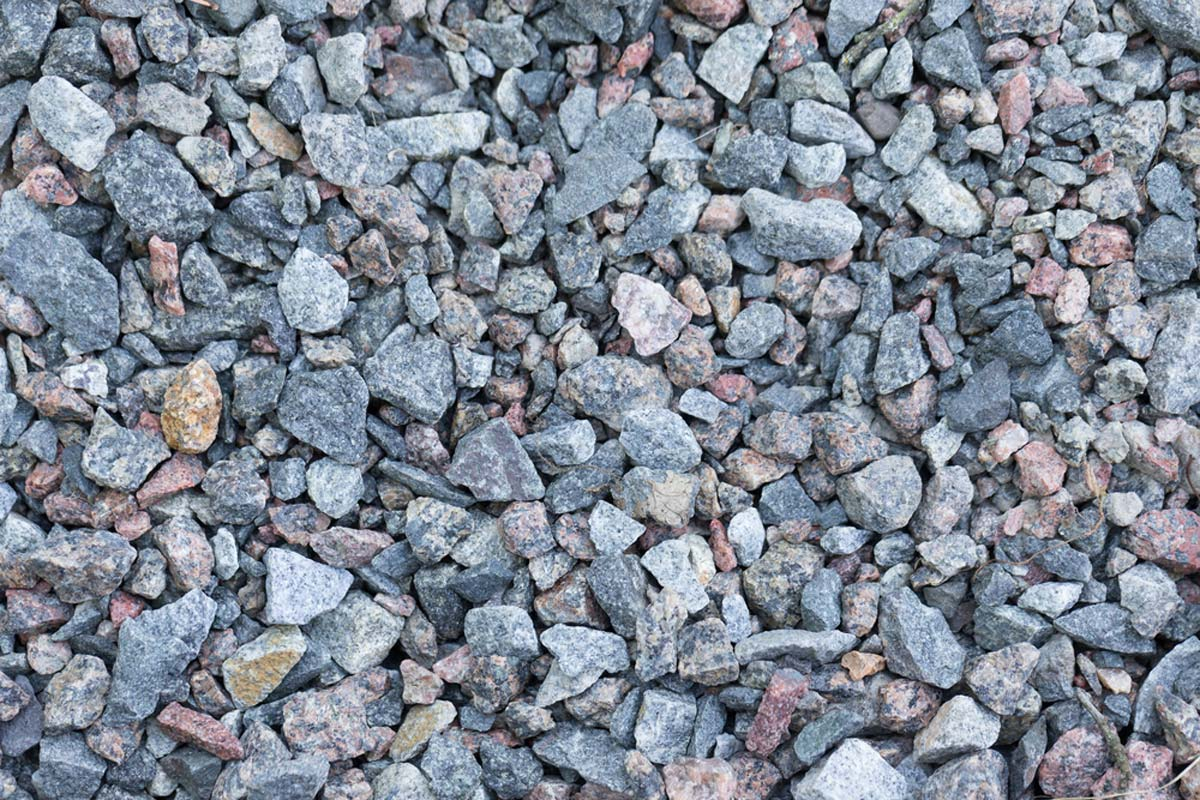

You call three different suppliers. You ask for the same thing: a load of crushed stone for your driveway. The first guy says $400. The second says $650. The third doesn’t even pick up. It’s frustrating, right? You start wondering if someone is trying to rip you off. Or maybe you’re just confused about what a "ton" even means in this context.
Here’s the truth: nobody is necessarily lying. Crushed stone isn’t like buying a gallon of milk. The price tag on the shelf is never the same because there is no shelf. It’s a raw material pulled from the earth, moved by heavy machines, and hauled across miles of road. In 2026, with fuel costs still bouncing around and supply chains settling into a new normal, those variations are bigger than ever.
Let’s break it down. We’re going to look at why that quote changes so much, what’s actually driving the cost, and how you can stop guessing and start knowing. Whether you’re fixing a pothole or building a massive retaining wall, understanding the math behind the mud and rock saves you money. And sanity.
The Material Itself: Not All Rock Is Created Equal
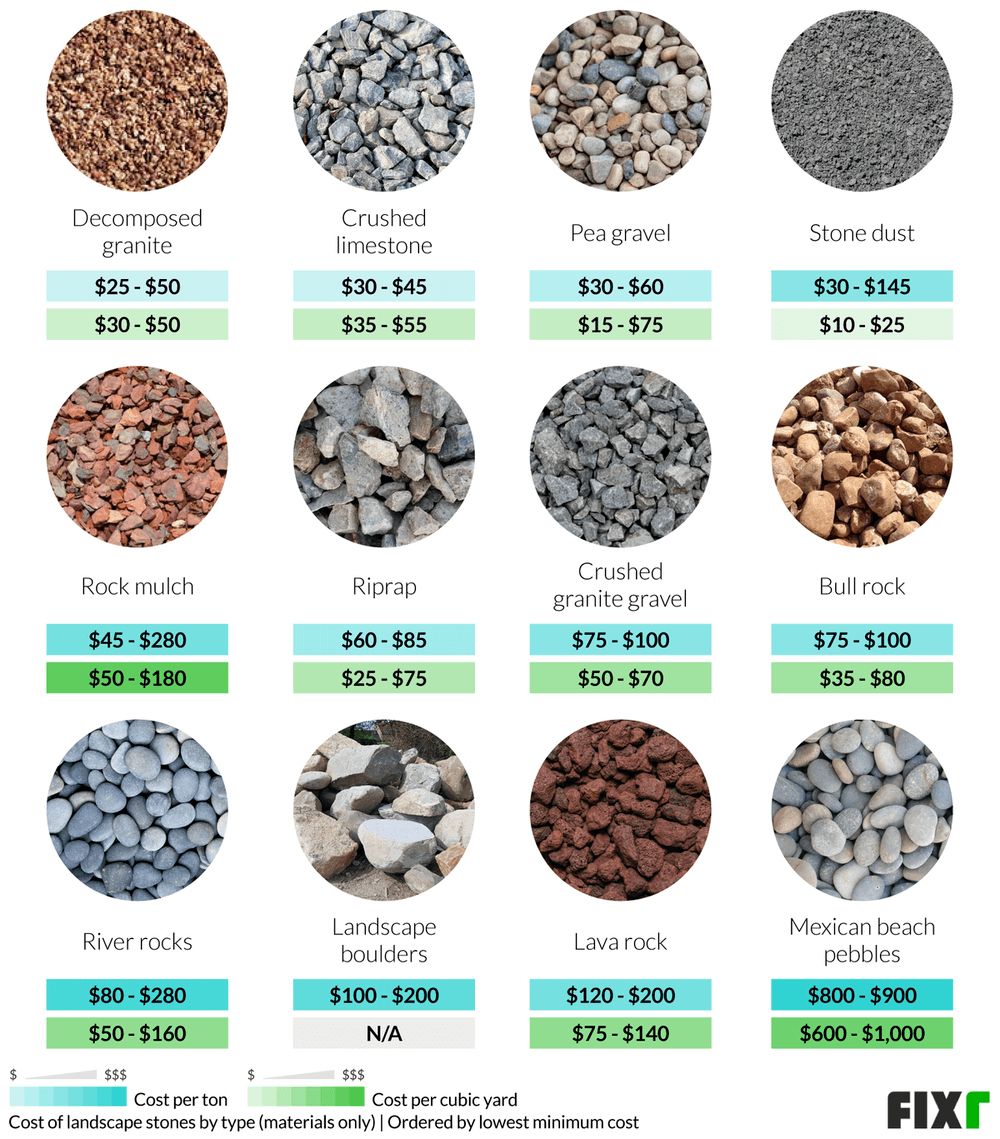
First off, let’s talk about what you’re actually buying. "Crushed stone" is a broad term. It’s like saying you want to buy "wood." Are you buying pine planks or mahogany furniture? The difference matters. Basic limestone or granite trap rock is usually the cheapest option. In 2026, you can find these basic materials starting around $10 to $35 per ton at the quarry gate. That’s the raw stuff. It gets the job done for drainage or base layers where nobody sees it.
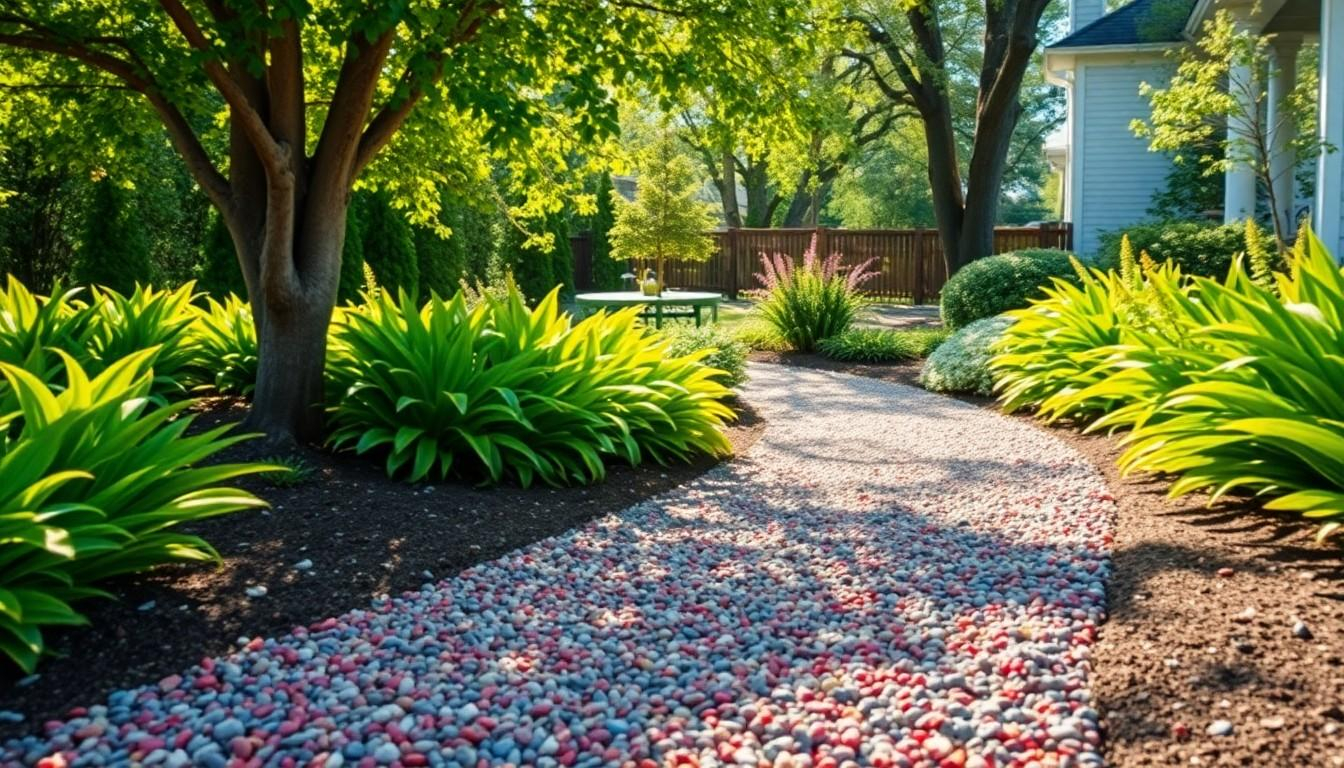
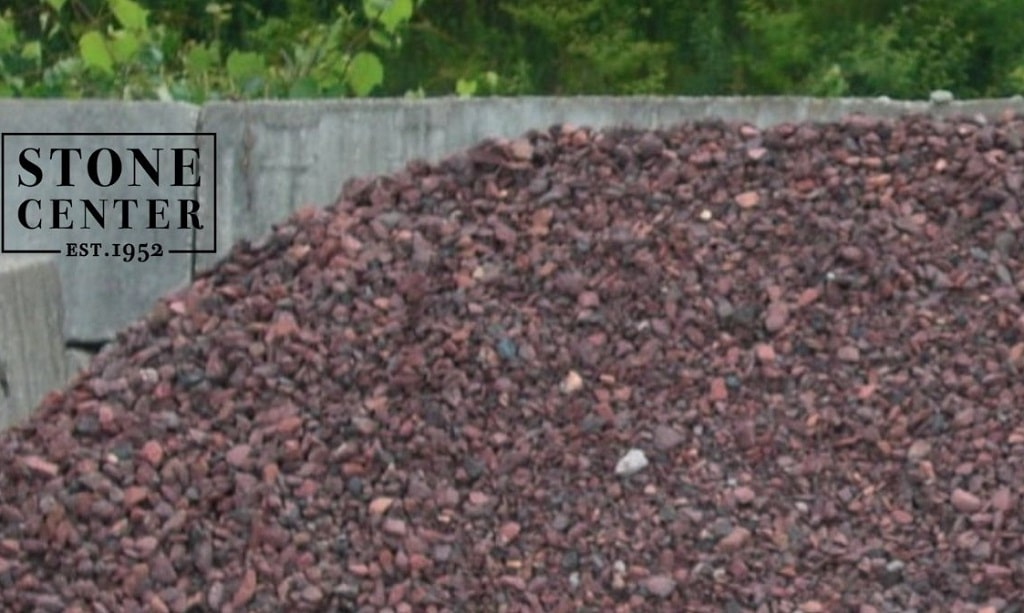
But maybe you want something that looks nice. Decorative stones like pea gravel, river rock, or crushed marble chips cost way more. Why? Because they have to be processed more. They might be washed, sorted by color, or shipped from farther away because your local quarry doesn’t have pretty blue stone. Premium landscaping rocks can jump up to $45–$250 per ton. Lava rock and specialty flagstone? Those can hit $200 or more. If your quote is high, check the spec sheet. You might be paying for beauty when you only needed function.
Also, consider the size. #57 stone (about the size of a peanut) is standard for driveways. #2 stone (big fist-sized rocks) is for heavy drainage. The crusher has to work harder to make uniform small stones, which can slightly affect pricing, but mostly it’s about availability. If the quarry is running low on #57 because everyone in town is paving their driveways this spring, the price goes up. Simple supply and demand.
Distance and Delivery: The Hidden Cost Killer
This is the big one. The number one reason your neighbor paid less than you is probably because they live closer to the quarry. Stone is heavy. Really heavy. Moving it costs money, mostly in diesel fuel and driver time. In 2026, delivery fees are a huge chunk of the final bill. Some suppliers quote you a "delivered price," while others give you a "pit price" and add delivery later. Always ask which one it is.
Typically, delivery adds $3 to $25 per ton, depending on how far you are from the source. But it’s not always linear. If you’re 5 miles away, it’s cheap. If you’re 50 miles away, it’s expensive. But here’s the kicker: many companies have a minimum delivery fee. Even if you only order 2 tons, you might pay for a half-truck load or a full truck load minimum. A standard dump truck holds about 14–16 tons. If you order 5 tons, you’re still paying for the truck to come out, so the cost per ton skyrockets.
Access matters too. Can the truck back right up to the pile spot? Or does the driver have to walk around, set up cones, and hand-shovel some of it? If the site is tricky—steep driveways, low hanging branches, soft ground that might swallow the truck—you’ll get hit with extra charges. Or they might refuse to deliver altogether. Always mention obstacles when you call. It saves awkward arguments later when the driver shows up and says, "I’m not backing in there."
Quantity and Scale: Why Buying More Saves Money
There’s a weird economy of scale with stone. Buying 10 tons costs way more per ton than buying 100 tons. Why? Because the fixed costs (like the driver’s time and the truck’s fuel to get there) are spread out over more material. For small residential projects, you’re often paying a premium because you’re not efficient for the supplier. They’d rather sell a full load to a contractor than make five trips for five tons each.
In 2026, most homeowners pay between $30 and $60 per ton for standard driveway gravel before delivery. But if you factor in those delivery fees for small loads, the effective cost can jump to $120–$314 per ton. That sounds insane, but it’s real. If you need 3 tons, and the delivery is $150, you’re paying $50 just in delivery per ton. If you need 15 tons, that same $150 delivery is only $10 per ton. See the difference?
If you’re doing a small project, try to combine orders with a neighbor. Or, if you have space, buy a full truckload even if you don’t need it all right now. Stone doesn’t spoil. You can use the extra for future patches or garden paths. Check with the supplier about "drop tailgate" services versus "spread" services. Spreading costs extra, usually by the hour. If you have friends with shovels and strong backs, you can save hundreds by spreading it yourself. Just make sure you know how much work that actually is. It’s tougher than it looks.
Regional Differences and Market Trends in 2026
Where you live dictates what you pay. If you’re in a region with lots of quarries, like parts of the Midwest or Northeast, stone is cheaper. If you’re in a flat area with no local bedrock, like parts of Florida or the Gulf Coast, stone has to be barged or trucked in from far away. That transportation cost gets baked into every ton. In 2026, we’re seeing regional disparities widen. Fuel prices have stabilized somewhat compared to the wild swings of the early 2020s, but they’re still higher than pre-2020 levels. This keeps floor prices elevated.
Local regulations matter too. Some counties have strict environmental rules about dust control, truck weights, or operating hours. These compliance costs get passed on to you. Also, construction booms in certain cities drive up demand. If there’s a huge highway project happening nearby, contractors are buying stone by the thousands of tons. Local quarries might prioritize those big contracts, leaving less supply for homeowners and driving up retail prices. It’s annoying, but it’s business.
Seasonality plays a role as well. Spring and early summer are busy. Everyone wants their patio done before the BBQ season. Prices might be firmer, and delivery times longer. Late fall or winter (if the ground isn’t frozen solid) can sometimes yield better deals or faster service because suppliers are slower. But watch out for weather delays. Rain turns dirt roads into mud pits, and trucks get stuck. If it’s been raining, expect delays regardless of the price you paid.
Understanding Units: Tons vs. Cubic Yards
Here’s where people get tripped up. Suppliers might quote by the ton. Landscapers might quote by the cubic yard. They are not the same. A ton is a measure of weight. A cubic yard is a measure of volume. The conversion depends on the density of the stone. Generally, one cubic yard of crushed stone weighs about 1.3 to 1.5 tons. So, if a quote says $50 per cubic yard, that’s roughly $33–$38 per ton. It sounds cheaper, but it’s not. You have to do the math.
Always clarify which unit is being used. If you’re comparing quotes, convert them all to the same unit. Most quarries sell by the ton because it’s easier for them to weigh. Bagged stone at home improvement stores is sold by the bag (usually 0.5 cubic feet), which is exponentially more expensive. Never buy bulk stone in bags unless you need just a tiny amount. You’ll pay 5x–10x more. Stick to bulk delivery for anything larger than a wheelbarrow or two.
Also, remember that stone settles. When you first dump it, it’s fluffy. After it rains and cars drive on it, it compacts. You might lose 10–15% of your volume. So, if you calculate you need 10 tons, buy 11 or 12. Running short is a nightmare. You’ll have to pay another delivery fee for a small top-off load, which ruins your budget. Over-ordering slightly is safer. You can always spread the excess on a muddy patch or save it.
So, how do you get a fair deal? Don’t just ask, "How much is stone?" Be specific. Tell them exactly what type you want (e.g., #57 limestone). Tell them your address so they can calculate mileage. Tell them how much you think you need, but ask for their recommendation based on square footage and depth. A good supplier will ask you: "What’s the project?" and "How deep do you want it?"
Ask about hidden fees. Is there a fuel surcharge? Is there a fee for waiting time if the driver gets stuck? Do they charge for tarps? (They should tarp the load to prevent spillage on the road). Ask if the price includes tax. In some places, landscaping materials are taxed differently than construction materials. Clarify payment terms. Do they want cash on delivery? Credit card? Check? Knowing this avoids surprises when the truck arrives.
Get everything in writing or via email. A verbal quote is hard to enforce. If they say "$400 delivered," make sure that’s clear. Does it mean $400 total, or $400 per ton? (Hopefully not per ton, but ambiguity happens). Read the fine print on their website or invoice. Reputable companies in 2026 are transparent because competition is high. If a company is vague, go to the next one. There are plenty of fish in the sea, and plenty of quarries in the ground.
At the end of the day, crushed stone is a commodity, but the service around it is not. You’re paying for the rock, yes, but also for the reliability of the delivery and the accuracy of the load. A slightly higher quote from a company that shows up on time with the right material is better than a cheap quote from a guy who ghosts you for three weeks. Trust your gut. If the communication is bad before the sale, it’ll be worse after.
So, take a breath. Look at your project. Measure twice. Call three places. Compare the total delivered cost, not just the price per ton. And remember, a little extra planning goes a long way. Your driveway will thank you. And your wallet will too. It’s not rocket science, but it is rock science. And now you know the basics. Go get those quotes.