
We’ve all been there. You walk into the nursery with a vague idea of planting some tomatoes and maybe a few marigolds. You leave with a flat of heirlooms, three bags of premium soil, a new trowel you didn’t need, and a hole in your wallet that feels suspiciously like regret. Gardening is supposed to be therapeutic, right? A place to unwind. But when the credit card bill arrives, the zen vanishes pretty quick. It turns out, dirt isn’t cheap. Neither are raised beds, irrigation systems, or those cute ceramic pots that look great but do nothing for your plant’s health.
The chaos usually starts before you even dig the first hole. Without a plan, it’s easy to overspend on hardscaping while skimping on the actual plants. Or worse, you buy everything in spring, run out of cash by July, and watch your thirsty peppers wilt because you couldn’t afford the drip tape. It’s a cycle that kills the joy faster than aphids. But it doesn’t have to be this way. In 2026, the smartest gardeners aren’t just green-thumbed; they’re spreadsheet-savvy. Not in a corporate, soul-crushing way. But in a "know exactly where every dollar goes so I can relax" kind of way.
This is where a simple, free Excel template changes the game. It’s not about restricting your creativity. It’s about freeing it. When you know your numbers, you stop worrying about the cost and start focusing on the growth. You can dream bigger because you’ve got the data to back it up. Whether you’re tackling a tiny balcony herb patch or a full backyard overhaul, having a structured budget planner removes the guesswork. Let’s dive into how you can build a stress-free garden budget using tools you likely already have, making your outdoor space a source of peace, not financial panic.
Why Your Garden Needs a Financial Blueprint
Think of your garden like a small business. Okay, maybe not a Fortune 500 company, but definitely a startup. You have initial capital expenditures (those raised beds and tools), operational costs (water, fertilizer, seeds), and hopefully, a return on investment (fresh basil, beautiful blooms, or increased property value). Most hobbyists skip the business plan part entirely. They operate on hope and impulse buys. That’s a recipe for disaster. A financial blueprint, or a budget, acts as your roadmap. It tells you what you can afford before you fall in love with a $200 Japanese maple.
In recent years, the cost of gardening supplies has fluctuated wildly. Supply chain issues from the early 2020s lingered longer than expected, and by 2026, prices for lumber, soil amendments, and even basic seeds have stabilized but remain higher than pre-pandemic levels. Without tracking these costs, you might find yourself halfway through a project with no funds left to finish it. An Excel template helps you visualize the entire scope. It forces you to ask hard questions early. Do I really need six different types of mulch? Can I start these peppers from seed instead of buying starters? These small decisions add up.
Moreover, a budget reduces decision fatigue. When you’re standing in the garden center overwhelmed by choices, your budget acts as a filter. If it’s not in the spreadsheet, it doesn’t go in the cart. This simplicity is liberating. It shifts your mindset from scarcity ("I can’t afford this") to intentionality ("I chose to spend this on roses instead"). You become the CEO of your outdoor oasis. And CEOs don’t panic; they plan. By laying out your finances clearly, you remove the emotional weight from spending. You’re not being cheap; you’re being strategic. And that feels a whole lot better.
Choosing the Right Template for Your Needs
Not all spreadsheets are created equal. Some are overly complex, filled with macros and formulas that break if you look at them wrong. Others are too simple, lacking the categories you actually need. The key is finding a balance. For most home gardeners, a template that separates one-time startup costs from recurring annual expenses is ideal. Look for templates that offer columns for item name, description, quantity, unit price, and total cost. Automatic calculations are a must. You shouldn’t have to pull out a calculator every time you add a bag of compost.
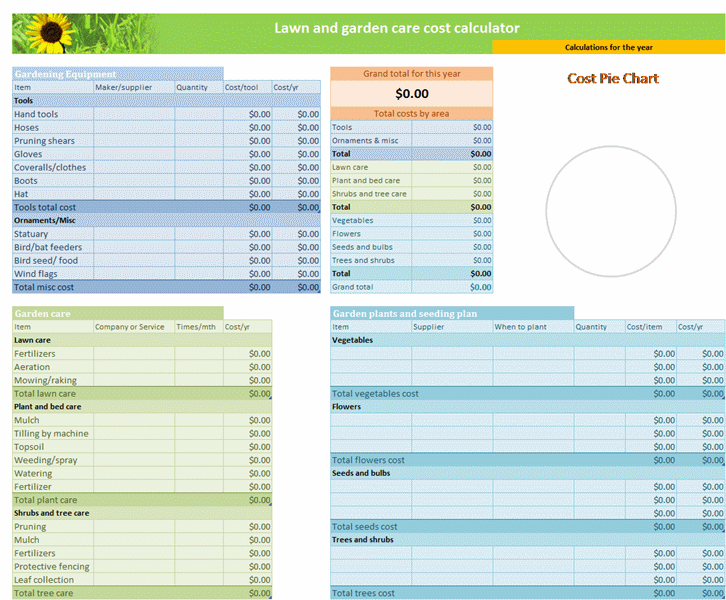
There are several free options available online in 2026. Sites like xltemplates.org and exceltemplates.net offer specialized garden budget planners. These often come pre-formatted with common categories like "Tools," "Plants," "Soil & Amendments," and "Hardscaping." Some even include sections for labor if you’re hiring help, which is crucial for larger landscaping projects. If you’re tech-savvy, you might prefer a cloud-based option like Google Sheets, which allows you to access your budget from your phone while you’re at the nursery. Imagine checking your remaining budget for perennials while standing in front of the hydrangeas. That’s power.
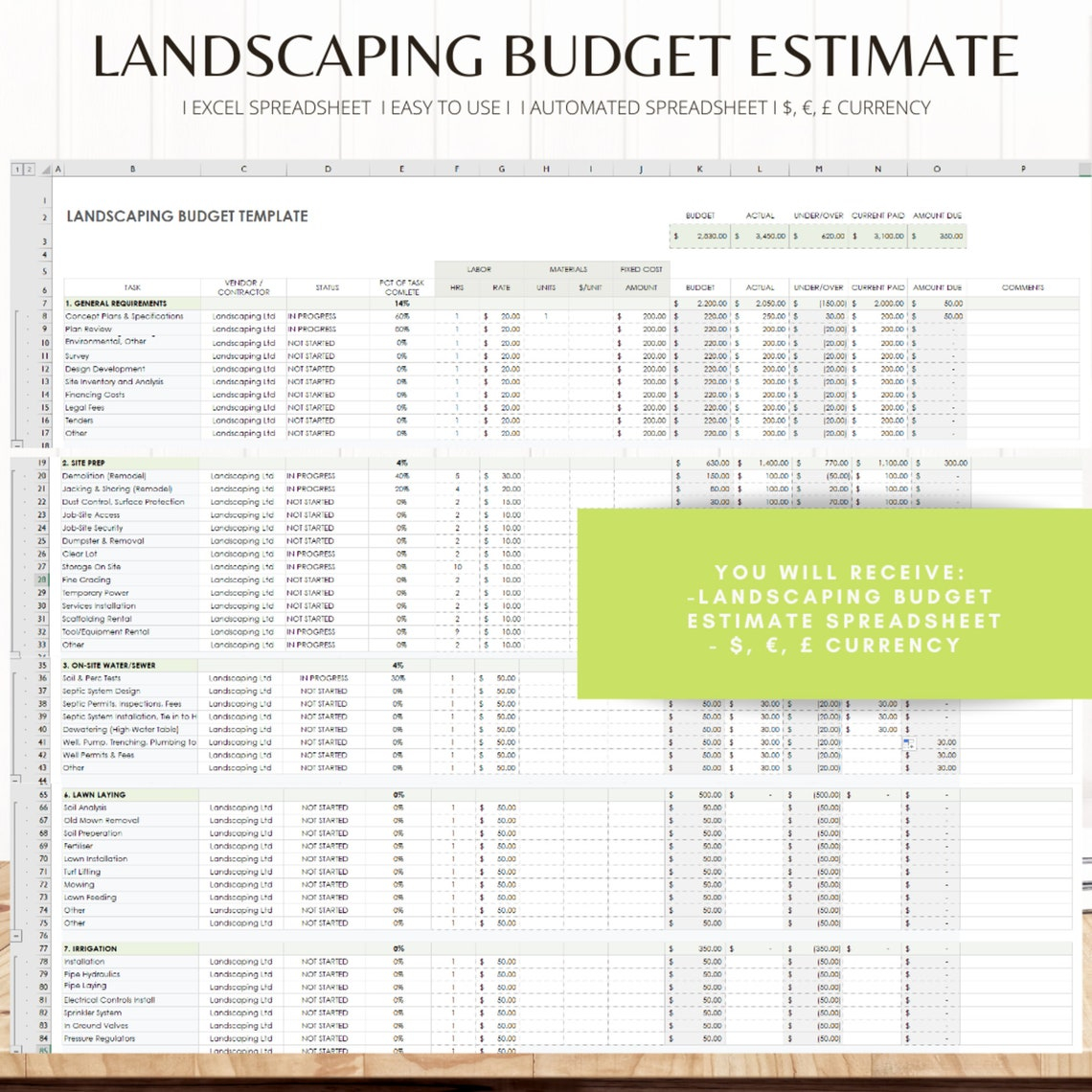
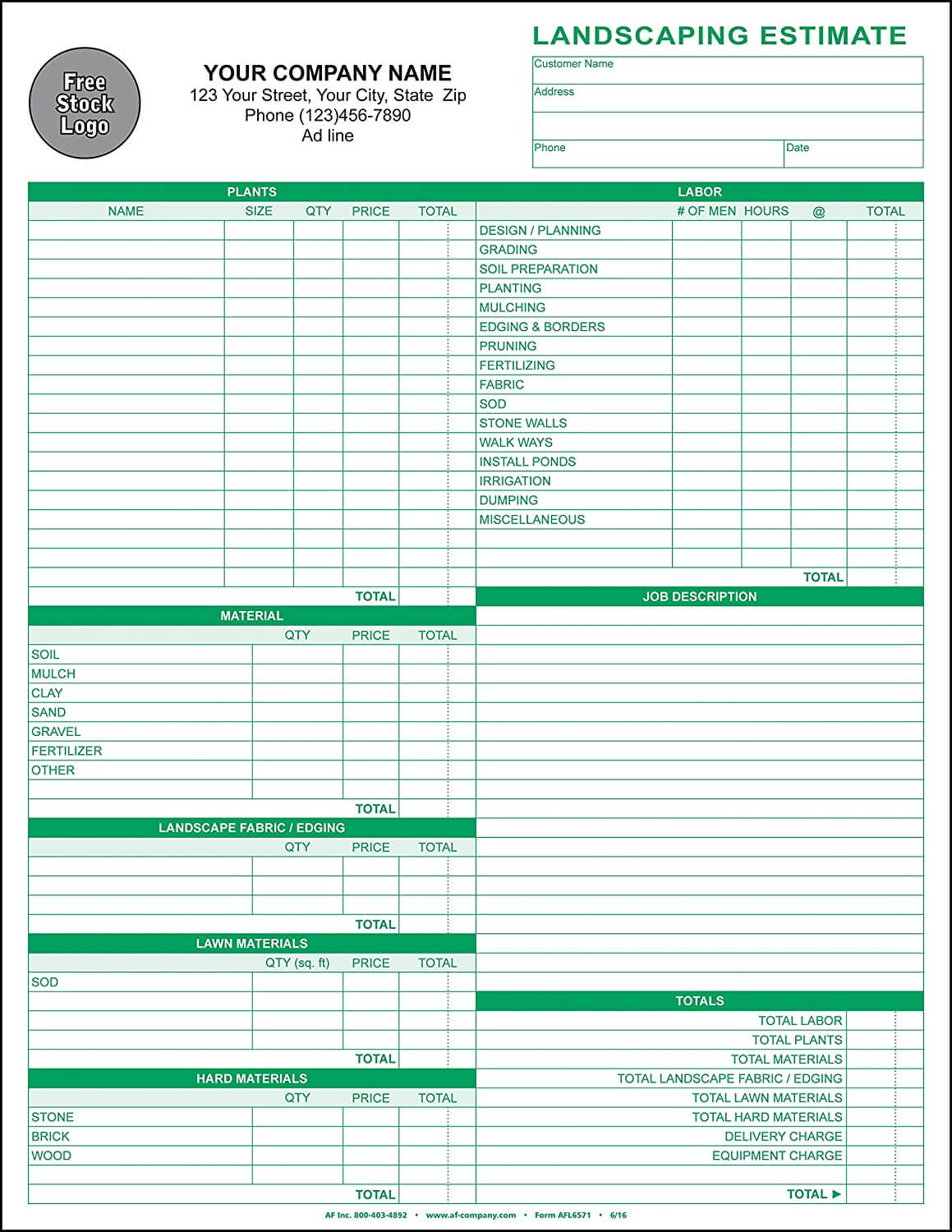
When selecting a template, consider your specific project type. Are you doing a lawn renovation? A vegetable patch? A decorative flower border? A generic "Lawn & Garden Expense Template" might work for general maintenance, but a "Landscaping Estimate" template is better for big builds. Don’t be afraid to customize. If the template has a column for "Vendor" and you don’t care about tracking that, delete it. If you need a column for "Plant Hardiness Zone" to remind you why you bought that specific shrub, add it. The best template is the one you’ll actually use. Keep it clean, keep it simple, and make sure it speaks your language.
Breaking Down the Costs: What to Track
Let’s get into the nitty-gritty. What exactly goes into this spreadsheet? It’s more than just plants. In fact, plants are often the smallest part of the budget. Start with hardscaping. This includes lumber for raised beds, stones for pathways, fencing, and decking materials. These are high-ticket items. Next, tools. Do you need a new shovel? A wheelbarrow? Gloves? It’s easy to forget the small stuff, but ten pairs of gloves add up. Then there’s soil. Never skimp on soil. Include costs for topsoil, compost, peat moss, or any specific amendments your soil test recommends.
Don’t forget the invisible costs. Water is a big one. If you’re installing a new irrigation system, list the timers, tubing, emitters, and connectors. If you’re on city water, estimate your summer bill increase. Fertilizers and pest control are recurring annual costs. Make a separate section for these so you can plan for next year too. Seeds and starts should be categorized separately. It’s helpful to see how much you’re spending on edibles versus ornamentals. And finally, add a "Contingency" line item. Always. Things break. Plants die. Prices jump. A 10-15% buffer saves you from stress when the unexpected happens.
Here is a quick breakdown of typical categories to include in your Excel sheet:
- Hardscaping: Lumber, stone, concrete, fencing, deck materials.
- Tools & Equipment: Shovels, rakes, pruners, hoses, sprinklers, power tools.
- Soil & Amendments: Topsoil, compost, mulch, fertilizer, lime, sulfur.
- Plants: Trees, shrubs, perennials, annuals, vegetables, seeds, bulbs.
- Irrigation: Drip lines, sprinkler heads, timers, connectors, rain barrels.
- Decor & Accessories: Pots, statues, lighting, bird feeders.
- Labor: Professional installation, hauling services, soil testing fees.
- Contingency: 10-15% of total budget for surprises.
Tracking these individually gives you clarity. You might realize you’re spending 40% of your budget on decor and only 10% on soil. That’s a red flag. Healthy soil grows healthy plants; fancy pots do not. The spreadsheet highlights these imbalances instantly. It allows you to shift funds from low-impact areas to high-impact ones. Maybe you cut back on the stone pathway to afford better quality tomato starts. That’s a trade-off you can make confidently when you see the numbers.
How to Use the Template Effectively
Downloading the template is step one. Using it correctly is step two. Start by entering your total budget limit at the top. This is your hard ceiling. Maybe you have $1,000 for the season. Type that in. Now, start filling in your wish list. Be realistic. Research prices online or call local nurseries before entering them. Don’t guess. If a raised bed kit costs $150, put $150. As you add items, watch the "Total" column. It will update automatically. When that total hits your limit, stop. Or, start cutting. This is the editing phase. It’s painful but necessary.
Prioritize your items. Mark them as "Must-Have," "Nice-to-Have," or "Dream." If you go over budget, cut the "Dreams" first. Then the "Nice-to-Haves." Keep the "Must-Haves." This triage process ensures you fund the essentials first. For example, soil and seeds are musts. A decorative fountain is a dream. By categorizing, you make tough decisions easier. You’re not saying no to the fountain forever; you’re saying not this year. Maybe next year, if you save up. The spreadsheet helps you plan for future years too. You can duplicate the sheet for 2027, 2028, and beyond.
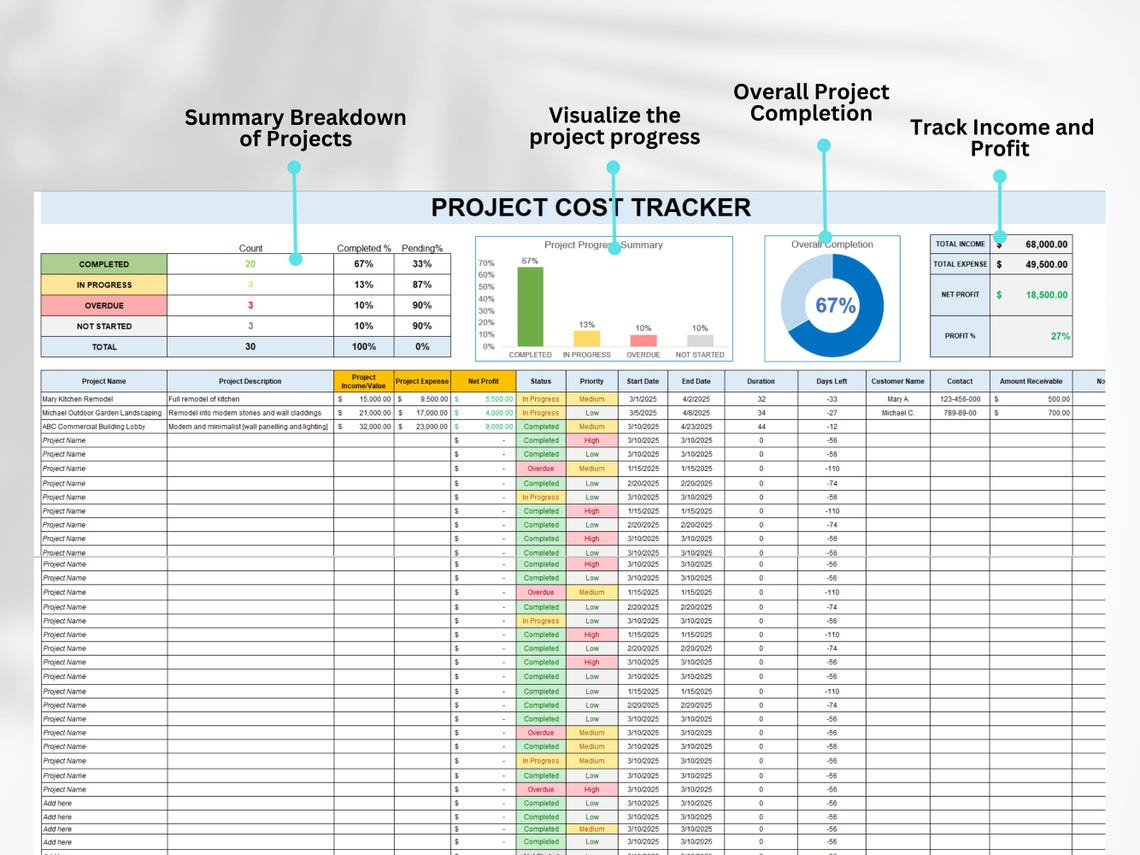
Update the template regularly. Don’t set it and forget it. Every time you buy something, log it. Did you spend $5 less on mulch than expected? Great, update it. Did you have to buy extra fence posts? Add it. This real-time tracking keeps you honest. It also helps you learn. At the end of the season, review your spending. Where did you overspend? Where did you save? Did you underestimate the cost of water? This data is gold. It makes your next year’s budget even more accurate. Over time, you’ll become a forecasting pro. You’ll know exactly how much a square foot of garden costs to establish.
Common Budgeting Mistakes to Avoid
Even with a template, pitfalls exist. One common mistake is forgetting inflation. Prices in 2026 are not what they were in 2020. If you’re using old data or memories to estimate costs, you’ll be short. Always check current prices. Another error is ignoring maintenance costs. People budget for the build but forget the upkeep. Plants need feeding. Mulch needs replenishing. Tools need sharpening or replacing. If you don’t account for these ongoing expenses, you’ll be caught off guard in year two. Treat your garden as a living system, not a static installation.
Underestimating shipping costs is another trap. Online plant sales are tempting, but shipping live plants is expensive. And heavy items like soil and stone often incur hefty delivery fees. Include these in your template. Also, beware of "project creep." You start with a vegetable patch, then decide you need a compost bin, then a greenhouse, then a chicken coop. It’s fun, but it’s costly. Stick to your original scope unless you deliberately adjust your budget. If you want to add the chickens, move money from another category. Don’t just spend more.
Finally, don’t ignore the value of DIY versus hiring out. Sometimes, hiring a pro is cheaper in the long run if it prevents mistakes. But often, DIY saves huge amounts. Be honest about your skills. If you’re not handy, budget for professional help for complex tasks like electrical work for lighting or large retaining walls. If you are handy, budget for your time and potential tool rentals. The template should reflect reality, not just your hopes. And remember, it’s okay to start small. You don’t have to do the whole yard at once. Phase your projects. Budget for Phase 1 this year, Phase 2 next. It’s less stressful and easier on the wallet.
Maximizing Value Without Sacrificing Quality
Budgeting isn’t just about spending less; it’s about spending smarter. There are ways to stretch your garden dollar without buying junk. Start with seeds. They are infinitely cheaper than starter plants. Yes, they take more time and care, but the savings are massive. A packet of zucchini seeds costs $3 and yields dozens of plants. Six zucchini starters cost $30. Do the math. Swap seeds with neighbors. Join local gardening groups in 2026 where community sharing is huge. You’d be surprised how many people have extra tomato starts they’ll give away.
Buy off-season. Nurseries clear out inventory in late summer and fall. You can find great deals on perennials, trees, and tools. Just make sure you have time to plant them before the ground freezes, or heel them in properly. Another tip: invest in quality tools. A cheap shovel breaks in a year. A good one lasts decades. It’s a higher upfront cost but lower long-term expense. The same goes for irrigation. A well-designed drip system saves water and money on your bill. It pays for itself.
Compost is free gold. Instead of buying bagged compost, start a pile. Use kitchen scraps, leaves, and grass clippings. In a year, you’ll have rich, dark soil amendment for zero dollars. Mulch can often be sourced for free from tree trimming services or municipal waste sites. Call around. Many cities offer free wood chips. Just avoid black walnut chips if you have sensitive plants. By sourcing materials creatively, you free up budget for the things you can’t make or find for free, like specific rare plants or specialized hardscaping materials. Your Excel sheet will show you exactly how much these savings contribute to your bottom line.
At the end of the day, gardening is about connection. Connection to nature, to food, to beauty. Financial stress blocks that connection. It turns a sanctuary into a source of anxiety. By using a free Excel budget template, you reclaim control. You transform uncertainty into clarity. You stop wondering if you can afford that new rose bush and start knowing. This shift is profound. It allows you to be present in your garden. To enjoy the scent of the lavender without the nagging voice in your head worrying about the electric bill.
The template is just a tool. The real magic is in the habit. Making budgeting a regular part of your gardening routine builds discipline and confidence. You become a better gardener because you’re more intentional. You choose plants that fit your space and your wallet. You maintain them better because you’ve invested thoughtfully. And when you sit on your patio in the evening, looking at what you’ve created, you feel pride. Not just in the blooms, but in the wisdom it took to build it sustainably.
So, download that template. Open it up. Start typing. It might feel tedious at first, like weeding a large bed. But stick with it. The clarity you gain is worth the effort. Your garden will thrive, and so will your peace of mind. In 2026, let’s grow gardens that nourish us in every way, including financially. Happy planting, and happy budgeting. You’ve got this.