

Ever look out at your yard and just see a depressing patch of bare dirt or patchy, dying grass. You aren’t alone. Keeping up a picture-perfect lawn is getting insanely expensive these days, between the constantly rising water bills and the endless bags of pricey wood mulch you have to buy every single spring. What if you could just flip the script and let nature do the heavy lifting for you.
That is where vigorous ground covers come into play. These plants are the ultimate budget hack for your yard. Instead of throwing money at temporary fixes, you plant these green machines once, and they spread out to create a gorgeous, living carpet. They stop weeds, hold onto soil moisture, and honestly, they look way more interesting than a boring patch of turf.
The Cost-Saving Magic of Living Mulch
Let’s talk about the money side of things first because buying bags of wood mulch every year is a total cash trap. It rots, it fades, and by the time next spring rolls around, you are right back at the garden center spending another hundred bucks. Living ground covers completely change that cycle. Once these plants get established, they act as a natural barrier that blocks out the sun, which means weed seeds don’t get the chance to sprout.
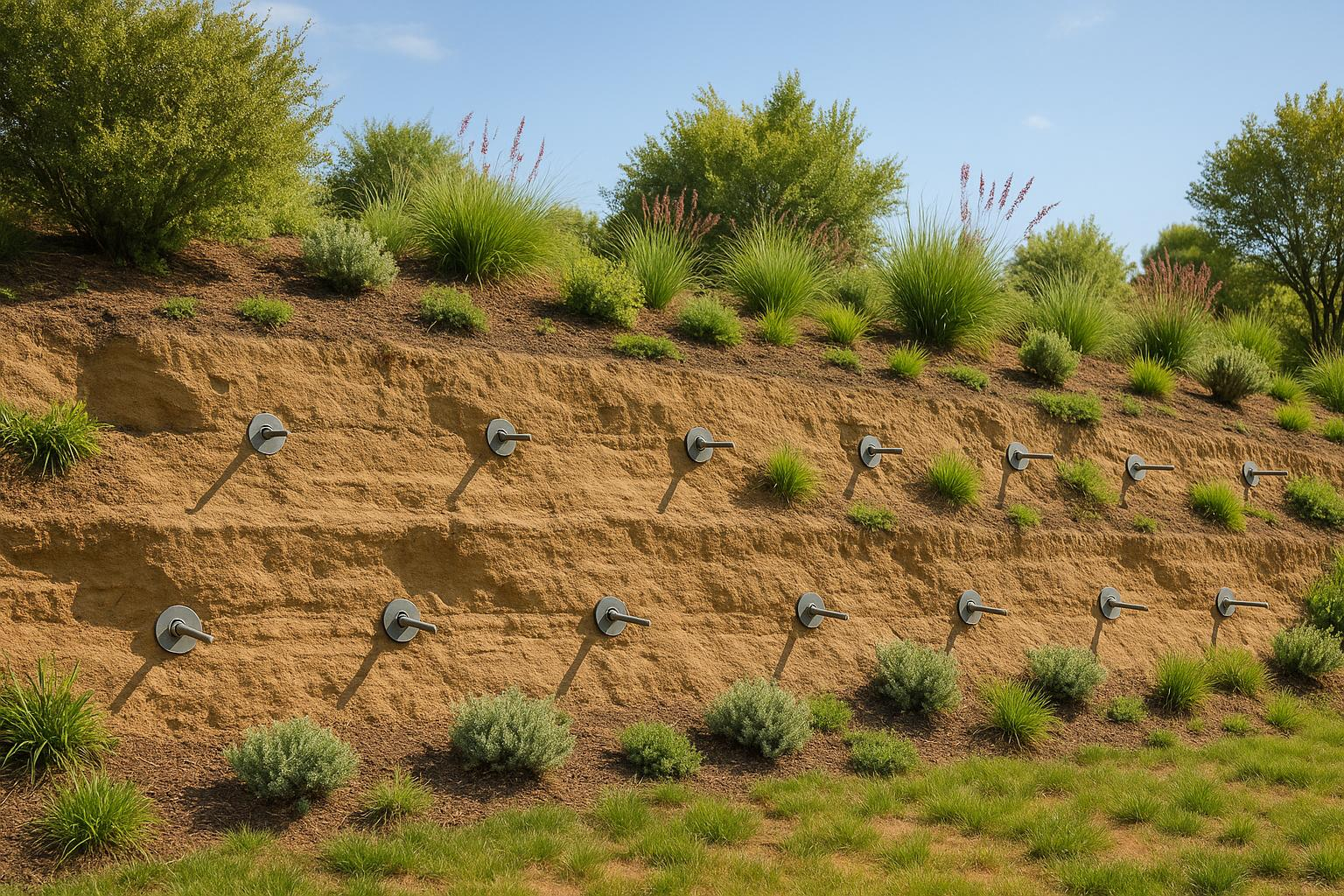
Think about how much time you save when you don’t have to spend your weekends weeding or pushing a heavy mower around. Many of these low-maintenance choices require zero mowing whatsoever. You just let them do their thing. Plus, their root networks hold the dirt together tightly, which totally stops soil erosion when heavy rains hit.
Top Budget-Friendly Plants for Sunny Spots
If your yard gets baked by the sun all day, you need tough plants that can handle the heat without throwing a fit. Creeping thyme is a total superstar here. It grows super close to the dirt, handles light foot traffic, and releases a really nice scent whenever you step on it. Another fantastic option is Sedum, or stonecrop, which stores water in its leaves and thrives even in terrible, rocky soil.
For a really fast solution, a lot of people are turning to clover these days. White clover seed is incredibly cheap, and it fixes nitrogen directly into the soil, which acts like a free, automatic fertilizer for your yard. It stays green even during dry spells when regular grass turns brown and ugly.
Fast-Growing Greenery for Shady Spaces
Dealing with a shady yard where grass refuses to grow can be incredibly frustrating. Instead of staring at bare dirt patches, you can drop in some sweet woodruff or pachysandra. Sweet woodruff forms a bright green mat and gets these tiny, pretty white flowers in the spring that really brighten up dark corners under trees.
Another classic option is periwinkle, also known as vinca minor. It has shiny dark leaves and gorgeous blue-purple blossoms. You do have to keep an eye on it because it grows so fast it can sometimes try to take over, but if you need to cover a lot of empty space under some big shade trees quickly without spending a fortune, it gets the job done beautifully.
Smart Propagation Hacks to Stretch Your Dollar
You don’t need to buy hundreds of individual potted plants to fill a big space. That would completely defeat the purpose of doing this on a budget. Instead, look for plants that are easy to divide. You can buy a few larger pots of something like hostas or bugleweed, take them home, and chop the root balls into three or four smaller pieces before putting them in the ground.
Another great trick is taking cuttings or buying bare-root plants online, which is way cheaper than buying fully grown potted plants at a local nursery. Some plants, like creeping jenny, will literally root wherever their stems touch the damp ground. You can just snip off pieces, push them into the dirt elsewhere, and watch them take off.
Getting Your Dirt Ready for Success
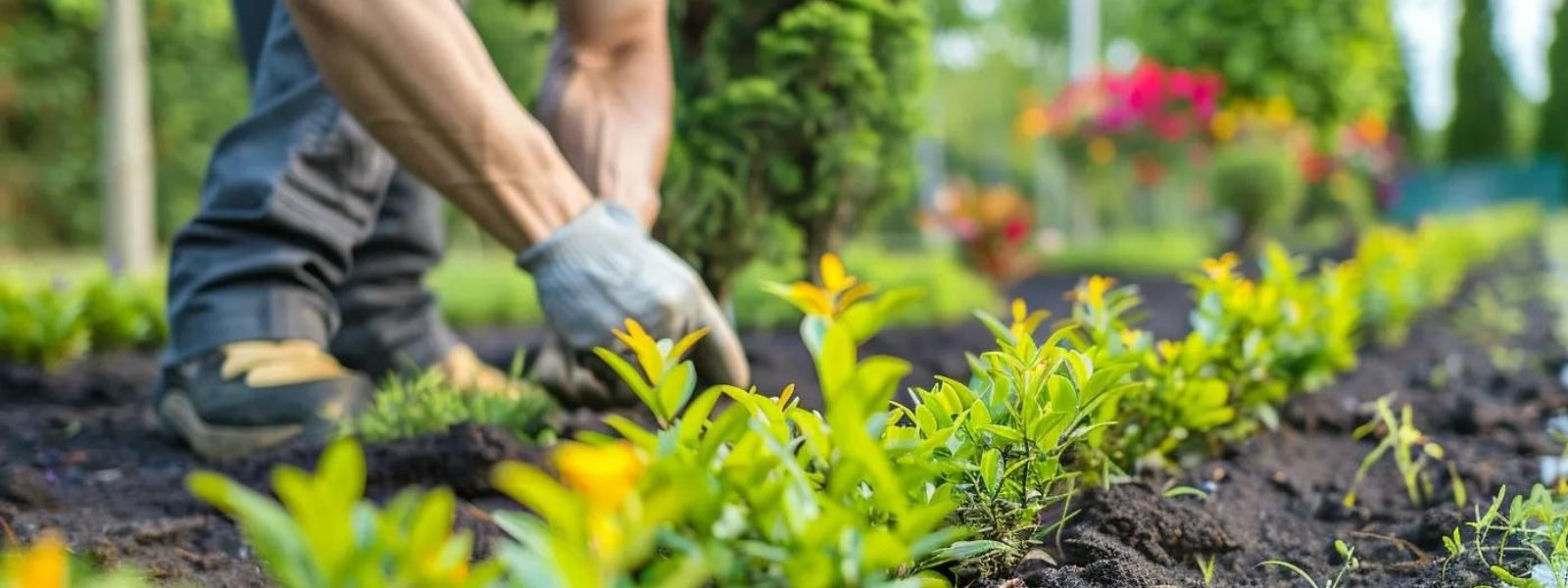
Before you start sticking plants into the earth, you need to do a little bit of prep work so your new green carpet actually survives. You don’t need fancy, expensive fertilizers for this. Just clear out the worst of the existing weeds and scratch up the soil surface a bit so the new roots can find a foothold.
If your dirt is really hard and compacted like concrete, laying down a thin layer of cheap compost or free shredded leaves can give your young plants the head start they need. Watering them deeply during the first few weeks is super critical. Once their roots dig deep, they will mostly take care of themselves, but they need a little love early on.
Keeping Your Ground Cover from Taking Over the Neighborhood
Since we are intentionally using vigorous plants to save money, you have to be a little bit careful that they don’t get too wild and invade your neighbor’s pristine lawn. Creating simple borders is the best way to keep things under control. You can use cheap plastic edging, or even better, just dig a shallow V-shaped trench along the edge of your plant bed to stop running roots.
Occasional trimming with hedge shears or a weed whacker once a year can also keep things looking tidy and contained. If a patch gets too thick, just dig some up and move it to another bare spot in your yard, or give it away to a friend who wants free plants. It’s a win-win situation for everyone.
Shifting your mindset away from high-maintenance grass and expensive annual mulching is the best thing you can do for your wallet and your sanity. By choosing the right aggressive growers for your specific yard conditions, you can easily turn an ugly dirt patch into a lush, vibrant ecosystem.
It takes a little patience at the beginning while the plants spread out, but within a season or two, you will have a gorgeous landscape. You’ll spend way less time sweating over yard work and way less money at the garden center. So grab a few budget-friendly plants, get your hands dirty, and enjoy the beautiful green results.
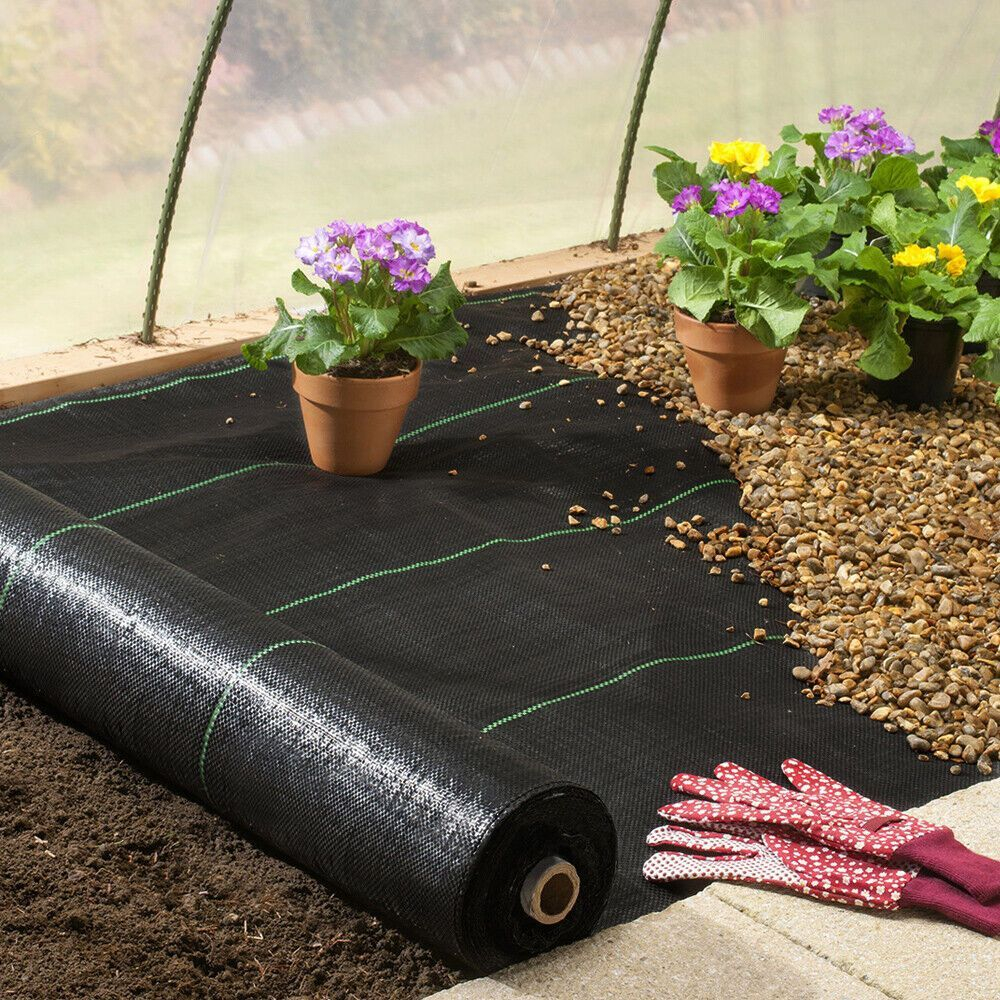
![13 Ways Improve Your Landscaping With Gravel [2024 Update] with regard to What Pro Landscapers Use to Cover Large Areas of Soil for Very Little Cash](https://cdn.dahomengarden.com/2026/06/13-ways-improve-your-landscaping-with-gravel-2024-update-with-regard-to-what-pro-landscapers-use-to-cover-large-areas-of-soil-for-very-little-cash.jpeg)


![13 Ways Improve Your Landscaping With Gravel [2024 Update] with regard to What Pro Landscapers Use to Cover Large Areas of Soil for Very Little Cash](https://cdn.dahomengarden.com/2026/06/13-ways-improve-your-landscaping-with-gravel-2024-update-with-regard-to-what-pro-landscapers-use-to-cover-large-areas-of-soil-for-very-little-cash.jpeg?width=992&f=jpg)


