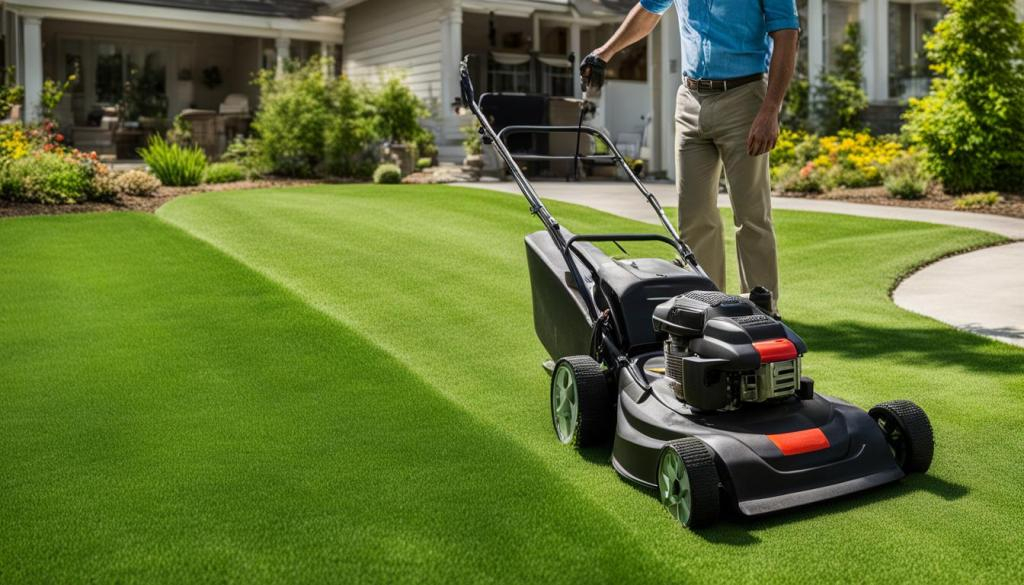

We all know that crisp, clean scent of freshly cut grass on a Saturday morning. There is something deeply satisfying about looking out the window and seeing a neat, vibrant green carpet stretching across your yard. It feels like the ultimate symbol of a happy, organized home. But have you ever paused to think about what that perfect view is actually costing you.
Keeping a yard in tip-top shape is not just about pushing a machine around once a week. The expenses can pile up fast, leaving many homeowners scratching their heads when they look at their monthly budgets. Let’s peel back the layers and look at the real math behind a manicured lawn.
The Standard Visit Numbers
When you hire a local pro to swing by and trim your grass, you might think it is a simple, flat fee. Nationally, homeowners pay anywhere from $49 to $203 for a single visit, but the average bill usually lands around $123. Now, if you have a pretty standard quarter-acre lot, you might get lucky and pay closer to $42 or $68 per cut, which averages out to about $55.
That sounds totally reasonable until you realize how fast it adds up over a single summer season. If the grass is growing like crazy and needs a trim every single week, you are looking at hundreds of dollars a month just for basic upkeep. It is a recurring bill that sneaks up on you.
Size and Shape Matters
The amount of money you pour into your yard depends heavily on how much land you actually own. A tiny front patch takes minutes to clean up, but a massive multi-acre property requires heavy-duty equipment and a lot more time. Landscape teams look at the total square footage before they ever give you a final quote.
But it is not just about size; the shape and layout of your property play a massive role too. If your yard is full of steep hills, tricky rocky patches, or lots of tight corners around flower beds, the workers have to slow down. Complex yards require extra physical labor and more time, which means the price tag climbs right along with the difficulty level.
The Extras That Add Up
Basic mowing is really just the beginning of the story. If you want that ultra-clean look that makes your neighbors jealous, you are going to need trimming and edging along your driveways and sidewalks. These extra touches create those beautiful, sharp lines, but they are rarely included in the baseline price.
Then there is the issue of what to do with the leftover grass clippings. Some companies include blowing the debris off your driveway for free, but bagging and hauling away the waste can cost extra. If your grass gets out of control during a rainy week, you might also face a long-grass surcharge because it takes twice as much effort to cut down.
Regional Pricing Differences
Where you live plays a huge part in how much cash you will part with. In bustling suburban areas or regions with a super high cost of living, labor rates are naturally much higher. Companies have to pay their workers more and cover higher insurance costs, which gets passed down to you.
The local climate dictates the schedule as well. In the rainy southern states, the growing season lasts almost all year, meaning you pay for cuts from March through November. Up north, the season is much shorter, but the intense spring growth spurt might require twice-a-week visits to keep things manageable.
Equipment and Self-Maintenance
Maybe you are thinking about skipping the pros altogether and buying your own mower to save some cash. It sounds like a great idea initially, but DIY maintenance has its own set of heavy expenses. A reliable gas or battery-powered mower can cost anywhere from a few hundred to several thousand dollars upfront.
Once you own the machine, the spending does not stop. You have to buy fuel or electricity, change the oil, replace air filters, and get the blades sharpened regularly so they do not shred your grass. When you factor in your own valuable weekend time, the savings might not be as huge as you originally hoped.
The Changing Landscape in 2026
Lawn care has seen some big changes recently, especially with new technology and changing community needs. Many neighborhoods are turning to robotic mowers or switching to eco-friendly, battery-powered tools to cut down on noise and pollution. While these choices are better for the environment, the initial setup fees can be pretty steep.
On top of that, lawn care costs can put a heavy burden on older adults or veterans who can no longer handle the physical work themselves. When someone loses the ability to push a mower, they are forced to find room in their budget for professional help, making community-led volunteer programs more important than ever.
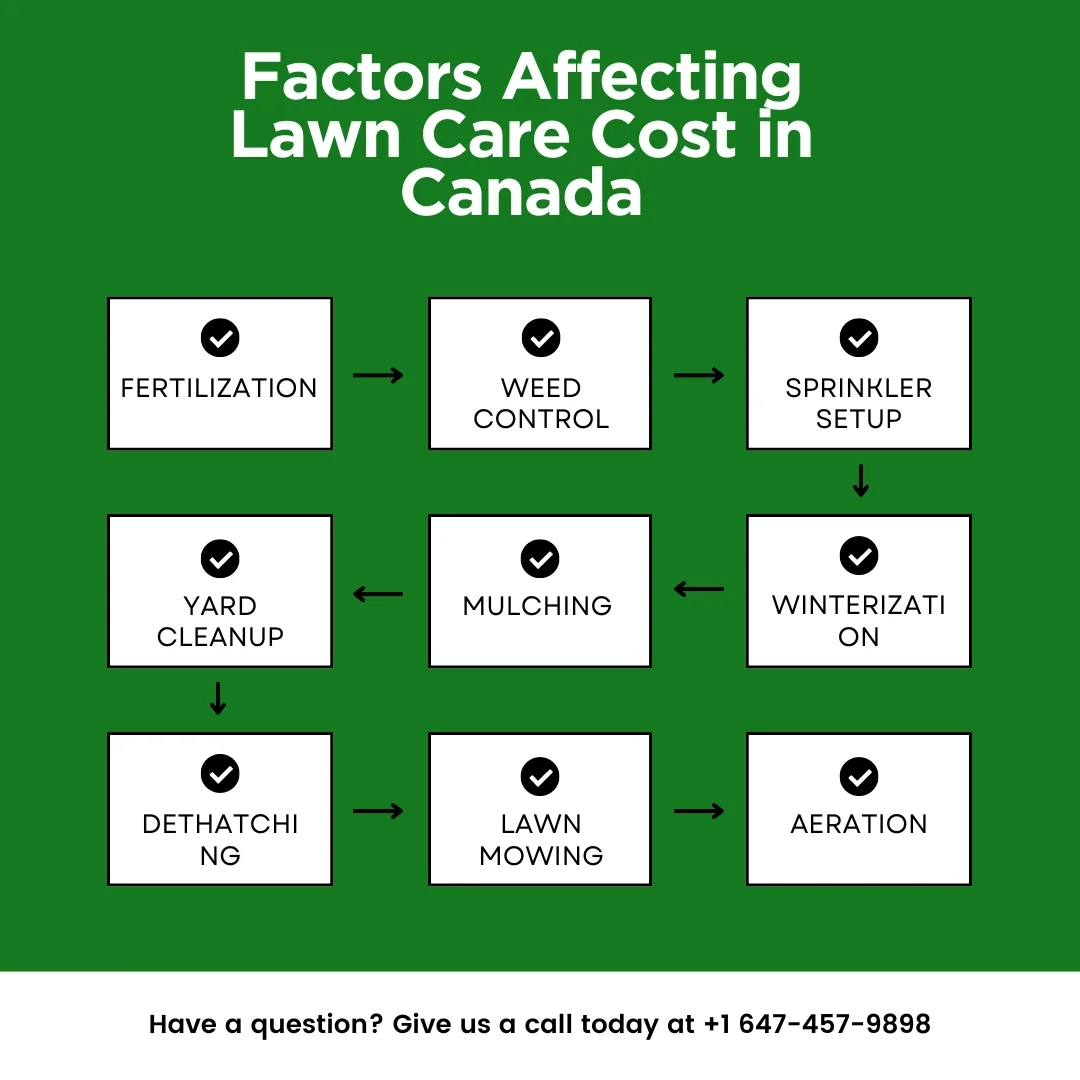
When you add up the weekly visits, the seasonal cleanups, and the occasional specialty treatments like aeration or fertilizing, a beautiful yard is a major financial commitment. It is far more than just a quick chore; it is an ongoing investment in your property’s curb appeal and value.
Ultimately, deciding how to handle your lawn care comes down to balancing your time, your physical energy, and your wallet. Whether you choose to sweat it out yourself on a Saturday morning or write a check to a professional crew, knowing the real numbers helps you make the smartest choice for your home.