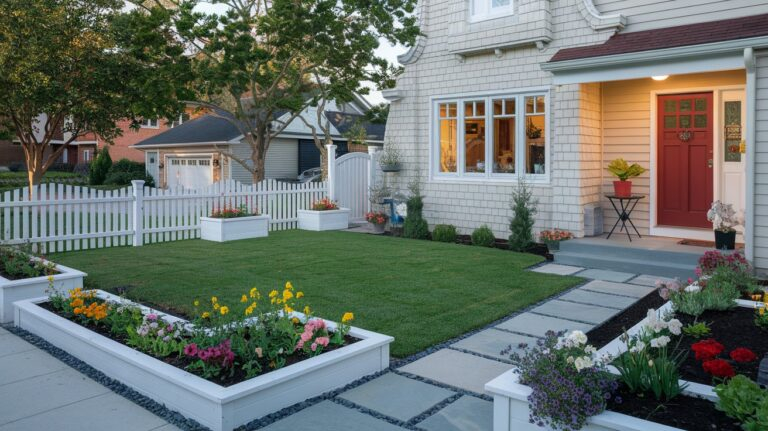

You know that feeling when you pull into a driveway and just… sigh? It’s not always about the size of the house or the price tag attached to it. Sometimes, it’s just the vibe. The way the light hits the front steps. The crisp edge of the lawn against the flowerbed. It’s subtle, but it screams "welcome home." We often get so caught up in the interior—picking out the perfect sofa or debating kitchen tile—that we forget the outside is the very first handshake your home offers to the world. And honestly? First impressions are stubborn things. They stick.
In 2026, the trend isn’t about massive, wallet-draining renovations. Nobody wants to tear out their entire front yard just to impress the neighbors or a potential buyer. The shift is toward smart, surgical strikes. Small changes that punch way above their weight class. You don’t need a landscape architect or a contractor on speed dial. You need a weekend, a little bit of sweat equity, and an eye for detail. Whether you’re prepping to sell or just want to feel proud when you pull into your own driveway after a long day, these upgrades are the secret sauce. Let’s dive into how you can make your home look like a million bucks without spending it.
The Power of Paint and Hardware Swaps
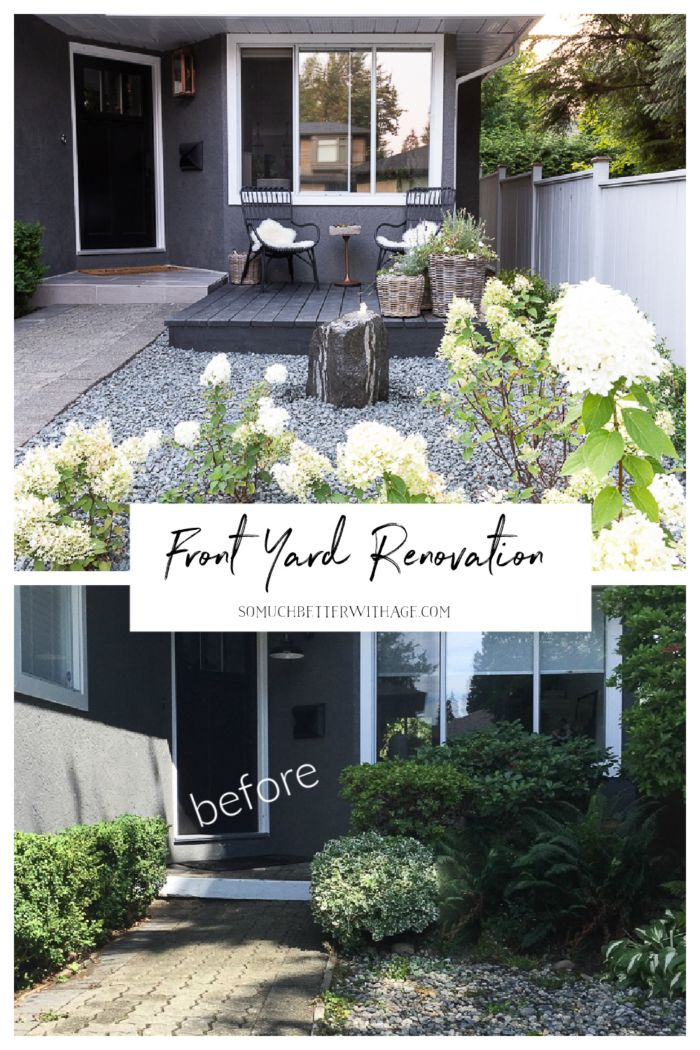
Let’s start with the front door. It’s the focal point. The anchor. If your door is faded, chipped, or just plain boring, it drags the whole facade down. Painting your front door is hands-down the best bang for your buck. Real estate pros have been saying this for years, and the data from 2025 and 2026 backs it up. A fresh coat of paint doesn’t just cover scratches; it signals care. It tells people, "Someone lives here who pays attention." You don’t need to go wild with trendy colors that might look dated in two years. Stick to classics. A deep navy blue, a forest green, or a stark, modern black works on almost any style of home. Charcoal gray is another safe bet if you want something sophisticated but neutral.
But don’t stop at the paint. Look at the hardware. Those old brass knobs or scratched-up letter slots? Swap them out. It’s a ten-minute job with a screwdriver. Modern matte black or brushed nickel handles can make a twenty-year-old door look brand new. And while you’re at it, check your house numbers. This is one of those details people totally overlook until it’s fixed. Tiny, cheap-looking numbers glued to the siding do nothing for you. Swapping them for larger, modern fonts—maybe even mounting them on a sleek backplate—adds an instant custom feel. If you’re on a tight budget, you can even spray paint your existing numbers if they’re metal. Just make sure they’re clean and dry first. It’s a small tweak, but it frames your home’s identity.
Don’t forget the porch floor or stoop, either. If you have concrete steps that are stained or cracked, painting them can drastically change the look. Use a slip-resistant porch and floor paint. It’s durable and comes in tons of colors. Some folks even use stencils to create a faux-tile look, like a herringbone or basket-weave pattern. It adds texture and visual interest without the cost of real stone or tile. Just remember to prep the surface well. Clean it, etch it if needed, and prime it. A sloppy paint job looks worse than no paint at all. Take your time. The result is a welcoming entryway that feels intentional and polished.
Landscaping Basics: Edging, Mulch, and Greenery
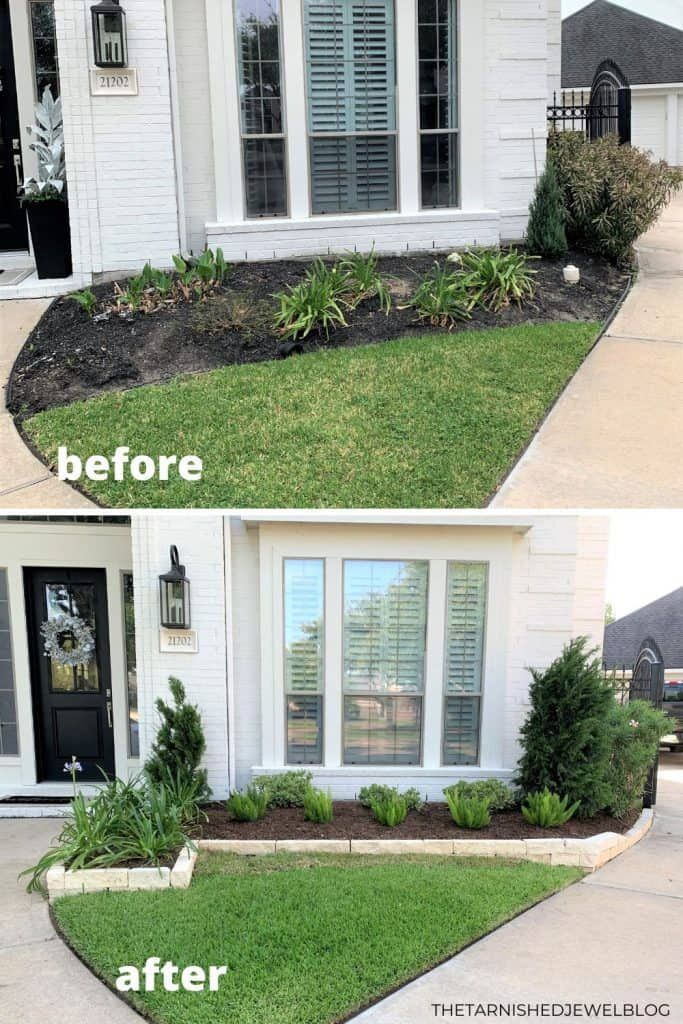
Landscaping sounds intimidating, right? Like you need a degree in horticulture. You don’t. Most of curb appeal comes down to three things: edges, mulch, and plants. Let’s talk about edges first. Over time, grass creeps into your flower beds. It looks messy. It makes the yard look unkempt. Taking a spade or a mechanical edger to define that line between lawn and bed creates an instant "professional" look. It’s sharp. It’s clean. It shows boundaries. Concrete edge planters are also a cheap and effective way to add structure if you don’t have built-in beds. They frame your plants and keep the mulch where it belongs.
Then there’s mulch. Fresh mulch is like makeup for your garden beds. It hides the bare dirt, retains moisture, and makes the green of your plants pop. Dark brown or black mulch contrasts beautifully with green foliage and colorful flowers. It’s inexpensive, too. A few bags can cover a surprising amount of space. Just don’t pile it up against the stems of your plants or the trunk of your trees—that’s called "volcano mulching," and it can rot your plants. Keep it flat and even. Spread it out. It should look like a carpet, not a mountain.
For plants, think low-maintenance and high-impact. You don’t need a jungle. You need strategy. Flanking your front door with large, symmetrical planters is a designer trick that never fails. It creates balance. It draws the eye to the entrance. Fill them with seasonal flowers for a splash of color, or use evergreen shrubs for year-round structure. If you have blank walls on your siding, consider adding a trellis. Climbing plants like clematis or jasmine can soften a hard surface and add vertical interest. You can buy durable PVC vinyl trellises for around $50, or build simple wood ones for less. The contrast of the green vines against the siding breaks up the monotony and adds life. It’s about creating layers. Depth. Interest.
Lighting the Way: Safety Meets Style
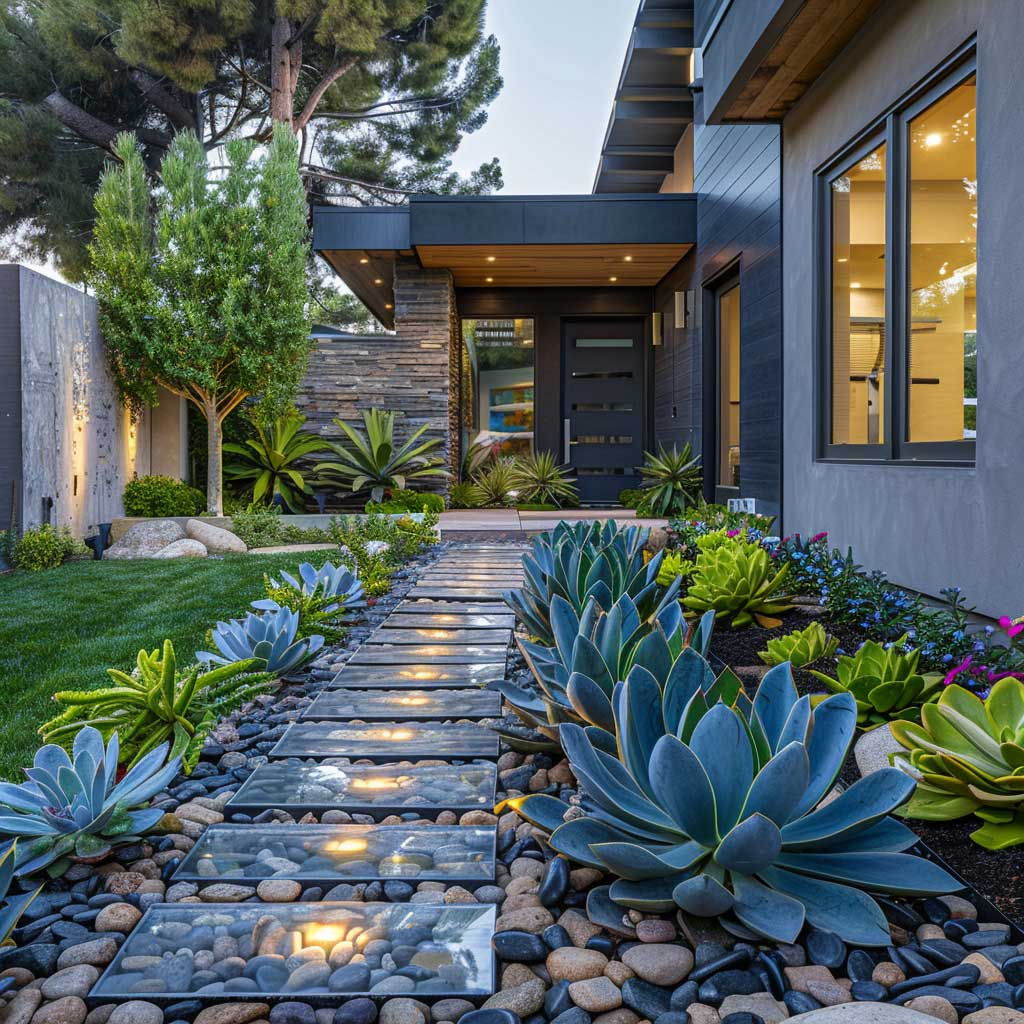
Lighting is often an afterthought, but it’s crucial. Not just for security, but for atmosphere. A well-lit home feels safer and more inviting. In 2026, LED technology has made this easier and cheaper than ever. You don’t need to wire up your whole yard. Start with the path. Solar-powered path lights are a decent option if you have good sun exposure, but hardwired low-voltage LEDs are more reliable and brighter. They cast a warm glow that guides visitors to your door without blinding them. Place them strategically along walkways and near steps to prevent trips and falls.
Don’t forget the porch light itself. Is it dark? Is the fixture outdated? Swapping out an old, dusty globe for a modern lantern-style fixture can update the whole entry. Choose a bulb with a warm color temperature (around 2700K to 3000K). Cool white bulbs can feel clinical and unwelcoming. Warm light feels cozy. It says, "Come in." If you have architectural features you love—like a nice tree or a stone column—consider uplighting. Spotlights placed at the base of a tree and aimed upward create dramatic shadows and highlight texture. It turns your yard into a stage set at night.
Motion sensors are another smart addition. They save energy and add a layer of security. Imagine pulling into your driveway at night and having the lights gently fade on as you approach. It’s convenient and feels luxurious. Plus, it deters anyone with bad intentions. Just make sure the sensors aren’t too sensitive, or you’ll have lights flashing every time a cat walks by. Adjust the angle and range so they cover the key areas: the door, the path, and the garage. Good lighting extends the life of your curb appeal into the evening hours. It ensures your home looks good 24/7.
The Devil in the Details: Mailboxes and House Numbers
We touched on house numbers earlier, but let’s dig deeper into the other small stuff. The mailbox. It’s often overlooked, sitting there rusting or leaning to one side. It’s the first thing the mail carrier sees, and often the first thing guests notice as they drive up. If your mailbox is dented, faded, or surrounded by weeds, fix it. You can buy a new one for under $100, or refurbish the old one with some sandpaper and fresh paint. Match the finish to your door hardware or light fixtures for a cohesive look. Add a planter box at the base of the post for a touch of greenery. It softens the hard lines and integrates the mailbox into the landscape.
Address visibility is key, too. Make sure your numbers are easy to read from the street. This isn’t just about aesthetics; it’s practical. Emergency services need to find you. Delivery drivers need to find you. Guests need to find you. If your house is set back from the road, consider putting your numbers on a post near the street or on the mailbox itself. Use a font that is clear and bold. Avoid script fonts that are hard to decipher from a distance. Contrast matters. Light numbers on a dark background, or vice versa. It’s a tiny detail, but it speaks volumes about how organized and thoughtful you are.
Look at your windows, too. Are the screens torn? Are the frames peeling? Clean them. Inside and out. Sparkling windows reflect light and make the interior feel brighter, which shows through to the outside. If you have shutters, check the hinges. Tighten them. Paint them if they’re chipping. These micro-details add up. When everything looks tidy and maintained, the whole property feels higher value. It’s the difference between a house that looks "lived in" and one that looks "loved." People connect with love. They trust it.
Cleaning and Decluttering: The Invisible Upgrade
Sometimes the best upgrade is subtraction. Not adding anything, but taking away. Pressure washing is a game-changer. Over time, siding, driveways, and walkways accumulate grime, mold, and mildew. It makes the house look older and dingier. Renting a pressure washer for a day costs maybe $50-$75. The results are immediate. Your siding looks brighter. Your concrete looks newer. It’s satisfying to watch the dirt blast away. Just be careful with the pressure setting. Too high, and you can damage wood siding or strip paint. Start low and work your way up. Test a small, inconspicuous area first.
Declutter the porch. We all do it. We leave shoes by the door. Bikes lean against the wall. Toys scatter across the steps. It happens. But for curb appeal, clear it out. Store bikes in the garage. Put shoes in a bench with storage. Keep the surfaces clean and open. A cluttered porch feels small and chaotic. A clear porch feels spacious and inviting. Add a simple welcome mat. Maybe a single potted plant. Less is more. You want people to focus on the architecture and the entry, not your pile of recycling bins.
Trim the trees and bushes, too. Overgrown branches can scratch siding, block windows, and make the yard feel dark and cramped. Prune them back. Let the light in. Shape the shrubs so they look intentional, not wild. If you have dead plants, pull them out. Don’t let them linger. Bare spots are better than dead spots. You can fill them later. For now, just clean up the debris. Rake the leaves. Pick up the sticks. A tidy yard signals that the inside is likely tidy, too. It’s a psychological cue. We judge books by their covers, and houses by their yards. Make sure your cover is clean.
Finally, think about how the space functions. Curb appeal isn’t just about looks; it’s about livability. Even if you don’t have a huge front yard, you can create zones. A small seating area with two chairs and a tiny table invites you to sit and enjoy the morning coffee. It humanizes the space. It shows that this is a place for connection. Choose weather-resistant furniture that matches the style of your home. Wicker for a cottage look. Metal for modern. Wood for traditional. Keep it scaled to the space. Don’t cram a huge sectional onto a tiny porch.
Add personal touches, but keep them universal. Wind chimes. A seasonal wreath on the door. A unique door knocker. These items add character without being too niche. You want buyers or guests to imagine themselves living there, not feel like they’re intruding on someone else’s specific taste. Rotate your décor with the seasons. Pumpkins in fall. Evergreens in winter. Tulips in spring. It keeps the look fresh and shows you’re engaged with your home. It’s a low-effort, high-reward habit.
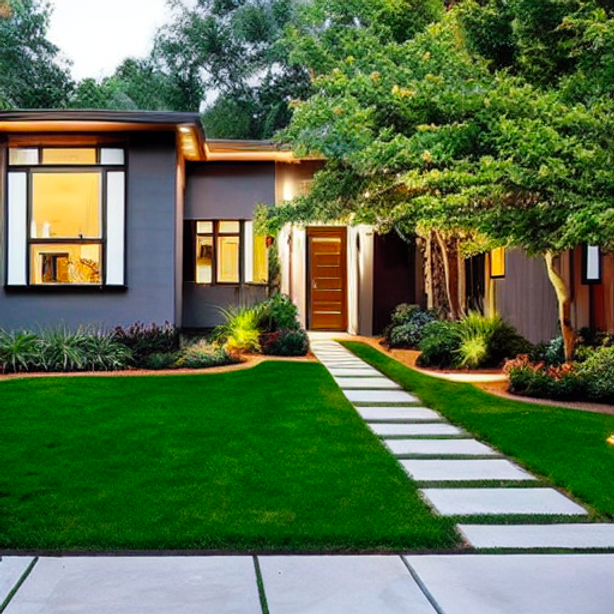
Think about the view from the street. Stand on the sidewalk. What do you see? Is there a focal point? Maybe it’s the door. Maybe it’s a beautiful tree. Maybe it’s a garden bed. Enhance that focal point. Draw the eye there. Use lines—like the edge of the lawn or the path—to lead the viewer’s gaze. Design is about guidance. You’re guiding people to the door, to the beauty, to the warmth. It’s not magic. It’s just attention. Paying attention to the small things that make a house feel like a home. And in 2026, that attention to detail is what sets properties apart. It’s what makes people stop, look, and smile.
So, where do you start? Pick one thing. Just one. Maybe it’s painting the door. Maybe it’s edging the lawn. Do that this weekend. Then next weekend, tackle the next item. You don’t have to do it all at once. Curb appeal is a journey, not a sprint. And the best part? You get to enjoy the results every single day. Every time you pull into your driveway, you’ll feel that little lift. That pride. That sense of arrival. And isn’t that what home is all about? It’s not just a building. It’s a feeling. And with a few simple tweaks, you can make that feeling undeniable.