
You know that feeling when you look out your window after a heavy storm? The sky clears up, the birds start chirping, but your heart sinks just a little bit. You walk outside and see it again. That ugly, jagged scar running down your hillside. Maybe it’s a small gully this time, or maybe it’s a pile of mud sitting right where your petunias used to be. It’s frustrating. It feels like you’re fighting a losing battle against gravity and rain.
But here’s the thing. You don’t have to let your yard wash away. And you definitely don’t have to make it look like a construction zone to fix it. In fact, some of the most effective ways to hold soil in place are also the prettiest. We’re talking about decorative stone and mulch. Not just dumping a bag of wood chips and hoping for the best, but using these materials with intention. It’s about working with the water, not just trying to block it.
Let’s be real for a second. Erosion isn’t just an eyesore. It’s a sign that your landscape is unstable. If left alone, those little rills turn into trenches. Topsoil—the good stuff your plants need—ends up in the storm drain instead of feeding your garden. But fixing it doesn’t require a degree in civil engineering. It requires a bit of patience, the right materials, and understanding how water moves. By 2026, homeowners and landscapers alike have moved past the old idea that concrete retaining walls are the only answer. Nature-based solutions, mixed with durable hardscaping, are taking center stage. They’re softer on the eyes, better for the ecosystem, and often easier on the wallet.
Why Your Slope is Washing Away (And Why It Matters)
Before we start moving rocks, we need to understand the enemy. Water. Specifically, fast-moving water. When rain hits flat ground, it has time to soak in. On a slope? It picks up speed. Kinetic energy builds up. That moving water acts like sandpaper, scrubbing away loose dirt and carrying it downhill. The steeper the slope, the faster the water moves, and the more damage it does. It’s simple physics, but it feels personal when it’s your backyard.
Most people think erosion is just about heavy rain. And sure, a downpour triggers it. But the root cause is usually a lack of protection. Bare soil is vulnerable soil. Without plant roots to hold it together or a cover to break the impact of raindrops, the earth is helpless. This is why those bare patches on your hill are the first to go. Once a channel starts forming, water naturally follows that path of least resistance. It gets deeper and wider with every storm. It’s a vicious cycle.
Ignoring it isn’t really an option. Beyond the aesthetic mess, erosion can undermine foundations, damage sidewalks, and clog up local drainage systems. In places like Northern Virginia and Texas, conservation districts have been highlighting this issue for years. They note that proper drainage and cover materials are key. It’s not just about saving your azaleas; it’s about responsible land stewardship. Plus, let’s be honest. Nobody wants to spend their weekends shoveling mud back up a hill. Fixing the source is way less work than cleaning up the aftermath.
Choosing Your Armor: Stone vs. Mulch
So, what do you put on that bare slope? You’ve got two main contenders: decorative stone and organic mulch. Both have their place, and often, the best solution involves both. Let’s break them down so you can pick what fits your vibe and your budget.
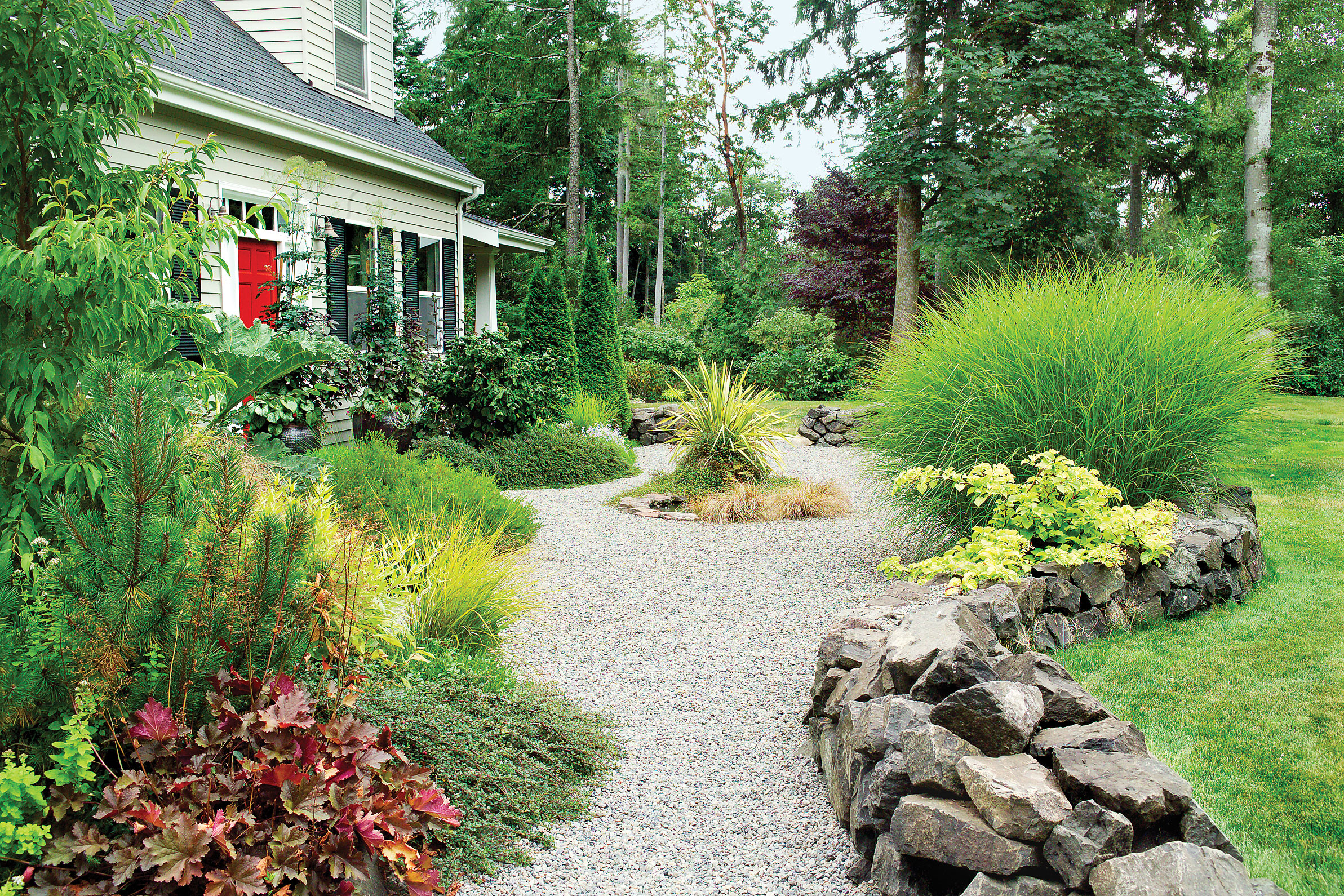
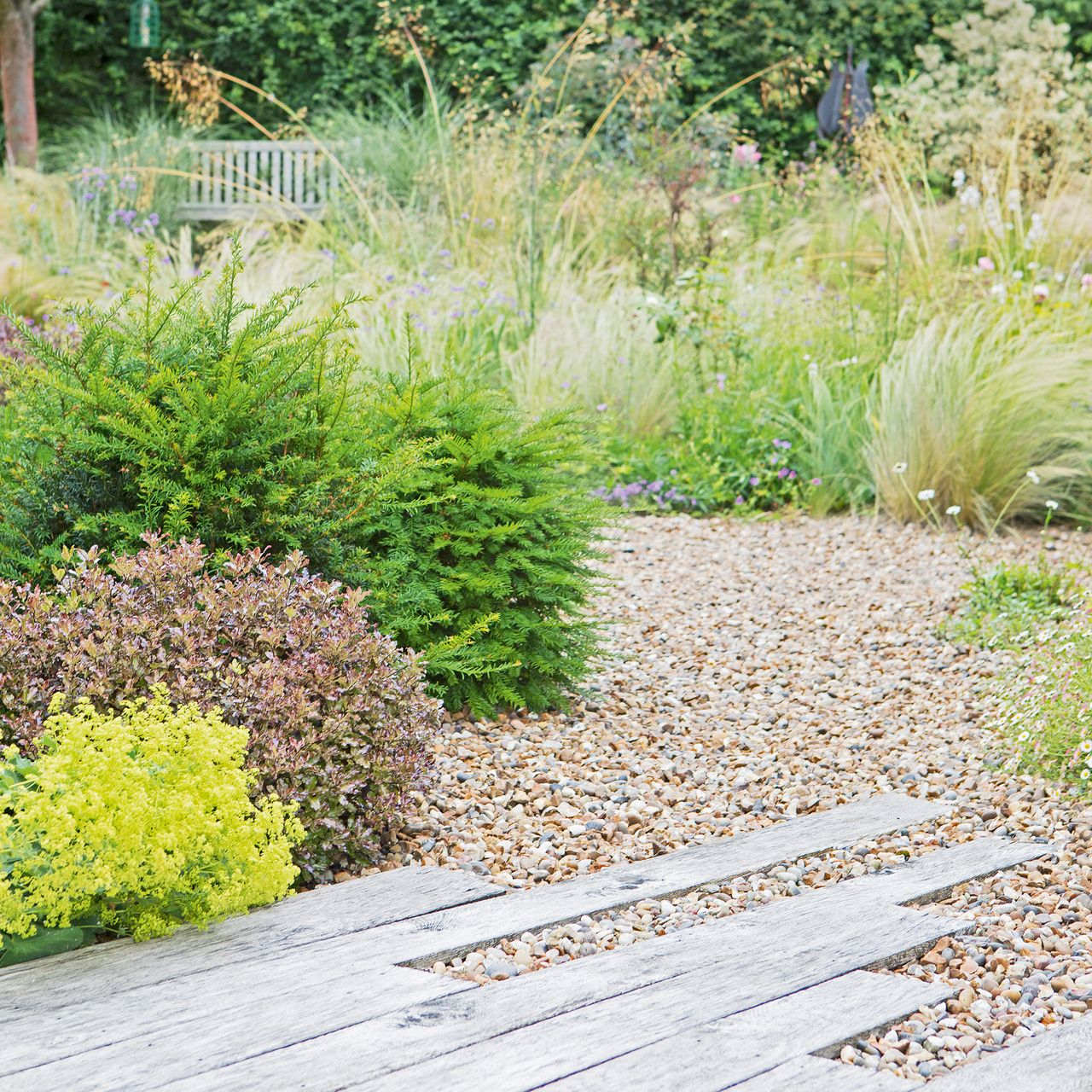
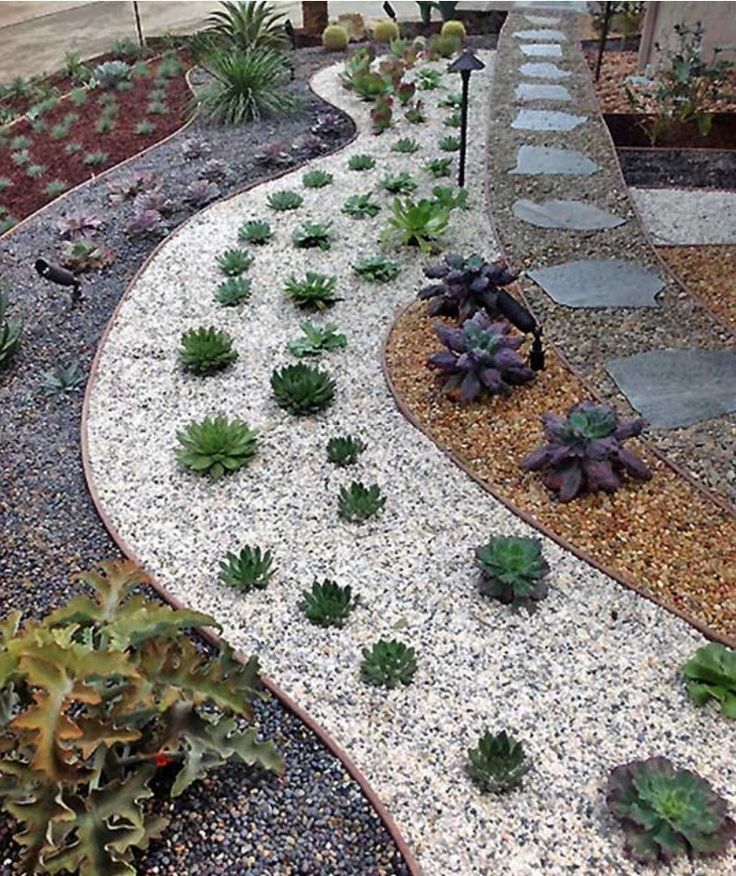
Decorative stone—think river rock, crushed granite, or pea gravel—is the heavyweight champion of durability. It doesn’t rot. It doesn’t blow away in a windstorm. And because it’s heavy, it stays put once installed correctly. Sources from US Rock Corporation note that using decorative rock mulch can prevent erosion while adding a polished look. It’s great for high-traffic areas or spots where water flows quickly. River rocks, with their smooth, rounded edges, are particularly good because they interlock slightly, creating a stable surface that slows water down without letting it pool. Plus, they look sharp. A bed of dark gray slate chips or warm tan pea gravel can make a slope look intentional and designed, not just patched up.
On the other hand, organic mulch—shredded bark, wood chips, pine straw—is the gentle nurturer. It breaks down over time, adding nutrients back into the soil. This helps plants grow, and those plant roots are the ultimate erosion fighters. Mulch is lighter and cheaper than stone, making it a good choice for larger areas or gentler slopes. However, it has a downside. On steep grades, standard mulch can wash away easily if it’s not anchored. That’s where technique matters. You can’t just spread it and walk away. You need to use shredded mulch rather than large chunks, as the shreds knit together better. And you might need some help, like landscape fabric or netting, to keep it in place during those first few heavy rains.
The Secret Sauce: Preparation and Anchoring
Here is where most DIY projects fail. People skip the prep work. They just dump the material on top of the existing grass or weeds and hope it sticks. Spoiler alert: it won’t. Proper preparation is the difference between a slope that holds for five years and one that washes out in five minutes.
First, you need to clear the area. Remove any loose debris, dead vegetation, or old mulch. If there’s existing grass, you might need to sod-cut it or use a non-selective herbicide if you’re going for a pure stone look. The goal is a clean, firm base. Next, consider the grade. If your slope is really steep—say, more than a 3:1 ratio—you might need to terrace it. Fairfax County’s soil conservation guidelines suggest that shorter terraces in series are more effective than one big wall. Terracing breaks the slope into smaller, flatter sections. This reduces the speed of the water and gives it a place to slow down and infiltrate. You can build simple terraces using large boulders or even treated timber.
Once the shape is right, it’s time for anchoring. For mulch, this is non-negotiable on slopes. Landscape fabric is a common choice. It lets water through but holds the soil and mulch in place. Lay it down, staple it securely, and then spread your mulch on top. For stone, you might not need fabric if you’re using larger rocks, but for smaller gravel, a layer of geotextile fabric underneath prevents the stones from sinking into the mud over time. Some newer methods, like BaseCore geocell panels, are gaining traction in 2026. These honeycomb-like structures lock gravel in place, creating a permeable, super-stable surface. They’re a bit more involved to install, but for tricky spots, they’re a game changer.
Strategic Placement: Breaking the Flow
Now comes the fun part. Arranging the materials. You aren’t just covering the ground; you’re designing a system to manage water. Think of yourself as a traffic controller for raindrops. You want to slow them down, spread them out, and guide them safely away.
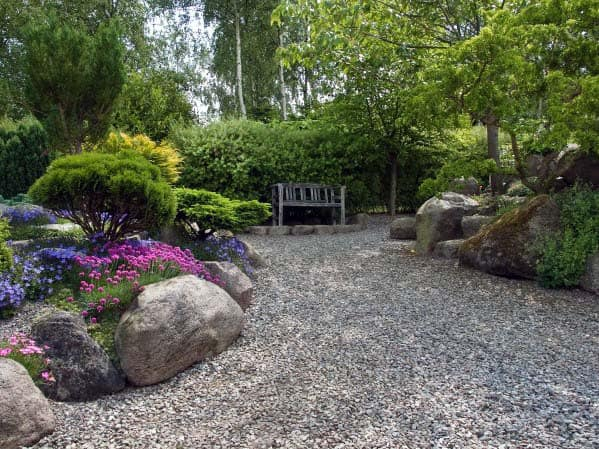
Start with the "key stones." Place larger rocks or boulders along the contour of the slope (horizontally across the hill, not up and down). These act as mini-dams. They interrupt the flow of water, forcing it to spread out laterally rather than rushing straight down. Kirk Allen Landscape Supply recommends placing stones tightly in a staggered pattern. This creates a rough surface that dissipates the water’s energy. Imagine water hitting a smooth slide versus a rocky creek bed. The rocky bed slows it down. That’s what you’re creating.
Fill in the gaps between the larger stones with smaller decorative gravel or mulch. This combination is powerful. The big rocks take the brunt of the force, while the smaller material covers the soil and prevents splashing. If you’re using mulch, pack it firmly around the base of the stones. Don’t leave gaps. Water will find those gaps and exploit them. Also, pay attention to the edges. Install edging stones or metal strips along the sides of your slope treatment. This keeps the material from spilling off the sides onto your lawn or walkway. It creates a clean, defined look and adds structural integrity.
Adding Life: Plants That Hold the Line
Stone and mulch are great, but they’re static. Plants are dynamic. Their roots weave through the soil, creating a living net that holds everything together. The best erosion-control landscapes combine hardscaping with softscaping. It’s not either/or; it’s both/and.
Choose plants that are tough, drought-tolerant, and have deep or spreading root systems. Alpine plants are fantastic for rocky slopes. They’re adapted to harsh, well-drained conditions and look charming nestled among stones. Creeping junipers, sedums, and ornamental grasses are also top-tier choices. They grow low to the ground, reducing wind resistance, and their roots bind the soil effectively. When planting, don’t just stick them in the mulch. Dig into the soil beneath. Make sure the roots have contact with the earth.
Timing matters too. Plant in the spring or fall when the weather is cooler and rain is more consistent. This gives the plants time to establish before the heat of summer or the storms of winter hit. And remember, new plants need water. But be careful. Don’t let your sprinklers blast the slope directly. That causes its own erosion. Use drip irrigation or soaker hoses buried under the mulch. This delivers water slowly and directly to the roots, minimizing runoff. As Ganshert Landscaping Services points out, avoiding heavy sprinkler runoff is crucial. You’re trying to stop erosion, not create it with your watering habits.
You’ve done the work. The slope looks great. The rain comes, and the water slows down, soaking in instead of washing away. Success! But you’re not done forever. Landscapes are living, changing things. They need a little love to stay effective.
Check your slope after major storms. Look for any signs of movement. Did a rock shift? Is there a new bare patch? Fix it immediately. Small problems are easy to fix; big ones are expensive. Top off the mulch as it decomposes. A thin layer every year or two keeps the soil covered and the look fresh. For stone slopes, you might need to rake the gravel occasionally to keep it level and remove any leaves or debris that accumulate. Debris can trap moisture and cause uneven settling or promote weed growth.
Weeds are the other big enemy. They might look nice, but their roots can disrupt your carefully laid fabric or stone layer if they get too big. Pull them early. If you used landscape fabric, weeds should be minimal, but wind-blown seeds can still germinate in the top layer of mulch or gravel. A pre-emergent herbicide can help, but hand-pulling is often safer for the surrounding plants. Also, keep an eye on your drainage paths. Make sure the water exiting the bottom of your slope has somewhere to go. A French drain or a dry creek bed at the base can catch the runoff and carry it away safely, preventing it from pooling and undermining your hard work.
Stopping erosion on a slope doesn’t have to be a headache. It’s an opportunity to create something beautiful and functional. By combining decorative stone, mulch, and smart planting, you can turn a problematic hill into a standout feature of your yard. It takes some upfront effort, sure. But the payoff is a yard that stays put, looks great, and handles the rain like a champ. So grab your shovel, pick out some nice rocks, and get started. Your future self—and your petunias—will thank you.
![15+ Backyard Gravel Ideas | Creative Landscaping Designs [2024 Updated] throughout Gravel Landscaping](https://cdn.dahomengarden.com/2026/05/15-backyard-gravel-ideas-creative-landscaping-designs-2024-updated-throughout-gravel-landscaping.webp)