
You know that feeling when you pull up to your house after a long day? The relief isn’t just about being home. It’s about the vibe. Does the place welcome you? Or does it feel like another chore waiting to happen? For years, we treated front yards like museum exhibits. Look, don’t touch. Keep the grass green. Don’t let a leaf fall out of place. But honestly? That era is over.
In 2026, the front yard has become something else entirely. It’s a room. It’s a transition zone. It’s where you wave to neighbors while sitting on a bench that doesn’t hurt your back. The shift toward functional hardscaping isn’t just about looking good for the real estate appraiser. It’s about making your life easier and your home more inviting. We are seeing a massive move away from high-maintenance lawns toward structures that work as hard as you do.
This isn’t about pouring concrete everywhere and calling it a day. It’s smarter than that. It’s about using stone, gravel, brick, and metal to create spaces that breathe. Spaces that handle rain better. Spaces that look great in January and July. If you’ve been staring at your patchy lawn wondering what to do, you’re not alone. Let’s dig into how you can transform that space into something that actually serves you.
Winding Paths and Naturalistic Flow
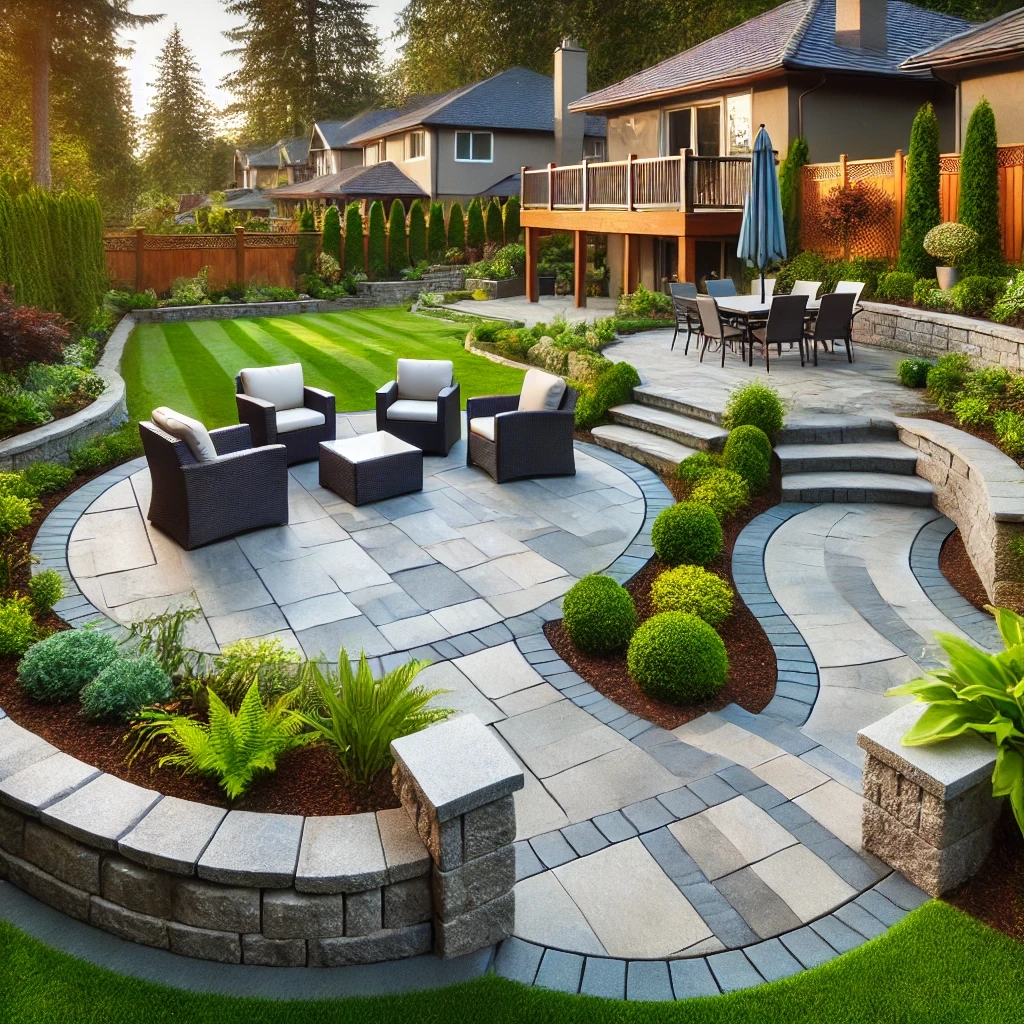
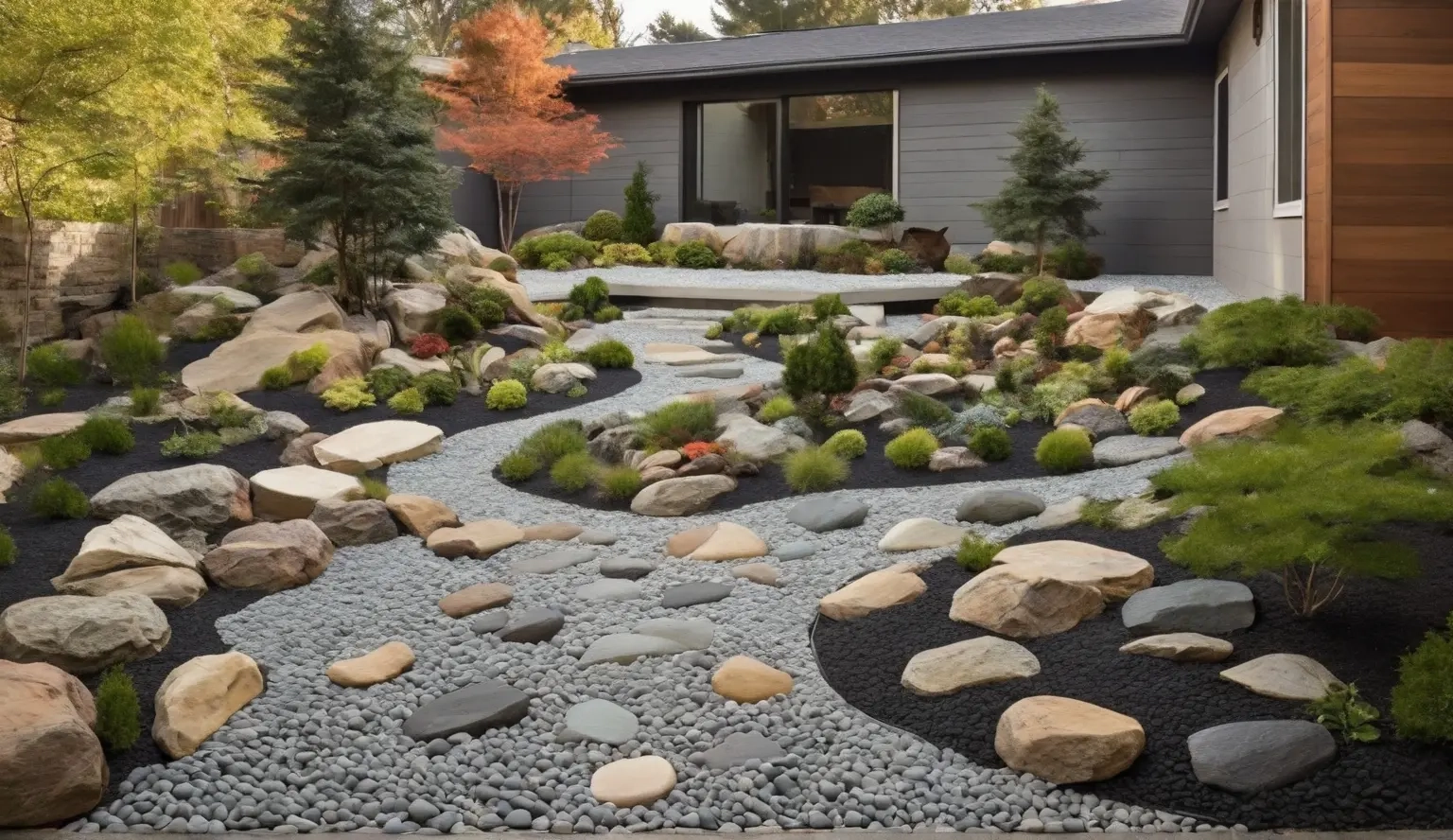
Remember when every sidewalk was a straight shot from the curb to the door? Boring, right? And kind of aggressive. The big trend this year is softening that approach. We are seeing a dramatic display of naturalistic hardscaping. Think winding flagstone pathways that meander rather than march. It slows people down. It invites them to look around.
According to recent design insights, these winding paths are often paired with gravel areas. But not just any gravel. We’re talking about decomposed granite or pea gravel surrounded by drought-tolerant grasses. This combination is huge in 2026. Why? Because it handles foot traffic well and doesn’t demand a weekly mowing session. The flagstone provides solid footing, while the gravel fills the gaps, creating a permeable surface that lets rain soak in instead of running off into the street.
It’s also visually softer. A rigid concrete slab can feel cold. A path made of irregular stones with creeping thyme or ornamental grasses peeking through feels alive. It connects the house to the street in a way that feels organic. You aren’t just walking to the door; you’re moving through a landscape. This approach reduces the "heat island" effect too, keeping your front yard cooler in those summer heatwaves. Plus, it’s forgiving. If a stone shifts a bit? It adds character. Perfection is out. Charm is in.
Built-In Seating and Social Zones
Here is a question for you. When was the last time you sat in your front yard? If the answer is never, maybe the problem isn’t you. Maybe it’s the lack of a place to sit. In 2026, we are stopping treating the front yard as a no-man’s-land. We are turning it into a social zone. But not in the middle of the walkway. That blocks traffic. The smart move is placing seating off to the side.
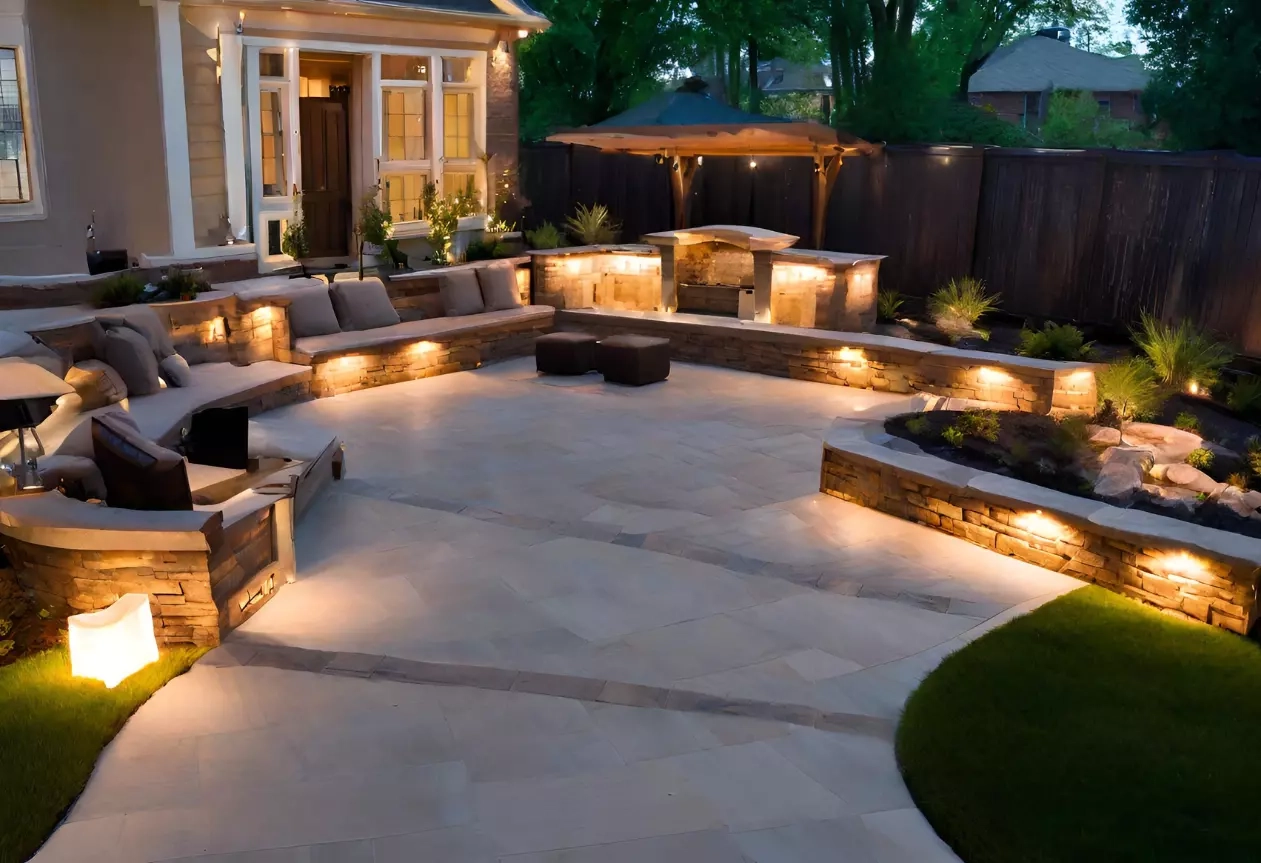
Imagine a small nook near the porch. HGTV highlighted a stunning example recently where a tiny yard was transformed with built-in seating. They used picket fence-inspired benches that doubled as planters. It’s clever. It keeps the main circulation path clear, so guests aren’t stepping over your legs to get to the door. But it creates a destination. A place to wait for a ride. A spot to chat with a neighbor walking their dog.
These built-ins don’t have to be expensive custom jobs. You can use large boulders, stacked stone walls, or even repurposed bricks. The key is intentionality. When you add a seat, you signal that this space is for humans. It changes how people interact with your home. It makes the house feel friendlier. And for you? It’s an extra room. Read a book there. Drink your morning coffee. Watch the world go by. It turns unused square footage into a functional outdoor lounge without sacrificing privacy or security.
Modern Pergolas and Shade Structures
Sun is great. Until it’s not. One of the most functional upgrades we’re seeing this year is the addition of lightweight shade structures. We aren’t talking about heavy, permanent roofs that block all light. We’re talking about open patios and metal pergolas. Arka Energy noted that these features improve functionality by providing shaded, usable outdoor space. They are stylish, durable, and structured.
A metal pergola in the front yard might sound unusual if you’re used to seeing them in the back. But think about it. If your front door faces west, that afternoon sun can be brutal. A sleek, black or bronze metal frame creates a visual anchor. It draws the eye up. It frames the entrance. And when you add climbing vines or a retractable canopy, it becomes a practical shield against the elements.
This isn’t just about comfort. It’s about architecture. These structures break up the monotony of a flat facade. They add height and depth. In 2026, homeowners are choosing materials that contrast nicely with traditional brick or siding. Corten steel, powder-coated aluminum, or even stained wood. They create a modern edge. And because they are open, they don’t feel imposing. They invite you in. They say, "Come on up, it’s cooler here." It’s a small change that makes a massive difference in how usable your front porch area feels during the hottest parts of the day.
Minimalist Lines and Hidden Drainage
Let’s talk about the unsexy stuff. Water. Rain. Runoff. Usually, dealing with drainage means ugly plastic pipes or muddy patches. Not anymore. One of the dominant themes of 2026 is clean lines and intentional design. Minimalist landscapes are pairing beautifully with linear drainage systems. These are sleek channels that blend seamlessly into walkways and hardscapes.
Designer Drains pointed out that these systems don’t disrupt the aesthetic. In fact, they enhance it. Imagine a crisp, modern walkway made of large format pavers. Instead of water pooling on the surface, it flows gently into a narrow, grated channel that runs alongside the path. It looks like a design feature, not a utility fix. It keeps the surface dry and safe. No slipping on wet stone. No erosion washing away your mulch.
This attention to detail signals quality. It shows that the landscape was thought through, not just slapped together. Crisp borders and fresh mulch define edges clearly. This prevents turf from creeping into flower beds. It keeps weeds out. It makes upkeep manageable. When everything has a defined edge, the whole yard looks sharper. It feels curated. And for the homeowner, it means less time edging with a string trimmer and more time enjoying the space. Function meets form in the most satisfying way.
Focal Points and Visual Anchors
A yard without a focal point is like a sentence without a verb. It just sits there. Adding a focal point guides the eye. It adds personality. In 2026, we are seeing a move toward statement pieces that aren’t necessarily plants. Sure, a beautiful tree is classic. But consider a sculpture. A water feature. A unique fire pit (if local codes allow). Or even a striking piece of architectural salvage.
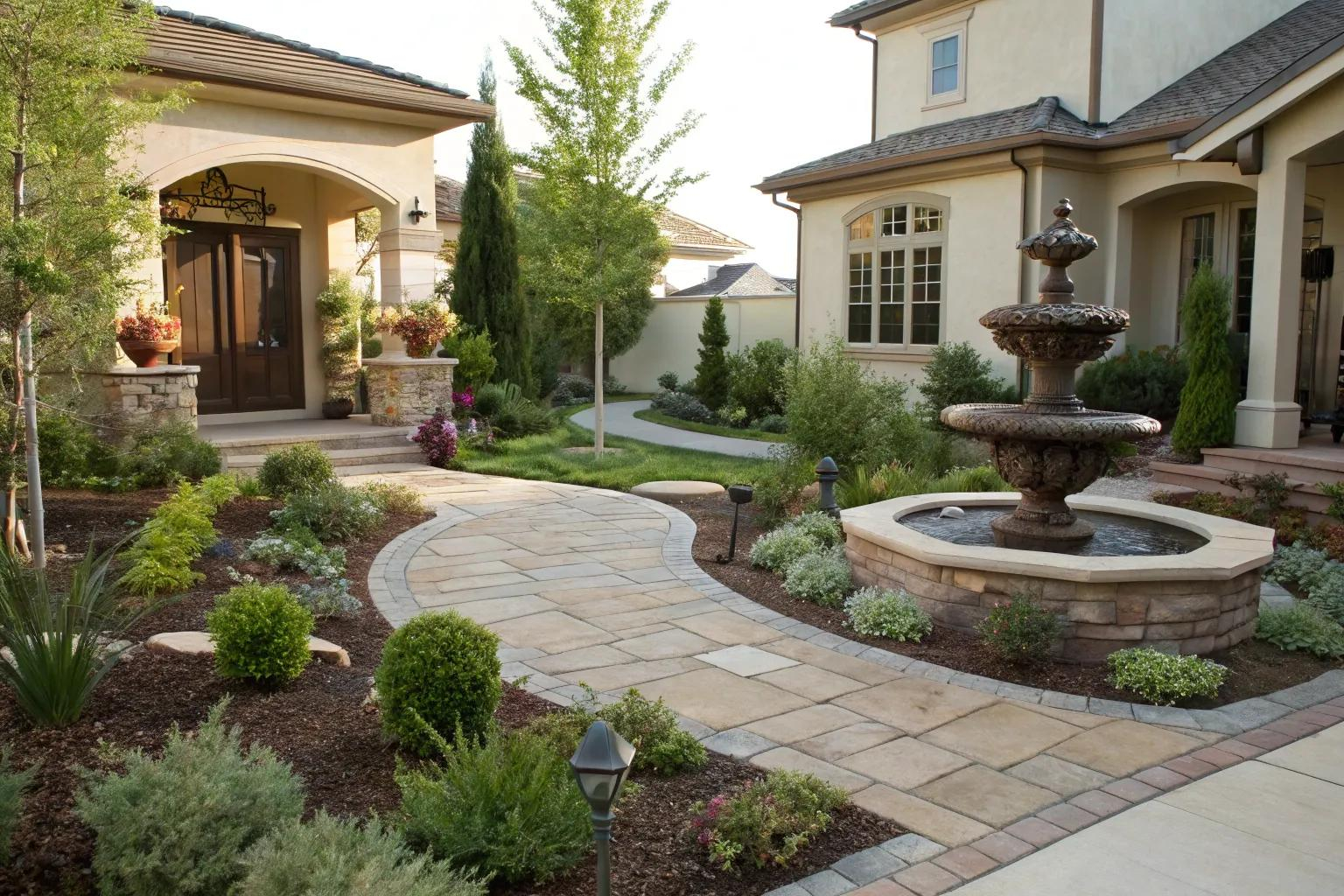
Breaking AC emphasized that these elements add more than just looks. They create a narrative. When you walk up to a house, your eye should land on something interesting before it hits the front door. Maybe it’s a modern spherical fountain tucked into a gravel bed. The sound of trickling water masks street noise. It creates a sense of calm. Or perhaps it’s a large, abstract metal sculpture that catches the sunlight.
These anchors work best when they are surrounded by simple hardscaping. Don’t clutter the area. Let the object breathe. Use contrasting textures. If the focal point is smooth stone, surround it with rough gravel. If it’s dark metal, frame it with light-colored pavers. This contrast makes the feature pop. It gives the yard a sense of purpose. It tells visitors, "This matters. This home has style." And it gives you something to love every time you pull into the driveway.
We mentioned edges earlier, but they deserve their own spotlight. Why? Because they are the unsung heroes of curb appeal. Martha Stewart’s recent guide highlighted that clean, defined edge borders do more than boost looks. They prevent turf from creeping in. They keep mulch in place. They help keep weeds out. Basically, they save you hours of work every season.
In 2026, the trend is toward materials that last. Plastic edging that cracks after two winters is out. Steel, stone, and concrete curbing are in. Steel edging, in particular, is having a moment. It’s thin, strong, and creates a razor-sharp line between your lawn and your garden beds. It’s almost invisible, which lets the plants take center stage. But it holds its ground against encroaching grass roots.
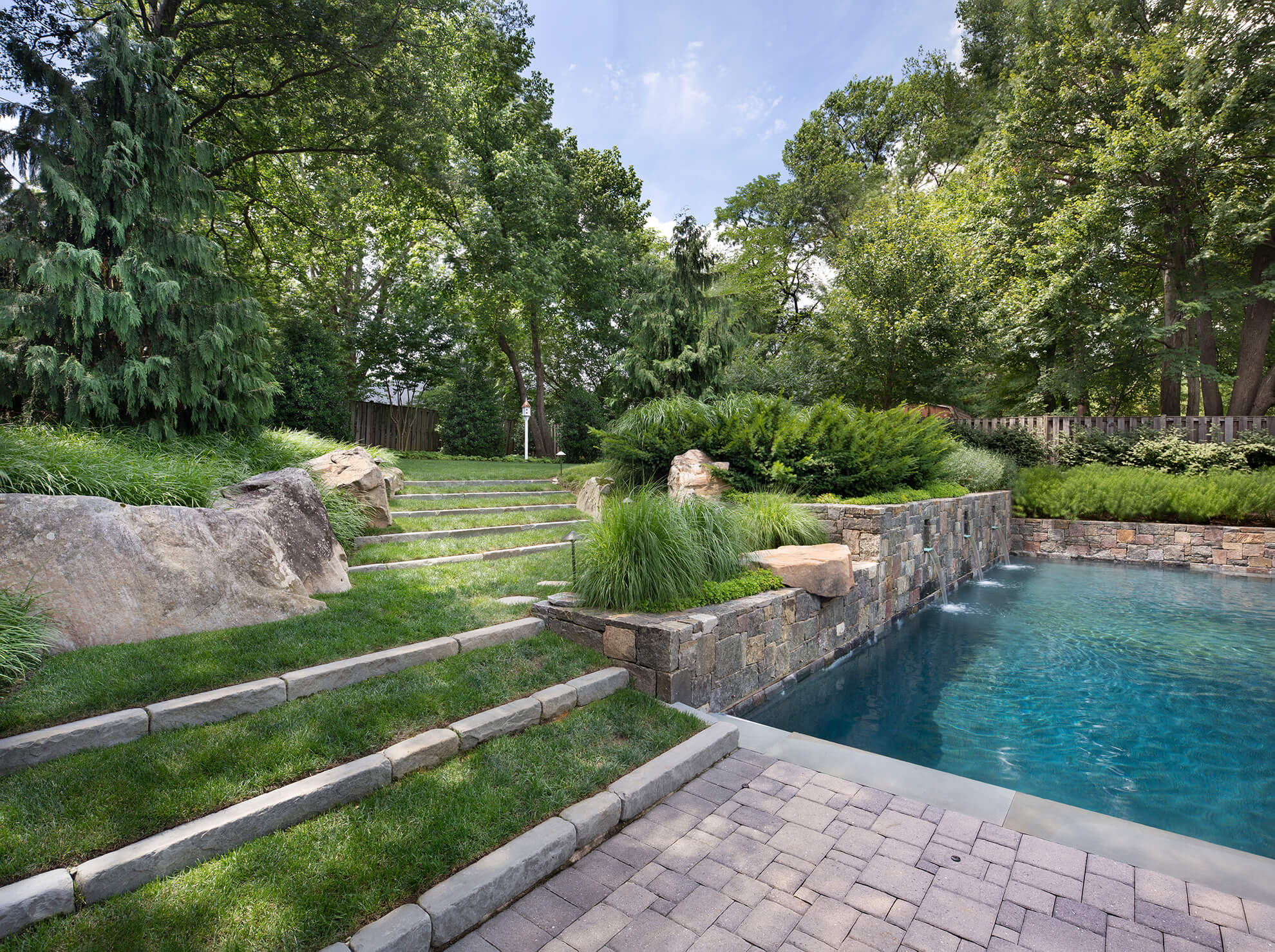
Stone borders offer a different vibe. They are softer, more rustic. Using reclaimed bricks or fieldstones creates a timeless look. These borders also double as mini-retaining walls if you have slight elevation changes. They define the space without building a massive wall. The key is consistency. Pick a material and stick with it throughout the front yard. This repetition creates a cohesive look. It ties disparate elements together. And when spring comes around, you’ll thank yourself for not having to re-edge every single bed. It’s a small investment that pays off in saved sweat equity.
So, where does this leave us? The front yard of 2026 is not a status symbol of how much time you spend mowing. It’s a testament to how well you live. By integrating hardscaping that functions—paths that guide, seats that invite, shade that cools, and drainage that works—you create a home that feels grounded. It feels ready for real life.
You don’t need to do it all at once. Start with one thing. Maybe it’s fixing that cracked walkway with some loose flagstone. Maybe it’s adding a simple bench. Maybe it’s just defining those messy bed edges. Each step makes the space more yours. More useful. More beautiful.
Look at your front yard today. Really look at it. What’s missing? What’s annoying? Then, think about how stone, gravel, or structure could solve that problem. It’s not just about curb appeal for strangers. It’s about coming home to a place that works for you. And honestly? That’s the best kind of beauty there is.