
Ever scrolled through Pinterest late at night, heart racing as you pinned image after image of lush, manicured front yards? It’s easy to feel a pang of envy. Those photos look expensive. They look like they required a team of professionals and a budget that rivals a small car payment. But here is the secret that those glossy pins don’t always tell you upfront: most of that magic is smoke, mirrors, and smart shopping. You do not need a fortune to make your home the envy of the block. In fact, some of the most striking designs come from tight budgets and creative minds.
We are living in 2026, and the trend has shifted away from high-maintenance, water-guzzling lawns toward spaces that feel personal, sustainable, and surprisingly cheap to maintain. Whether you have a sprawling suburban plot or a tiny urban patch, the principles remain the same. It is about working with what you have, repurposing what you can find, and choosing plants that thrive rather than just survive. Let’s dive into how you can harness the power of Pinterest inspiration to create a front yard that looks a million bucks but costs a fraction of that.
The Power of Visual Planning and Free Resources
Before you buy a single bag of mulch or dig a hole, you need a plan. This is where Pinterest becomes your best friend, not just for inspiration but for execution. Start by creating a dedicated board titled "Front Yard Goals 2026." As you pin, look for patterns. Do you keep saving images with gravel paths? Are you drawn to wildflower meadows or structured boxwood hedges? Identifying these recurring themes helps you define your style without spending a dime. It also prevents the common mistake of buying mismatched items that clash once they are in the ground.
Once you have your vision, break it down into zones. Sketch a rough map of your yard on paper or use a free app. Mark where the sun hits hardest and where the shade lingers. This simple step saves you from buying sun-loving plants for shady corners, which is a costly error many beginners make. Look for pins that specifically tag "DIY" or "budget-friendly." These often include material lists and step-by-step guides. Remember, a pretty picture is nice, but a tutorial is valuable. Save the ones that explain how they achieved the look, not just the final result.
Don’t forget to check the comments sections on popular pins. Often, other users will ask about costs, plant hardiness, or maintenance. The original poster or community members might share real-world data that isn’t in the main article. This crowdsourced knowledge is gold. It helps you avoid pitfalls and gives you a realistic idea of time investment. If a pin claims a project takes two hours but comments say it took two weekends, believe the comments. Honesty in planning leads to success in execution.
Mulch, Gravel, and Hardscaping Hacks
One of the fastest ways to elevate a messy yard is by defining edges and covering bare soil. Mulch is the unsung hero of budget landscaping. It suppresses weeds, retains moisture, and gives a finished, professional look instantly. In 2026, dyed black mulch is still popular for its contrast, but natural cedar or pine bark is gaining traction for its rustic charm and soil benefits. You can often get free or cheap mulch from local tree trimming services or municipal waste centers. Call around; many cities offer free wood chips to residents who are willing to pick them up.
Gravel is another affordable alternative to expensive pavers or concrete. A gravel path or border adds texture and drainage while costing a fraction of stone slabs. Look for pea gravel or crushed granite, which are generally cheaper and easier to walk on than larger rocks. To keep it looking tidy and prevent it from spreading into your lawn, use metal or plastic edging. You can even repurpose old bricks or stones from demolition sites for a unique, vintage vibe. Just make sure to lay down landscape fabric underneath to stop weeds from pushing through.
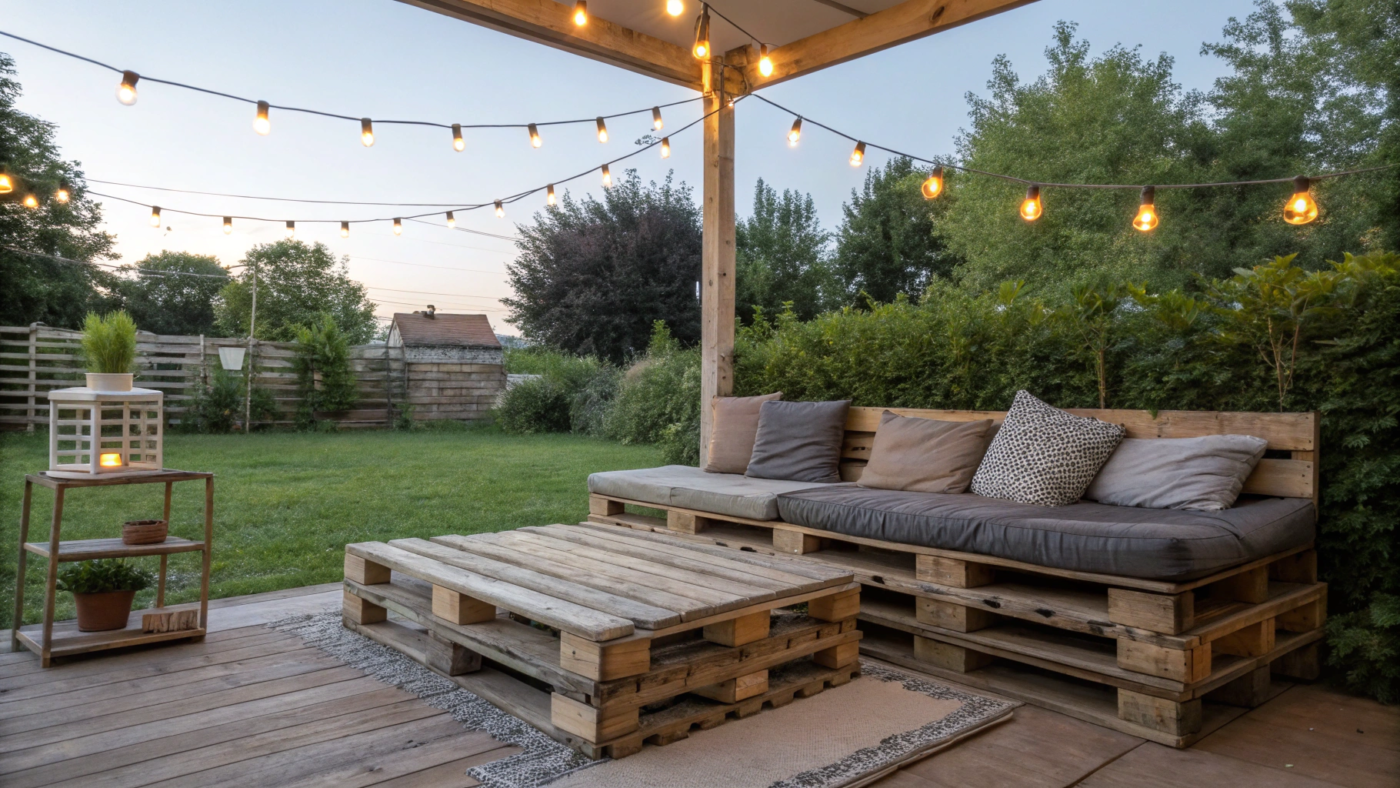
Hardscaping doesn’t have to mean heavy construction. Consider using reclaimed materials. Old pallets can be broken down for wood projects, and leftover bricks from neighbors’ renovations can become charming border accents. Check online marketplaces for free or low-cost building materials. People often give away half-used bags of cement, extra tiles, or fencing materials just to clear their garage. With a little creativity, these scraps become the structural backbone of your design. It’s about seeing potential where others see trash.
Smart Plant Choices for Maximum Impact
Plants are the soul of your garden, but they can also be the biggest budget drain if you aren’t careful. The key is to think long-term and go native. Native plants are adapted to your local climate, meaning they need less water, fertilizer, and pest control. This saves you money every month. In 2026, there is a huge push towards "rewilding" front yards with local species that support pollinators. Not only is this eco-friendly, but it also creates a dynamic, ever-changing landscape that feels alive.
Start small with perennials rather than annuals. Annuals need to be replanted every year, which adds up. Perennials come back year after year, growing larger and more impressive over time. Divide existing plants from friends or neighbors. Many gardeners are happy to share hostas, daylilies, or ornamental grasses because they spread aggressively. This is a great way to get established plants for free. Join local gardening groups on social media; plant swaps are common and a fantastic way to build community while stocking your yard.
Focus on structure and foliage rather than just flowers. Greenery provides the backdrop that makes blooms pop. Evergreen shrubs provide year-round interest, while ornamental grasses add movement and texture. Choose plants with different heights and shapes to create depth. A tall spike of salvia next to a mounding fern creates visual intrigue without costing much. Avoid impulse buys at the garden center. Stick to your list and resist the urge to buy that rare orchid unless it fits your plan and budget. Patience pays off in the garden.
DIY Projects That Punch Above Their Weight
You don’t need to be a carpenter to add character to your front yard. Simple DIY projects can have a massive impact. Window boxes are a classic example. Even if you don’t have windows at ground level, adding flower boxes to a porch railing or fence line draws the eye up and adds color at face level. You can build simple boxes from cedar planks or buy inexpensive plastic ones and paint them to match your house. Fill them with trailing plants like ivy or petunias for a cascading effect that softens hard lines.
Lighting is another area where DIY shines. Solar-powered lights have improved dramatically in recent years. They are cheap, easy to install, and require no wiring. Place them along pathways, highlight specimen plants, or line your driveway. The warm glow at night adds safety and ambiance, making your home feel welcoming. Look for sales or bulk packs to keep costs down. You can also upcycle glass jars or tin cans into lanterns by punching holes in them and placing tea lights inside. Hang them from tree branches for a whimsical touch.
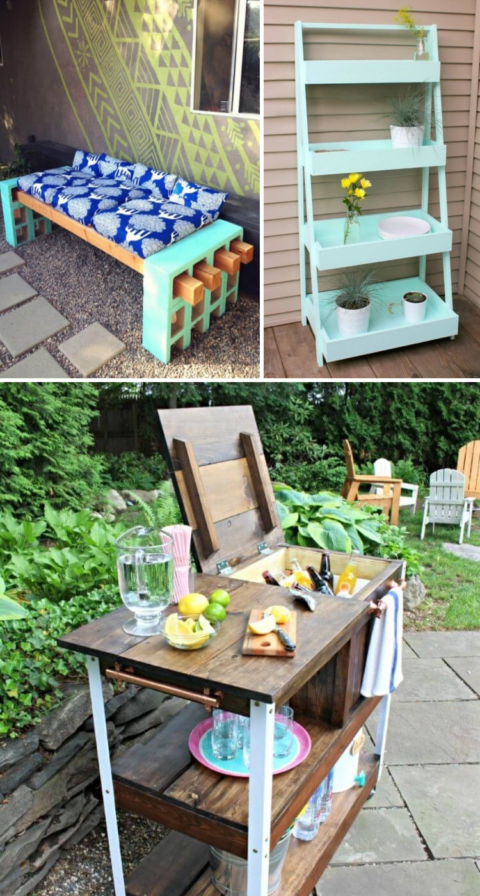
Consider building a simple focal point. A bench made from cinder blocks and wooden beams is sturdy, stylish, and costs very little. Paint the blocks a bright color for a modern look or leave them natural for an industrial vibe. Add a cushion for comfort. This creates a spot for you to sit and enjoy your handiwork, which is arguably the best part of gardening. Other ideas include painting an old door to use as a garden art piece or stacking stones to create a mini rock garden. The goal is to add personality without permanence.
Color Theory and Curb Appeal Psychology
Color plays a huge role in how your front yard is perceived. It’s not just about picking pretty flowers; it’s about creating harmony with your home’s exterior. Look at the color of your siding, roof, and trim. Choose plant colors that complement these tones. If your house is beige or white, you have a blank canvas and can go bold with reds, purples, and oranges. If your house is brick or dark gray, softer pastels or whites might provide a better contrast. Pinterest boards often categorize by color palette, which can help you visualize these combinations.
Repetition is key to a cohesive look. Instead of planting one of everything, plant groups of three or five of the same variety. This creates rhythm and draws the eye through the space. A single red geranium gets lost; a cluster of ten creates a statement. Use color to guide visitors to your front door. Line the path with white flowers or bright foliage to create a natural walkway. This subtle psychological cue makes your entrance feel more inviting and intentional.
Don’t forget the door itself. A fresh coat of paint on your front door is one of the cheapest and most effective updates you can make. Choose a color that stands out against your siding but complements your garden. Navy blue, deep green, or vibrant yellow are popular choices in 2026. Add new house numbers and a stylish mailbox to complete the look. These small details signal that care and attention have been paid to the property, boosting overall curb appeal significantly. It’s the finishing touch that ties everything together.
A beautiful front yard is only as good as its maintenance routine. The good news is that a well-designed budget yard should be low-maintenance. Mulch heavily to reduce weeding. Water deeply but infrequently to encourage deep root growth, which makes plants more drought-tolerant. Set up a simple schedule. Spend fifteen minutes a week tidying up, deadheading spent blooms, and checking for pests. Consistency is better than marathon sessions once a month.
Invest in good tools, even if they are second-hand. A sharp pair of pruners, a sturdy shovel, and a comfortable rake make the work easier and more enjoyable. Clean and store them properly to extend their life. Keep a compost bin for garden waste. Turning your clippings and leaves into compost provides free fertilizer for next season. It closes the loop and keeps your garden sustainable. Plus, it reduces the amount of trash you generate.
Finally, be patient and flexible. Gardens change. Plants die. Weather happens. Don’t get discouraged if something doesn’t work out the first time. Use it as a learning experience. Take photos of your progress to track changes and celebrate small victories. Share your journey on social media or with neighbors. You might inspire someone else to start their own budget makeover. The joy of gardening is in the process, not just the result. Enjoy the dirt under your fingernails and the fresh air. It’s therapy you can eat, smell, and see.
Creating a stunning front yard on a tight budget is entirely possible with the right mindset and resources. By leveraging Pinterest for inspiration, focusing on DIY solutions, choosing smart plants, and maintaining a consistent care routine, you can transform your outdoor space into a source of pride and joy. It doesn’t require a massive bank account, just a bit of creativity and elbow grease. So grab your phone, start pinning, and get ready to dig in. Your dream yard is waiting.