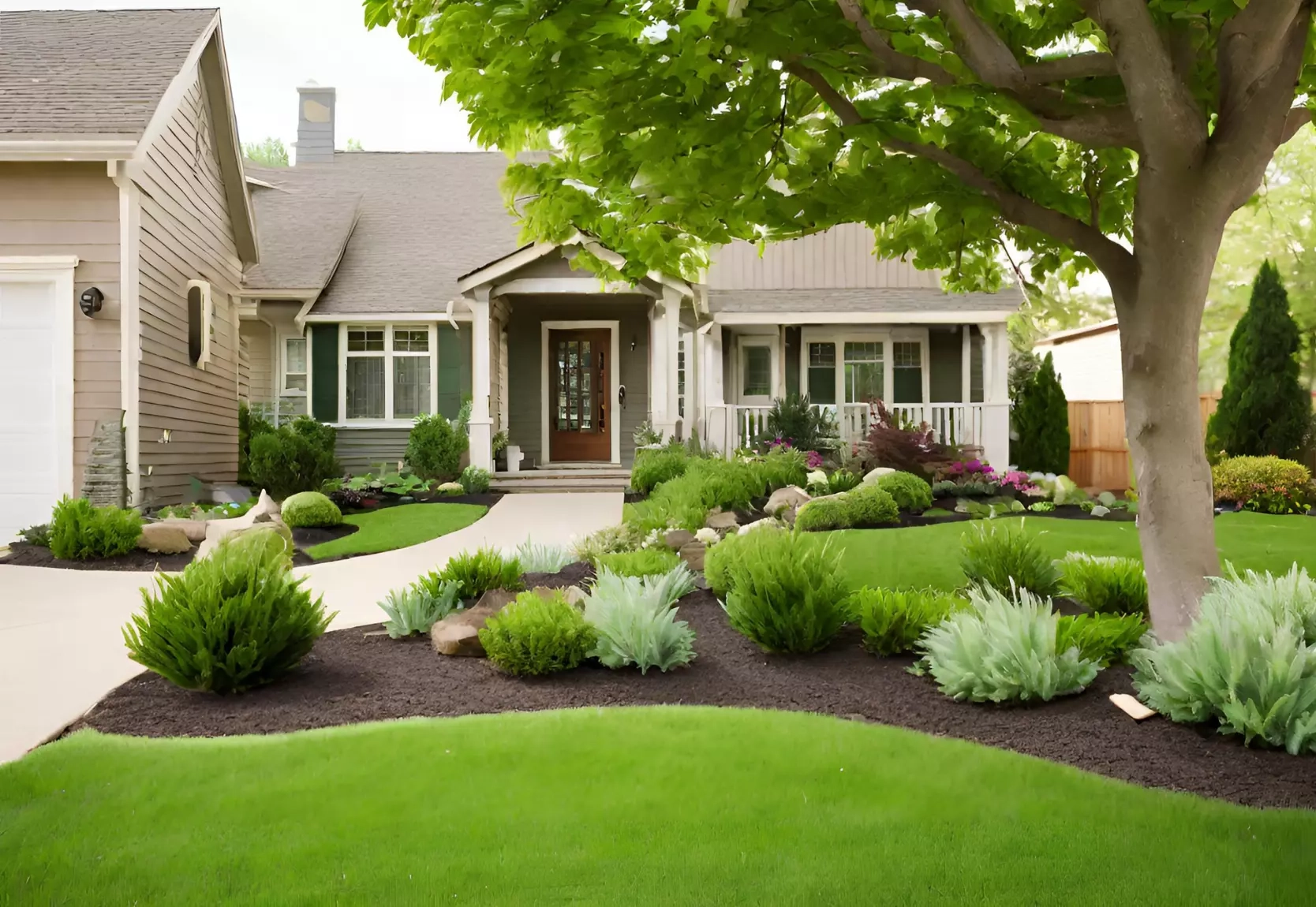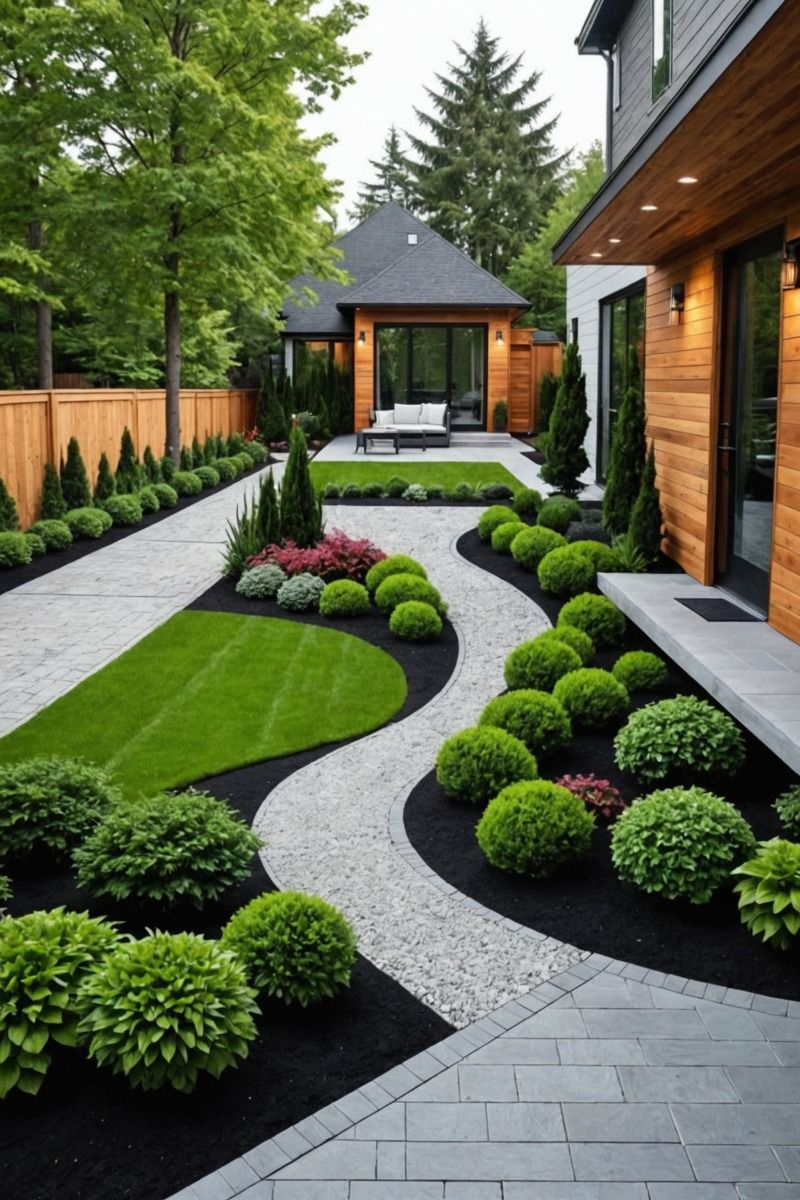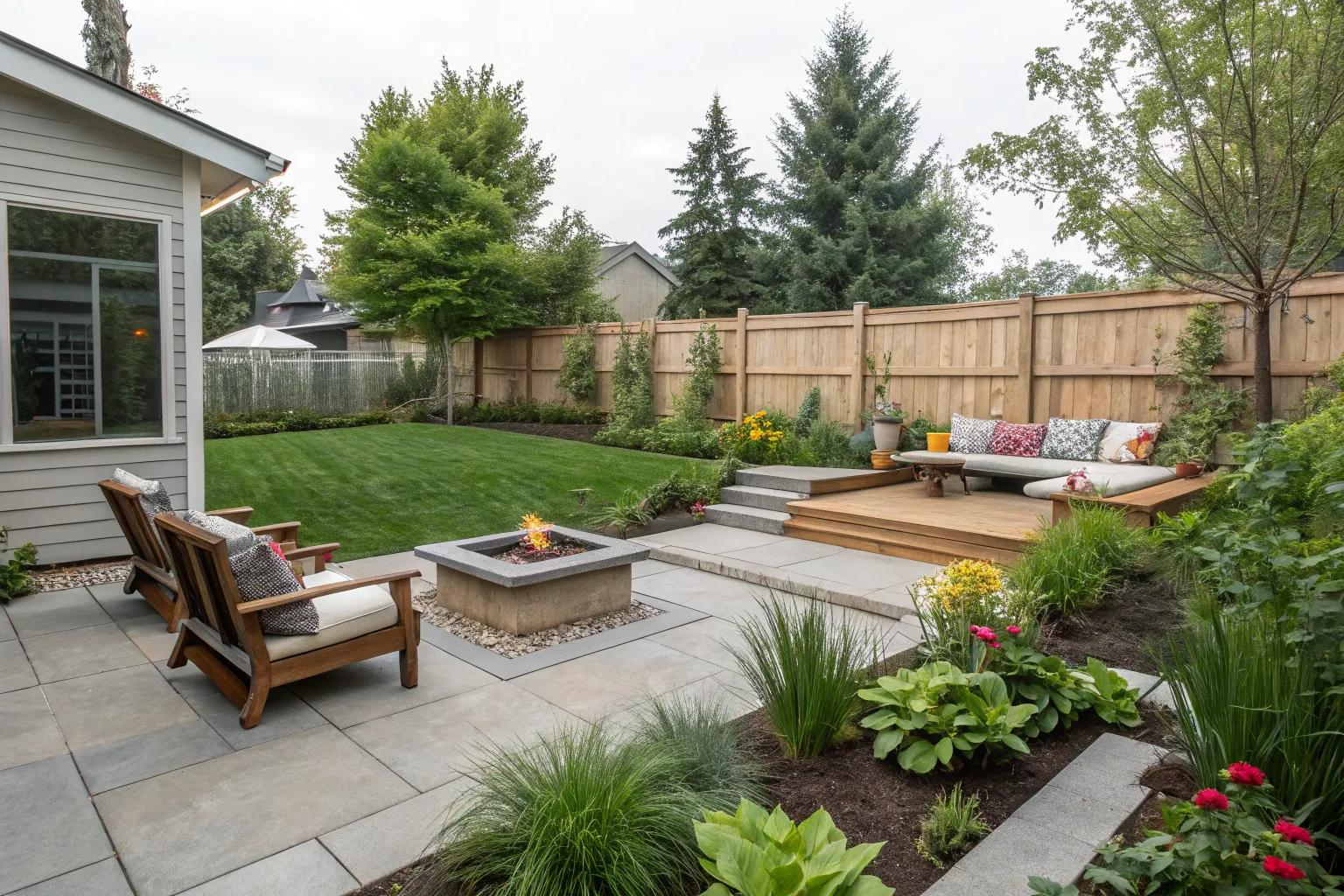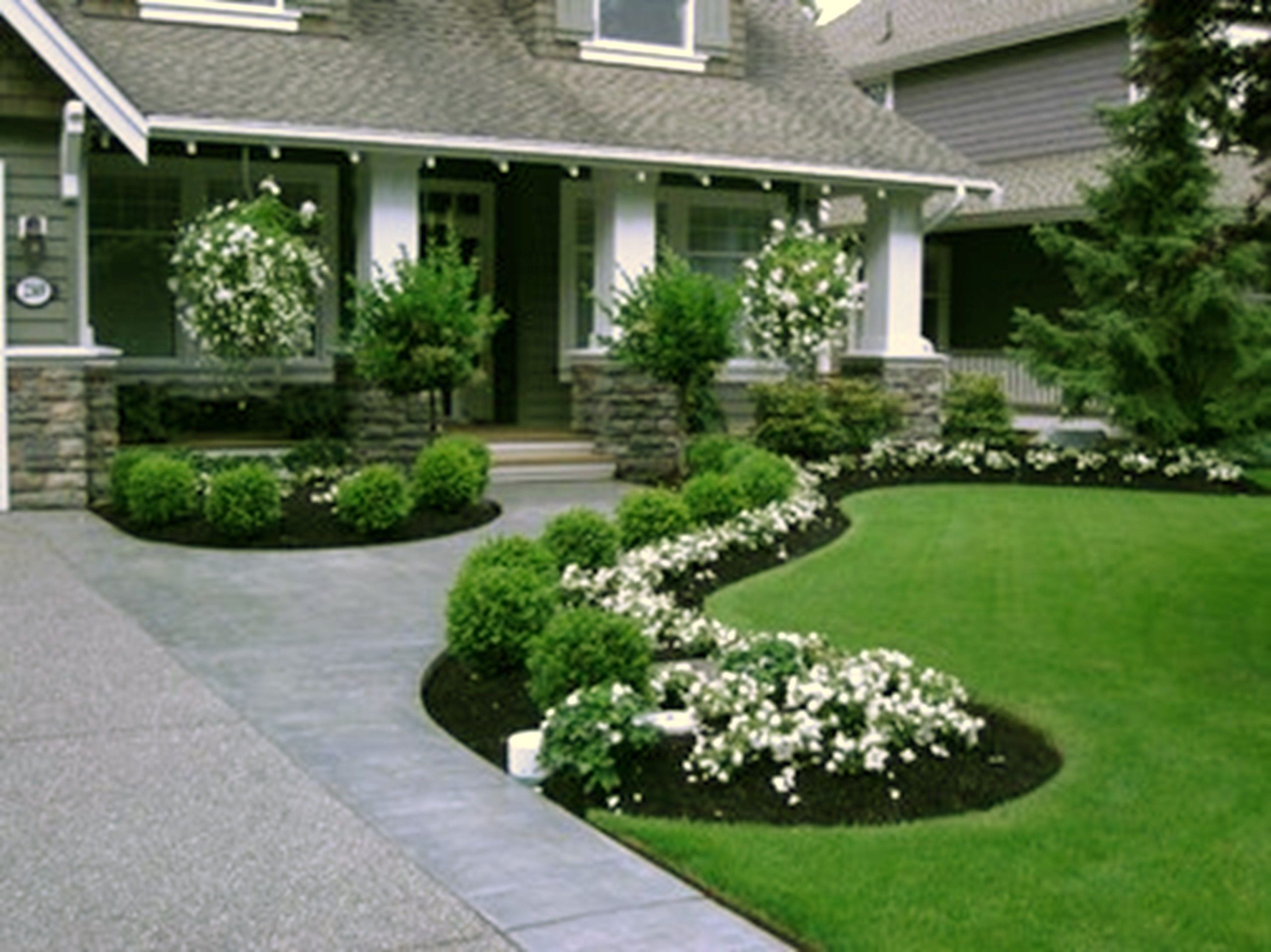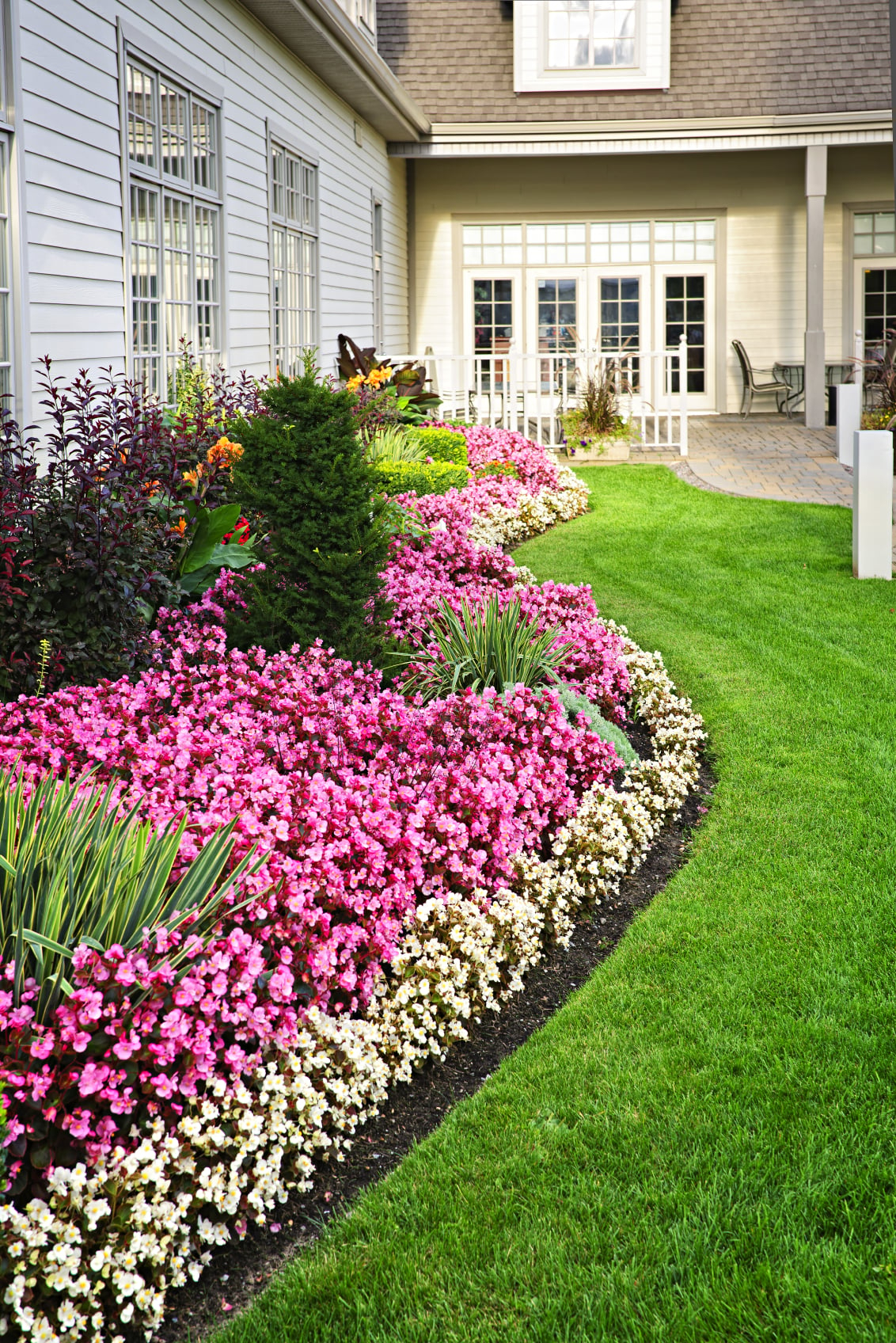

Have you ever stepped into a backyard that just felt… right? Not too rocky, not too wild. It felt like an extension of the living room, but with fresh air and the scent of lavender. That’s the magic we are chasing. It isn’t about picking the perfect paver or the rarest shrub. It is about how they talk to each other. When stone meets soil, it shouldn’t be a crash. It should be a handshake. A gentle one.
Too often, we see yards that feel split in two. On one side, a rigid patio that looks like it was dropped from the sky. On the other, a messy garden bed fighting for attention. They don’t mix. They compete. And the result? A space that feels cold or chaotic. But when you get the blend right, something shifts. The hard lines soften. The plants gain structure. You get a room without walls. A place to breathe. Let’s look at how to make that happen, without the headache.
Finding the Golden Ratio of Structure and Nature
So, where do you even start? With the balance. It is easy to go overboard. Maybe you love the clean look of concrete, so you pave everything. Suddenly, your yard feels like a parking lot. Or maybe you are a plant lover, and every inch is filled with foliage. Then you have nowhere to put your coffee cup. The sweet spot usually lands around 40% hardscape and 60% softscape. This isn’t a strict law, but it is a good compass.
Think of the hardscape as the bones of the room. These are your pathways, patios, and retaining walls. They define where you walk and where you sit. The softscape is the furniture and the decor. It brings the color, the texture, and the life. By keeping the hardscape concentrated in specific "rooms" or connective paths, you give the plants room to breathe. This ratio ensures the space feels grounded but not sterile. It allows for function without losing the soul of the garden.
Why does this matter? Because humans crave both order and nature. We like a solid floor under our feet, but we also need to see leaves moving in the wind. If you tip the scale too far one way, the space feels off. Too much stone feels cold and uninviting. Too many plants can feel overwhelming or high-maintenance. Aim for that 40/60 split, and you will likely find a harmony that feels intuitive. It creates a backdrop that supports life, rather than dominating it.
Softening the Edges with Organic Curves
Straight lines are great for buildings. They are efficient. Clean. But nature doesn’t do straight lines. Trees twist. Rivers meander. Roots spread in unpredictable ways. If you lay a perfectly square patio and surround it with a rigid, boxy hedge, it feels unnatural. It feels forced. To blend the two worlds, you need to blur the boundaries. Use curves. Let the garden beds snake along the edge of the stone path.
This technique avoids those harsh separations that make a yard look like a collage of unrelated parts. When a curved bed meets a paved area, the eye travels smoothly from one to the other. It feels organic. You can also let grass or ground cover spill slightly onto the edges of the pavers. This little bit of "messiness" is actually design gold. It signals that the landscape is alive, growing, and interacting with the structure. It breaks up the monotony of the hard surface.
Layering is key here too. Don’t just plant one row of flowers against the wall. Think in tiers. Start with low-growing plants near the hardscape, then move to mid-height shrubs, and finish with taller trees or ornamental grasses in the back. This creates depth. It makes the transition from stone to sky feel gradual. The varying heights and textures ensure that no single element dominates. Instead, they weave together. The result is a smooth, flowing aesthetic that feels like it has been there for years.
Choosing Materials That Speak the Same Language
Imagine wearing a tuxedo jacket with swim trunks. It clashes, right? The same thing happens in landscaping if your materials don’t match. If you have a rustic, rough-hewn stone wall, pairing it with sleek, modern polished concrete can feel jarring. Unless you are going for a very specific eclectic look, it is best to keep the palette consistent. The hardscape and softscape should feel like they belong to the same family.
Look at the colors and textures. If your patio stones are warm beige and tan, choose plants with complementary tones. Ornamental grasses with golden hues, or flowers in creams and soft yellows, will echo the warmth of the stone. If your hardscape is cool gray slate, you might lean into plants with silvery foliage or deep greens. The goal is cohesion. The materials should harmonize, not fight. This doesn’t mean everything has to match perfectly. Contrast is good. But it should be intentional.
Consider the local environment too. Using native stone and native plants creates an instant bond. The landscape looks like it grew out of the earth naturally. In 2026, there is a huge push towards sustainability, and this approach fits perfectly. It reduces the need for excessive transport of materials and supports local ecosystems. When the materials reflect the region, the blend feels authentic. It stops looking like a catalog page and starts looking like home.
Creating Functional Zones with Purposeful Planting
An outdoor room needs purpose. Just like inside, you have areas for dining, lounging, or cooking. Hardscape defines these zones. A patio sets the stage for the dining table. A fire pit area marks the gathering spot. But softscape plays a crucial role here too. It acts as the divider. Instead of building a solid fence to separate the grill area from the yoga spot, use plants.
Tall grasses or a row of bamboo can create a visual screen. It provides privacy without blocking the air or light. This makes the space feel larger and more open than a solid wall would. It adds a layer of intimacy. You feel enclosed and safe, but still connected to the wider garden. This is the power of blending. The hardscape gives you the flat surface to stand on, while the softscape gives you the feeling of being in a room.
Think about the flow between these zones. Pathways should guide you naturally from one area to the next. Line these paths with fragrant herbs or low shrubs. As you walk, you brush against the plants. It engages the senses. It makes the journey part of the experience. By concentrating hardscape in these destination spots and using softscape to connect them, you create a landscape that invites movement and exploration. It encourages you to use every part of the yard.
The Importance of Timing and Phased Integration
Here is a secret: you don’t have to do it all at once. In fact, trying to install every stone and plant in one week is a recipe for stress and bad decisions. Landscaping is a marathon, not a sprint. Phased upgrades allow you to manage costs and, more importantly, let the design evolve. Start with the big hardscape elements. Get the patio down. Build the main path. These are the permanent structures. They are hard to change later.
Once the bones are in place, live with the space for a season. See how the sun hits the patio in July versus October. Notice where the water pools when it rains. Then, start adding the softscape. This approach ensures that your plant choices are informed by reality, not just a drawing on paper. It allows for a cohesive final design because you are reacting to the actual conditions of your yard. It takes the guesswork out of planting.
Also, remember that hardscape and softscape must be designed together, not as afterthoughts. If you build a retaining wall and then try to figure out what to plant in front of it three months later, it will look tacked on. Plan the planting pockets into the wall design. Leave space for roots. Consider the mature size of the trees near the deck. This level of integration is only possible when you think ahead. It saves money and heartache in the long run.
A beautiful landscape is not a set-it-and-forget-it project. Both stone and plants need care. But when they are blended well, maintenance becomes easier, not harder. For instance, proper hardscape installation includes drainage. This protects your plants from drowning during heavy rains. Conversely, healthy plant roots stabilize the soil, preventing erosion around your patio edges. They work together to protect the investment.
Choose plants that fit the microclimate created by the hardscape. Stones absorb heat. So, planting drought-tolerant succulents or heat-loving herbs near a sunny patio makes sense. They will thrive with less water. This is sustainable and smart. It reduces the need for constant irrigation. On the flip side, avoid planting high-maintenance, delicate flowers right next to a high-traffic walkway. They will get trampled. Put tough ground covers there instead.
The goal is a space that ages gracefully. Stone weathers. Plants grow. Embrace it. Let the moss grow in the cracks of the pavers if it suits your style. Let the shrubs fill in the gaps. A cohesive outdoor room feels lived-in. It doesn’t look like a museum exhibit. By balancing the durability of hardscape with the resilience of the right softscape, you create a yard that stays stunning year after year. It becomes a true sanctuary.
So, where does this leave us? With a clearer picture of how to bring these two worlds together. It is not about choosing between stone and leaf. It is about letting them dance. Start with a solid plan. Respect the ratio. Soften the lines. Choose materials that sing in the same key. And give it time. The best outdoor rooms are not built in a day. They grow. They settle. They become part of your life.
Take a look at your own space. Where are the harsh lines? Where does it feel empty or cluttered? Maybe you need a curved bed to break up a long wall. Maybe you need a small patio to anchor a wild corner. Small changes can have a big impact. You don’t need a massive budget. You just need a bit of intention. Blend the hard and the soft. Create a flow. And soon, you will have that room without walls. The one that feels just right.