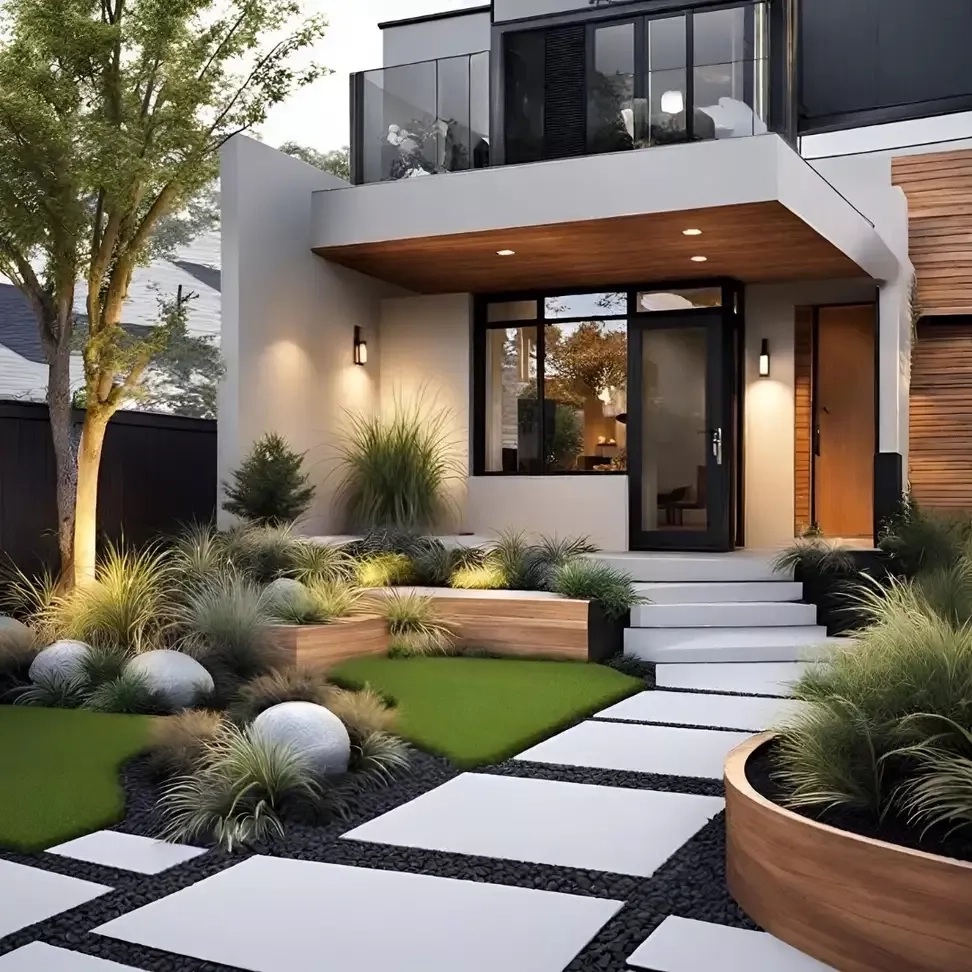

We have all done it. You pull up to your driveway, look at that patch of patchy grass and the overgrown bush by the window, and think, "Next month, I am finally fixing this up." It sounds easy enough. A few fresh rolls of sod here, some pretty perennial flowers there, and boom—instant neighborhood envy. But then you start calling around for estimates, and suddenly, the numbers coming back look less like a weekend hobby project and more like a down payment on a luxury sedan. Why is there such a massive gap between what we imagine a yard should cost and what professionals actually charge.
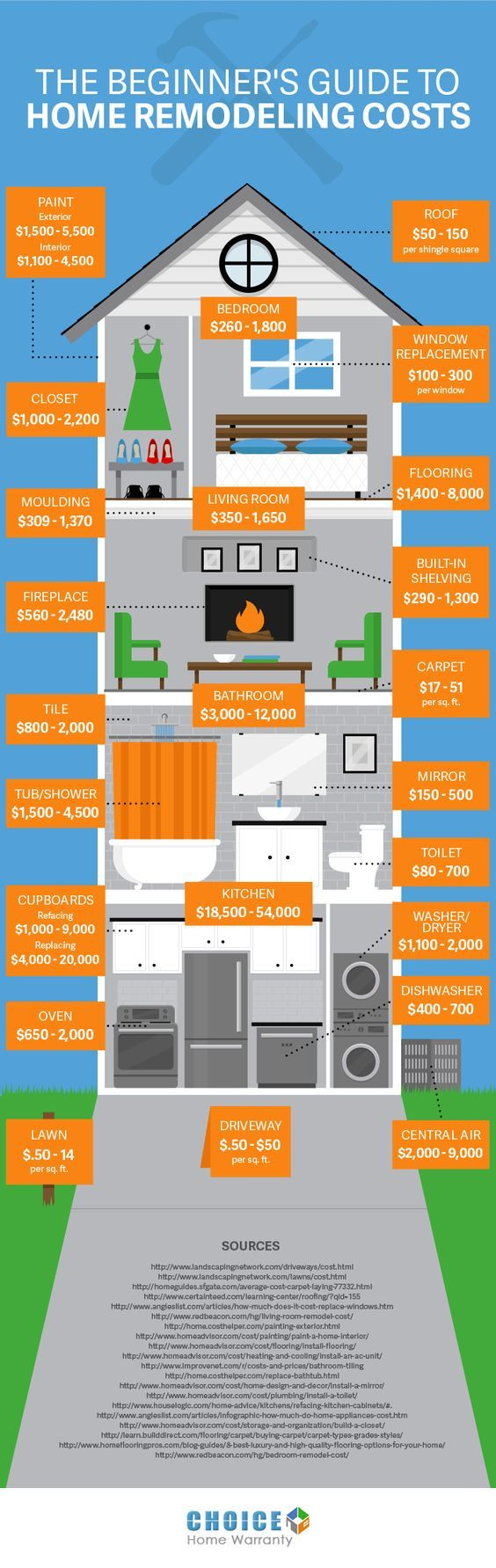
The truth is, landscaping is one of the most misunderstood home investments out there. In 2026, the national average for a standard residential landscaping project sits around $8,500 to $9,500, but a simple front yard refresh can easily range anywhere from $1,500 to $12,000 depending on your choices. It is not just about buying pretty plants. It is about earth-moving, heavy labor, hidden permits, and structural engineering that happens right beneath your boots. To build a budget that actually holds up, we need to peel back the layers of your yard and look at what you are really paying for.
Softscaping vs Hardscaping: The Great Budget Divider
When you break down a landscaping blueprint, it gets split into two main buckets: softscaping and hardscaping. Softscaping refers to the living, changing elements of your yard—think of things like premium sod, colorful flower beds, mulch, and trees. These materials are generally kinder to your wallet upfront. For instance, putting down new sod typically runs between $0.90 and $1.80 per square foot. It is instant gratification you can walk on, though grass seeding is even cheaper at under twenty cents a foot if you have the patience to watch it sprout.
Hardscaping, on the other hand, is where budgets go to grow up fast. This includes the non-living architectural features like stone walkways, concrete paver patios, retaining walls, and driveways. Because these structures require heavy machinery, concrete foundations, and intense manual labor, they eat up the lion’s share of your funds. A professional paver walkway can cost anywhere from $9 to $20 per square foot, while a robust retaining wall to hold back a sloping hill can run $80 to $350 per linear foot. If your dream front yard involves stone steps and structural walls, your budget will look vastly different than a plan that just calls for mulch and bushes.
The Invisible Foundation: Grading and Drainage Costs
Here is a scenario that happens all too often: a homeowner spends thousands on beautiful new plants and pristine sod, only for the first heavy spring storm to transform their front lawn into a muddy swamp. Even worse, the water pools right against the house foundation. This is why site preparation, specifically land grading and drainage system installation, is the most critical hidden cost in outdoor renovations. Correcting a bad slope or leveling out uneven terrain typically costs between $650 and $3,600.
If your yard has severe water pooling issues, you might need a professional drainage system, which can tack on an extra $1,500 to $11,000. It is a tough pill to swallow because nobody looks out their front window and admires an expensive underground French drain. But skipping this step to save money is a recipe for disaster. Investing in the ground stability first ensures that your expensive topsoil and delicate root systems do not wash away during the next downpour.
Labor and Expertise: Why the Human Element Costs More
When you look at a contractor’s line-item estimate, it is easy to experience a bit of sticker shock over the labor fees. It is common to wonder if you are being overcharged. However, it helps to understand that professional labor routinely accounts for 40% to 65%—and sometimes up to 80%—of the total invoice on complex installations. Landscaping is grueling, physical work that requires specialized knowledge of soil chemistry, local climate zones, and construction engineering.
In 2026, a qualified local landscaper generally charges between $50 and $100 per hour for general labor. If you hire a landscape designer to draft a custom plan, expect to pay anywhere from $50 to $150 an hour, while a certified landscape architect who handles complex structural blueprints can run even higher. You are not just paying for someone to dig a hole; you are paying for the insurance, the expensive machinery, and the guarantee that a retaining wall will not collapse onto your driveway in three years.
The Size and Scale Reality Check
It sounds obvious, but the physical square footage of your property dictates your baseline financial reality. A compact front yard under a tenth of an acre requires far fewer materials and fewer hours of physical labor than a sweeping suburban lot. On average, professional landscaping services run anywhere from $4.50 to $14.50 per square foot for standard projects.
- Small Yards (500 sq ft): A simple refresh with fresh mulch, basic flower beds, and a clean walkway usually ranges from $2,250 to $7,250.
- Medium Yards (1,000 sq ft): Moving into mid-range territory with upgraded planting schemes and a modest paver path brings costs to around $4,500 to $14,500.
- Large Yards (2,000+ sq ft): Comprehensive makeovers that combine extensive softscaping with heavy hardscaping features can easily scale from $9,000 to $29,000 and beyond.
Understanding these baseline figures prevents you from walking into consultations with unrealistic expectations. It allows you to prioritize which zones of the yard deserve the premium materials.
Hidden Fees That Catch Homeowners Off Guard
The main quote from a contractor rarely tells the entire financial story. There are several administrative and preparation fees that can quietly inflate your total bill if you do not plan for them. For instance, before a single new flower can be planted, the old, dead material has to go. Demolition of old concrete paths, clearing thick brush, or removing a sick tree can add anywhere from $1,500 to $15,000 to a project. Even removing a single stubborn tree stump can cost up to $350.
Then there is the bureaucratic side of things. Depending on where you live and the scope of your hardscaping, you may need a local building permit, which can run anywhere from $50 to $700. If your home is part of a Homeowners Association (HOA), you might face design review fees or strict material requirements that limit your ability to use cheaper alternatives. Always ask your contractor upfront who is responsible for pulling permits and managing disposal fees so you are not left holding an unexpected bill at the end.
Smart Strategies to Keep Your Budget on Track
You do not have to bankrupt yourself to get a gorgeous front yard. One of the best ways to keep costs manageable is to implement your design in phases. There is no rule saying you have to do everything at once! You can pay a landscape designer a flat fee—often between $1,200 and $6,000 depending on complexity—to create a master plan for your yard, and then execute that plan over two or three years. Start with the crucial drainage and grading work in year one, install the hardscape walkways in year two, and finish with the final plantings in year three.
Another great trick is to opt for smaller plant sizes. A mature, fully grown tree can easily cost $565 to $680 to purchase and plant professionally. Buying a younger, smaller version of the exact same tree might only cost $50 to $100. Sure, your yard won’t look fully established on day one, but plants grow for free. Finally, embrace native plants and xeriscaping methods. Choosing vegetation that naturally thrives in your local climate reduces the need for expensive soil amendments, heavy watering, and complex built-in irrigation systems.
At the end of the day, transforming your front yard is about balance. It is about matching your big, beautiful aesthetic dreams with the practical realities of labor, materials, and site prep. A well-landscaped home can increase your overall property value by up to 15%, making it a highly rewarding long-term investment.
By understanding where every dollar actually goes—whether it is buried in a drainage trench or sitting proudly on a stone path—you put yourself in the driver’s seat. Talk openly with local professionals, ask what is included in the baseline fee, and do not be afraid to tackle the project in bite-sized pieces. With a clear head and a solid budget, you can build an entrance that welcomes you home every single day without blowing up your bank account.