
Ever dream of a garden that just… thrives? A place where every plant looks happy, hydrated, and bursting with life, without you having to spend endless hours dragging around a watering can or wrestling with sprinkler systems. It sounds like a fantasy, doesn’t it. But what if I told you there’s a remarkably straightforward, wonderfully efficient way to make that dream a reality for your green space, even in our busy modern lives. We’re talking about the humble soaker hose, and truly, it’s a game-changer.
For years, gardeners have grappled with the best way to deliver that vital lifeforce—water—to their beloved plants. Overhead sprinklers often waste a significant portion to evaporation and runoff, while hand watering can be tedious and inconsistent. But a soaker hose system, when set up correctly, offers a gentle, steady, and targeted approach. It’s a method that speaks directly to what your plants truly crave: moisture delivered right to their root zone, slowly and deeply. Let’s dive into how this clever arrangement can help you cultivate your finest garden yet.
Why Soaker Hoses Are a Gardener’s Best Friend
Think about how nature waters. It’s often a slow, soaking rain that seeps into the earth, not a sudden deluge. Soaker hoses mimic this natural process beautifully. They’re porous tubes, usually made from recycled rubber or plastic, that weep water along their entire length. This means moisture goes directly into the soil where it’s most needed, right at the base of your plants. It’s a stark contrast to overhead sprinklers that drench foliage, which can encourage fungal diseases, and lose a lot of precious water to the air before it ever reaches the ground.
The benefits are truly compelling. First, there’s the incredible water conservation. Experts estimate that soaker hoses can reduce water usage by up to 50-70% compared to traditional watering methods. That’s a huge saving, especially in 2026 when water efficiency is more important than ever. Plus, because the water isn’t sprayed everywhere, weeds between your rows get less moisture, meaning less weeding for you. And who doesn’t want less weeding. It’s a win-win situation for your plants, your wallet, and your precious time.
Choosing the Right Soaker Hose for Your Garden
Not all soaker hoses are made equal, and picking the correct kind is the first step to a successful setup. You’ll generally find them in different diameters, typically 1/2-inch or 5/8-inch, and various lengths. For most home gardens, a 1/2-inch hose is usually sufficient and easier to maneuver. Consider the material too; some are more flexible than others, which can be a real boon when you’re trying to snake them around curved garden beds or established plants. Recycled rubber versions are often more durable and less prone to kinking, though they can be a bit heavier.
When you’re shopping, keep in mind the size and layout of your garden. Don’t buy a single, super-long hose if your beds are separated or have complex shapes. It’s often better to use several shorter lengths connected with appropriate fittings. This gives you more flexibility and allows for easier maintenance or adjustments down the line. Look for models with good reviews regarding durability and even water distribution, because a patchy watering job won’t help your plants thrive.
Designing Your Soaker Hose Layout for Optimal Hydration
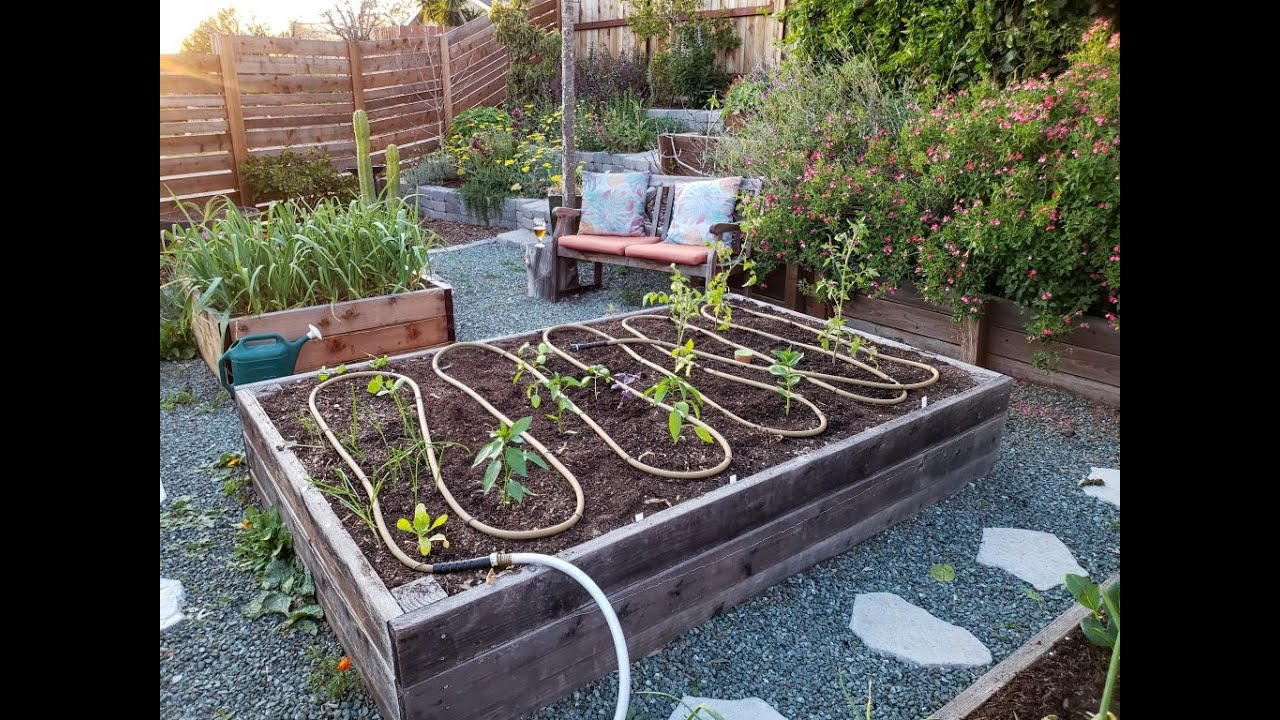
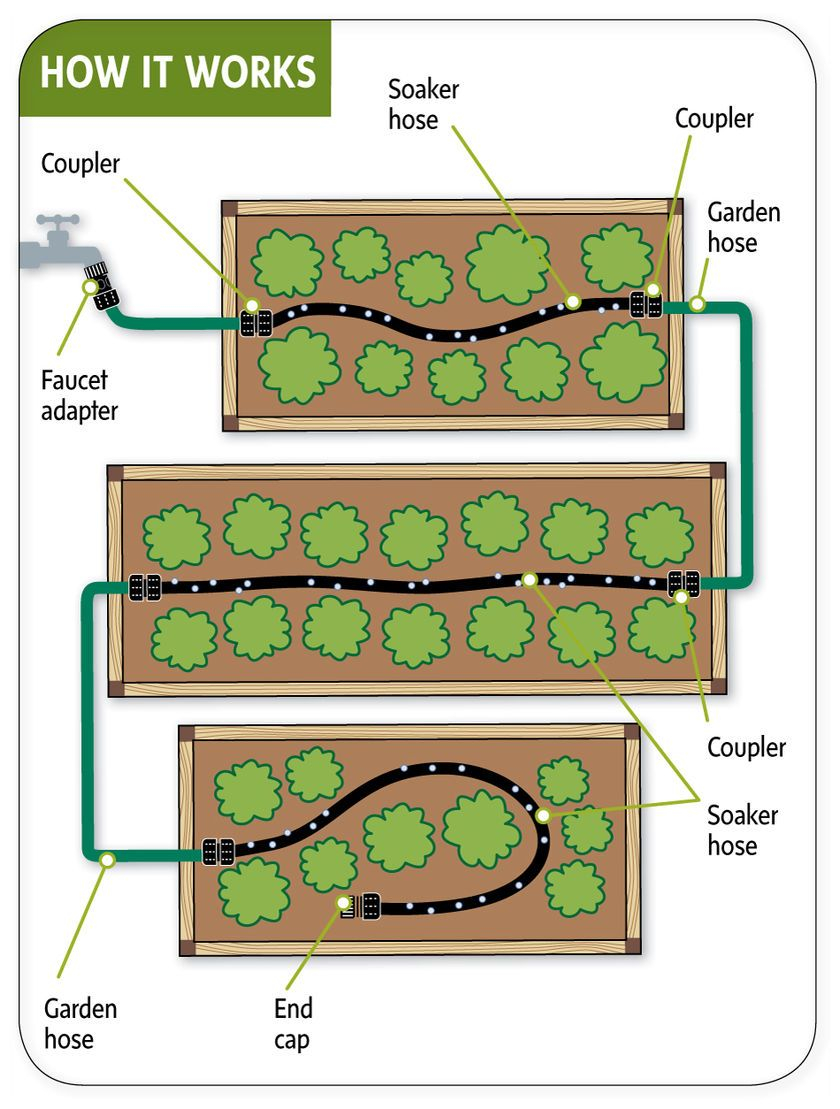
The magic of a soaker hose system truly shines when it’s thoughtfully designed. Before you even unroll a hose, take a moment to sketch out your garden beds. Where are your plants located. What are their specific watering needs. Group plants with similar requirements together if you can. For instance, thirsty vegetables will need the hose closer than drought-tolerant herbs. You’ll want to lay the hose in continuous lines or loops, approximately 6 to 18 inches apart, depending on your soil type and plant spacing. Closer for sandy soils that drain quickly, further apart for heavier clay soils.
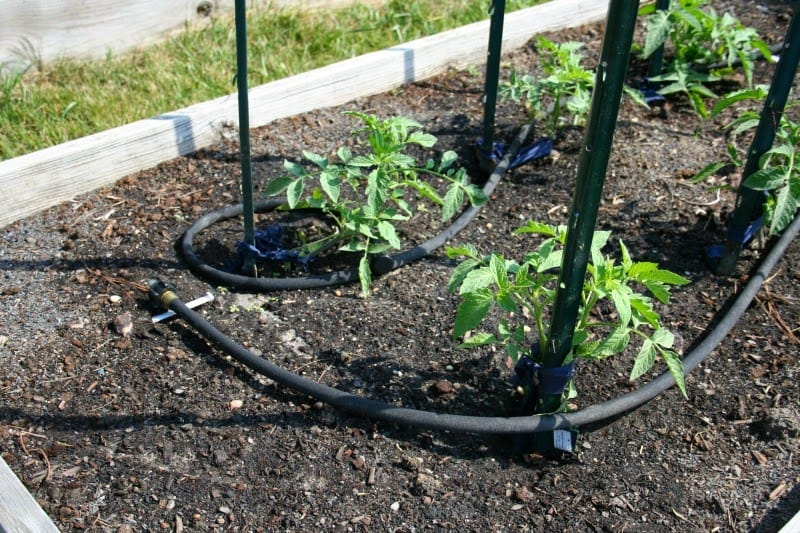
Remember, the goal is to provide consistent moisture to the root zone of all your plants. For rows of vegetables, a single line of soaker hose laid along the row is usually ample. For wider beds, you might need parallel lines. Avoid crossing the hose over itself or creating sharp bends, as this can impede water flow. A little planning now saves a lot of frustration and ensures even watering later. It’s like drawing a map for your garden’s hydration journey.
Essential Components and Installation Tips
Beyond the soaker hose itself, you’ll need a few other bits and pieces to make your system sing. A pressure regulator is paramount. Soaker hoses are designed to work at low water pressure, usually around 10-25 PSI (pounds per square inch). Standard household water pressure is often much higher, sometimes up to 60 PSI or more. Without a regulator, your hose can burst, or the water will gush out unevenly, defeating the purpose. You’ll also need a backflow preventer to ensure no garden water siphons back into your drinking supply.
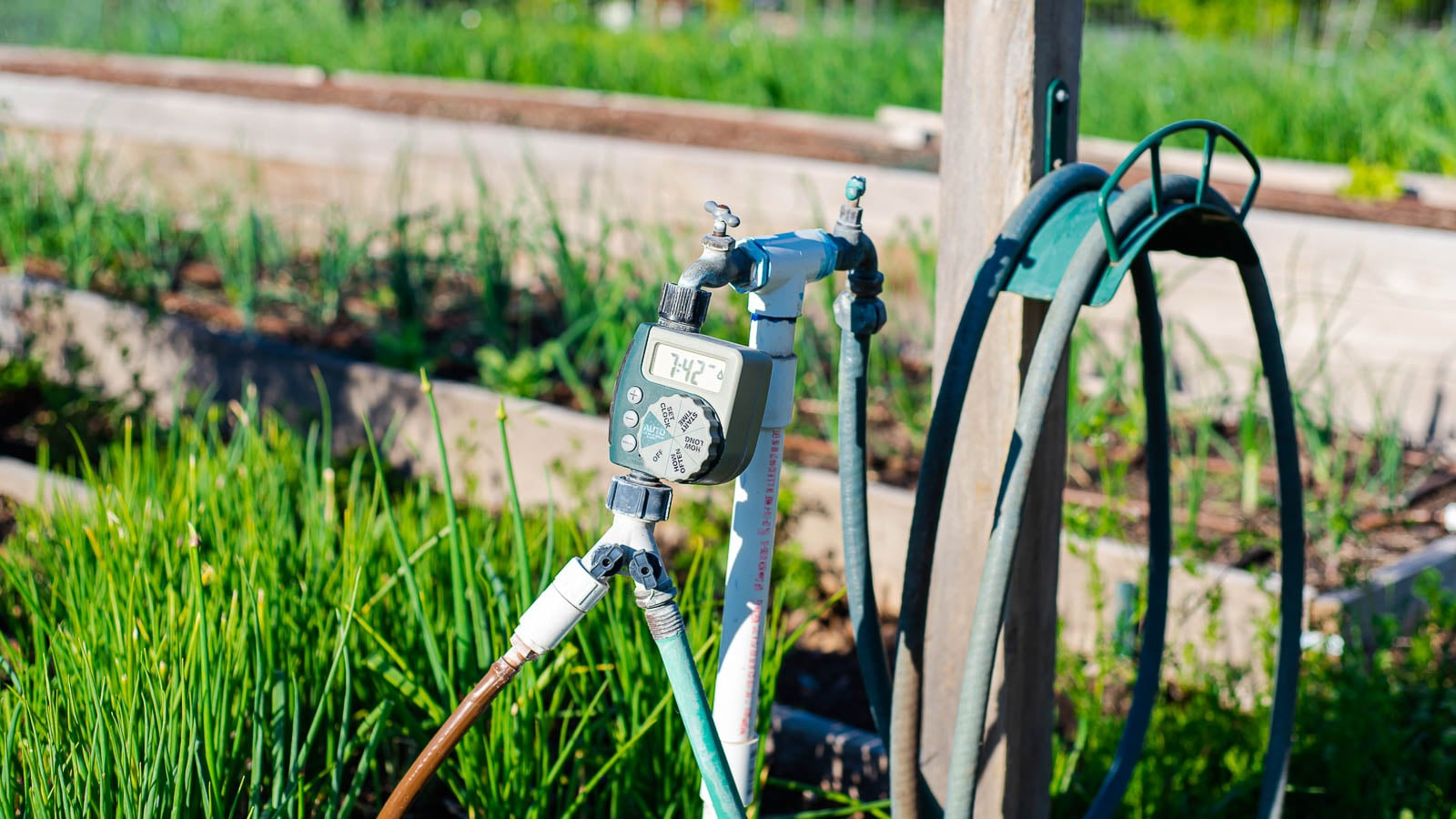
Installation is fairly straightforward. Connect your soaker hose to your outdoor spigot, adding the backflow preventer and pressure regulator in between. Then, lay the hose out in your garden according to your design. You can secure it with garden staples or just bury it slightly under a thin layer of mulch. Mulch is your friend here; it helps hold moisture in the soil, making your soaker hose even more effective. For longer runs or complex layouts, consider a Y-splitter at your spigot to run multiple lines, or use T-fittings and end caps to create custom configurations. Don’t forget to flush your lines before capping them to clear any debris.
Setting the Right Watering Schedule and Maintenance
Once your soaker hose setup is complete, the next step is figuring out the perfect watering schedule. This isn’t a one-size-fits-all answer; it depends on your climate, soil type, and the specific needs of your plants. A good starting point is to run the system for 30-60 minutes, two or three times a week. After the first few waterings, check the soil moisture. Dig down a few inches near the hose line. Is the soil evenly moist to a depth of 6-8 inches? If not, adjust the duration or frequency. You want deep, infrequent watering to encourage strong root growth, not shallow daily sprinkles.
Maintenance is pretty minimal, but important. Before the first frost, or at the end of the growing season, disconnect your hoses, drain them thoroughly, and store them in a protected area like a shed or garage. This prevents freezing water from damaging them. Periodically, check for clogs, especially if you have hard water. A quick flush can often clear them. You might also want to inspect for any small leaks or damage from garden tools or critters. A well-cared-for soaker hose system can last for many seasons, continuing to deliver that vital hydration with minimal effort.
Even the best-laid plans can hit a snag, and soaker hoses are no exception. One common issue is uneven water distribution. If one end of your hose is gushing while the other is barely weeping, it’s almost certainly a pressure problem. Double-check your pressure regulator. Is it set correctly. Is it functioning. Sometimes, if the hose is too long, the pressure drops significantly at the far end. In such cases, breaking a very long run into two shorter ones, each fed by a separate line from a splitter, might be the answer.
Another challenge can be clogging. Tiny sediment particles or mineral deposits from hard water can block the small pores in the hose. If you suspect a clog, try flushing the hose by removing the end cap and letting water run through it at full pressure for a few minutes. You might also consider installing a simple filter at the spigot connection to prevent debris from entering the system in the first place. And remember, don’t bury your soaker hose too deep; if it’s under heavy soil, the weight can compress the pores and hinder water flow. Keep it accessible for those occasional checks and adjustments.
So, there you have it. The secret to a truly flourishing garden in 2026 isn’t some complex, expensive gadget, but rather a simple, elegant solution: the soaker hose. By understanding how they work, choosing the right ones, planning your layout, and maintaining them properly, you can transform your watering routine from a chore into an effortless act of cultivation.
Imagine waking up to a garden that’s consistently hydrated, where your plants are stronger, healthier, and more productive, all while you save water and precious time. It’s not just about growing plants; it’s about growing a better gardening experience, one gentle drip at a time. Go ahead, give your garden the gift of consistent, targeted moisture. You—and your plants—will be so glad you did.